
Can I Give My Cat Midol? Best 7 Expert Tips!

Can I Give My Cat Midol? Best 7 Expert Tips!

Can I Give My Cat Midol?

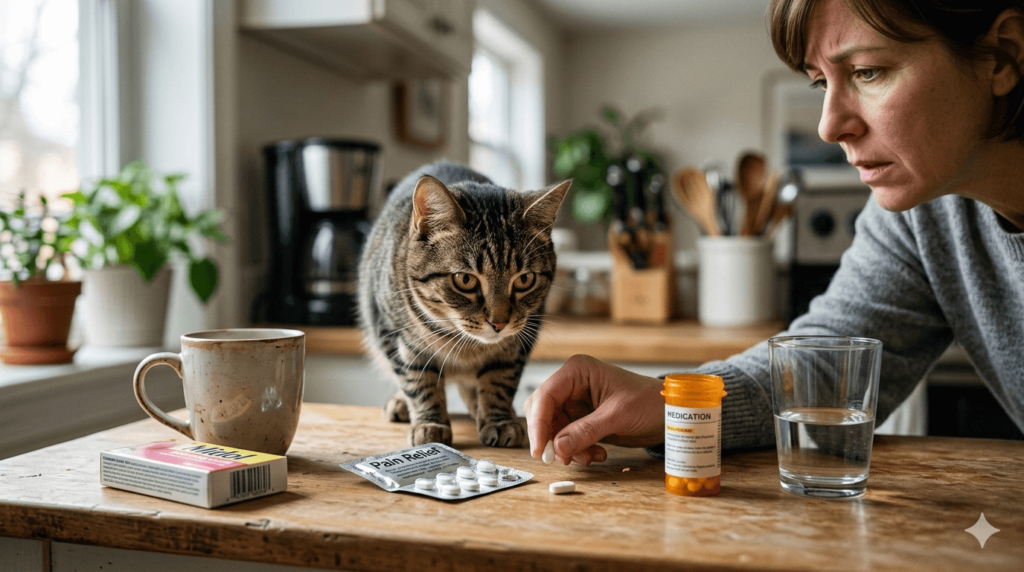
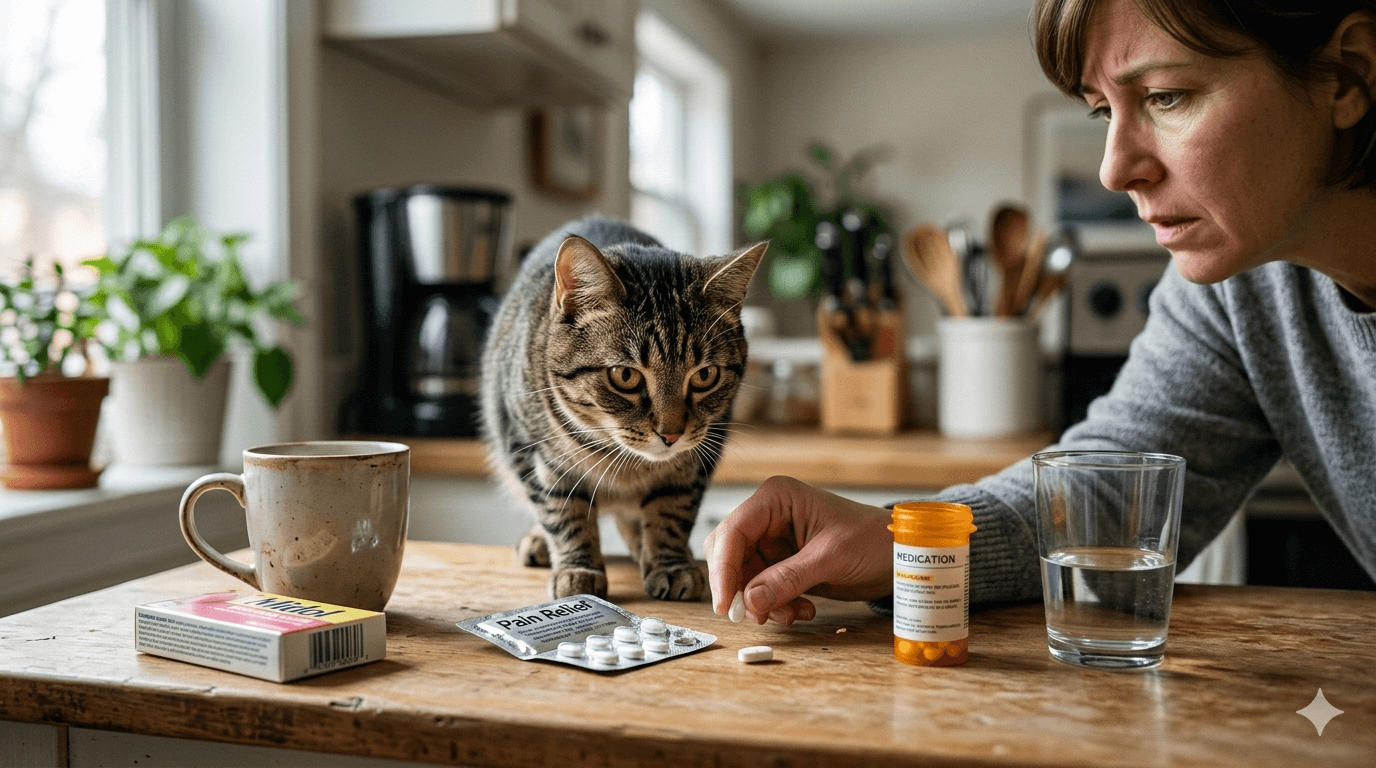
Midol is a common over-the-counter medication for relieving menstrual pain in humans, but its safety for cats is far less straightforward. While some ingredients may seem harmless, others can pose serious risks to your feline friend. Understanding what’s in Midol and how it affects cats is crucial before considering any form of treatment.

Understanding the Risks of Midol for Cats

While Midol is formulated for human use, its active ingredients can have unintended effects on a cat’s delicate system. Before considering any medication for your feline, it’s crucial to understand what makes Midol potentially harmful.
 
  • Acetaminophen Content:
    Midol often contains acetaminophen, which is highly toxic to cats. Even small doses can lead to liver failure or damage red blood cells, causing difficulty in oxygen transport.
     
  • Caffeine Risks:
    Some Midol formulations include caffeine, a central nervous system stimulant that can cause restlessness, rapid breathing, and heart palpitations in cats.
     
  • Inactive Ingredients:
    Fillers, artificial flavors, or dyes may not be directly toxic but can irritate a cat’s stomach or trigger allergic reactions when ingested.
     
  • Metabolism Differences:
    Cats lack certain enzymes (like glucuronyl transferase) needed to process drugs like acetaminophen safely, making them far more vulnerable than humans or dogs.
     
  • Cumulative Toxicity:
    Even if initial symptoms seem mild, repeated exposure to Midol components can build up over time, leading to chronic health issues.
 
Understanding these risks underscores why consulting a veterinarian is essential before giving your cat any human medication.
 
Can I Give My Cat Midol? Best 7 Expert Tips!

Symptoms of Midol Toxicity in Cats

If your cat accidentally ingests Midol, recognizing the signs of toxicity early can save their life. Symptoms vary depending on the dosage and formulation but often appear within hours of ingestion.
 
  • Difficulty Breathing:
    Acetaminophen poisoning reduces hemoglobin’s ability to carry oxygen, resulting in labored breathing or panting as your cat struggles for air.
     
  • Gums Turning Blue or Brown:
    Methemoglobinemia, a condition caused by acetaminophen, changes gum color due to impaired oxygen delivery throughout the body.
     
  • Vomiting and Drooling:
    Nausea and excessive salivation are common responses to gastrointestinal irritation from Midol’s ingredients.
     
  • Lethargy or Weakness:
    Toxicity drains energy levels, leaving your cat unusually tired or uninterested in normal activities like eating or playing.
     
  • Increased Heart Rate:
    Caffeine content can overstimulate the cardiovascular system, causing rapid heartbeat or arrhythmias that require immediate attention.
 
These symptoms demand urgent veterinary care—delayed treatment increases the risk of irreversible damage or death.
Symptoms of Midol Toxicity in Cats
Immediate Actions to Take
Difficulty breathing or panting
Call your vet or emergency clinic immediately
Blue or brown gums (sign of oxygen deprivation)
Avoid inducing vomiting without advice
Vomiting or excessive drooling
Keep your cat calm and restrict movement
Lethargy or weakness
Monitor vital signs closely until professional help arrives
Rapid heartbeat or seizures
Transport your cat safely to the nearest vet

Safe Alternatives to Midol for Cats

When your cat experiences discomfort, there are safer options than reaching for human medications like Midol. Veterinarians recommend alternatives tailored specifically for felines.
 
  • Prescription Pain Relievers:
    Medications like buprenorphine or meloxicam are designed for cats and provide effective pain relief without the risks associated with human drugs.
     
  • Natural Remedies:
    Herbal supplements such as chamomile or valerian root (in appropriate doses) can soothe anxiety or minor aches under veterinary supervision.
     
  • Hydration Therapy:
    Ensuring proper hydration supports kidney function and helps flush out toxins naturally, reducing overall stress on the body.
     
  • Behavioral Interventions:
    Sometimes environmental adjustments, like creating a calm space or using pheromone diffusers, alleviate stress-related symptoms without medication.
     
  • Warm Compresses:
    For localized pain or stiffness, applying gentle heat through warm towels can offer comfort while avoiding chemical interventions.
 
Exploring these alternatives ensures your cat receives safe, species-appropriate care during times of need.


Preventing Accidental Midol Exposure

Preventing access to medications like Midol is key to protecting your cat from accidental poisoning. Simple precautions go a long way in maintaining their safety.
 
  • Secure Storage Solutions:
    Keep all medications, including Midol, in high cabinets or childproof containers inaccessible to curious pets.
     
  • Dispose of Unused Medication Properly:
    Flush unused pills down the toilet or mix them with undesirable substances before disposal to prevent scavenging behavior.
     
  • Educate Family Members:
    Ensure everyone in the household knows never to share human medications with pets, no matter how harmless they might seem.
     
  • Monitor Guest Behavior:
    Visitors unfamiliar with pet safety might leave medications lying around; politely remind them to keep items secure.
     
  • Use Pet-Safe Products Only:
    When shopping for household items, choose brands labeled non-toxic to minimize risks in case of accidental ingestion.
 
Taking these steps creates a safer environment where accidents are less likely to occur.


How Veterinarians Treat Midol Poisoning

If your cat ingests Midol, veterinarians employ various methods to stabilize their condition and reverse the effects of toxicity. Early intervention significantly improves outcomes.
 
  • Induced Vomiting:
    In cases caught early, vets induce vomiting to remove undigested medication from the stomach before absorption occurs.
     
  • Activated Charcoal Administration:
    Charcoal binds to toxins in the digestive tract, preventing further absorption into the bloodstream.
     
  • IV Fluid Therapy:
    Intravenous fluids support hydration, promote toxin elimination, and protect vital organs like the kidneys and liver.
     
  • Oxygen Support:
    Supplemental oxygen combats methemoglobinemia by ensuring adequate oxygen reaches tissues despite compromised red blood cells.
     
  • Liver Protectants:
    Medications like SAMe or silymarin help shield the liver from acetaminophen-induced damage during recovery.
 
Veterinary expertise is critical in managing Midol poisoning effectively—never attempt home remedies alone.


Long-Term Effects of Midol Ingestion

Even after immediate treatment, some cats may experience lingering effects from Midol ingestion. Understanding these possibilities prepares you for ongoing care needs.
 
  • Chronic Liver Damage:
    Prolonged exposure to acetaminophen can impair liver function, requiring lifelong dietary adjustments or supplements to support detoxification processes.
     
  • Kidney Stress:
    Toxin filtration strains the kidneys, potentially leading to reduced efficiency or increased susceptibility to urinary tract infections.
     
  • Behavioral Changes:
    Traumatic health episodes sometimes make cats more anxious or clingy, altering their personality temporarily or permanently.
     
  • Weakened Immune System:
    Recovery periods leave the immune system vulnerable, necessitating extra precautions against illnesses or infections.
     
  • Regular Monitoring:
    Frequent vet visits ensure early detection of complications, allowing timely intervention to maintain quality of life.
 
Long-term vigilance ensures your cat remains healthy and happy despite past challenges.


Educating Others About Feline Medication Safety

Spreading awareness about the dangers of human medications like Midol helps protect other cats from similar risks. Knowledge empowers pet owners to make informed decisions.
 
  • Share Information Online:
    Post educational content on social media platforms to reach fellow cat lovers who may not know the risks of sharing medications.
     
  • Host Community Workshops:
    Collaborate with local shelters or vets to organize seminars on pet first aid and safe medication practices.
     
  • Distribute Printed Materials:
    Create flyers or brochures detailing common household hazards and distribute them at vet clinics, pet stores, or community centers.
     
  • Encourage Open Conversations:
    Talk openly with friends, family, or neighbors about responsible pet ownership and the importance of consulting professionals before medicating animals.
     
  • Promote Veterinary Resources:
    Direct people to reliable sources like ASPCA’s Animal Poison Control Center for guidance during emergencies involving pet poisoning.
 
By educating others, you contribute to a safer world for all pets—one informed owner at a time.

Frequently Asked Questions About Giving Midol to Cats

Is Midol safe for cats?

No, Midol is not safe for cats due to its active ingredients like acetaminophen and caffeine, which can cause severe toxicity even in small doses.

Contact your veterinarian or an animal poison control hotline immediately. Do not attempt home remedies without professional guidance.

Yes, veterinarians can prescribe species-appropriate pain relievers or recommend natural remedies tailored to your cat’s needs.

Symptoms such as lethargy, vomiting, or difficulty breathing may appear within hours of ingestion, depending on the dose and formulation.

Even a single pill can be fatal, especially if it contains acetaminophen or caffeine. Immediate veterinary intervention is critical.

A Lifeline in Every Moment of Crisis

The question of whether you can give your cat Midol highlights the importance of understanding feline health and medication safety. While human drugs may seem convenient, they often pose hidden dangers that can jeopardize your pet’s well-being. By staying informed, consulting professionals, and exploring safer alternatives, you ensure your cat receives the care they deserve. Remember, their tiny bodies rely on your big decisions—so always prioritize caution over convenience when it comes to their health.
Can I Give My Cat Midol? Best 7 Expert Tips!

Can I Give My Cat Midol? Best 7 Expert Tips! – Learn the risks, symptoms, and safe alternatives to keep your cat healthy and avoid toxic reactions.

Can I Give My Dog Midol? Best 7 Expert Tips!

Can I Give My Dog Midol? Best 7 Expert Tips! – Discover the risks, safe alternatives, and expert advice to keep your dog safe from accidental poisoning.

Maximum Weight for Cats on Planes: Best 7 Expert Tips!

Maximum Weight for Cats on Planes: Best 7 Expert Tips! – Learn airline policies, tips to stay compliant, and ensure safe travels for your feline friend.

Max Weight for Dogs on Planes: Best 7 Expert Tips!

Max Weight for Dogs on Planes: Best 7 Expert Tips! – Discover airline weight limits, safe travel tips, and solutions for flying with your dog stress-free.

Leave a Reply

Your email address will not be published. Required fields are marked *