
Can I Give My Cat Aspirin for Fever?
Fever in cats can be a sign of underlying illness, and as a caring pet owner, it’s natural to want to alleviate their discomfort. However, giving your cat aspirin without veterinary guidance can pose serious risks, as cats metabolize medications differently than humans or even dogs. Understanding the potential dangers and safe alternatives is crucial to ensuring your feline friend receives the care they need.
Why Aspirin Is Dangerous for Cats
Cats lack the necessary liver enzymes to metabolize many human medications, including aspirin, making even small doses potentially toxic. Administering aspirin without veterinary supervision can lead to severe complications or even death. Understanding why aspirin is harmful helps you avoid accidental poisoning and ensures your cat’s safety.
- Lack of Glucuronyl Transferase Enzyme:
Cats have a unique metabolic system that lacks sufficient glucuronyl transferase, an enzyme essential for breaking down aspirin. This deficiency causes the drug to accumulate in their bloodstream, leading to toxicity over time. - Gastrointestinal Ulcers:
Aspirin irritates the stomach lining, increasing the risk of ulcers in cats. Symptoms like vomiting (often with blood), black tarry stools, or refusal to eat may indicate gastrointestinal damage requiring immediate veterinary care. - Kidney and Liver Damage:
Prolonged exposure to aspirin overwhelms the kidneys and liver, organs responsible for filtering toxins. Chronic use can result in acute kidney failure or irreversible liver damage, severely compromising your cat’s health. - Respiratory Distress:
Aspirin toxicity can suppress the central nervous system, causing labored breathing or rapid panting. If untreated, this respiratory distress may escalate into life-threatening conditions such as pulmonary edema. - Seizures and Neurological Issues:
High doses of aspirin can affect brain function, leading to seizures, tremors, or disorientation. These neurological symptoms are alarming signs of advanced toxicity that demand urgent intervention.
The dangers of aspirin highlight why it should never be given to cats without explicit instructions from a veterinarian. Always prioritize professional advice over self-treatment.
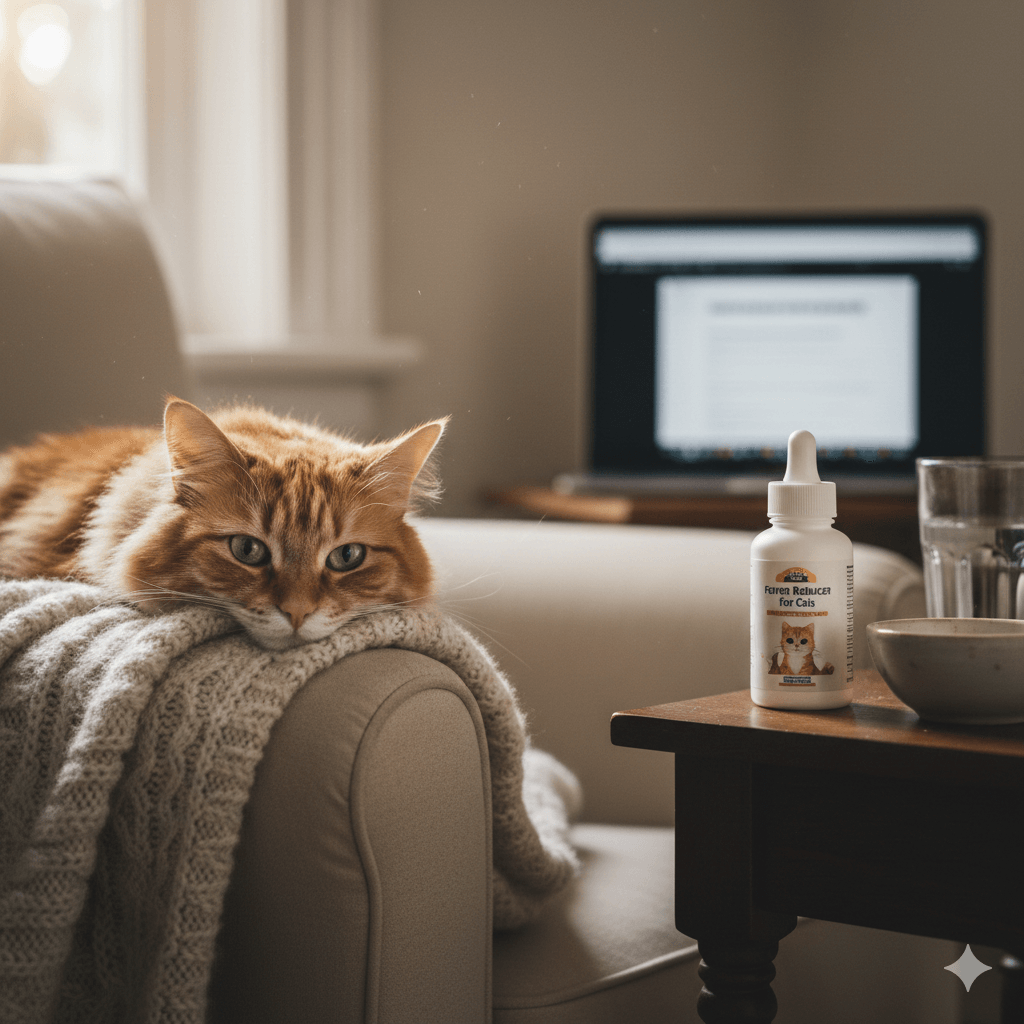
Safe Alternatives to Aspirin for Treating Fever in Cats
When your cat has a fever, there are safer ways to address their discomfort than administering aspirin. Veterinary-approved treatments and supportive care options ensure your cat feels better while addressing the root cause of the fever.
- Veterinary-Prescribed Medications:
Your vet may recommend medications like meloxicam or robenacoxib, which are specifically formulated for feline pain relief and inflammation reduction. These drugs are carefully dosed to avoid toxicity risks associated with human medications. - Hydration Support:
Fever often leads to dehydration, so ensuring your cat drinks enough water is critical. Encourage hydration by offering fresh water frequently or using subcutaneous fluids under veterinary guidance if necessary. - Cool Compresses:
Applying cool (not cold) compresses to areas like the paws or groin can help lower body temperature temporarily. Avoid ice packs, as extreme cold may stress your cat further. - Restful Environment:
Create a quiet, comfortable space where your cat can rest away from noise or disturbances. A calm environment supports recovery and reduces additional stress on their immune system. - Nutritious Food Options:
Offer easily digestible foods like boiled chicken or high-quality wet food to maintain energy levels during illness. Proper nutrition aids healing and strengthens your cat’s natural defenses against infection.
These alternatives provide effective ways to manage fever safely while minimizing risks to your cat’s health. Always consult your vet before trying any new treatment.
Check this guide 👉Is Aspirin Toxic to Cats: Best 7 Expert Tips!
Check this guide 👉Aspiration Pneumonia in Cats: Best 7 Expert Tips!
Check this guide 👉Medicine for Cat Fever: Best 7 Expert Tips!
Safe Options (Veterinary Guidance Required) | Unsafe Human Drugs for Cats |
|---|---|
Meloxicam (prescription only) | Aspirin |
Robenacoxib (prescription only) | Ibuprofen |
Subcutaneous Fluids (hydration support) | Acetaminophen (Tylenol) |
Prednisolone (anti-inflammatory) | Naproxen |
Antibiotics (for infections) | Caffeine-containing medications |
Common Causes of Fever in Cats
Fever, also known as pyrexia, occurs when a cat’s body temperature rises above normal due to various underlying issues. Identifying the cause of the fever helps determine appropriate treatment and prevents future occurrences.
- Infections:
Bacterial, viral, or fungal infections are common culprits behind fevers in cats. Conditions like feline infectious peritonitis (FIP), upper respiratory infections, or urinary tract infections trigger inflammatory responses that raise body temperature. - Immune-Mediated Diseases:
Autoimmune disorders like lupus or hemolytic anemia cause the immune system to attack healthy tissues, resulting in persistent fevers alongside other systemic symptoms. - Parasitic Infestations:
Ticks, fleas, or internal parasites like worms introduce pathogens into the bloodstream, triggering fever as the body attempts to fight off invaders. - Trauma or Injury:
Physical injuries, such as bite wounds, fractures, or surgical incisions, can lead to localized inflammation and subsequent fever as part of the healing process. - Cancerous Growth:
Certain cancers, particularly lymphoma, generate abnormal cell activity that raises body temperature. Persistent unexplained fevers warrant thorough diagnostic testing to rule out malignancies.
Understanding these causes allows you to partner with your vet in identifying and treating the source of your cat’s fever effectively.
How to Recognize a Fever in Cats
Detecting a fever early enables timely intervention and improves outcomes for your cat. While cats instinctively hide signs of illness, subtle behavioral changes often signal something is wrong.
- Elevated Body Temperature:
A rectal thermometer reading above 102.5°F (39.2°C) confirms a fever. Normal feline body temperature ranges between 100.4°F and 102.5°F (38°C–39.2°C). - Lethargy and Weakness:
Cats with fevers may become unusually inactive, spending more time sleeping or avoiding interaction with family members or toys. - Loss of Appetite:
Refusal to eat or drink is a hallmark sign of illness in cats. Dehydration exacerbates fever-related complications, making this symptom particularly concerning. - Shivering or Hiding Behavior:
Some cats shiver visibly or retreat to secluded areas as their body struggles to regulate temperature during fever episodes. - Rapid Breathing or Panting:
Increased respiratory effort compensates for elevated body temperature, though excessive panting could indicate worsening distress.
Recognizing these signs early empowers you to seek veterinary care promptly, improving your cat’s chances of recovery.
The Role of Veterinary Diagnosis in Fever Management
Determining the exact cause of your cat’s fever requires comprehensive veterinary evaluation. Accurate diagnosis ensures targeted treatment rather than relying on guesswork or unsafe home remedies.
- Physical Examination:
Your vet will assess vital signs, palpate the abdomen, check gum color, and evaluate overall demeanor to identify potential sources of fever. - Blood Tests and Urinalysis:
Complete blood counts and urinalysis detect infections, inflammation markers, or organ dysfunction contributing to fever development. - Imaging Techniques:
X-rays or ultrasounds visualize internal structures, helping diagnose conditions like pneumonia, abscesses, or tumors that might explain the fever. - Fecal Analysis:
Examining stool samples identifies parasites or bacterial overgrowth linked to gastrointestinal upsets and secondary fevers. - Specialized Testing:
Advanced diagnostics like PCR tests or biopsies may uncover rare diseases or chronic illnesses requiring long-term management strategies.
Thorough diagnostic workup provides peace of mind and ensures your cat receives tailored care based on their specific needs.
Preventing Fevers and Associated Health Risks
Prevention plays a key role in safeguarding your cat’s health and reducing the likelihood of fever-inducing conditions. Proactive measures create a healthier environment and minimize exposure to potential hazards.
- Regular Vaccinations:
Core vaccines protect against viral infections like feline herpesvirus, calicivirus, and panleukopenia, all of which can cause fevers. - Parasite Prevention:
Monthly flea, tick, and heartworm preventatives reduce the risk of vector-borne diseases that trigger fever and other complications. - Balanced Diet and Hydration:
A nutrient-rich diet bolsters immune function, while adequate hydration supports detoxification processes and temperature regulation. - Routine Vet Check-Ups:
Annual wellness exams catch underlying issues before they escalate into serious illnesses accompanied by fever. - Stress Reduction:
Minimizing environmental stressors through predictable routines and enrichment activities promotes overall well-being and resilience against disease.
Preventive care not only reduces fever risks but also enhances your cat’s quality of life, ensuring they remain happy and healthy for years to come.
Long-Term Care for Cats Recovering from Fever
Recovery from fever involves ongoing monitoring and supportive care to prevent relapse and address lingering effects. Patience and consistency are essential during this phase of healing.
- Follow-Up Appointments:
Regular vet visits ensure proper recovery and allow adjustments to treatment plans as needed. Blood work may confirm resolution of underlying issues. - Gradual Return to Normal Activity:
Encourage light play and movement once your cat regains strength, but avoid strenuous exercise until fully recovered. - Monitor Nutritional Intake:
Track food consumption and weight gain/loss closely; malnutrition delays recovery and weakens immune defenses. - Watch for Recurrence:
Keep an eye out for recurring fevers, as they may indicate unresolved infections or chronic conditions requiring specialized care. - Behavioral Observations:
Note changes in personality, appetite, or litter box habits, as these clues help detect complications early.
Long-term care fosters complete recovery and strengthens the bond between you and your feline companion, reinforcing trust and mutual well-being.
Frequently Asked Questions About Giving Aspirin to Cats
Can I give baby aspirin to my cat for a fever?
No—baby aspirin is still toxic to cats and should never be administered without veterinary approval due to the risk of severe side effects.
How much aspirin can harm a cat?
Even small doses, such as 81 mg (a baby aspirin), can cause toxicity in cats within hours, leading to life-threatening complications.
What are the signs of aspirin poisoning in cats?
Symptoms include vomiting (often with blood), lethargy, difficulty breathing, seizures, and gastrointestinal ulcers.
Is there any safe over-the-counter medication for cats?
No over-the-counter human medications are safe for cats; always consult your vet for approved treatments tailored to feline physiology.
How long does it take for aspirin toxicity to show in cats?
Signs may appear within hours or days, depending on the dose ingested, but delayed symptoms often worsen the prognosis if untreated.
Supporting Your Cat Through Illness with Knowledge and Care
Understanding the risks of aspirin and other human medications ensures you make informed decisions when caring for your cat during illness. While fever is a concerning symptom, seeking professional veterinary advice guarantees your pet receives safe, effective treatment without compromising their health. Remember, prevention and proactive care go a long way in keeping your feline companion happy and healthy. By prioritizing their well-being and staying vigilant, you strengthen the bond between you and your beloved cat—a testament to unconditional love and trust.

Can I Give My Cat Midol? Best 7 Expert Tips! – Learn the risks, symptoms, and safe alternatives to keep your cat healthy and avoid toxic reactions.

Can I Give My Dog Midol? Best 7 Expert Tips! – Discover the risks, safe alternatives, and expert advice to keep your dog safe from accidental poisoning.

Maximum Weight for Cats on Planes: Best 7 Expert Tips! – Learn airline policies, tips to stay compliant, and ensure safe travels for your feline friend.

Max Weight for Dogs on Planes: Best 7 Expert Tips! – Discover airline weight limits, safe travel tips, and solutions for flying with your dog stress-free.