
Can I Get Hookworms from My Dog? Understanding the Risks
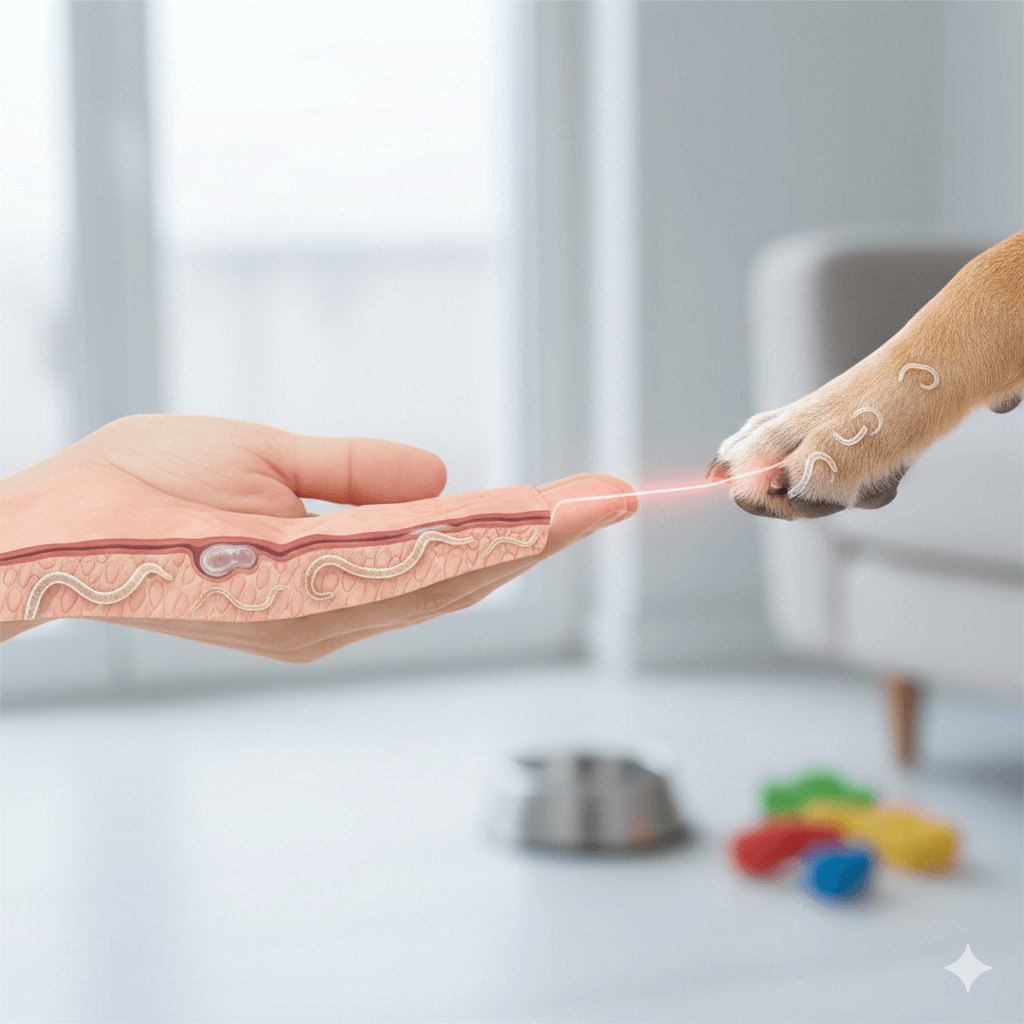
Hookworms are a common intestinal parasite in dogs, but many pet owners wonder if these tiny worms can also infect humans. While hookworms primarily affect dogs, certain species pose a zoonotic risk, meaning they can be transmitted from animals to people under specific conditions. Understanding how transmission occurs and what preventive measures to take is crucial for protecting both your furry friend and your family. By staying informed, you can minimize risks and ensure a healthier environment for everyone.
How Hookworms Infect Dogs and Humans
Hookworms are parasitic worms that primarily infect dogs but can also pose risks to humans under certain conditions. Understanding their life cycle and transmission pathways is key to preventing infections. These parasites thrive in warm, moist environments and are commonly found in contaminated soil, making outdoor exposure a significant risk factor for both pets and people.
- Life Cycle of Hookworms in Dogs:
Hookworm larvae enter a dog’s body through the skin or ingestion, often from contaminated soil. Once inside, they migrate to the intestines, where they mature into adults and lay eggs. These eggs are passed in feces, contaminating the environment and perpetuating the cycle. - Transmission to Humans:
Humans can contract hookworms by coming into contact with larvae-infested soil, typically through bare feet or hands. The larvae penetrate the skin, causing a condition known as cutaneous larva migrans, which manifests as itchy, red tracks on the skin. - Environmental Contamination Risks:
Areas frequented by infected dogs, such as backyards, parks, or kennels, are hotspots for hookworm larvae. Improper waste disposal increases contamination risks, emphasizing the importance of cleanliness. - Zoonotic Species of Hookworms:
Not all hookworm species are zoonotic, but Ancylostoma caninum and Ancylostoma braziliense are notable exceptions. These species can infect humans and cause varying degrees of illness depending on exposure levels. - Prevalence in Different Regions:
Hookworm infections are more common in tropical and subtropical climates due to favorable conditions for larvae survival. However, cases occur worldwide, making awareness essential regardless of location.
Understanding these mechanisms helps pet owners take proactive steps to minimize risks for themselves and their dogs.
Symptoms of Hookworm Infection in Dogs
Hookworms wreak havoc on a dog’s health by feeding on blood in the intestines, leading to anemia, weakness, and other symptoms. Recognizing these signs is crucial for early detection and treatment.
- Blood Loss and Anemia:
Hookworms attach to the intestinal lining, causing internal bleeding. Puppies and small dogs are particularly vulnerable, as even minor blood loss can lead to severe anemia. - Diarrhea and Bloody Stools:
Infected dogs often experience diarrhea, sometimes with visible blood. This symptom reflects intestinal damage caused by the parasites’ feeding activity. - Weight Loss and Poor Coat Condition:
Chronic hookworm infections result in malnutrition, weight loss, and a dull, brittle coat due to nutrient depletion and overall poor health. - Lethargy and Weakness:
Dogs may appear unusually tired or unwilling to engage in physical activities. This lethargy stems from anemia and the general strain of parasitic infection. - Pale Gums and Mucous Membranes:
Pale gums indicate reduced red blood cell counts, a hallmark of hookworm-induced anemia. Regularly checking gum color helps monitor your dog’s health.
Early veterinary intervention is critical to addressing these symptoms and preventing long-term complications.
Check this guide 👉Hookworms in Dog Poop: Best 7 Expert Tips!
Check this guide 👉Can Worms Cause Blood in Dog Stool? Best 7 Expert Tips!
Check this guide 👉Can Dog Food Cause Worms? Best 7 Expert Tips!
Symptoms and Risks in Dogs | Symptoms and Risks in Humans |
|---|---|
Anemia due to blood loss | Itchy skin rashes (cutaneous larva migrans) |
Diarrhea, often with blood | Rare intestinal infections (eosinophilic enteritis) |
Weight loss and lethargy | Potential respiratory issues if larvae migrate |
Pale gums and weakness | Increased risk for children playing outdoors |
Common in puppies and outdoor dogs | Higher risk in tropical/subtropical climates |
How Humans Can Contract Hookworms
While hookworms primarily target dogs, humans are not immune to their effects. Certain behaviors and environmental factors increase the likelihood of human infection.
- Skin Penetration by Larvae:
The most common mode of transmission occurs when larvae in contaminated soil penetrate bare skin. Activities like gardening or walking barefoot heighten exposure risks. - Ingestion of Contaminated Soil:
Accidental ingestion of soil containing hookworm eggs or larvae can occur, especially in children who play outdoors and put their hands in their mouths. - Proximity to Infected Animals:
Living with an infected dog increases the chances of environmental contamination, indirectly raising human infection risks. - Poor Hygiene Practices:
Failing to wash hands after handling soil, pet waste, or infected animals facilitates parasite spread. Good hygiene is a simple yet effective preventive measure. - Weakened Immune Systems:
Individuals with compromised immune systems are more susceptible to hookworm infections and may experience more severe symptoms.
Awareness of these transmission routes empowers you to take preventive action and safeguard your health.
Preventing Hookworm Infections in Dogs
Prevention is the best defense against hookworms in dogs, protecting both pets and their human companions. A combination of regular care and environmental management minimizes risks effectively.
- Routine Deworming Treatments:
Veterinarians recommend deworming puppies as young as two weeks old and administering monthly preventatives to adult dogs. These treatments eliminate existing infections and prevent new ones. - Proper Waste Disposal:
Promptly cleaning up dog feces prevents hookworm eggs from contaminating the soil. Use gloves and dispose of waste in sealed bags. - Regular Veterinary Check-Ups:
Fecal exams during routine vet visits detect hookworm eggs early, allowing for timely treatment before symptoms worsen. - Avoiding Contaminated Areas:
Keep dogs away from areas known to harbor hookworm larvae, such as unsanitary dog parks or communal sandboxes. - Maintaining Clean Living Spaces:
Regularly disinfect kennels, bedding, and outdoor spaces to reduce contamination risks and promote a healthier environment.
Consistent preventive measures ensure your dog remains parasite-free and reduces zoonotic risks.
Treating Hookworm Infections in Dogs
Effective treatment options are available for dogs diagnosed with hookworm infections. Timely intervention restores health and prevents further complications.
- Anthelmintic Medications:
Drugs like fenbendazole, pyrantel pamoate, and milbemycin oxime kill adult hookworms and larvae in the intestines. These medications are safe and widely prescribed by veterinarians. - Iron Supplements for Anemia:
Severe anemia caused by blood loss may require iron supplements or, in extreme cases, blood transfusions to stabilize the dog’s condition. - Supportive Care:
Hydration therapy and nutritional support aid recovery, especially in malnourished or severely affected dogs. - Follow-Up Fecal Exams:
Rechecking fecal samples ensures all parasites have been eradicated and no reinfection has occurred. - Environmental Decontamination:
Treating the dog alone isn’t enough; thoroughly cleaning living areas removes residual larvae and prevents reinfection.
Comprehensive treatment addresses both the infection and its effects, ensuring a full recovery.
Protecting Yourself and Your Family from Hookworms
Preventing hookworm infections in humans requires vigilance and good hygiene practices. By adopting specific habits, you can significantly reduce the risk of exposure.
- Wearing Shoes Outdoors:
Always wear shoes when walking in areas where dogs defecate, such as parks or backyards, to prevent larvae from penetrating bare skin. - Handwashing After Outdoor Activities:
Thoroughly wash hands with soap and water after gardening, playing outside, or handling pets to remove potential contaminants. - Teaching Children Safe Practices:
Educate kids about the importance of avoiding soil ingestion and washing hands after outdoor play to minimize risks. - Regular Pet Health Maintenance:
Keeping your dog free of hookworms indirectly protects your family by reducing environmental contamination. - Disinfecting Contaminated Areas:
If hookworms are suspected in your yard, use pet-safe disinfectants or consult professionals to sanitize the area effectively.
These steps create a safer environment for everyone, minimizing the chances of hookworm transmission.
Long-Term Management for Hookworm-Free Living
Managing hookworm risks involves ongoing effort and collaboration between pet owners and veterinarians. Consistency and education are key to maintaining a parasite-free household.
- Monthly Preventative Medications:
Administering heartworm and flea preventatives that include hookworm coverage ensures continuous protection year-round. - Annual Veterinary Screenings:
Regular fecal exams during annual check-ups catch infections early, preventing outbreaks and safeguarding your dog’s health. - Community Awareness Campaigns:
Promoting responsible pet ownership within your community reduces environmental contamination and fosters collective safety. - Monitoring High-Risk Environments:
Pay special attention to shared spaces like dog parks, where proper waste disposal and cleanliness are essential for preventing parasite spread. - Staying Informed About Zoonotic Risks:
Educating yourself about zoonotic diseases empowers you to make informed decisions and take proactive measures to protect your family.
With dedication and teamwork, hookworm infections can be effectively managed, ensuring a healthier future for both pets and people.
“Zoonotic hookworms are parasites that normally live in animals like dogs or cats. However, they can spread to humans through the skin.”
— Centers for Disease Control and Prevention (CDC)
Frequently Asked Questions About Hookworms
Can I get hookworms from petting my dog?
No, hookworms are not transmitted through direct contact like petting. However, touching contaminated soil or feces and then touching your mouth or skin can lead to infection.
How do I know if my dog has hookworms?
Signs include diarrhea (sometimes bloody), weight loss, pale gums, lethargy, and poor coat condition. A fecal exam by your veterinarian confirms the diagnosis.
Are hookworms dangerous for humans?
In most cases, hookworm infections in humans cause mild symptoms like itchy rashes. However, severe cases involving internal organs can occur but are rare with proper medical care.
How can I prevent hookworms in my yard?
Regularly clean up pet waste, disinfect areas where pets defecate, and avoid walking barefoot in potentially contaminated areas.
What should I do if I suspect a hookworm infection?
For humans, consult a doctor for diagnosis and treatment. For dogs, schedule a vet visit immediately for deworming medication and supportive care.
Safeguarding Your Family and Furry Friends
Hookworms may seem daunting, but understanding their risks and taking proactive steps ensures the safety of both your dog and your household. By maintaining regular veterinary care, practicing good hygiene, and staying vigilant about environmental cleanliness, you create a protective barrier against these parasites. Remember, prevention is always easier than treating an established infection—so prioritize routine check-ups, monthly preventatives, and education for everyone in your home. Together, you and your dog can enjoy a healthy, worry-free life.

Is Rawhide Bad for Cats? Best 7 Expert Tips! – Discover the risks, safe alternatives, and expert advice to keep your feline friend healthy and happy.

Is Rawhide Bad for Dogs? Best 7 Expert Tips! – Discover the risks, benefits, and safer alternatives to rawhides for your dog’s chewing needs.

Understanding Anorexia in Cats: Best 7 Expert Tips! – Learn why cats stop eating, spot warning signs, and discover how to help your feline regain appetite safely.

Understanding Anorexia in Dogs: Best 7 Expert Tips! – Learn causes, symptoms, and solutions to help your dog regain appetite and stay healthy.