
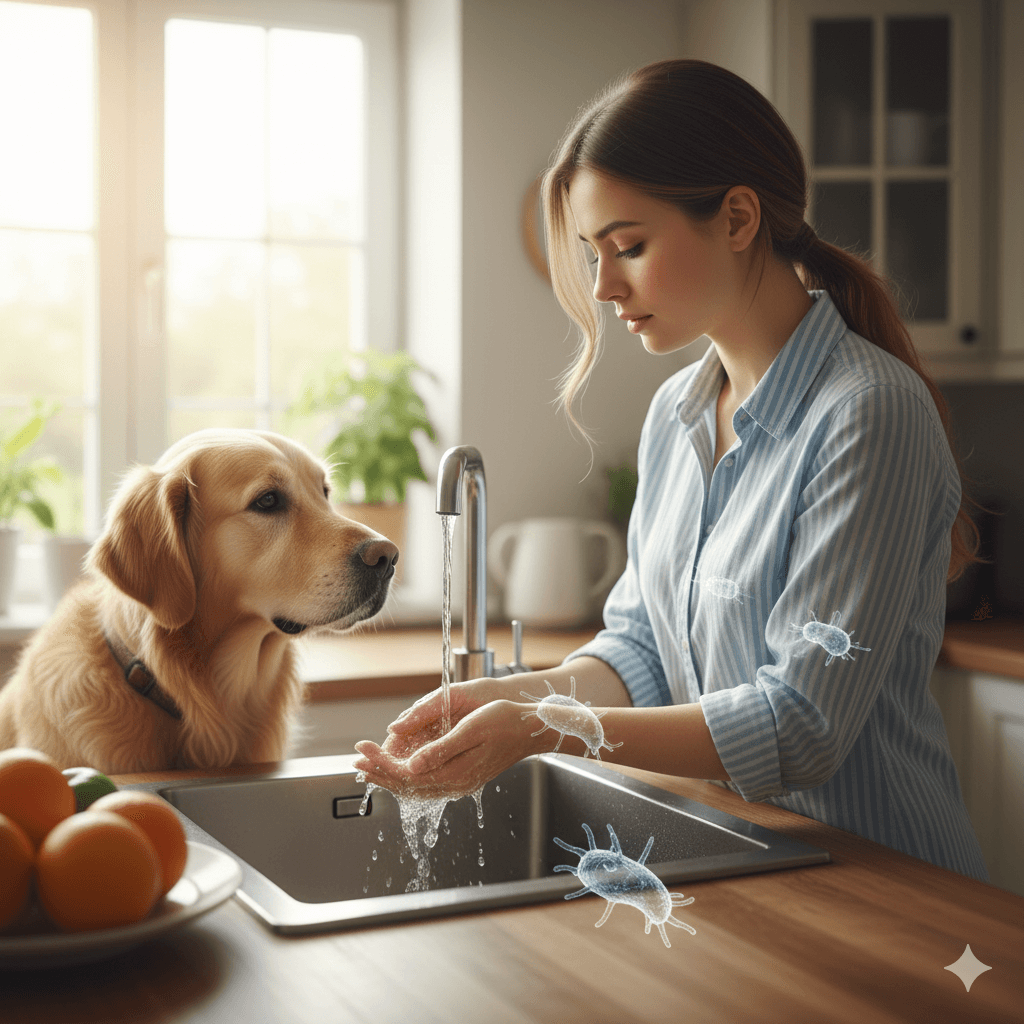

Can I Get Coccidia from My Dog?
If your dog has been diagnosed with coccidia, you may worry about your own health—or your family’s. The good news is that the most common type of coccidia found in dogs (Isospora) is not transmissible to humans. While coccidia infections can cause uncomfortable gastrointestinal symptoms in pets, they typically pose no direct risk to people. However, rare forms like Cryptosporidium—sometimes grouped under “coccidia-like” parasites—can cross species. Understanding the difference helps you protect both your dog and your household with confidence and calm.
Common Types of Coccidia in Dogs
Coccidia refers to a group of microscopic intestinal parasites, but not all species behave the same. In dogs, specific types are far more prevalent—and far less concerning for humans—than others. Knowing which kind your dog has clarifies the actual risk level:
- Isospora spp.:
This is the most frequent cause of coccidiosis in dogs, especially puppies. It spreads through feces but is species-specific and cannot infect humans. - Cryptosporidium spp.:
Less common in dogs, this parasite can infect humans, particularly those with weakened immune systems. It’s more often linked to contaminated water than direct pet contact. - Toxoplasma gondii:
Technically an apicomplexan protozoan like coccidia, this parasite is primarily associated with cats—not dogs—and is a known zoonotic concern. - Eimeria spp.:
Found in livestock and birds, this form does not infect dogs or humans and is irrelevant in canine cases. - Sarcocystis spp.:
Rare in domestic dogs and typically acquired from eating infected raw meat; not considered a human transmission risk from pet dogs.
Most canine coccidia cases involve Isospora, meaning your risk of catching it is essentially zero—offering great relief to concerned pet parents.
How Coccidia Spreads Among Dogs
Understanding how dogs contract coccidia helps you prevent reinfection or spread to other pets in your home. The parasite thrives in warm, moist environments and spreads primarily through ingestion of contaminated material:
- Ingesting Oocysts from Feces:
Dogs become infected by swallowing coccidia eggs (oocysts) found in contaminated soil, grass, or surfaces where infected feces have been deposited. - Mother-to-Puppy Transmission:
Puppies often acquire coccidia from their mother, either through nursing or contact with her feces—even if she shows no symptoms. - Crowded or Unsanitary Conditions:
Shelters, breeding facilities, or homes with poor hygiene increase exposure risk due to higher concentrations of oocysts. - Grooming or Licking Contaminated Fur:
Dogs may ingest oocysts while cleaning their paws or coat after walking through contaminated areas. - Rodent or Insect Vectors (Rare):
Some evidence suggests insects like flies or cockroaches can mechanically carry oocysts, though this is not a primary route.
Prevention focuses on cleanliness, prompt feces removal, and avoiding high-risk environments—especially for young or immune-compromised dogs.
Check this guide 👉Is Dog Herpes Contagious to Humans? Best 7 Expert Tips!
Check this guide 👉Are Dog Ear Infections Contagious? Best 7 Expert Tips!
Check this guide 👉Are Dog Worms Contagious to Other Dogs? Best 7 Tips!
Human Risk Level | Key Prevention Practices for Dog Owners |
|---|---|
Very low (for Isospora) | Scoop feces daily from yard or litter area |
Low (for Cryptosporidium) | Wash hands thoroughly after handling dog waste |
Minimal with hygiene | Disinfect kennels, bedding, and food bowls regularly |
Negligible in healthy adults | Keep dogs away from standing water or wildlife feces |
Higher for immunocompromised | Wear gloves when cleaning up after your dog |
Symptoms of Coccidia in Dogs
While humans aren’t at risk from typical canine coccidia, your dog may suffer noticeable—and sometimes severe—gastrointestinal distress. Symptoms are most common in puppies, stressed dogs, or those with weak immune systems:
- Watery or Mucoid Diarrhea:
Often the first and most consistent sign; may become bloody in severe infections. - Lethargy and Weakness:
Affected dogs may seem sluggish, sleep more, or lose interest in play or walks. - Dehydration:
Frequent diarrhea leads to fluid loss, seen as dry gums, sunken eyes, or skin that tents when pinched. - Weight Loss or Stunted Growth:
Puppies with chronic coccidia may fail to gain weight or develop properly. - Vomiting (Less Common):
Some dogs vomit, especially if the infection is severe or combined with other parasites.
If your dog shows these signs—especially persistent diarrhea—prompt veterinary care is essential to prevent complications.
Diagnosis and Treatment Options
Coccidia isn’t always obvious, and symptoms can mimic other intestinal issues. A vet will use specific tests to confirm the diagnosis and recommend an appropriate treatment plan:
- Fecal Floatation Test:
The standard method to detect coccidia oocysts in a stool sample, though multiple tests may be needed due to intermittent shedding. - Prescription Antiprotozoal Medication:
Sulfadimethoxine (Albon) is the most common treatment; it doesn’t kill the parasite but stops replication so the immune system can clear it. - Supportive Care for Dehydration:
In severe cases, subcutaneous or IV fluids may be needed to restore electrolyte balance. - Environmental Decontamination:
Steam cleaning or ammonia-based disinfectants can help reduce oocyst load in living areas (note: oocysts are highly resistant to many cleaners). - Follow-Up Testing:
A repeat fecal exam 1–2 weeks after treatment ensures the infection is fully resolved, especially in puppies or recurrent cases.
Treatment is usually effective, but recovery can take 1–2 weeks—patience and cleanliness are key during this time.
Can Other Pets in the House Get Infected?
While you likely won’t get coccidia from your dog, other dogs in the household absolutely can—especially if they share outdoor space or living areas. Cross-species transmission to cats or other animals is generally not a concern:
- Other Dogs Are at Risk:
Isospora is highly contagious among dogs via shared environments, so isolate the infected dog’s waste and clean thoroughly. - Cats Are Not Affected by Canine Isospora:
Cats have their own species of coccidia (e.g., Isospora felis), which doesn’t infect dogs or humans. - New or Young Pets Are Most Vulnerable:
Puppies, senior dogs, or those with health issues are more likely to develop symptoms upon exposure. - Outdoor Access Increases Spread Risk:
If multiple dogs use the same yard, oocysts can persist in soil for weeks—prompt waste removal is critical. - Quarantine Isn’t Usually Needed, But Hygiene Is:
You don’t need to separate dogs indoors, but avoid shared water bowls and clean common areas daily during treatment.
Protecting your other pets means acting quickly, cleaning diligently, and monitoring for symptoms in all dogs.
Special Considerations for High-Risk Households
While the average person has almost no risk of catching coccidia from a dog, certain individuals should take extra precautions—especially if Cryptosporidium is suspected or confirmed:
- Immunocompromised Individuals:
People with HIV/AIDS, undergoing chemotherapy, or on immunosuppressive drugs should avoid handling dog feces directly. - Pregnant Women:
Though Isospora isn’t a threat, general parasite hygiene is wise; delegate poop cleanup if possible. - Young Children:
Kids may touch contaminated surfaces and put hands in their mouths—emphasize handwashing and supervise outdoor play. - Households with Water Sources at Risk:
If your dog has access to wells or untreated water, test for Cryptosporidium, which can contaminate water supplies. - Multi-Pet or Rescue Homes:
These settings require strict sanitation protocols to prevent outbreaks among vulnerable animals.
When in doubt, consult both your veterinarian and your physician for tailored advice based on your household’s health profile.
“Because humans are not susceptible to Cystoisospora infections in dogs, canine coccidia are not considered zoonotic agents.”
— Companion Animal Parasite Council (CAPC)
Frequently Asked Questions About Coccidia and Human Risk
Can I get coccidia from petting my infected dog?
No—coccidia oocysts are shed in feces, not on fur. As long as you wash your hands after handling your dog (especially before eating), risk is virtually nonexistent.
How long do coccidia oocysts survive in the environment?
They can remain infectious in soil or grass for weeks to months, especially in warm, moist conditions—prompt feces removal is crucial.
Is coccidia the same as giardia?
No—both are intestinal parasites that cause diarrhea, but they’re biologically different. Giardia has a higher (though still low) zoonotic potential than Isospora.
Can my dog get coccidia again after treatment?
Yes—reinfection is possible if exposed to contaminated environments, which is why hygiene and follow-up care matter.
Should I disinfect my home if my dog has coccidia?
Focus on areas where feces may have contaminated surfaces. Most household cleaners won’t kill oocysts—steam cleaning or diluted ammonia (with ventilation) works better.
Keeping Your Family and Furry Friends Safe
The short answer to “Can I get coccidia from my dog?” is almost always no—and that’s a huge relief for loving pet owners. The type of coccidia most dogs carry simply doesn’t infect humans, allowing you to care for your sick pup without fear. That said, good hygiene isn’t just about zoonotic risk—it’s about overall health for everyone in your household. By cleaning up waste promptly, washing hands, and treating your dog’s infection thoroughly, you protect your entire family while giving your loyal companion the care they deserve. In the end, this moment of concern can become an opportunity to strengthen your bond—and your home’s health habits—for the long term.
Is Rawhide Bad for Cats? Best 7 Expert Tips! – Discover the risks, safe alternatives, and expert advice to keep your feline friend healthy and happy.

Is Rawhide Bad for Dogs? Best 7 Expert Tips! – Discover the risks, benefits, and safer alternatives to rawhides for your dog’s chewing needs.

Understanding Anorexia in Cats: Best 7 Expert Tips! – Learn why cats stop eating, spot warning signs, and discover how to help your feline regain appetite safely.

Understanding Anorexia in Dogs: Best 7 Expert Tips! – Learn causes, symptoms, and solutions to help your dog regain appetite and stay healthy.