
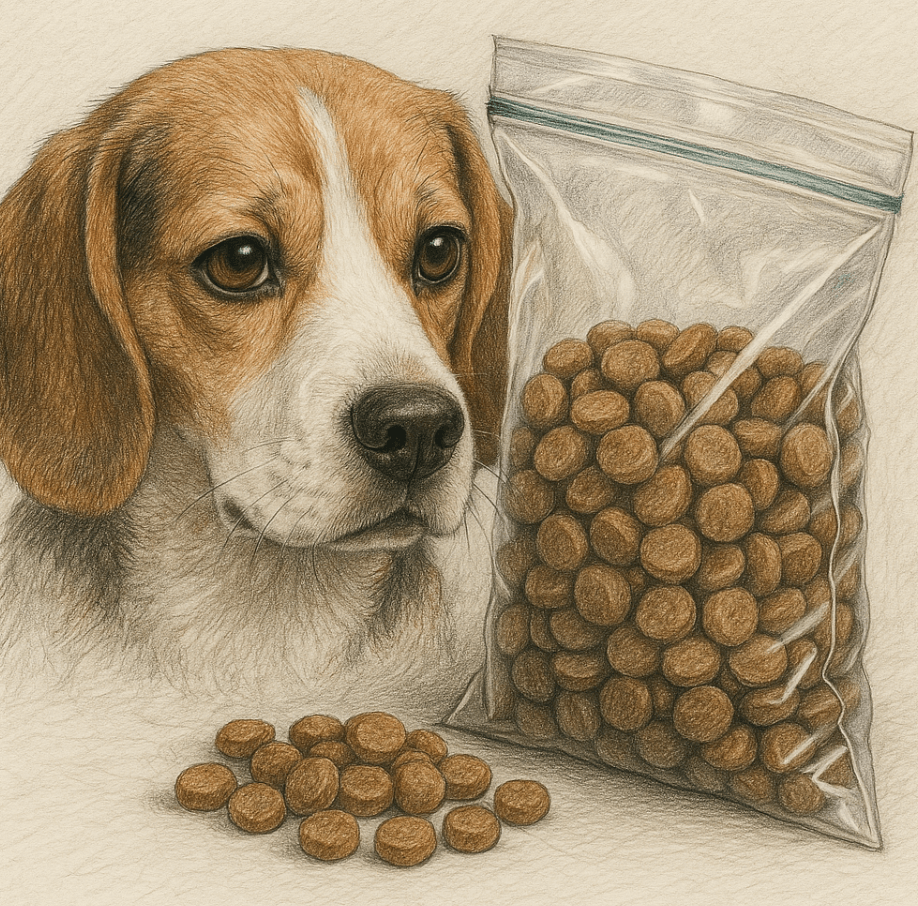

Can I Bring Dog Food into Canada?
Traveling with your furry companion often raises questions about how to ensure their dietary needs are met, especially when crossing international borders. One common concern is whether you can bring dog food into Canada. While it’s possible to bring pet food across the border, there are specific regulations and guidelines that travelers must follow to comply with Canadian laws. These rules are designed to protect the country’s agriculture, wildlife, and public health. In this blog post, we’ll explore everything you need to know about bringing dog food into Canada, including restrictions, documentation requirements, and tips for a smooth entry process.
Key Regulations for Bringing Dog Food into Canada
Before packing your dog’s favorite kibble or treats, it’s essential to understand the rules set by the Canadian Food Inspection Agency (CFIA) and other relevant authorities. Failure to comply with these regulations could result in confiscation of the food or even fines.
Commercially Packaged Food Only:
Canada allows only commercially packaged dog food that is clearly labeled and sealed. Homemade or unsealed food is generally prohibited.No Meat Products from Restricted Countries:
Dog food containing meat or animal by-products from certain countries may be banned due to disease risks like foot-and-mouth disease.Labeling Requirements:
The packaging must include detailed information about the ingredients, manufacturer, and country of origin. This helps officials verify compliance.Declaration Upon Entry:
Travelers must declare all food items, including dog food, upon arrival in Canada. Failing to do so can lead to penalties.Inspection and Approval:
Border agents have the authority to inspect your dog food. If it doesn’t meet the criteria, it may be confiscated or destroyed.
Understanding these regulations ensures you’re prepared and can avoid unnecessary complications at the border.
Permitted and Prohibited Types of Dog Food
Not all types of dog food are treated equally when entering Canada. Knowing what’s allowed and what’s not can save you time and hassle during your trip.
Dry Kibble:
Most dry dog food brands are permitted as long as they are commercially packaged and meet labeling standards.Canned Food:
Canned dog food is generally allowed, provided it complies with ingredient and labeling requirements.Raw or Frozen Food:
Raw or frozen dog food containing meat is heavily restricted and often prohibited due to biosecurity concerns.Treats and Chews:
Many dog treats are allowed, but those made from animal parts (e.g., rawhide or bones) may face stricter scrutiny.Homemade or Unsealed Food:
Homemade meals or opened packages of dog food are not permitted under any circumstances.
By sticking to approved options, you can ensure your dog’s food meets Canadian import standards without issue.
Check this guide 👉Can I Bring My Dog to Hawaii? Best 7 Expert Tips!
Check this guide 👉Can I Bring My Dog to Mexico? Best 7 Expert Tips!
Permitted Dog Food Items | Prohibited Dog Food Items |
|---|---|
Dry kibble (commercially packaged) | Raw or frozen meat-based food |
Canned food (with proper labeling) | Homemade or unsealed food |
Commercially produced treats | Animal by-products from restricted zones |
Grain-free commercial formulas | Opened or repackaged food containers |
Vegan or plant-based dog food | Bones, rawhide, or similar chews |
How to Prepare for Bringing Dog Food Across the Border
Proper preparation is key to ensuring your dog’s food is accepted without issues when entering Canada. Follow these steps to make the process as seamless as possible.
Check Ingredient Lists:
Review the ingredients on your dog food packaging to ensure no restricted components are present.Carry Proof of Purchase:
Keep receipts or invoices for your dog food in case border officials request additional verification.Pack in Checked Luggage (if Flying):
If traveling by air, pack dog food in checked luggage rather than carry-on to simplify inspections.Bring Documentation:
Carry any necessary permits or certificates if required for specific types of dog food.Limit Quantity:
Only bring enough food for the duration of your stay to avoid excess that might raise concerns.
By preparing thoroughly, you can minimize delays and ensure your dog’s dietary needs are met while traveling.
What Happens If Your Dog Food Is Not Allowed?
If your dog food doesn’t meet Canadian regulations, border officials have several options for handling the situation. Understanding these outcomes can help you plan accordingly.
Confiscation of the Item:
Non-compliant dog food will likely be seized and disposed of by authorities.Fines or Penalties:
Attempting to bring prohibited items without declaring them can result in fines or legal consequences.Alternative Options:
You may be directed to purchase approved dog food within Canada instead of bringing your own.Quarantine Risks:
In rare cases, failing to comply with food regulations could impact your pet’s quarantine status.Educational Guidance:
Officials may provide information on how to comply with regulations for future trips.
Being aware of these possibilities underscores the importance of adhering to Canadian import rules.
Tips for Buying Dog Food in Canada
If bringing dog food across the border seems too complicated, purchasing it in Canada is a convenient alternative. Here are some tips to help you find the right food for your pet.
Research Local Brands:
Look up popular Canadian dog food brands before your trip to identify trusted options.Visit Pet Stores Near Your Destination:
Major cities have plenty of pet supply stores offering a wide variety of foods and treats.Check Store Policies Online:
Some stores allow online ordering with delivery to your accommodation, saving you shopping time.Ask for Recommendations:
Hotel staff or locals can suggest reliable places to buy high-quality dog food.Stick to Familiar Formulas:
Opt for brands or formulas similar to what your dog eats at home to avoid digestive upset.
Buying locally ensures your dog has access to safe and suitable food throughout your stay.
Common Mistakes to Avoid When Bringing Dog Food
Even well-meaning travelers can make mistakes when trying to bring dog food into Canada. Avoid these common errors to prevent complications.
Bringing Unapproved Ingredients:
Ignoring ingredient restrictions can lead to confiscation or fines. Always double-check the list.Failing to Declare Items:
Skipping the declaration step is a surefire way to attract unwanted attention from border officials.Assuming All Brands Are Allowed:
Just because a brand is popular doesn’t mean it complies with Canadian regulations. Verify beforehand.Overpacking Food Supplies:
Carrying excessive amounts of dog food can raise suspicions and delay your entry process.Not Checking Updates to Rules:
Import regulations can change, so always review the latest guidelines before traveling.
Avoiding these pitfalls ensures a smoother border-crossing experience.
How to Handle Special Dietary Needs for Your Dog
If your dog has specific dietary requirements, extra care is needed to ensure their needs are met while traveling to Canada.
Consult Your Vet Before Traveling:
Discuss your dog’s dietary needs with your veterinarian and get recommendations for suitable alternatives.Carry a Medical Certificate:
If your dog requires prescription-based food, carry a signed letter from your vet explaining the necessity.Look for Specialty Stores:
Many Canadian cities have specialty pet stores catering to dogs with allergies or sensitivities.Consider Preparing Meals Locally:
If feasible, prepare homemade meals using approved ingredients once you arrive in Canada.Plan Ahead for Long Stays:
For extended visits, arrange shipments of approved food from trusted suppliers to your destination.
With proper planning, you can accommodate your dog’s unique dietary needs without compromising their health or safety.
Frequently Asked Questions About Bringing Dog Food into Canada
Do I need a permit to bring dog food into Canada?
Most commercially packaged dog food does not require a permit, but some specialty items may need additional documentation.
Can I bring raw dog food across the border?
Generally, no. Raw dog food poses biosecurity risks and is typically prohibited.
What happens if I forget to declare dog food?
Undeclared items can lead to confiscation, fines, or other penalties. Always declare all food products.
Are there exceptions for service dogs?
Service dogs may have special allowances, but their food must still comply with CFIA regulations.
Where can I find more information?
Detailed guidelines are available through the Canadian Food Inspection Agency (CFIA).
Ensuring a Smooth Experience When Bringing Dog Food into Canada
Bringing dog food into Canada requires careful planning and adherence to strict regulations. By understanding the rules, preparing your food properly, and declaring all items upon entry, you can ensure a hassle-free experience for both you and your pet. Remember, these measures are in place to protect Canada’s environment and public health, so compliance benefits everyone. With the right knowledge and preparation, you can focus on enjoying your trip while keeping your furry friend happy and well-fed.
Can I Give My Cat Midol? Best 7 Expert Tips! – Learn the risks, symptoms, and safe alternatives to keep your cat healthy and avoid toxic reactions.
Can I Give My Dog Midol? Best 7 Expert Tips! – Discover the risks, safe alternatives, and expert advice to keep your dog safe from accidental poisoning.
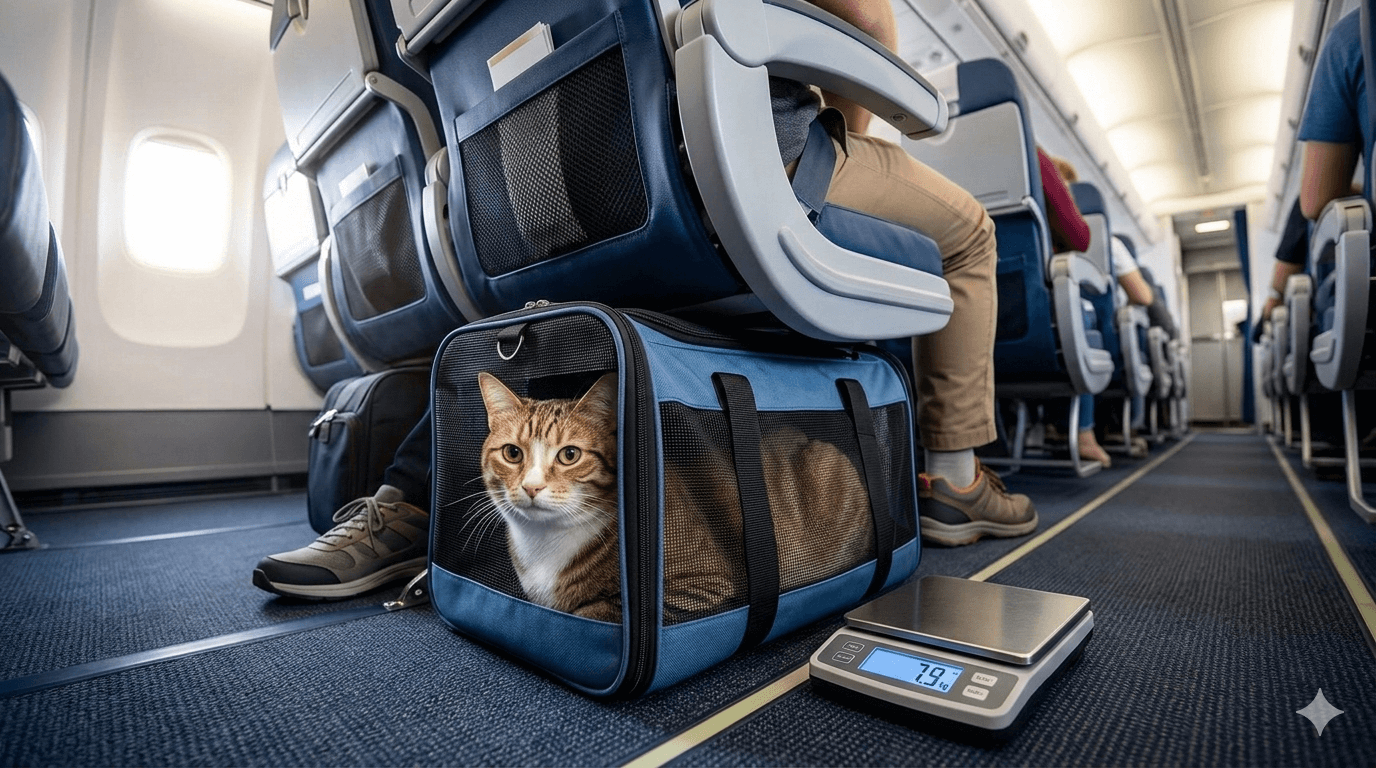
Maximum Weight for Cats on Planes: Best 7 Expert Tips! – Learn airline policies, tips to stay compliant, and ensure safe travels for your feline friend.
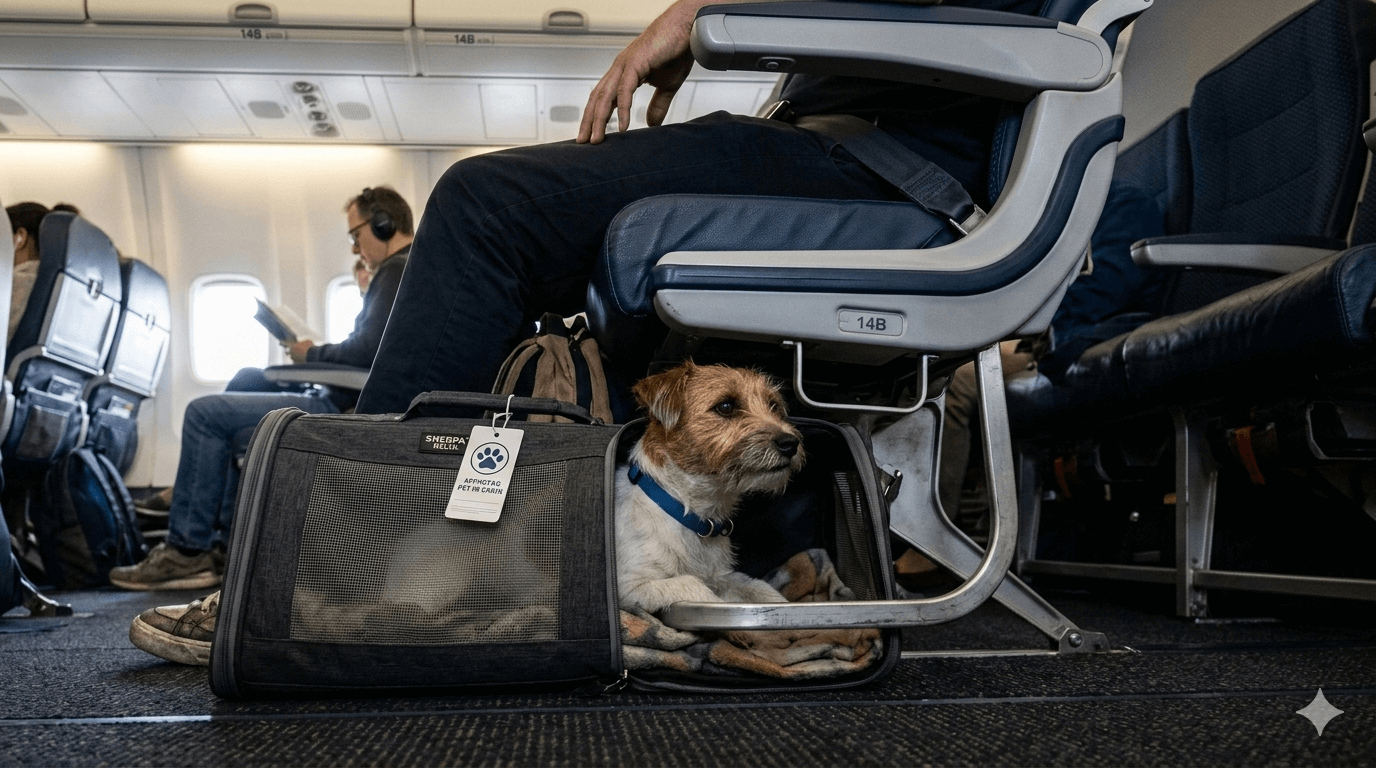
Max Weight for Dogs on Planes: Best 7 Expert Tips! – Discover airline weight limits, safe travel tips, and solutions for flying with your dog stress-free.