

Can Humans Eat Cat Food? Best 7 Expert Tips!
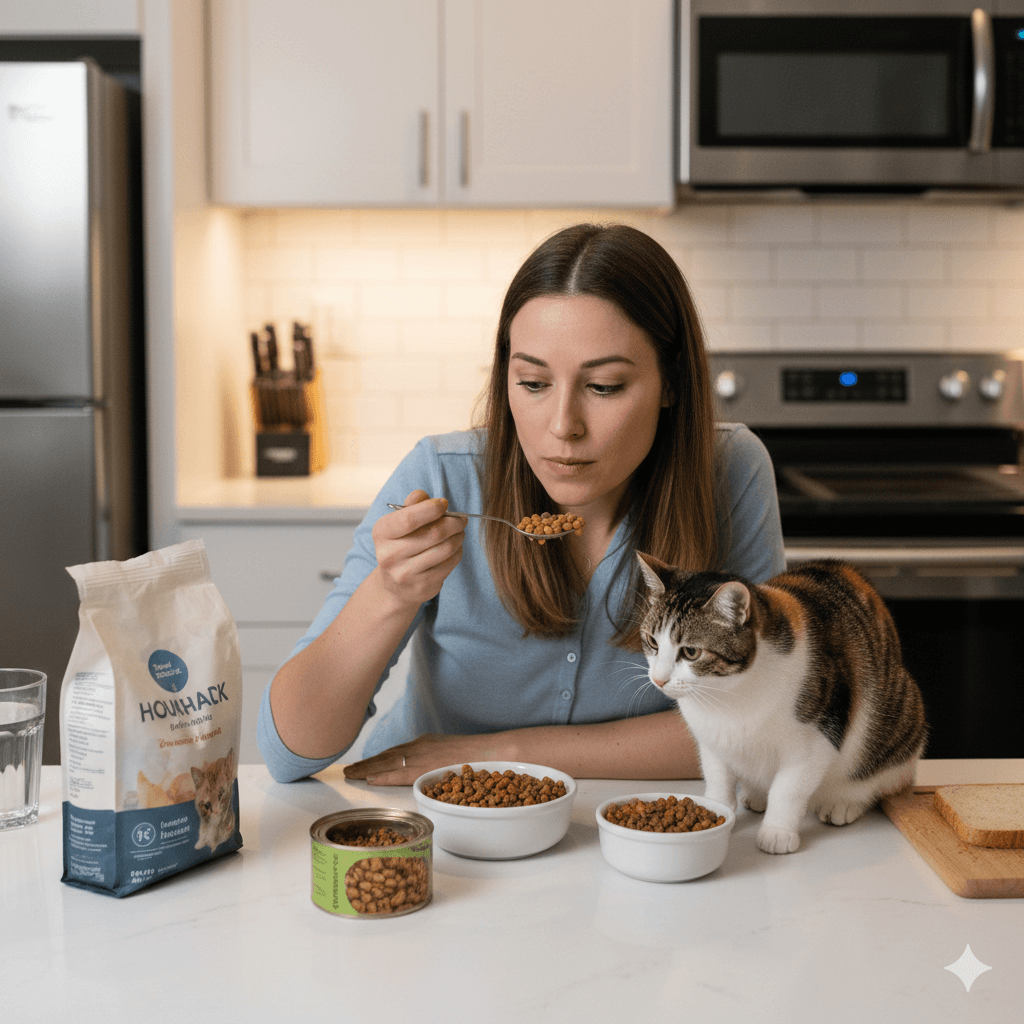
Curious whether cat food is safe for human consumption? While it might seem harmless in a pinch, the truth involves important nutritional, safety, and health considerations. Cat food is formulated specifically for feline biology—not human needs—and contains ingredients, additives, and nutrient balances that may not suit people. Though a tiny accidental bite likely won’t cause harm, regularly eating cat food can pose risks. Let’s explore what you need to know before opening that can or bag for yourself.
Key Differences Between Human and Feline Nutrition
Cats and humans have vastly different dietary requirements, which is why pet food isn’t designed for people. Understanding these biological distinctions helps clarify why cat food shouldn’t become a human meal substitute—even in emergencies:
- Taurine Overload:
Cat food contains high levels of taurine, an essential amino acid for felines but unnecessary in excess for humans, potentially disrupting metabolic balance. - Vitamin A Toxicity Risk:
Feline diets are enriched with preformed vitamin A (retinol), which can accumulate to toxic levels in humans if consumed repeatedly. - Protein and Fat Ratios:
Cat food is extremely high in animal protein and fat—far beyond typical human dietary recommendations—posing risks for heart or liver health over time. - Lack of Human-Safe Carbohydrates:
Humans rely on complex carbs for energy, but cat food minimizes them, leading to nutritional gaps if used as a food source. - Additives and Preservatives:
Ingredients like ethoxyquin or BHA/BHT, approved for pets but restricted in human food, may appear in cat formulas without human safety testing.
While occasional tiny exposure is unlikely to cause immediate harm, these nutritional mismatches make cat food unsuitable—and potentially unsafe—for regular human consumption.
When Humans Might Consider Eating Cat Food (And Why It’s Still a Bad Idea)
In rare scenarios—like survival situations or extreme food scarcity—someone might wonder if cat food is a viable option. However, even then, the drawbacks outweigh any short-term caloric benefit:
- Emergency “Last Resort” Thinking:
Some assume pet food is sterile and shelf-stable, but it’s not regulated for human pathogens like Salmonella or Listeria. - Psychological Curiosity or Pranks:
Trying cat food “just to see” ignores contamination risks from pet bowls, storage, or processing environments not held to human standards. - Misguided Budget Meal Replacement:
Though seemingly cheap, using cat food to stretch groceries risks malnutrition and long-term health issues—defeating the purpose of saving money. - Confusion with “Human-Grade” Pet Foods:
Even premium “human-grade” labeled pet foods are formulated for animals, not balanced for human dietary guidelines. - Feeding During Illness or Nausea:
Some believe bland cat food might soothe a human stomach, but safer, appropriate alternatives (like broth or crackers) exist without risk.
No legitimate scenario justifies choosing cat food over actual human food—nutritional science and food safety standards simply don’t support it.
Check this guide 👉Can a Human Get a Cat Sick? Best 7 Expert Tips!
Check this guide 👉Cat Intelligence Compared to Humans: Best 7 Expert Tips!
Check this guide 👉Are Cats Mouths Cleaner Than Humans? Best 7 Expert Tips!
Human Nutritional Needs | Cat Food Composition |
|---|---|
Balanced macros (carbs, protein, fat) | Very high protein, minimal carbs |
Regulated vitamin levels (e.g., vitamin A) | Excess vitamin A and taurine |
FDA-approved additives for people | Pet-approved preservatives (e.g., ethoxyquin) |
Low risk of zoonotic contamination | Not tested for human pathogen safety |
Fiber and micronutrient diversity | Optimized for carnivore digestion, not omnivores |
Potential Health Risks of Consuming Cat Food
Even small or occasional ingestion may carry hidden dangers, especially with wet or raw cat food formulas. Your body isn’t equipped to process these ingredients safely over time:
- Gastrointestinal Upset:
Unfamiliar fats, proteins, and additives can trigger nausea, diarrhea, or abdominal pain in sensitive individuals. - Heavy Metal Accumulation:
Some pet foods contain higher levels of contaminants like arsenic or mercury due to less stringent sourcing rules. - Allergic Reactions or Sensitivities:
Novel proteins (e.g., duck, rabbit) or fish-based formulas may provoke unexpected allergic responses in humans. - Bacterial or Parasitic Exposure:
Raw or minimally processed cat foods may harbor bacteria like Salmonella—rarely harmful to cats but risky for people. - Long-Term Nutrient Imbalances:
Replacing even one daily meal with cat food could lead to deficiencies in fiber, folate, or complex carbohydrates over weeks.
Your digestive system evolved for omnivorous, balanced meals—not hyper-concentrated carnivore rations designed for a 10-pound predator.
Why Cat Food Isn’t Regulated for Human Safety
The regulatory framework for pet food differs significantly from that of human food, prioritizing animal health over human consumption standards:
- Different Oversight Bodies:
In the U.S., the FDA’s Center for Veterinary Medicine oversees pet food, not the human food safety division. - Ingredient Sourcing Flexibility:
Pet food may include by-products, 4D meats (dead, dying, diseased, disabled), or rendered materials banned in human food. - Labeling Loopholes:
Terms like “natural” or “premium” lack standardized definitions for pet food, unlike tightly regulated human food claims. - No Human Clinical Testing:
Additives and formulations aren’t tested for long-term human safety, only feline tolerance. - Cross-Contamination Risks:
Manufacturing facilities may process multiple animal feeds without the sanitation protocols required for human food lines.
This regulatory gap means cat food simply isn’t held to the same cleanliness, purity, or nutritional accountability as your groceries.
Safe Alternatives in a Pinch
If you’re facing food insecurity or an emergency, far better options exist than reaching for your cat’s bowl:
- Emergency Food Pantries or Community Aid:
Local shelters, churches, and nonprofits often provide immediate, safe food assistance. - Long-Shelf-Life Human Foods:
Canned beans, rice, oats, and dried pasta offer balanced nutrition without health risks. - Meal Replacement Shakes or Bars:
Designed for human consumption, these provide complete nutrition in compact form. - Government Assistance Programs:
SNAP, WIC, or local aid can help bridge gaps without compromising health. - Ask Your Veterinarian or Neighbor:
In true emergencies, many communities rally to support both pets and people—don’t suffer in silence.
Your health is too important to gamble with pet food—help is available, and better choices exist.
Myths vs. Facts About Humans Eating Cat Food
Misinformation spreads easily online, so let’s clarify common misconceptions with science-based facts:
- Myth: “It’s just meat and rice—how bad can it be?”
Fact: Even simple-looking formulas contain feline-specific vitamins and fats that disrupt human metabolism over time. - Myth: “Celebrities have tried it—it must be safe!”
Fact: A viral stunt doesn’t equal safety; many regret the stomach cramps that followed. - Myth: “If my cat can eat it daily, so can I.”
Fact: Cats are obligate carnivores; humans are omnivores—our biology demands different fuel. - Myth: “Organic cat food is human-safe.”
Fact: “Organic” refers to ingredient sourcing, not formulation for human digestion or nutritional balance. - Myth: “It helped me lose weight!”
Fact: Any short-term weight loss likely stems from malnutrition or digestive distress—not healthy fat loss.
Stick to facts, not fads—your body will thank you.
What to Do If You Accidentally Eat Cat Food
Don’t panic—small, one-time exposure is rarely dangerous. But knowing how to respond ensures peace of mind:
- Rinse Your Mouth and Drink Water:
Reduces lingering taste and potential oral irritation from strong additives. - Monitor for Symptoms:
Watch for nausea, cramps, or diarrhea over the next 6–12 hours, especially with raw or fish-based formulas. - Avoid Inducing Vomiting:
Unless directed by poison control, vomiting can cause more harm than the small ingestion itself. - Check the Ingredient List:
If the food contains onions, garlic, or xylitol (rare but possible), contact a medical professional immediately. - Keep It Isolated:
Store cat food away from human food areas to prevent future mix-ups or accidental tasting.
In nearly all cases, a bite or spoonful won’t cause harm—but it’s a good reminder to keep pet and human meals separate.
Frequently Asked Questions About Humans Eating Cat Food
Can eating cat food once hurt you?
A tiny accidental taste is unlikely to cause harm, but intentional or repeated consumption isn’t safe due to nutritional imbalances and additives.
Is dry cat food safer than wet for humans?
Neither is designed for humans—dry food may have fewer bacteria, but both contain inappropriate vitamin and fat levels for people.
What should I do if my child eats cat food?
Contact Poison Control or your pediatrician. While small amounts are usually low-risk, some ingredients (like high vitamin A) can affect young children more severely.
Can cat food give you food poisoning?
Yes—especially raw or recalled batches may harbor Salmonella or Listeria, which affect humans more than cats.
Is there any cat food safe for humans?
No. Even “human-grade” labeled pet food is formulated for feline biology, not human dietary needs or safety standards.
Respecting Boundaries Between Pet and Human Nutrition
While the thought of sharing your cat’s meal might seem harmless—or even humorous—it’s a reminder of how specialized modern pet nutrition has become. Cat food is a scientific achievement designed to keep felines thriving, not to serve as a backup pantry for people. By respecting these boundaries, you protect both your health and your pet’s well-being. Keep human meals for humans, and cat meals for cats—each species deserves food crafted just for them. In the end, the safest, healthiest choice is always to nourish yourself with food made for you.
Newfoundland Dog Personality: Best 7 Expert Tips! – Discover the gentle, loyal, and protective nature of this giant breed perfect for families.
Can Hot Pavement Burn Your Cats Paws? Best 7 Expert Tips! – Learn how to protect your cat’s paws from hot surfaces and prevent painful burns this summer.
Can Hot Pavement Burn Your Dogs Paws? Best 7 Expert Tips! – Learn how to protect your dog’s paws from hot surfaces and ensure safe summer walks.
Irish Wolfhound Size: Best 7 Expert Tips! – Discover the ideal height, weight, and care tips for this majestic giant breed. Learn how to manage their impressive stature responsibly.


