
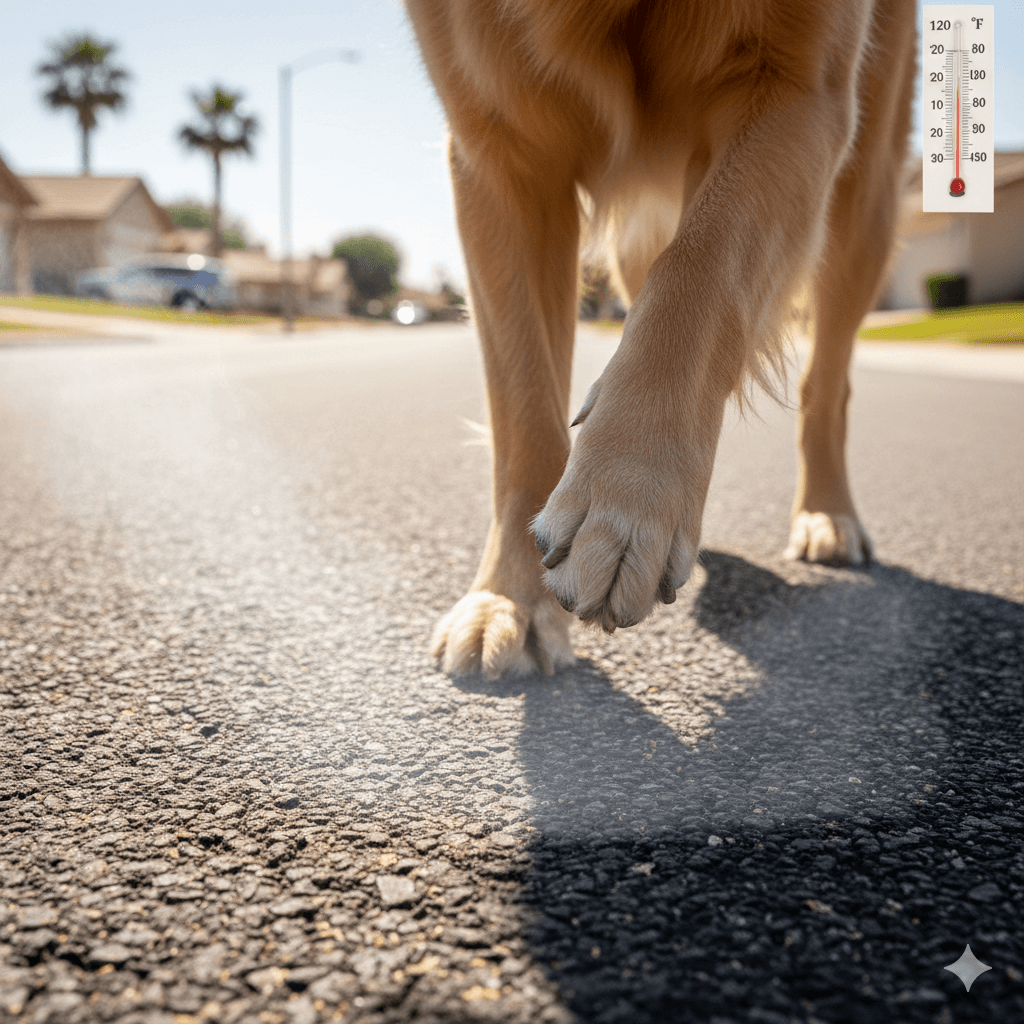

Can Hot Pavement Burn Your Dogs Paws?
Walking your dog on a sunny day is a joyful experience, but hot pavement can pose a hidden danger to their sensitive paws. Just like human skin, a dog’s paw pads can burn or blister when exposed to scorching surfaces, leading to discomfort or injury. Understanding how to protect your pup ensures safe and enjoyable outdoor adventures year-round.
How Hot Pavement Affects Dog Paws
Dog paws are tough but not invincible. While their pads are designed to withstand various surfaces, prolonged exposure to hot pavement can lead to burns, blisters, and long-term damage. Understanding how heat impacts their sensitive paw pads is crucial for preventing injuries during walks or outdoor play.
- Temperature Thresholds of Pavement:
Asphalt and concrete absorb and retain heat, often reaching temperatures significantly higher than the air temperature. On a sunny day with an ambient temperature of 85°F (29°C), pavement can reach over 140°F (60°C) within minutes—hot enough to cause burns. - Paw Pad Sensitivity Compared to Human Skin:
While dog paws are tougher than human feet, they’re still vulnerable to extreme heat. Studies show that paw pads begin to burn at temperatures above 125°F (52°C), which is comparable to the threshold for human skin damage. - Signs of Immediate Damage:
Burns from hot pavement may not always be visible right away. However, redness, peeling, or blistering can occur within hours after exposure, causing your dog significant pain and discomfort. - Long-Term Consequences of Repeated Burns:
Chronic exposure to hot surfaces can lead to calluses, cracks, or infections in the paw pads. Over time, this compromises their natural protective barrier, making them more susceptible to injuries. - Breed-Specific Vulnerabilities:
Smaller breeds, puppies, or dogs with thinner paw pads (like Greyhounds) are more prone to burns. Additionally, brachycephalic breeds like Bulldogs may struggle to cool down quickly, exacerbating heat-related risks.
Protecting your dog’s paws from hot pavement isn’t just about comfort—it’s about preserving their mobility and overall well-being.
Common Symptoms of Burned Paw Pads
Recognizing the signs of burned paw pads allows you to intervene quickly and prevent further damage. These symptoms range from mild irritation to severe injury, depending on the duration and intensity of exposure.
- Limping or Reluctance to Walk:
Dogs naturally avoid putting weight on injured paws. If your dog suddenly limps or refuses to move forward, it could indicate paw pad burns. - Excessive Licking or Chewing at Paws:
Pain or discomfort often prompts dogs to lick or chew their paws excessively as they try to soothe the affected area. - Redness or Swelling:
Inflamed or swollen paw pads signal irritation caused by heat exposure. This is one of the earliest visible signs of a potential burn. - Blisters or Peeling Skin:
Severe burns result in blisters or layers of skin peeling off the paw pads. These wounds require immediate attention to prevent infection. - Whining or Vocalizing Pain:
Some dogs express distress through whining, whimpering, or other vocalizations when their paws hurt due to burns.
Early detection and treatment minimize complications, ensuring your dog heals comfortably and avoids secondary infections.
Check this guide 👉Frostbite on Dog Paws: Best 7 Expert Tips!
Check this guide 👉Dog Paw Infection Between Toes: Best 7 Expert Tips!
Check this guide 👉Swollen Dog Paw Infection: Best 7 Expert Tips!
Preventive Measures | Signs of Paw Pad Burns |
|---|---|
Walk during cooler times of day | Limping or reluctance to walk |
Use protective booties | Excessive licking or chewing at paws |
Test pavement with the 7-second rule | Redness, swelling, or blistering |
Apply paw wax or balm before walks | Whining or vocalizing pain |
Carry water for cooling breaks | Peeling skin or visible wounds |
Preventing Paw Pad Burns on Hot Pavement
Prevention is key to keeping your dog’s paws safe from hot pavement. Simple precautions go a long way in protecting their sensitive pads during warm weather.
- Use the “7-Second Rule” to Test Pavement Temperature:
Place the back of your hand on the pavement for 7 seconds. If it feels too hot for your skin, it’s unsafe for your dog’s paws. - Walk During Cooler Times of Day:
Morning or evening walks reduce the risk of burns since pavement temperatures drop significantly during these times. - Invest in Protective Dog Booties:
Booties shield your dog’s paws from heat and rough surfaces. Look for breathable, durable options that fit snugly without restricting movement. - Apply Paw Wax or Balms:
Specialized paw waxes create a protective barrier against heat while moisturizing the pads to prevent cracking or drying. - Carry Water for Cooling Breaks:
If no shade is available, periodically splash water on your dog’s paws to cool them down during walks.
Taking proactive steps ensures your dog stays comfortable and injury-free even on scorching days.
First Aid for Burned Paw Pads
If your dog sustains burns from hot pavement, administering first aid promptly helps alleviate pain and prevents infection. Follow these steps carefully until you consult a veterinarian.
- Cool the Paws Immediately:
Rinse the affected paws under cool (not cold) running water for 10–15 minutes to lower the temperature and reduce inflammation. - Clean Gently with Mild Soap:
Use a pet-safe cleanser to remove dirt or debris from the burns. Avoid harsh chemicals that could irritate the skin further. - Apply Antiseptic Ointment:
Veterinary-recommended antiseptics or healing balms promote recovery and protect against infection. - Bandage Affected Paws Temporarily:
Loose bandages prevent further trauma and keep the area clean. Ensure they aren’t too tight, as this can restrict circulation. - Monitor for Signs of Infection:
Watch for swelling, pus, or worsening redness, which indicate an infection requiring professional treatment.
Immediate care reduces pain and speeds up the healing process, giving your dog relief sooner.
Long-Term Care for Burned Paws
Once first aid is administered, ongoing care ensures your dog’s paw pads heal properly and regain strength. Consistent attention minimizes the risk of complications.
- Keep Activity Levels Low:
Limit walks or strenuous activities until the paws fully heal. Excessive pressure can reopen wounds or delay recovery. - Reapply Healing Balms Daily:
Moisturizing balms or paw conditioners restore elasticity and prevent dryness during the healing phase. - Trim Hair Around Paws Carefully:
Excess fur near the paws can trap dirt or bacteria, increasing infection risks. Keep it trimmed short but avoid cutting too close to the skin. - Encourage Rest in Comfortable Spaces:
Provide soft bedding to reduce strain on the paws and allow them to rest undisturbed. - Schedule Regular Vet Check-Ups:
Follow-up appointments ensure proper healing and address any lingering concerns before they escalate.
Patience and consistency are essential for supporting your dog’s recovery and returning to normal activity levels.
Alternatives to Walking on Hot Pavement
When pavement is dangerously hot, finding alternative ways to exercise and engage your dog keeps them happy and healthy. These options provide physical and mental stimulation without risking paw pad burns.
- Grass or Dirt Trails:
Opt for parks, grassy fields, or wooded trails where natural surfaces remain cooler than asphalt or concrete. - Indoor Playtime:
Interactive toys, fetch games indoors, or agility courses in climate-controlled spaces offer excellent exercise alternatives. - Swimming or Water Activities:
Many dogs love splashing in pools, lakes, or shallow streams, providing both fun and cooling benefits. - Mental Stimulation Games:
Puzzle feeders, scent work, or obedience training challenge your dog’s mind and tire them out mentally. - Treadmill Workouts (Under Supervision):
A dog treadmill offers controlled exercise in a safe environment, though supervision is critical to avoid accidents.
Exploring these alternatives ensures your dog remains active and entertained regardless of outdoor conditions.
Special Considerations for Sensitive Breeds
Certain breeds or individual dogs have unique vulnerabilities that make them more prone to paw pad burns. Tailoring your approach to their needs enhances safety and comfort.
- Short-Nosed Breeds (Brachycephalics):
Breeds like Pugs or Bulldogs overheat quickly, making them less tolerant of high temperatures overall. Extra caution is needed to prevent overheating alongside paw burns. - Small or Toy Breeds:
Their proximity to the ground exposes smaller dogs to higher surface heat, increasing burn risks compared to larger breeds. - Senior Dogs or Those with Health Issues:
Older dogs or those with mobility challenges may struggle to lift their paws effectively, prolonging contact with hot surfaces. - Dogs with Thin or Dry Paw Pads:
Breeds like Greyhounds or Whippets naturally have thinner paw pads, making them more susceptible to burns. Regular moisturization helps build resilience. - Service or Working Dogs:
These dogs spend extended periods outdoors, so protective gear like booties becomes essential to safeguard their paws during tasks.
Understanding breed-specific traits ensures tailored care and reduces unnecessary risks during hot weather.
Frequently Asked Questions About Dog Paws and Hot Pavement
Can dogs’ paws really burn on hot pavement?
Yes, dog paws can burn on hot pavement if the surface temperature exceeds 125°F (52°C). Even tough paw pads are vulnerable to heat damage.
How can I tell if my dog’s paws are burned?
Signs include limping, excessive licking of paws, redness or swelling, blisters, and vocalizing pain. Immediate cooling and vet care are recommended.
What temperature is too hot for dog paws?
Pavement temperatures above 125°F (52°C) pose a burn risk. On an 85°F (29°C) day, asphalt can reach over 140°F (60°C), making it unsafe for dogs.
Are there breeds more prone to paw pad burns?
Yes, smaller breeds, brachycephalic dogs (like Bulldogs), and those with thin paw pads (like Greyhounds) are more susceptible to burns.
What should I do if my dog’s paws get burned?
Cool the paws with water, clean gently, apply antiseptic ointment, and bandage them temporarily. Monitor for infection and consult your vet promptly.
Protecting Your Dog’s Paws: A Lifeline Against Heat
Hot pavement poses a silent yet significant threat to your dog’s paws, but awareness and preparation make all the difference. By understanding how heat impacts their sensitive pads, recognizing early warning signs, and taking proactive measures, you ensure every walk remains safe and enjoyable. Remember, prevention is always better than cure—whether through protective gear, strategic timing, or alternative activities. Your vigilance not only safeguards their mobility but also strengthens the bond you share. Together, you’ll navigate even the hottest days with confidence and care.
Newfoundland Dog Personality: Best 7 Expert Tips! – Discover the gentle, loyal, and protective nature of this giant breed perfect for families.

Can Hot Pavement Burn Your Cats Paws? Best 7 Expert Tips! – Learn how to protect your cat’s paws from hot surfaces and prevent painful burns this summer.
Can Hot Pavement Burn Your Dogs Paws? Best 7 Expert Tips! – Learn how to protect your dog’s paws from hot surfaces and ensure safe summer walks.
Irish Wolfhound Size: Best 7 Expert Tips! – Discover the ideal height, weight, and care tips for this majestic giant breed. Learn how to manage their impressive stature responsibly.