
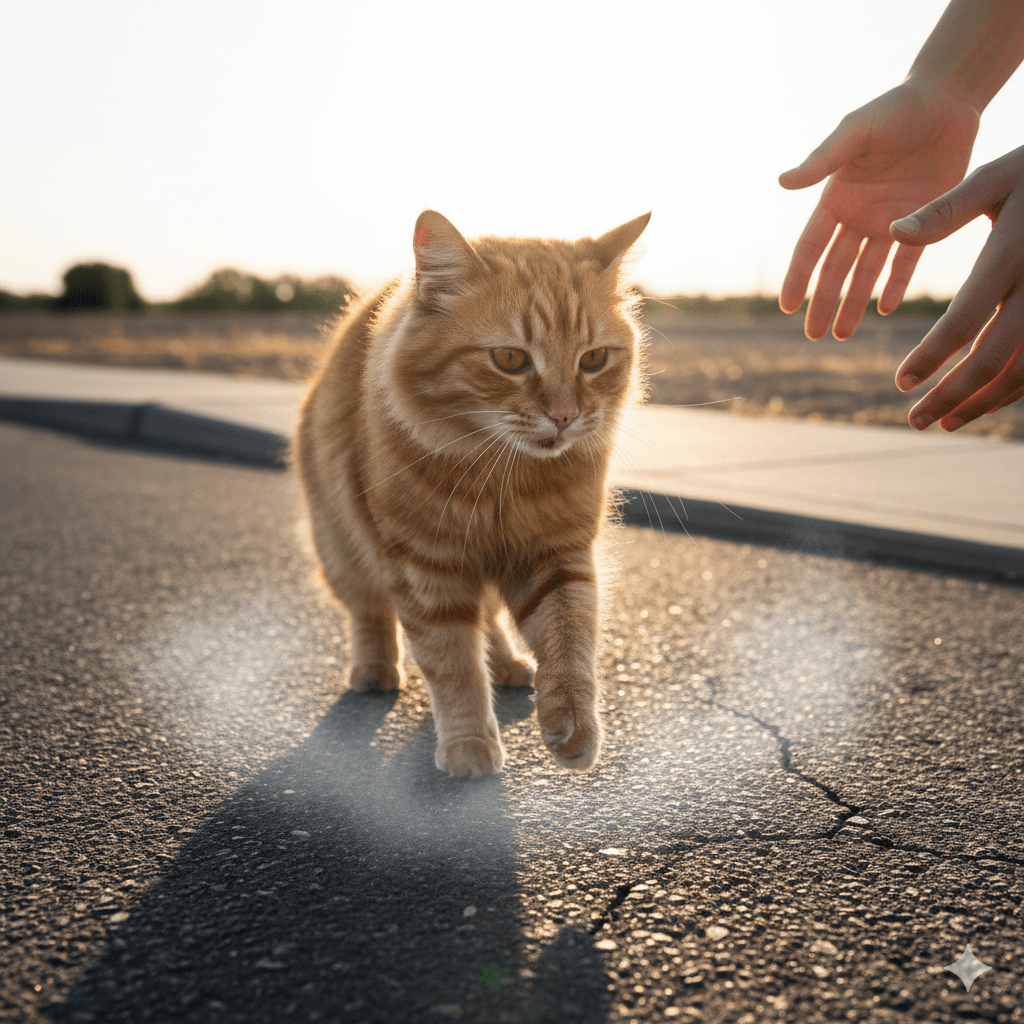

Can Hot Pavement Burn Your Cats Paws?
Walking on hot pavement can be dangerous for your cat, as their sensitive paw pads are not designed to withstand extreme heat. Just like humans might feel discomfort or burns from scorching surfaces, cats are equally at risk during summer months or in sunny climates. Understanding how to protect your feline friend ensures their paws stay safe and healthy.
How Hot Pavement Affects Cat Paw Pads
Cat paw pads are delicate and sensitive, making them vulnerable to burns when exposed to hot surfaces like asphalt or concrete. Unlike dogs, cats are less likely to walk on pavement frequently, but accidents can happen if they venture outside during peak heat hours. Understanding how hot surfaces impact their paws helps you take preventive measures to avoid painful injuries.
- Thermal Sensitivity of Paw Pads:
Paw pads consist of thickened skin, but they lack the protective layers humans have, making them prone to burns at temperatures above 125°F (52°C). - Duration of Exposure Matters:
Even moderately warm surfaces can cause damage if a cat’s paws remain in contact for too long, especially during midday heatwaves. - Signs of Burn Damage:
Redness, blistering, or peeling of the paw pads indicates thermal injury; severe cases may lead to open sores or infections requiring veterinary care. - Behavioral Changes as Indicators:
Cats with burned paws may limp, lick their feet excessively, or avoid walking altogether—a clear sign something is wrong. - Long-Term Effects of Burns:
Untreated burns can scar paw pads permanently, affecting mobility and causing chronic discomfort for your feline companion.
By recognizing these risks, you can take proactive steps to ensure your cat’s paws remain safe from harm, even during the hottest days of summer.
Common Signs Your Cat’s Paws Are Burned
Burned paw pads can be incredibly painful for cats, and early detection is crucial to prevent complications. Knowing what to look for helps you identify injuries quickly and provide appropriate care.
- Visible Redness or Swelling:
Inflamed or swollen paw pads are often the first signs of mild burns; they may feel warmer than usual to the touch. - Limping or Reluctance to Walk:
Cats instinctively avoid putting weight on injured paws, leading to noticeable limping or hesitation while moving around. - Excessive Licking or Chewing:
Cats will try to soothe their discomfort by licking or chewing their paws, which increases the risk of infection if left unchecked. - Blisters or Peeling Skin:
Severe burns cause blisters or peeling layers of skin, exposing raw tissue underneath—a condition requiring immediate attention. - Unusual Vocalization or Aggression:
A normally calm cat may hiss, growl, or act aggressively if touched near burned areas due to intense pain and sensitivity.
If you notice any combination of these symptoms, consult your veterinarian promptly to assess the severity and begin treatment.
Check this guide 👉Frostbite on Cat Paws: Best 7 Expert Tips!
Check this guide 👉How to Take Care of Cat Paws: Best 7 Expert Tips!
Check this guide 👉Cat Paws vs Dog Paws: Best 7 Expert Tips!
Lorem ipsum dolor sit amet, consectetur adipiscing elit. Ut elit tellus, luctus nec ullamcorper mattis, pulvinar dapibus leo.
Preventive Measures to Protect Cat Paws
Preventing burns on your cat’s paws involves simple yet effective strategies that keep them safe during hot weather. Taking proactive steps ensures your feline friend enjoys outdoor time without risking injury.
- Limit Outdoor Time During Peak Heat:
Keep cats indoors between 10 AM and 4 PM, when pavement temperatures reach their highest levels, to minimize exposure risks. - Test Pavement Temperature Safely:
Place the back of your hand on the pavement for 7 seconds—if it feels too hot, it’s unsafe for your cat’s paws. - Provide Alternatives to Pavement:
Create shaded pathways using grass, dirt, or mulch where your cat can roam comfortably without touching hot surfaces. - Use Protective Booties or Balms:
Paw balm creates a barrier against heat, while lightweight booties shield paws entirely—though some cats may need time to adjust to wearing them. - Supervise Outdoor Adventures:
Monitor your cat closely during supervised outdoor playtime to prevent accidental contact with hot surfaces.
These measures significantly reduce the likelihood of burns and allow your cat to explore safely year-round.
First Aid Steps for Burned Cat Paws
If your cat suffers burns on their paws, acting quickly minimizes pain and prevents further damage. Proper first aid stabilizes the injury until professional care can be provided.
- Cool the Affected Area Immediately:
Rinse burned paws gently under cool (not cold) running water for 10–15 minutes to lower the temperature and reduce inflammation. - Avoid Using Ice Directly:
Ice can worsen tissue damage; instead, use a damp cloth soaked in cool water to soothe the area effectively. - Clean Minor Burns Carefully:
For superficial burns, clean the area with saline solution or diluted antiseptic wipes to prevent infection before applying a pet-safe ointment. - Prevent Licking or Chewing:
Use an Elizabethan collar or soft socks to keep your cat from aggravating the wound through excessive licking or chewing. - Seek Veterinary Attention Promptly:
Deep burns or extensive damage require professional treatment, including antibiotics or specialized dressings, to promote healing.
Timely intervention ensures your cat recovers fully and avoids long-term complications from untreated burns.
Long-Term Care for Burned Paw Pads
Recovering from burned paw pads takes time, patience, and consistent care to ensure proper healing and prevent reinjury. Following a structured recovery plan supports your cat’s overall well-being.
- Administer Prescribed Medications:
Antibiotics or pain relievers prescribed by your vet help manage infections and alleviate discomfort throughout the healing process. - Change Bandages Regularly:
If bandages are applied, replace them daily to keep wounds clean and monitor progress under veterinary guidance. - Restrict Activity Levels:
Limit jumping, running, or climbing activities to allow damaged tissues adequate time to heal without additional strain. - Maintain Hygiene Around Wounds:
Keep the affected area clean and dry, avoiding exposure to dirt, sand, or other irritants that could delay recovery. - Schedule Follow-Up Appointments:
Regular check-ins with your vet ensure the healing process progresses smoothly and address any concerns promptly.
With attentive care, most cats recover fully within weeks, regaining full mobility and comfort.
Environmental Factors That Increase Burn Risks
Certain environmental conditions amplify the risk of paw pad burns, particularly during summer months or in urban settings. Awareness of these factors helps you anticipate and mitigate potential dangers.
- High Ambient Temperatures:
Air temperatures above 85°F (29°C) rapidly heat pavement to dangerous levels, increasing the likelihood of burns. - Direct Sunlight Exposure:
Dark-colored pavements absorb more heat, raising surface temperatures significantly higher than air temps in sunny areas. - Urban Heat Islands:
Cities with dense infrastructure retain heat longer than rural regions, creating hotter microclimates for pets outdoors. - Reflective Surfaces Nearby:
Metallic or glass structures reflect sunlight onto pavement, intensifying its temperature beyond safe thresholds. - Humidity Levels Impact Sensation:
High humidity exacerbates the effects of heat, making surfaces feel hotter and increasing burn risks exponentially.
Understanding these influences enables better planning and protection for your cat’s safety.
When to Seek Veterinary Care for Paw Burns
While minor burns can often be treated at home, certain situations demand immediate veterinary attention to prevent worsening complications. Recognizing warning signs ensures timely intervention and optimal outcomes.
- Severe Redness or Open Wounds:
Deep burns with exposed tissue or bleeding necessitate professional cleaning and dressing to prevent infection. - Persistent Limping or Pain:
If limping continues after initial treatment, underlying damage may require advanced diagnostics or therapies. - Signs of Infection:
Swelling, pus discharge, or foul odors indicate bacterial infections needing antibiotic therapy under vet supervision. - Refusal to Eat or Drink:
Loss of appetite or dehydration suggests systemic distress linked to untreated burns or secondary complications. - Behavioral Changes Persisting:
Aggression, lethargy, or withdrawal lasting more than 24 hours signals ongoing discomfort requiring medical evaluation.
Prompt veterinary care addresses both visible and hidden issues, ensuring your cat heals completely and returns to normal activity.
Frequently Asked Questions About Cat Paw Burns
Can cats recover from burned paws?
Yes—most cats recover fully with proper care, though severe burns may take weeks to heal and require veterinary treatment.
How can I test if pavement is too hot for my cat?
Place the back of your hand on the pavement for 7 seconds—if it’s uncomfortable for you, it’s too hot for your cat’s paws.
Are all surfaces equally dangerous in summer?
No—dark-colored asphalt and concrete heat up faster than lighter or natural surfaces like grass or dirt.
What should I do if my cat won’t wear protective booties?
Use paw balm as an alternative barrier or limit outdoor time during peak heat hours to reduce exposure risks.
Can indoor cats experience paw burns?
Indoor cats are less likely to encounter hot surfaces, but caution is still needed near heated floors, stovetops, or radiators.
Protecting Your Cat’s Paws: A Lifeline for Their Comfort
Hot pavement poses a real threat to your cat’s delicate paw pads, but awareness and prevention go a long way in keeping them safe. By understanding the risks, recognizing early signs of burns, and taking proactive steps, you ensure your feline companion enjoys outdoor adventures without pain or injury. Remember, their paws are not just tools for movement—they’re essential to their overall well-being. With your vigilance and care, every step they take remains comfortable and secure, no matter how high the mercury rises.
Newfoundland Dog Personality: Best 7 Expert Tips! – Discover the gentle, loyal, and protective nature of this giant breed perfect for families.
Can Hot Pavement Burn Your Cats Paws? Best 7 Expert Tips! – Learn how to protect your cat’s paws from hot surfaces and prevent painful burns this summer.
Can Hot Pavement Burn Your Dogs Paws? Best 7 Expert Tips! – Learn how to protect your dog’s paws from hot surfaces and ensure safe summer walks.
Irish Wolfhound Size: Best 7 Expert Tips! – Discover the ideal height, weight, and care tips for this majestic giant breed. Learn how to manage their impressive stature responsibly.