
Can Dogs Taste Sweet? Understanding Your Dog’s Sense of Taste
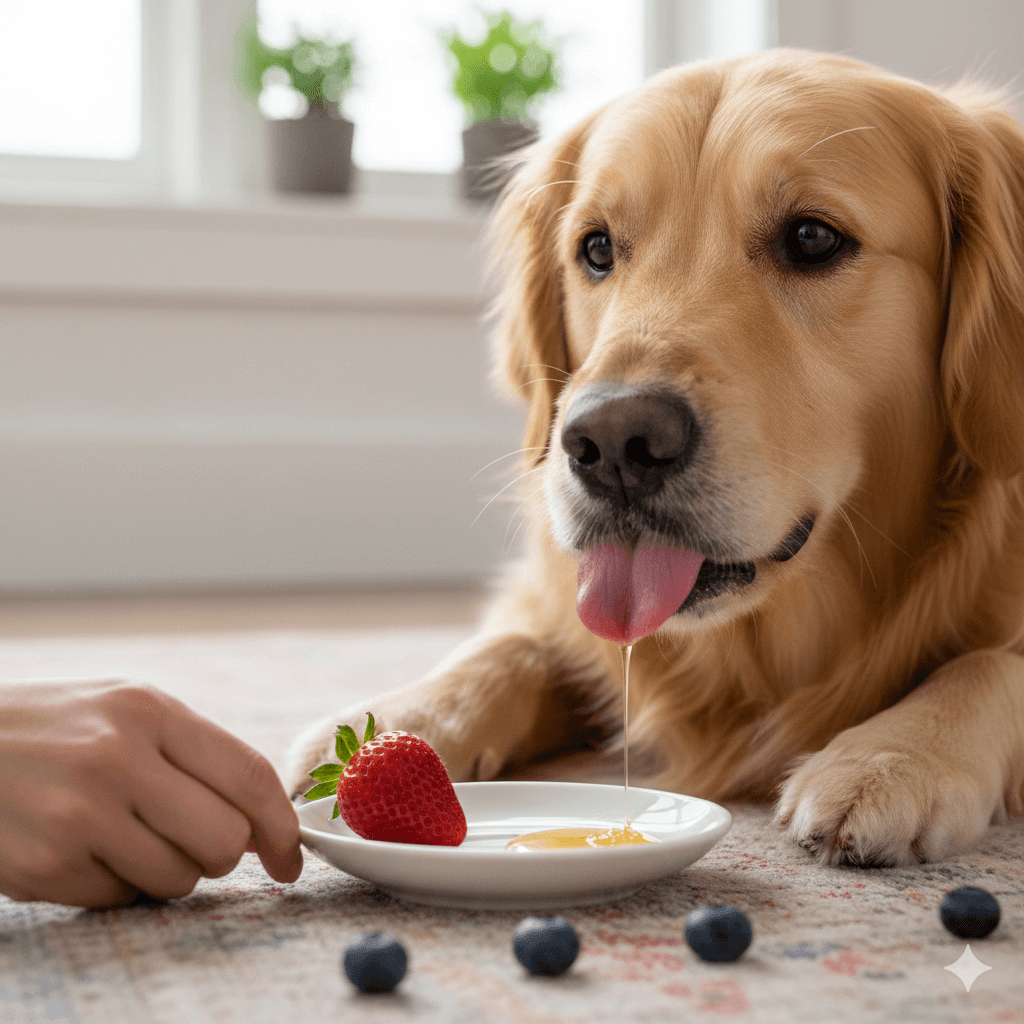
How Dogs Perceive Sweetness: A Closer Look
- Fewer Taste Buds Compared to Humans:
Dogs possess around 1,700 taste buds, significantly fewer than the 9,000 found in humans, limiting their flavor perception but not eliminating it entirely. For example, while they may not savor complex sweets like we do, they can detect basic sugar compounds in foods. - Specialized Receptors for Sweetness:
Research shows that dogs have specific taste receptors for sweetness, though they’re less sensitive than those in humans. These receptors help them identify fruits or other naturally sweet items as potential energy sources. - Evolutionary Role of Sweet Detection:
In the wild, the ability to taste sweetness likely helped dogs identify ripe fruits or carbohydrate-rich foods, providing an evolutionary advantage for survival when meat was scarce. - Preference for Sweet Treats:
Many dogs show enthusiasm for sweet snacks like apples, carrots, or peanut butter because these items trigger their sweetness receptors, even if the sensation is muted compared to ours. - Avoiding Harmful Sugars:
While dogs can taste sweetness, it’s crucial to avoid feeding them processed sugars or artificial sweeteners like xylitol, which are toxic and harmful to their health.
The Science Behind Dogs’ Sweet Taste Receptors
- Genetic Basis of Sweet Perception:
Studies reveal that dogs carry genes responsible for detecting sweetness, unlike cats, who lack these genes entirely. This genetic difference explains why dogs enjoy fruits like bananas or melons while cats remain indifferent. - Role of TAS1R2 and TAS1R3 Genes:
The TAS1R2 and TAS1R3 genes encode proteins that form the sweetness receptor in dogs. While functional, these receptors are less refined than those in humans, leading to a dulled perception of sugary flavors. - Cross-Species Comparisons:
Compared to omnivores like humans, dogs’ sweet receptors are intermediate—less developed than ours but more advanced than those of obligate carnivores like felines. This reflects their adaptable diet over millennia. - Behavioral Responses to Sweet Foods:
When offered sweet-tasting options, dogs often display excitement or eagerness to eat, demonstrating that their receptors respond positively to such stimuli despite reduced sensitivity. - Impact on Food Selection:
Manufacturers of dog food and treats leverage this knowledge by incorporating mild sweetness into products, enhancing palatability without compromising nutritional value.
Check this guide 👉 Can Dogs Eat Chives? Best 7 Expert Tips!
Check this guide 👉 Can Dogs Eat Pear? Best 7 Expert Tips!
Check this guide 👉 Can Dogs Eat Apple Skin? Best 7 Expert Tips!
Sweet Foods Safe for Dogs | Sweet Foods to Avoid |
|---|---|
Apples (seedless) | Chocolate |
Blueberries | Candy |
Watermelon (seedless) | Baked goods with sugar |
Strawberries | Artificial sweeteners (e.g., xylitol) |
Carrots (naturally sweet) | Processed sugary snacks |
Common Sweet Foods Dogs Encounter
- Safe Sweet Options for Dogs:
Fruits like blueberries, strawberries, and watermelon are naturally sweet and safe for dogs in moderation. They provide vitamins and hydration alongside mild sweetness. - Toxic Sweet Items to Avoid:
Chocolate, candy, and baked goods containing sugar or artificial sweeteners like xylitol are highly dangerous and should never be given to dogs under any circumstances. - Accidental Exposure Risks:
Dogs are notorious scavengers; dropped candies, spilled syrups, or unattended desserts can lead to accidental ingestion, necessitating vigilance from pet owners. - Natural vs. Artificial Sweeteners:
While natural sugars in fruits are generally harmless, artificial sweeteners used in low-calorie products can cause severe reactions, including hypoglycemia or liver failure. - Training with Sweet Rewards:
Positive reinforcement training often involves small amounts of sweet treats, such as diced apples or plain yogurt, to motivate dogs effectively.
Health Implications of Sweet Foods for Dogs
- Weight Gain and Obesity Risks:
High-calorie sweet treats contribute to weight gain, especially in sedentary dogs, increasing the risk of obesity-related conditions like diabetes and joint problems. - Dental Health Concerns:
Sugary foods promote plaque buildup and tooth decay, emphasizing the need for regular dental care and limited exposure to sweets. - Digestive Upsets:
Excessive consumption of sweet foods can upset a dog’s stomach, causing diarrhea, vomiting, or bloating due to difficulty digesting unfamiliar ingredients. - Nutritional Imbalance:
Over-reliance on sweet snacks may displace nutrient-dense meals, depriving dogs of essential vitamins, minerals, and proteins required for optimal health. - Allergic Reactions:
Some dogs develop allergies to specific sweet foods, such as wheat-based treats or dairy products, requiring careful monitoring and dietary adjustments.
Training with Sweet Rewards: Pros and Cons
- Motivation Through Positive Reinforcement:
Sweet treats serve as powerful motivators, encouraging dogs to perform commands or behaviors correctly during training exercises. - Risk of Overfeeding:
Frequent use of sweet snacks can lead to overfeeding, contributing to weight gain and associated health issues if portion control isn’t practiced. - Customizable Treat Options:
Owners can prepare homemade sweet treats using dog-safe ingredients, ensuring freshness and avoiding harmful additives found in commercial products. - Behavioral Conditioning Benefits:
Associating sweet rewards with desired actions reinforces positive behavior patterns, accelerating the learning process for puppies and adult dogs alike. - Alternatives to Sweet Treats:
Non-food rewards like praise, toys, or playtime offer effective alternatives, reducing reliance on edible incentives and promoting healthier habits.
Can Sweet Preferences Vary Among Dog Breeds?
- Breed-Specific Taste Sensitivities:
Some breeds, like Retrievers, exhibit stronger appetites and greater enthusiasm for sweet treats, while others, such as Greyhounds, may show indifference. - Historical Diet Influences:
Breeds originating from regions where sweet fruits were abundant might retain a slight preference for sugary flavors compared to those bred for hunting or guarding roles. - Size and Metabolism Differences:
Smaller breeds metabolize sugars differently than larger breeds, influencing how they perceive and respond to sweet foods. - Training and Habit Formation:
Dogs accustomed to receiving sweet rewards during training may develop a learned preference for such items over time. - Individual Variation Within Breeds:
Even within the same breed, individual dogs may display unique tastes, underscoring the importance of observing your pet’s personal preferences.
Preventing Sugar Overload in Dogs
- Monitoring Treat Portions:
Limit sweet treats to no more than 10% of your dog’s daily caloric intake to prevent weight gain and nutritional imbalances. - Choosing Low-Sugar Alternatives:
Opt for low-sugar fruits like raspberries or green beans instead of high-calorie snacks to satisfy cravings without risking obesity. - Reading Ingredient Labels:
Check labels for hidden sugars or artificial sweeteners in commercial dog foods and treats, avoiding products with unhealthy additives. - Supervising Outdoor Activities:
During walks or park visits, keep an eye on your dog to prevent scavenging of discarded sweets or unsafe food items left behind by others. - Educating Family Members:
Ensure everyone in the household understands the risks of feeding dogs sweets, fostering a unified approach to responsible pet care.
Frequently Asked Questions About Can Dogs Taste Sweet
Can dogs taste sweetness like humans do?
Why do dogs like sweet foods if their taste is dulled?
Are sweet fruits safe for dogs to eat?
Some sweet fruits, like apples (without seeds), blueberries, and watermelon, are safe and healthy for dogs in moderation. However, avoid grapes, raisins, or overly sugary fruits.
What happens if a dog eats too much sugar?
Excessive sugar can lead to obesity, dental problems, and even diabetes in dogs. It’s crucial to limit their intake of sugary foods to protect their health.
Can artificial sweeteners harm dogs?
Yes, artificial sweeteners like xylitol are highly toxic to dogs and can cause hypoglycemia, liver failure, or seizures. Always keep such products out of reach.
A Tiny Dog with a Giant Heart
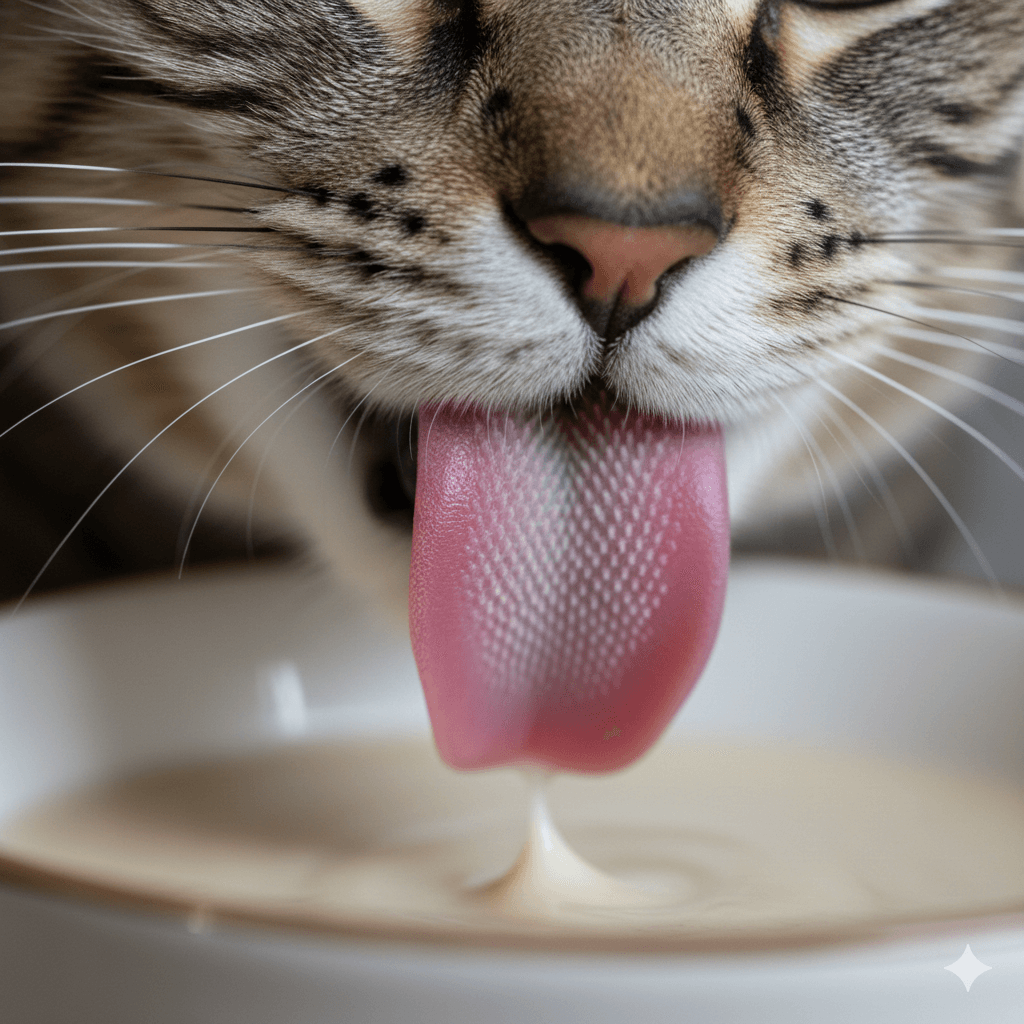
Do Cats Have Taste Buds? Best 7 Expert Tips! – Discover how cats experience flavors and why their taste is so unique.
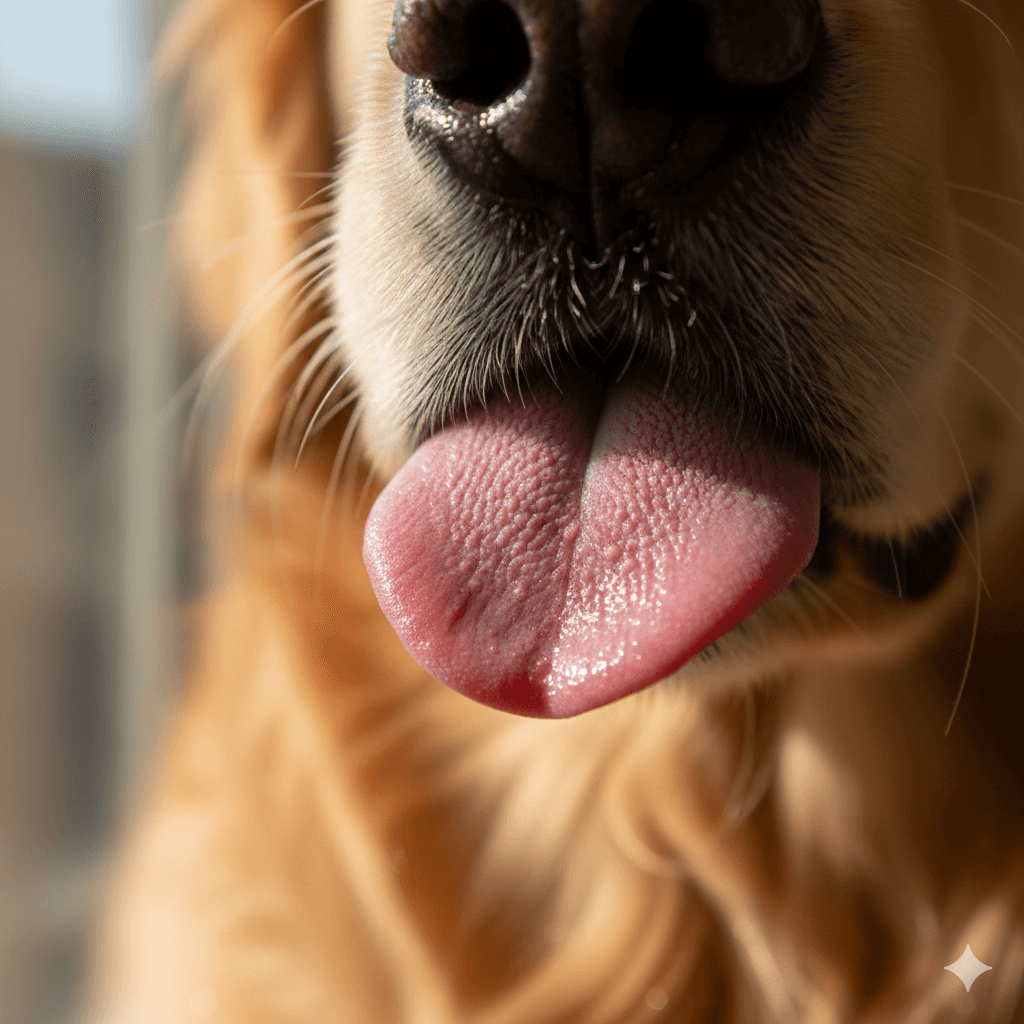
Do Dogs Have Taste Buds? Best 7 Expert Tips! – Discover how dogs experience taste, their preferences, and what it means for their diet and health.
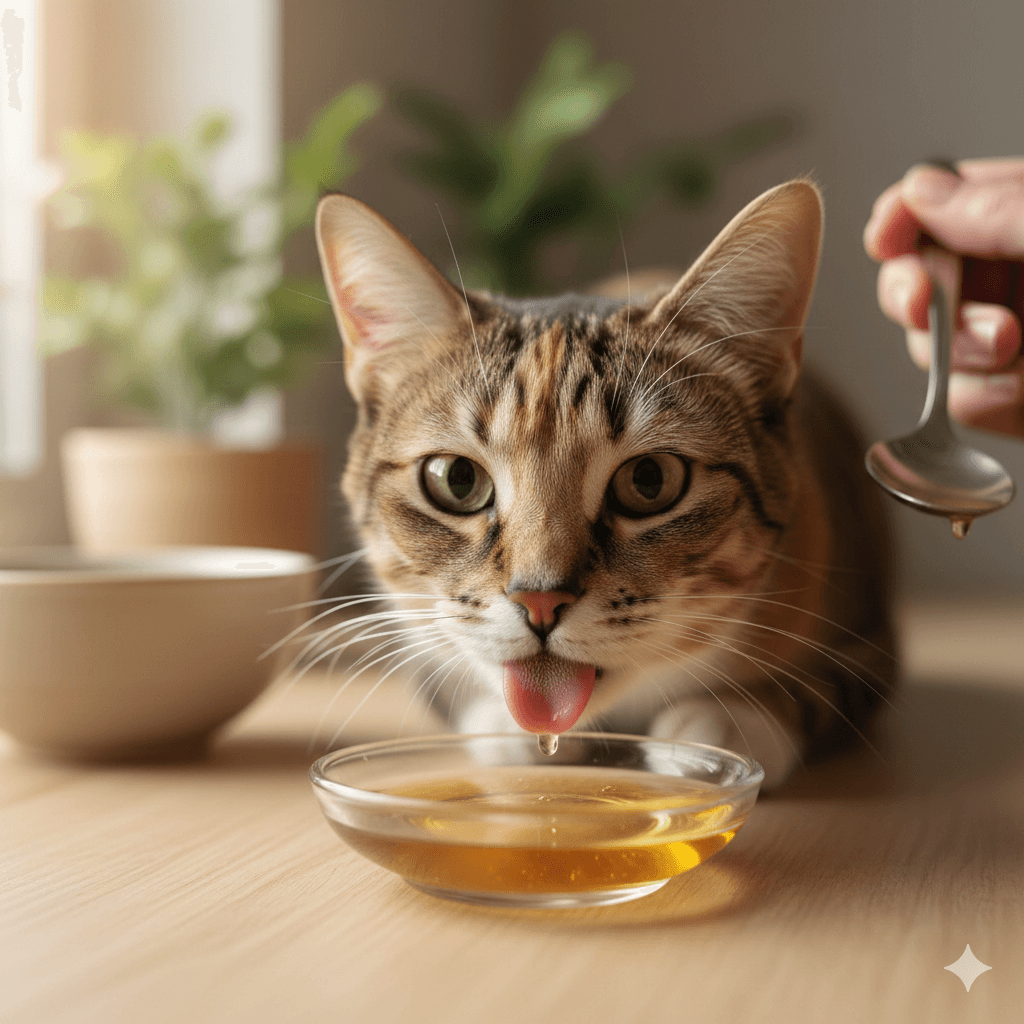
Can Cats Taste Sweet? Best 7 Expert Tips! – Discover why cats can’t taste sweetness, how it affects their diet, and tips to keep them healthy and happy.
Can Dogs Taste Sweet? Best 7 Expert Tips! – Discover how dogs perceive sweetness, which foods are safe, and tips to manage their sweet cravings responsibly.