
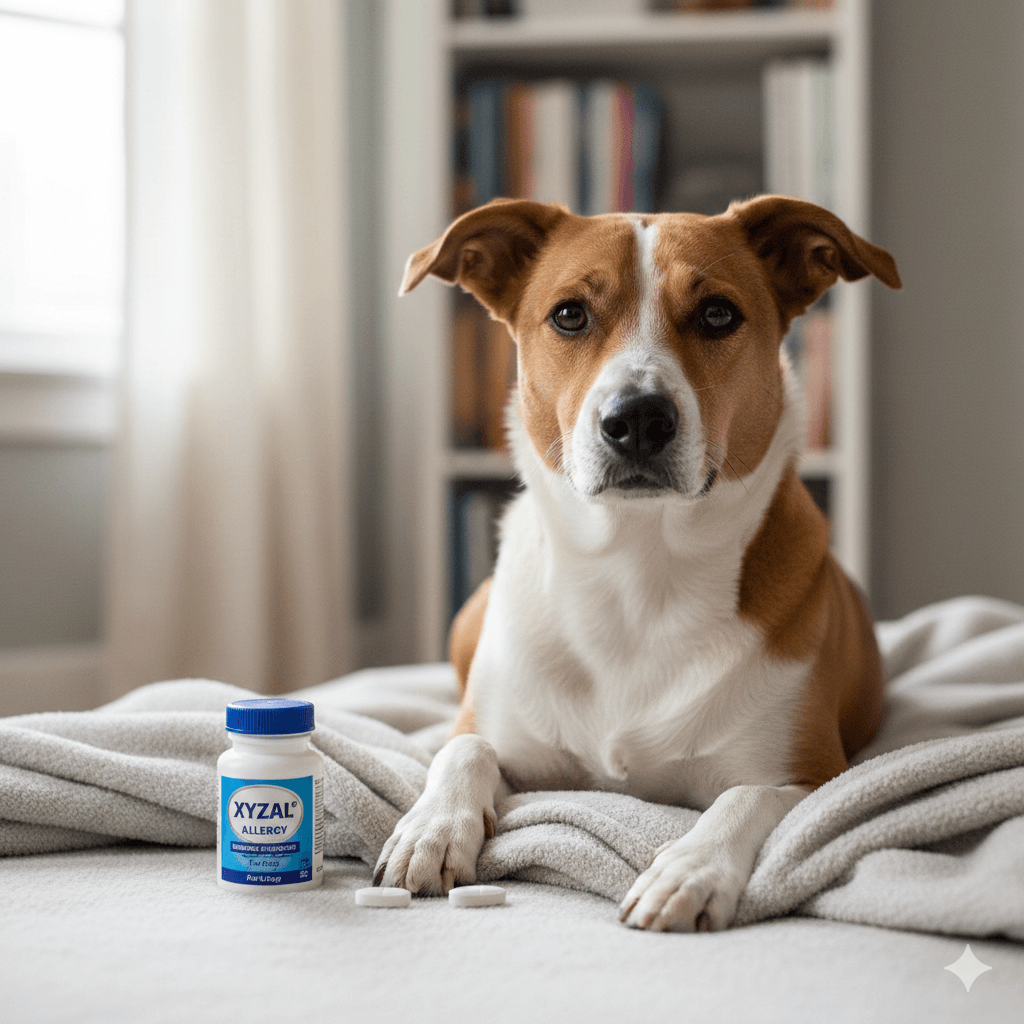

Can Dogs Take Xyzal? What Every Pet Owner Should Know
If your dog struggles with allergies, you might wonder if medications like Xyzal (levocetirizine) are safe options. While some antihistamines are commonly prescribed for pets, others may pose risks. Understanding how Xyzal works, its safety profile, and proper usage is essential before giving it to your dog. Always consult your veterinarian to ensure your pet’s health and safety.
How Xyzal Works to Relieve Allergies
Xyzal is an antihistamine designed to block histamine receptors in the body, reducing symptoms of allergic reactions. For humans, it’s effective against sneezing, itching, and watery eyes. But how does it translate to canine care? Here’s what you need to know:
- Active Ingredient:
Levocetirizine, a second-generation antihistamine, minimizes drowsiness compared to older options. - Mechanism of Action:
It targets H1 histamine receptors, which are responsible for triggering allergy symptoms in dogs. - Fast-Acting Relief:
Symptoms like itching or redness may improve within hours of administration when prescribed by a vet. - Non-Sedating Formula:
Unlike some antihistamines, Xyzal is less likely to cause drowsiness, making it suitable for active dogs. - Prescription-Only Status:
Xyzal isn’t approved by the FDA for veterinary use but may be prescribed off-label by vets in certain cases.
Understanding these basics helps you make informed decisions about allergy management for your dog.
Potential Benefits of Xyzal for Dogs
When prescribed by a veterinarian, Xyzal can offer several benefits for managing allergic conditions in dogs. Its targeted action makes it a popular choice for specific cases:
- Relieves Seasonal Allergies:
Helps combat symptoms triggered by pollen, grass, or mold during peak seasons. - Reduces Itching and Scratching:
Minimizes discomfort caused by environmental or food-related allergies. - Controls Skin Irritation:
Alleviates redness, swelling, or rashes associated with allergic dermatitis. - Improves Quality of Life:
Reduces constant discomfort, allowing your dog to rest and play more comfortably. - Low Risk of Side Effects:
Compared to other medications, Xyzal has fewer adverse reactions when dosed correctly.
These benefits make Xyzal a potential ally in managing chronic or acute allergy symptoms under veterinary supervision.
Check this guide 👉Pedialyte for Dogs: Best 7 Expert Tips!
Check this guide 👉Glucosamine for Dogs: Best 7 Expert Tips!
Check this guide 👉Fish Oil Dosage for Dogs: Best 7 Expert Tips!
Common Uses of Xyzal in Dogs | Possible Side Effects to Monitor |
|---|---|
Treating seasonal/environmental allergies | Mild sedation or lethargy |
Managing chronic skin irritation | Loss of appetite |
Reducing acute allergic reactions | Vomiting or diarrhea |
Complementing other treatments | Increased thirst or urination |
Off-label prescription use | Rare cases of agitation |
Risks and Precautions When Using Xyzal
While Xyzal is generally considered safe for dogs, it’s not without risks. Proper dosing and monitoring are critical to avoid complications:
- Incorrect Dosage Risks:
Too much Xyzal can lead to toxicity, causing symptoms like vomiting or seizures. - Underlying Health Conditions:
Dogs with kidney or liver issues may metabolize the drug differently, requiring adjusted doses. - Drug Interactions:
Xyzal may interact with other medications, such as anti-seizure drugs or painkillers. - Pregnancy or Nursing Concerns:
Safety during pregnancy or lactation hasn’t been established, so caution is advised. - Allergic Reaction to Ingredients:
Though rare, some dogs may react adversely to inactive ingredients in the formulation.
Always discuss your dog’s full medical history with your vet before starting Xyzal.
Alternatives to Xyzal for Dog Allergies
If Xyzal isn’t suitable for your dog, other antihistamines or treatments may provide relief. Exploring alternatives ensures comprehensive care:
- Benadryl (Diphenhydramine):
A first-generation antihistamine often used for mild allergies in dogs. - Zyrtec (Cetirizine):
Another second-generation option that’s frequently prescribed off-label. - Topical Treatments:
Medicated shampoos, sprays, or creams target localized itching and inflammation. - Fatty Acid Supplements:
Omega-3 oils support skin health and reduce allergy-related dryness. - Immunotherapy Injections:
Long-term desensitization therapy for severe or persistent allergies.
Each alternative has unique benefits and limitations, so your vet’s guidance is crucial.
Signs Your Dog May Need Allergy Medication
Allergies in dogs manifest in various ways, and recognizing symptoms early can prevent discomfort and complications. Watch for these signs that indicate your dog might benefit from medication like Xyzal:
- Excessive Licking or Chewing:
Focused on paws, legs, or abdomen due to itching or irritation. - Recurrent Ear Infections:
Redness, odor, or discharge caused by allergic inflammation. - Hair Loss or Hot Spots:
Bald patches or raw, inflamed areas from scratching or biting. - Sneezing or Watery Eyes:
Environmental allergens can trigger respiratory symptoms similar to humans’. - Chronic Digestive Issues:
Frequent vomiting or diarrhea linked to food sensitivities or intolerances.
Early intervention reduces the risk of secondary infections and improves quality of life.
Tips for Administering Xyzal to Your Dog
Giving medication to pets can be challenging, but these tips ensure a smooth process while keeping your dog safe and comfortable:
- Follow Vet Instructions Precisely:
Never adjust the dose or frequency without consulting your veterinarian. - Hide Pills in Treats or Food:
Wrap the tablet in peanut butter, cheese, or pill pockets for easier ingestion. - Use a Pill Dispenser:
Specialized tools help place the pill at the back of the throat for swallowing. - Monitor for Adverse Reactions:
Watch closely for any unusual behavior or symptoms after administration. - Stick to a Schedule:
Consistent timing maximizes effectiveness and prevents missed doses.
Proper administration ensures your dog gets the full benefit of the medication.
Key Considerations Before Giving Xyzal to Your Dog
Before administering Xyzal to your dog, it’s important to consider several factors that ensure safety and effectiveness. These key points will help you make an informed decision while working closely with your veterinarian:
- Consultation is Non-Negotiable:
Always seek professional advice before giving any human medication, including Xyzal, to your dog. - Weight-Based Dosage Matters:
The appropriate dose depends on your dog’s size, breed, and overall health—never guess or estimate. - Monitor for Effectiveness:
Observe whether symptoms like itching or redness improve within 24–48 hours after starting the medication. - Avoid Over-the-Counter Guesswork:
Only use Xyzal formulations prescribed or approved by your vet to avoid harmful additives or incorrect concentrations. - Long-Term Use Requires Caution:
Prolonged use of antihistamines may mask underlying conditions; regular check-ups are essential for ongoing treatment.
These considerations ensure that Xyzal, if deemed appropriate, is used safely and effectively for your dog’s specific needs.
“Yes, some dogs can take levocetirizine when a vet sets the dose, but it’s not a DIY allergy fix.” – Doctor Guide Online
Frequently Asked Questions About Xyzal for Dogs
Can I give my dog Xyzal without a vet’s approval?
No—always consult your vet before administering any human medication to your dog.
What’s the typical dosage of Xyzal for dogs?
Dosage varies based on weight and condition; your vet will calculate the safest amount.
Are there safer antihistamines for dogs than Xyzal?
Options like Benadryl or Zyrtec are often recommended, but suitability depends on your dog’s needs.
How quickly does Xyzal work in dogs?
Symptoms may improve within hours, but full effects can take 1–2 days.
Can puppies take Xyzal?
Puppies require special consideration; only give Xyzal if explicitly prescribed by your vet.
Supporting Your Dog Through Allergy Management
Managing allergies in dogs requires patience, vigilance, and teamwork with your veterinarian. Whether Xyzal becomes part of your dog’s treatment plan or you explore other options, the goal remains the same: providing comfort and improving their quality of life. Remember, every dog is unique, and finding the right solution may take time—but seeing your pup happy and healthy makes it all worthwhile. With consistent care and love, even the most challenging allergies can be managed effectively.
Is Rawhide Bad for Cats? Best 7 Expert Tips! – Discover the risks, safe alternatives, and expert advice to keep your feline friend healthy and happy.

Is Rawhide Bad for Dogs? Best 7 Expert Tips! – Discover the risks, benefits, and safer alternatives to rawhides for your dog’s chewing needs.

Understanding Anorexia in Cats: Best 7 Expert Tips! – Learn why cats stop eating, spot warning signs, and discover how to help your feline regain appetite safely.

Understanding Anorexia in Dogs: Best 7 Expert Tips! – Learn causes, symptoms, and solutions to help your dog regain appetite and stay healthy.