Can Dogs Eat Rice Cakes? Best 7 Expert Tips!

Can Dogs Eat Rice Cakes? Best 7 Expert Tips!

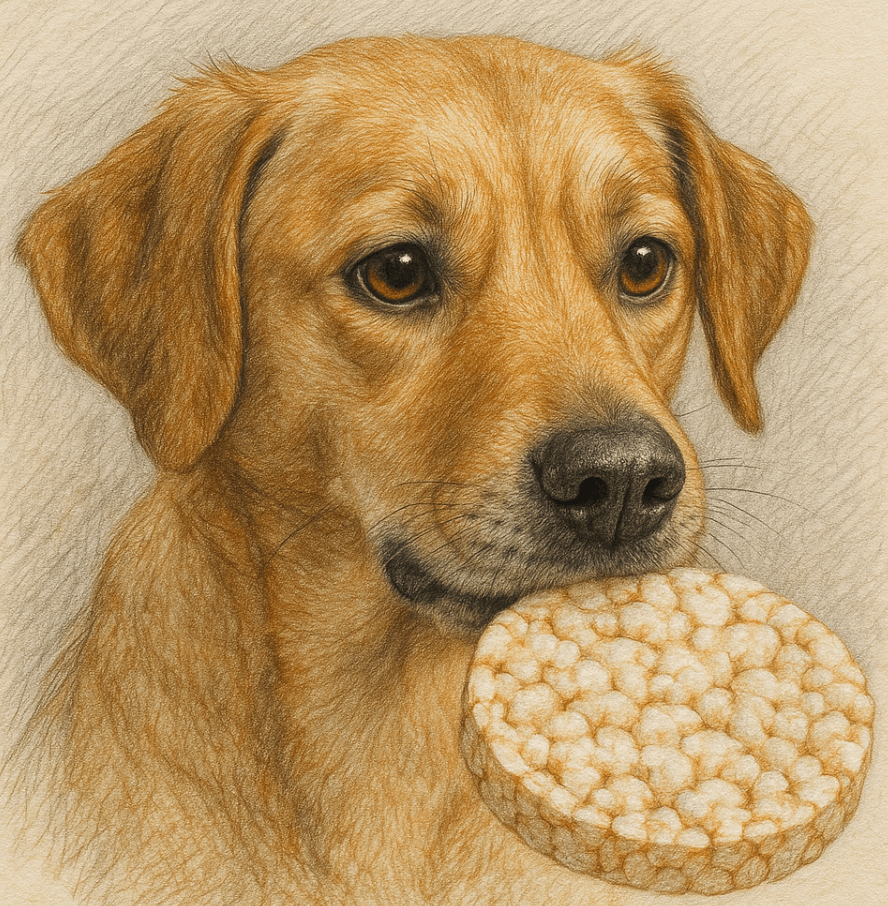
Can Dogs Eat Rice Cakes?


Rice cakes have become a popular snack for humans due to their light texture and low calorie count. But can our furry friends enjoy them too? If you’ve ever wondered whether rice cakes are safe for dogs, you’re not alone. Many pet owners are curious about incorporating human snacks into their dog’s diet, but it’s essential to understand the potential benefits and risks before sharing your treats. In this blog post, we’ll explore everything you need to know about feeding rice cakes to dogs, from nutritional considerations to safer alternatives. By the end, you’ll have a clear understanding of how to make informed decisions about your pup’s diet.

Are Rice Cakes Safe for Dogs?


While rice cakes are not toxic to dogs, they aren’t necessarily a healthy or ideal snack either. Here’s what you need to know about their safety and potential effects on your dog’s health.

 
  • Low Nutritional Value:
    Rice cakes are primarily made of puffed rice and lack essential nutrients like protein, vitamins, and minerals that dogs need in their diet.

  • High Glycemic Index:
    The carbohydrates in rice cakes can cause rapid spikes in blood sugar, which may be problematic for dogs with diabetes or weight issues.

  • Choking Hazard:
    The hard and crunchy texture of rice cakes can pose a choking risk, especially for small breeds or dogs that gulp their food.

  • Potential for Digestive Upset:
    Some dogs may experience gas, bloating, or diarrhea after consuming rice cakes due to their high carbohydrate content.

  • Additives and Flavors:
    Many rice cakes come with added salt, sugar, or artificial flavors, which can be harmful to dogs if consumed in large amounts.


While plain rice cakes in moderation might not harm your dog, they should never replace a balanced diet or serve as a regular treat.

Benefits of Feeding Plain Rice Cakes (In Moderation)


If you decide to share a plain rice cake with your dog, there are a few potential benefits to consider—though they are minimal compared to other healthier options.

 
  • Low-Calorie Treat Option:
    Rice cakes are low in calories, making them a better choice than high-fat or sugary snacks for dogs watching their weight.

  • Easy to Digest (For Some Dogs):
    Plain rice cakes may be gentle on the stomach for dogs that tolerate grains well and don’t have sensitivities to carbohydrates.

  • Customizable Topping Base:
    You can spread a thin layer of peanut butter (xylitol-free) or cream cheese on a small piece of rice cake to create a more appealing treat.

  • Encourages Slow Eating:
    The light, airy texture forces some dogs to chew slowly, reducing the risk of overeating or gulping food.

  • Budget-Friendly Snack:
    Rice cakes are inexpensive and widely available, making them a convenient occasional treat for your pup.


While these benefits exist, it’s important to remember that rice cakes should only be given sparingly and in small portions.

Can Dogs Eat Rice Cakes? Best 7 Expert Tips!
Safe Ingredients for Dogs
Ingredients to Avoid in Rice Cakes
Plain, unsalted rice cakes
Rice cakes with added salt or sugar
Natural peanut butter (xylitol-free)
Artificial sweeteners like xylitol
Small amounts of plain cream cheese
Flavored rice cakes with spices
Homemade plain rice treats
Rice cakes with chocolate coatings
Cooked white or brown rice
Rice cakes with dried fruit toppings

How to Safely Introduce Rice Cakes to Your Dog


If you decide to offer your dog a rice cake, it’s crucial to do so safely to avoid any adverse reactions. Follow these guidelines to ensure a positive experience.

 
  • Choose Plain Varieties Only:
    Opt for unflavored, unsalted rice cakes without added sugar, spices, or artificial ingredients.

  • Break Into Small Pieces:
    Cut the rice cake into bite-sized chunks to prevent choking and make it easier to digest.

  • Monitor for Allergic Reactions:
    Watch for signs of allergies, such as itching, swelling, or gastrointestinal upset, after introducing rice cakes.

  • Limit Portion Sizes:
    Offer no more than one or two small pieces at a time to avoid overloading their system with carbs.

  • Pair with Healthier Foods:
    Combine a small piece of rice cake with nutrient-dense foods like cooked chicken or vegetables for added value.


By following these steps, you can minimize risks while allowing your dog to enjoy an occasional rice cake treat.

Signs Your Dog May Not Tolerate Rice Cakes


Not all dogs will react well to rice cakes, even in small amounts. Keep an eye out for these warning signs that indicate your dog may not tolerate them.

 
  • Upset Stomach:
    Symptoms like vomiting, diarrhea, or excessive gas could signal digestive distress caused by the rice cake.

  • Lethargy or Discomfort:
    A sudden lack of energy or visible discomfort might suggest an intolerance to the snack.

  • Allergic Reactions:
    Itching, redness, or swelling around the face or paws may indicate an allergic response to an ingredient in the rice cake.

  • Weight Gain:
    Regular consumption of carb-heavy snacks like rice cakes can contribute to unhealthy weight gain over time.

  • Behavioral Changes:
    Increased restlessness, pacing, or refusal to eat other meals could point to dissatisfaction or discomfort.


Recognizing these signs early allows you to adjust your dog’s diet and prevent further issues.

Common Mistakes to Avoid When Feeding Rice Cakes to Dogs


Feeding rice cakes to your dog requires caution to avoid unintended consequences. Here are some common mistakes to steer clear of.

 
  • Offering Flavored Varieties:
    Flavored rice cakes often contain ingredients like salt, sugar, or artificial additives that can harm your dog.

  • Giving Large Portions:
    Feeding an entire rice cake can overwhelm your dog’s digestive system and lead to discomfort or weight gain.

  • Ignoring Underlying Health Conditions:
    Dogs with diabetes, obesity, or grain sensitivities may experience complications from consuming rice cakes.

  • Using Rice Cakes as a Regular Treat:
    Relying on rice cakes as a daily snack deprives your dog of essential nutrients found in healthier options.

  • Skipping Observation After Feeding:
    Failing to monitor your dog for adverse reactions can delay addressing potential issues.


Avoiding these mistakes ensures a safer and healthier experience for your dog.

Healthier Alternatives to Rice Cakes for Dogs


If you’re looking for nutritious and dog-friendly snacks, consider these alternatives to rice cakes that provide better value for your pup.

 
  • Plain Cooked Rice:
    Cooked white or brown rice is easier to digest and can soothe an upset stomach when paired with lean protein.

  • Carrot Sticks:
    Crunchy and low-calorie, carrots are a great source of fiber and vitamins for dogs.

  • Apple Slices (Seedless):
    Apples are a sweet, hydrating snack rich in vitamins A and C, though seeds and cores should always be removed.

  • Pumpkin Puree:
    Unsweetened pumpkin puree aids digestion and provides fiber without the empty calories of rice cakes.

  • Homemade Dog Treats:
    Baking your own treats with wholesome ingredients ensures complete control over what your dog consumes.


These alternatives offer more nutritional benefits while satisfying your dog’s craving for variety.


Understanding Your Dog’s Unique Dietary Needs


Every dog is different, and their dietary needs vary based on factors like age, size, breed, and activity level. Here’s how to tailor their diet accordingly.

 
  • Age Considerations:
    Puppies require nutrient-dense diets to support growth, while senior dogs benefit from lower-calorie, joint-supportive foods.

  • Size and Breed Differences:
    Smaller breeds may need softer, bite-sized treats, while larger breeds can handle heartier snacks.

  • Activity Levels:
    Highly active dogs burn more calories and may tolerate carb-heavy snacks better than sedentary pets.

  • Food Sensitivities:
    Some dogs are sensitive to grains or certain proteins, requiring specialized diets free from allergens.

  • Veterinary Guidance:
    Consulting your vet ensures your dog’s diet aligns with their specific health requirements and lifestyle.


By tailoring their diet to their unique needs, you can ensure your dog thrives and remains healthy throughout their life.

Frequently Asked Questions About Dogs and Rice Cakes

 
Can puppies eat rice cakes?

Puppies have sensitive digestive systems, so it’s best to avoid rice cakes altogether and stick to puppy-safe treats.

No, flavored rice cakes often contain additives like salt, sugar, or artificial flavors that can harm dogs.

Monitor them closely for signs of choking, digestive upset, or discomfort, and contact your vet if symptoms arise.

While plain white rice is sometimes recommended for upset stomachs, rice cakes are too processed to provide the same benefit.

Rice cakes should only be given occasionally, no more than once every few weeks, and in very small amounts.

Making Smart Choices for Your Dog’s Diet


While rice cakes aren’t inherently dangerous for dogs, they offer little nutritional value and should be treated as an occasional indulgence rather than a staple snack. Understanding your dog’s dietary needs and monitoring their reactions to new foods ensures their long-term health and happiness. Instead of relying on rice cakes, consider healthier alternatives like fresh fruits, vegetables, or specially formulated dog treats. Remember, your dog’s diet plays a vital role in their overall well-being, so always prioritize quality and balance. With careful consideration, you can keep your pup happy, healthy, and satisfied.

 
Newfoundland Dog Personality: Best 7 Expert Tips!

Newfoundland Dog Personality: Best 7 Expert Tips! – Discover the gentle, loyal, and protective nature of this giant breed perfect for families.

Can Hot Pavement Burn Your Cats Paws? Best 7 Expert Tips!

Can Hot Pavement Burn Your Cats Paws? Best 7 Expert Tips! – Learn how to protect your cat’s paws from hot surfaces and prevent painful burns this summer.

Can Hot Pavement Burn Your Dogs Paws? Best 7 Expert Tips!

Can Hot Pavement Burn Your Dogs Paws? Best 7 Expert Tips! – Learn how to protect your dog’s paws from hot surfaces and ensure safe summer walks.

Irish Wolfhound Size: Best 7 Expert Tips!

Irish Wolfhound Size: Best 7 Expert Tips! – Discover the ideal height, weight, and care tips for this majestic giant breed. Learn how to manage their impressive stature responsibly.

Leave a Reply

Your email address will not be published. Required fields are marked *