Can Dogs Eat Pork Liver? A Complete Guide for Pet Owners
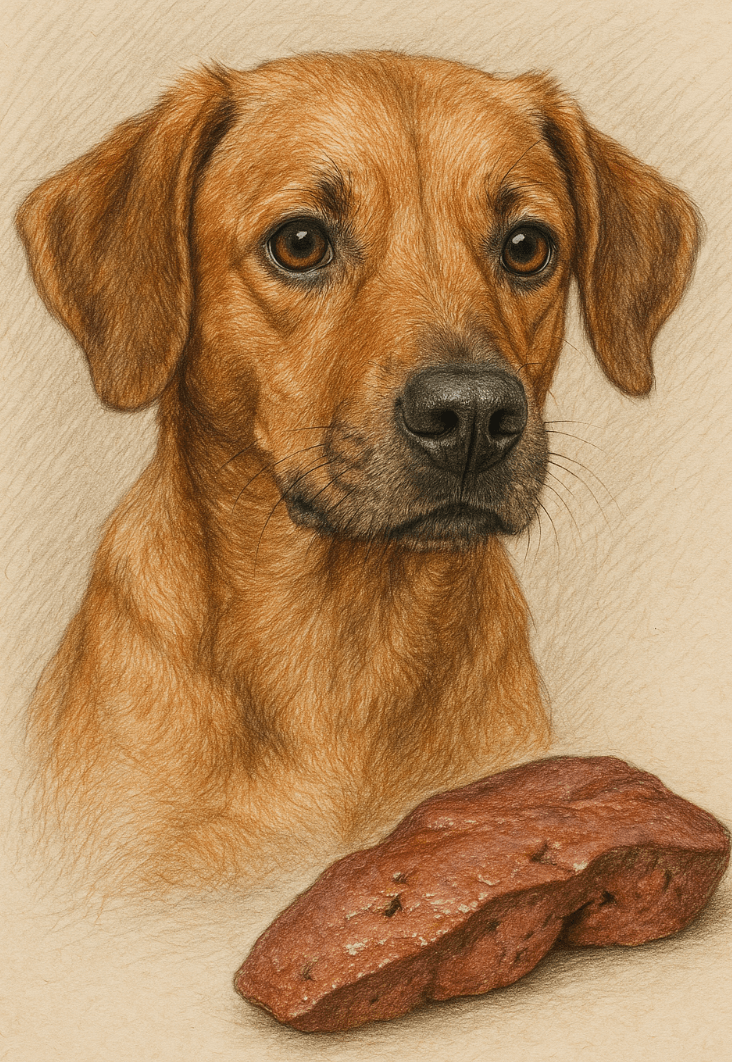
Pork liver is a nutrient-rich food that many humans enjoy, but can dogs eat pork liver safely? This question often arises among pet owners looking to supplement their dog’s diet with healthy, protein-packed options. While pork liver can provide essential vitamins and minerals, it’s crucial to understand the potential risks and proper preparation methods before offering it to your furry friend. In this blog post, we’ll explore everything you need to know about feeding pork liver to dogs, including its benefits, drawbacks, and safer alternatives. By the end, you’ll be equipped with expert tips to make informed decisions about your dog’s nutrition.
Potential Benefits of Feeding Pork Liver to Dogs
When prepared and served correctly, pork liver can offer several health benefits for dogs. Its rich nutrient profile makes it an excellent occasional treat or dietary supplement.
High in Protein:
Pork liver is packed with high-quality protein, which supports muscle development and overall energy levels.Rich in Vitamins:
It contains essential vitamins like A, B12, and folate, which contribute to healthy skin, coat, and immune function.Iron Content:
The iron in pork liver helps prevent anemia and promotes healthy red blood cell production.Omega-3 Fatty Acids:
These healthy fats support brain function, joint health, and reduce inflammation.Cost-Effective Option:
Compared to other organ meats, pork liver is often more affordable while still being highly nutritious.
While these benefits make pork liver appealing, moderation and preparation are key to avoiding potential issues.
Risks of Feeding Pork Liver to Dogs
Despite its nutritional value, pork liver comes with certain risks that every pet owner should consider before adding it to their dog’s diet.
Vitamin A Toxicity:
Excessive consumption of pork liver can lead to vitamin A toxicity, causing symptoms like lethargy, bone pain, and digestive upset.High Fat Content:
Pork liver contains a significant amount of fat, which may upset your dog’s stomach or lead to pancreatitis in sensitive breeds.Risk of Parasites:
Raw pork liver may harbor parasites or bacteria like E. coli or Salmonella, posing health risks to both dogs and humans.Allergic Reactions:
Some dogs may develop allergies or sensitivities to pork products, resulting in itching, vomiting, or diarrhea.Imbalanced Diet Risks:
Relying too heavily on pork liver as a food source can disrupt your dog’s balanced diet, leading to nutritional deficiencies.
Understanding these risks ensures you feed pork liver responsibly and prioritize your dog’s health.
Check this guide 👉Can Dogs Eat Sorbitol? Best 7 Expert Tips!
Check this guide 👉Can Dogs Eat Persimmons? Best 7 Expert Tips!
Check this guide 👉Can Dogs Eat Legumes? Best 7 Expert Tips!
Benefits of Pork Liver for Dogs | Risks of Feeding Pork Liver |
|---|---|
High in protein | Risk of vitamin A toxicity |
Rich in essential vitamins | Potential for high-fat digestive issues |
Supports healthy red blood cells | Risk of parasites in raw liver |
Affordable nutrient source | Possible allergic reactions |
Promotes skin and coat health | Can disrupt dietary balance if overfed |
How to Safely Feed Pork Liver to Your Dog
If you decide to include pork liver in your dog’s diet, following these guidelines will help ensure their safety and well-being.
Cook Thoroughly:
Always cook pork liver to kill any harmful bacteria or parasites. Avoid seasoning or adding salt, garlic, or onions.Serve in Moderation:
Limit pork liver to small portions no more than once or twice a week to prevent nutrient imbalances.Monitor for Allergies:
Watch for signs of allergic reactions, such as itching, swelling, or gastrointestinal distress, after introducing pork liver.Consult Your Veterinarian:
Seek professional advice before making significant changes to your dog’s diet, especially if they have underlying health conditions.Combine with Balanced Foods:
Pair pork liver with other nutrient-rich foods to maintain a well-rounded diet for your dog.
By adhering to these practices, you can safely incorporate pork liver into your dog’s meals without compromising their health.
Signs Your Dog May Have Eaten Too Much Pork Liver
Overfeeding pork liver can lead to adverse effects, so it’s important to recognize warning signs early. Here’s what to look out for if your dog consumes excessive amounts.
Lethargy and Weakness:
Vitamin A toxicity can cause fatigue and a noticeable decline in energy levels.Digestive Issues:
Symptoms like vomiting, diarrhea, or constipation may indicate an upset stomach from high fat content.Bone Pain or Stiffness:
Excessive vitamin A can weaken bones, leading to discomfort or difficulty moving.Loss of Appetite:
If your dog suddenly refuses food, it could signal an underlying issue caused by dietary imbalance.Skin Irritation:
Allergic reactions may manifest as rashes, itching, or hot spots on your dog’s skin.
Addressing these symptoms promptly by consulting your vet ensures your dog stays healthy and comfortable.
Common Mistakes to Avoid When Feeding Pork Liver
Even well-intentioned pet owners can make mistakes when introducing pork liver to their dog’s diet. Avoiding these pitfalls ensures a safer experience for your pup.
Feeding Raw Liver:
Raw pork liver carries risks of bacterial infections and should never be fed uncooked.Overfeeding:
Too much pork liver can overwhelm your dog’s system, leading to nutrient imbalances or toxicity.Adding Harmful Seasonings:
Ingredients like salt, garlic, or onions can harm your dog’s digestive system and should be avoided entirely.Ignoring Portion Control:
Large servings, even infrequently, can still harm your dog’s health; stick to recommended portion sizes.Skipping Veterinary Advice:
Always consult your vet before introducing new foods, especially nutrient-dense options like pork liver.
Avoiding these mistakes keeps your dog safe and healthy while enjoying the occasional treat.
Healthier Alternatives to Pork Liver for Dogs
If you’re hesitant about feeding pork liver, there are plenty of alternatives that offer similar nutritional benefits without the associated risks.
Chicken Liver:
Lower in fat and easier to digest, chicken liver is a popular choice for dogs.Beef Liver:
Packed with nutrients, beef liver is another safe option when served in moderation.Commercial Dog Supplements:
Specially formulated supplements mimic the nutrient profile of organ meats without the risks.Lean Meats:
Cooked chicken, turkey, or lean ground beef provides protein without the high fat content of pork liver.Vegetable-Based Treats:
Carrots, sweet potatoes, and pumpkin offer fiber and vitamins for a balanced diet.
These alternatives allow you to diversify your dog’s diet while keeping them healthy and satisfied.
Fun Ways to Incorporate Pork Liver into Your Dog’s Diet
If you decide to feed pork liver, here are some creative ways to include it in your dog’s meals while maintaining variety and excitement.
Mix with Kibble:
Chop cooked pork liver into small pieces and mix it with your dog’s regular kibble for added flavor.Homemade Treats:
Blend cooked pork liver with oats or rice to create homemade biscuits your dog will love.Freeze for Summer Snacks:
Puree cooked pork liver and freeze it in ice cube trays for refreshing summer treats.Top with Veggies:
Serve pork liver alongside steamed carrots or green beans for a balanced meal.Use as Training Rewards:
Cut pork liver into tiny cubes and use it as a high-value reward during training sessions.
These ideas make feeding pork liver enjoyable for both you and your dog while enhancing their diet creatively.
Frequently Asked Questions About Feeding Pork Liver to Dogs
Is raw pork liver safe for dogs?
No, raw pork liver poses a risk of bacterial contamination and should always be cooked thoroughly.
How much pork liver can I feed my dog?
Limit servings to small amounts (1-2 teaspoons per 20 pounds of body weight) and no more than once or twice a week.
Can puppies eat pork liver?
Yes, but only in very small amounts and under veterinary supervision due to their developing digestive systems.
What are safer alternatives to pork liver?
Chicken liver, beef liver, or commercial dog supplements designed to mimic organ meat nutrients are safer options.
What should I do if my dog shows signs of illness?
Contact your veterinarian immediately to address potential complications from consuming pork liver.
Prioritizing Your Dog’s Health When Feeding Pork Liver
Feeding pork liver to your dog can be a nutritious addition to their diet when done responsibly. However, understanding the potential risks and adhering to safe preparation methods is essential to avoid complications. Whether you choose to offer pork liver occasionally or opt for alternative supplements, always prioritize your dog’s overall health and dietary balance. By staying informed and consulting your veterinarian, you can ensure your furry companion enjoys a happy, healthy life filled with tasty and nutritious treats.
Newfoundland Dog Personality: Best 7 Expert Tips! – Discover the gentle, loyal, and protective nature of this giant breed perfect for families.
Can Hot Pavement Burn Your Cats Paws? Best 7 Expert Tips! – Learn how to protect your cat’s paws from hot surfaces and prevent painful burns this summer.
Can Hot Pavement Burn Your Dogs Paws? Best 7 Expert Tips! – Learn how to protect your dog’s paws from hot surfaces and ensure safe summer walks.
Irish Wolfhound Size: Best 7 Expert Tips! – Discover the ideal height, weight, and care tips for this majestic giant breed. Learn how to manage their impressive stature responsibly.