
Can Dogs Eat Chives? What You Need to Know
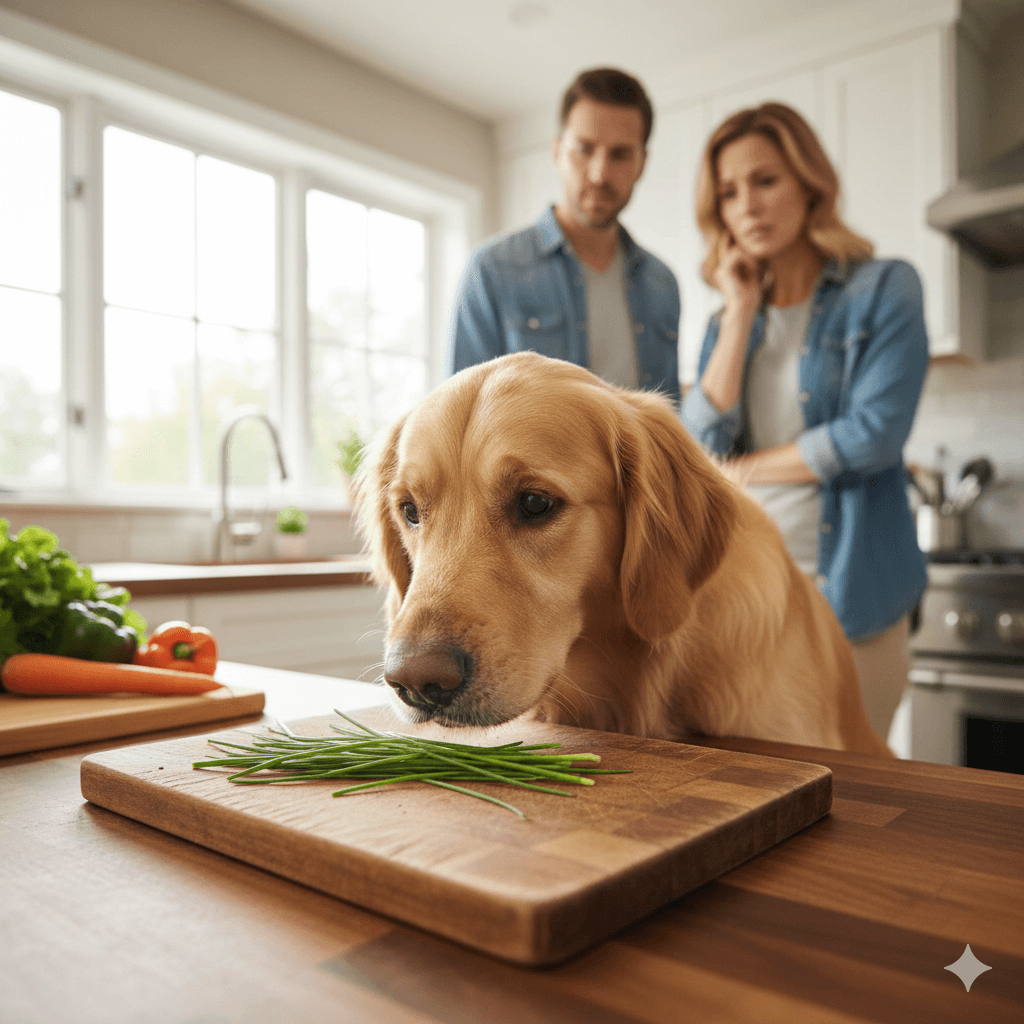
Chives may seem like a harmless herb, but they belong to the same family as garlic and onions—both of which are toxic to dogs. While small amounts might not always cause immediate harm, repeated exposure or large quantities can lead to serious health issues. Understanding the risks helps you keep your furry friend safe from accidental poisoning.
Why Chives Are Harmful to Dogs
Chives, like garlic and onions, contain sulfur compounds that can damage a dog’s red blood cells, leading to hemolytic anemia. While occasional exposure might not always cause immediate harm, repeated ingestion or large amounts pose significant risks. The toxic effects of chives are cumulative, meaning even small doses over time can result in severe health complications. Understanding the specific dangers helps you recognize why this herb should never be part of your dog’s diet.
- Thiosulfate Toxicity:
Thiosulfates in chives disrupt the integrity of red blood cells, causing them to rupture and impair oxygen transport throughout the body. This leads to symptoms like weakness, lethargy, and pale gums as the body struggles to compensate for reduced oxygen levels. - Gastrointestinal Upset:
Chives irritate the lining of a dog’s stomach and intestines, often triggering vomiting, diarrhea, or loss of appetite shortly after ingestion. These symptoms may appear mild but indicate the beginning of potential systemic toxicity. - Delayed Onset of Symptoms:
Unlike some toxins that cause immediate reactions, chive poisoning symptoms may take 1–3 days to manifest. This delay makes it challenging for owners to connect their dog’s illness to chive ingestion unless they actively monitor their pet’s activities. - Cumulative Damage Over Time:
Even small amounts of chives consumed repeatedly can accumulate in a dog’s system, increasing the risk of chronic conditions like anemia or organ stress. Regular exposure is particularly dangerous for smaller breeds or sensitive dogs. - Breed-Specific Vulnerabilities:
Certain breeds, such as Akitas and Shiba Inus, have genetic predispositions to hemolytic anemia, making them more susceptible to the damaging effects of chives. Owners of these breeds must exercise extra caution to prevent accidental ingestion.
The toxic properties of chives make them unsafe for dogs in any form—whether raw, cooked, powdered, or mixed into food. Always prioritize your dog’s safety by keeping chives out of reach.
Common Symptoms of Chive Poisoning in Dogs
If your dog has eaten chives, recognizing the symptoms early can save their life. These signs often mimic other illnesses, so it’s crucial to consider recent dietary indiscretions when diagnosing the issue. Symptoms vary depending on the amount ingested and your dog’s size, breed, and overall health. Early detection ensures timely veterinary intervention and better outcomes.
- Vomiting and Diarrhea:
Gastrointestinal distress is one of the first signs; vomiting may contain traces of chives or accompanying foods, while diarrhea could range from mild softness to watery discharge with mucus or blood. - Lethargy and Weakness:
Dogs affected by chive toxicity often become unusually tired or reluctant to move due to reduced oxygen-carrying capacity in their bloodstream caused by damaged red blood cells. - Pale or Yellowish Gums:
Jaundice (yellowing) or pale gums signal hemolytic anemia, where red blood cells break down faster than the body can replace them, compromising circulation and energy levels. - Rapid Breathing or Panting:
Increased respiratory effort compensates for low oxygen levels, as the damaged red blood cells struggle to deliver sufficient oxygen to tissues and organs. - Dark Urine or Hemoglobinuria:
Dark-colored urine indicates the presence of hemoglobin released from ruptured red blood cells—a clear sign of advanced hemolytic anemia requiring urgent care.
If your dog displays any combination of these symptoms, especially after known chive ingestion, seek veterinary assistance immediately to prevent further complications.
Check this guide 👉Can Dogs Eat Apple Skin? Best 7 Expert Tips!
Check this guide 👉Can Dogs Eat Brown Rice? Best 7 Expert Tips!
Check this guide 👉Can Dogs Eat Walnuts? Best 7 Expert Tips!
Early Warning Signs | Immediate Actions to Take |
|---|---|
Vomiting or diarrhea | Call your vet or pet poison hotline immediately |
Lethargy or weakness | Monitor breathing and gum color closely |
Pale or yellow gums | Avoid inducing vomiting without professional advice |
Dark urine or discolored stool | Keep your dog calm and restrict activity |
Known chive ingestion | Bring packaging or details about quantity ingested |
How Much Chive Is Dangerous for Dogs?
The level of toxicity depends on several factors, including your dog’s size, breed, and the quantity of chives consumed. Larger dogs may tolerate slightly higher amounts, but no dog is immune to the harmful effects of chives. Even seemingly harmless quantities can lead to severe consequences if ingested regularly or combined with other toxic foods.
- Small Dogs (under 20 lbs):
A single teaspoon of chopped chives or a few bites of food containing chives can cause noticeable symptoms in small breeds due to their lower body weight and reduced tolerance for toxins. - Medium Dogs (20–50 lbs):
While medium-sized dogs may handle slightly larger amounts, consuming more than a tablespoon of chives increases the risk of mild to moderate toxicity, requiring veterinary observation. - Large Dogs (over 50 lbs):
Though larger breeds are less vulnerable, ingesting multiple tablespoons of chives or repeated small doses over time still poses significant risks, especially for breeds prone to hemolytic anemia. - Cumulative Exposure Risks:
Even tiny amounts consumed sporadically add up over weeks or months, leading to chronic anemia or other long-term health issues that are harder to reverse. - Cooked vs. Raw Chives:
Cooking does not eliminate the toxic compounds in chives; whether raw or cooked, they remain equally harmful to dogs. Powdered forms, such as those in seasoning blends, are also dangerous due to concentrated thiosulfates.
Understanding these thresholds helps you assess the situation accurately and respond appropriately if your dog accidentally eats chives.
Immediate Steps to Take If Your Dog Eats Chives
Acting quickly minimizes the risk of severe complications if your dog consumes chives. First aid measures stabilize your dog until professional veterinary care can be provided. Never attempt treatments without consulting a vet, as improper actions may worsen the condition.
- Do Not Induce Vomiting Without Guidance:
Forcing vomiting can irritate the throat or cause aspiration pneumonia unless explicitly advised by a veterinarian familiar with your dog’s case. - Offer Fresh Water Immediately:
Encourage hydration to help flush toxins from the system, but avoid forcing water if your dog refuses to drink voluntarily. - Call a Pet Poison Helpline:
Experts provide tailored advice based on your dog’s weight, breed, and the amount of chives ingested, helping you determine the next steps. - Monitor Closely for Symptoms:
Watch for changes in behavior, appetite, energy levels, or physical signs like vomiting, diarrhea, or pale gums over the next 48 hours. - Prepare for Veterinary Evaluation:
Bring any remaining chives or packaging to the vet appointment to assist in assessing toxicity levels and planning treatment accordingly.
Timely intervention significantly improves recovery chances, ensuring your dog receives the care they need to overcome chive poisoning safely.
Treatment Options for Chive Toxicity in Dogs
Veterinarians use various methods to manage chive poisoning, focusing on stabilizing your dog and preventing long-term damage. Early intervention improves outcomes dramatically, so prompt action is essential. Treatment plans depend on the severity of symptoms and the amount of chives ingested.
- Activated Charcoal Administration:
Charcoal binds to toxins in the digestive tract, reducing absorption into the bloodstream and limiting further damage to red blood cells. - IV Fluid Therapy:
Intravenous fluids support hydration, promote toxin elimination through urination, and maintain kidney function during recovery. - Blood Tests and Monitoring:
Complete blood counts and serum chemistry panels detect anemia, liver stress, or other complications arising from chive toxicity. - Oxygen Therapy:
Supplemental oxygen alleviates respiratory distress caused by reduced oxygen-carrying capacity, ensuring vital organs receive adequate oxygenation. - Hospitalization for Severe Cases:
Prolonged observation in a veterinary clinic allows continuous monitoring and treatment adjustments as needed, especially for dogs with advanced hemolytic anemia.
Modern veterinary medicine offers excellent chances of full recovery with timely and appropriate care, even in severe cases of chive poisoning.
Preventing Future Chive Exposure
Prevention is the best way to protect your dog from chive toxicity. Simple precautions reduce the risk of accidental ingestion and create a safer environment for your furry companion. Educating yourself and others about toxic foods ensures your dog remains healthy and happy.
- Secure Food Storage:
Keep chives, onions, garlic, and other toxic herbs in sealed containers out of your dog’s reach to prevent accidental snacking. - Avoid Feeding Table Scraps:
Many human dishes contain hidden chives or similar ingredients; stick to species-appropriate diets instead of sharing meals with your dog. - Use Pet-Safe Recipes Only:
When cooking for your dog, avoid all forms of chives, garlic, onions, or related herbs entirely to ensure their meals remain safe and nutritious. - Train “Leave It” Commands:
Teaching this command prevents your dog from eating dropped or unknown items, reducing the risk of accidental ingestion during walks or at home. - Educate Family Members and Guests:
Ensure everyone in your household knows which foods are unsafe for dogs, emphasizing the importance of keeping chives and other hazards away.
Proactive measures minimize risks and foster a healthier, happier life for your canine companion, free from preventable illnesses.
Long-Term Effects of Chive Toxicity
While most dogs recover fully with prompt treatment, some cases result in lingering effects that require ongoing management. Chronic conditions stemming from chive toxicity demand regular veterinary care and lifestyle adjustments to ensure your dog thrives despite past challenges. Understanding these possibilities prepares you for long-term commitments to your pet’s well-being.
- Chronic Anemia:
Severe red blood cell damage may lead to persistent low red blood cell counts, requiring supplements, medication, or dietary modifications to manage effectively. - Liver or Kidney Stress:
Processing toxins strains these vital organs, necessitating frequent blood work and monitoring to detect complications early and maintain functionality. - Behavioral Changes:
Some dogs become more cautious or anxious after experiencing toxicity, potentially altering their personality or interactions with humans and other animals. - Dietary Restrictions:
Long-term avoidance of chives, garlic, onions, and similar toxins becomes mandatory to prevent recurrence and safeguard your dog’s health moving forward. - Increased Veterinary Visits:
Regular check-ups ensure early detection of complications or underlying issues, allowing for timely interventions and improved quality of life.
Early recognition and consistent care mitigate long-term impacts, enabling your dog to live happily despite past exposure to harmful substances.
Frequently Asked Questions About Chive Toxicity in Dogs
Can dogs eat small amounts of chives without harm?
Even small amounts can be harmful, especially if consumed repeatedly or by breeds prone to hemolytic anemia. Always err on the side of caution and avoid feeding chives altogether.
How soon will symptoms appear after my dog eats chives?
Symptoms may take 1–3 days to appear due to the delayed onset of toxicity, making it crucial to monitor your dog closely during this period.
What should I do if my dog accidentally eats chives?
Contact your veterinarian or a pet poison helpline immediately, monitor for symptoms, and avoid inducing vomiting without professional guidance.
Are cooked chives safer than raw ones?
No—cooking does not eliminate the toxic compounds in chives; both raw and cooked forms are equally dangerous to dogs.
Can chive toxicity lead to death in dogs?
In severe cases, untreated chive poisoning can cause life-threatening conditions like hemolytic anemia or organ failure, underscoring the importance of prompt veterinary care.
Protecting Your Dog from Harmful Foods
Discovering that your dog ate chives can be alarming, but staying informed and acting quickly makes all the difference. By understanding the risks, recognizing symptoms, and taking preventive measures, you safeguard your furry friend from accidental poisoning. Remember, even seemingly harmless foods can pose significant dangers to dogs, so always prioritize their safety by keeping toxic items out of reach. With vigilance, education, and proactive care, you ensure a healthier, happier life for your loyal companion—one free from preventable illnesses.
Cat Anaphylactic Shock Treatment Costs: Best 7 Expert Tips! – Learn about costs, treatments, and financial aid options to save your cat’s life.
Exocrine Pancreatic Insufficiency in Cats: Best 7 Tips! – Learn to spot symptoms, manage EPI effectively, and improve your cat’s quality of life with expert advice.
Cost of Dog Anaphylactic Shock Treatment: Best 7 Tips! – Learn about emergency costs, financial planning, and ways to manage expenses for your dog’s care.
Exocrine Pancreatic Insufficiency in Dogs: Best 7 Tips! – Learn to spot symptoms, manage EPI effectively, and improve your dog’s quality of life with expert guidance.