

Can Dogs Eat Apple Skin? Best 7 Expert Tips!

Can Dogs Eat Apple Skin? Best 7 Expert Tips!

Can Dogs Eat Apple Skin?


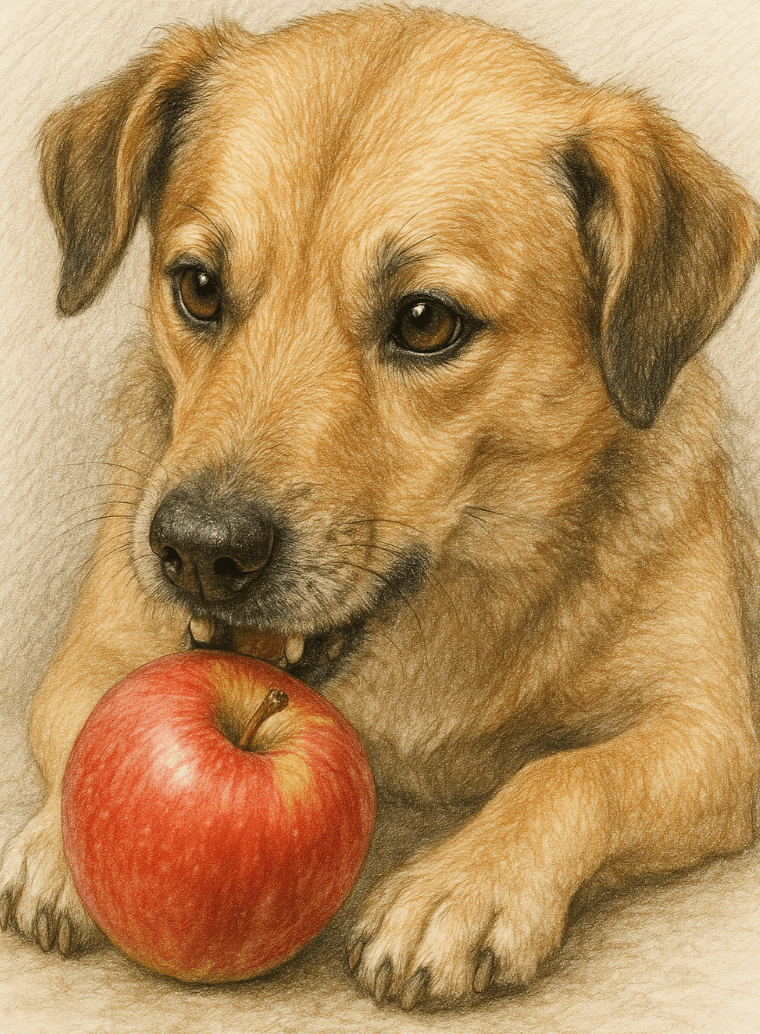
If you’ve ever wondered whether your furry friend can enjoy the skin of an apple, you’re not alone. Many dog owners are curious about what human foods are safe to share with their pets, and apples often come up as a healthy snack option. While apples themselves are packed with nutrients like fiber and vitamin C, it’s important to consider whether the skin poses any risks or benefits for dogs. In this blog post, we’ll explore everything you need to know about feeding apple skin to your dog, from its nutritional value to potential hazards. By the end, you’ll have all the information you need to make an informed decision about including apple skin in your dog’s diet.

Is Apple Skin Safe for Dogs?


Apple skin is generally safe for dogs to eat, but there are a few factors to keep in mind to ensure it doesn’t cause any harm. Here’s what you should know before offering your dog this part of the fruit.

 
  • Pesticide Residue Concerns:
    Apple skins may contain traces of pesticides or chemicals used during farming. Always wash apples thoroughly before giving them to your dog.

  • Choking Hazards:
    Large pieces of apple skin can pose a choking risk, especially for smaller breeds. Cut the apple into small, manageable pieces.

  • Digestive Sensitivity:
    Some dogs may experience mild stomach upset if they consume too much apple skin. Introduce it gradually to monitor their reaction.

  • Natural Sugar Content:
    Apples contain natural sugars, so moderation is key to avoid excessive calorie intake or digestive issues.

  • Allergic Reactions (Rare):
    Although uncommon, some dogs may have sensitivities or allergies to certain fruits. Watch for signs like itching or vomiting after consumption.


By addressing these considerations, you can confidently include apple skin in your dog’s diet without worrying about adverse effects.

Health Benefits of Apple Skin for Dogs


Feeding your dog apple skin can provide several health benefits, thanks to its nutrient-rich composition. Here’s why this part of the apple is worth considering as an occasional treat.

 
  • Rich in Fiber:
    The fiber in apple skin supports healthy digestion and can help regulate bowel movements in dogs.

  • High Antioxidant Content:
    Apple skin contains antioxidants that combat free radicals, promoting overall immune system health.

  • Low-Calorie Snack Option:
    Compared to many commercial dog treats, apple skin is a low-calorie alternative that won’t contribute to weight gain.

  • Supports Dental Health:
    Chewing on small pieces of apple skin can help clean teeth by reducing plaque buildup.

  • Vitamin Boost:
    Apple skin is a good source of vitamin C, which aids in collagen production and boosts energy levels.


These benefits make apple skin a nutritious addition to your dog’s diet when offered in moderation.

Can Dogs Eat Apple Skin? Best 7 Expert Tips!
Benefits of Apple Skin for Dogs
Risks to Watch Out For
High in dietary fiber
Potential pesticide residue
Packed with antioxidants
Risk of choking if not cut properly
Supports dental hygiene
Digestive upset in sensitive dogs
Low-calorie treat option
Allergic reactions (rare cases)
Rich in vitamins like Vitamin C
Excessive sugar intake if overfed

How to Safely Feed Apple Skin to Your Dog


To ensure your dog enjoys apple skin safely, follow these practical tips to minimize risks and maximize benefits.

 
  • Wash Thoroughly:
    Rinse the apple under running water to remove dirt, wax, and pesticide residues before serving.

  • Remove the Core and Seeds:
    Always discard the core and seeds, as they contain cyanide-producing compounds that are toxic to dogs.

  • Cut into Small Pieces:
    Slice the apple into bite-sized chunks to prevent choking, especially for smaller or younger dogs.

  • Introduce Gradually:
    Start with a small amount of apple skin to see how your dog reacts before offering larger portions.

  • Monitor for Adverse Reactions:
    Keep an eye out for symptoms like diarrhea, vomiting, or excessive gas after introducing apple skin.


Following these guidelines ensures your dog enjoys apple skin safely while reaping its nutritional benefits.

Signs Your Dog May Not Tolerate Apple Skin


While most dogs tolerate apple skin well, some may experience adverse reactions. Recognizing these signs early can help you act quickly to protect your pet.

 
  • Upset Stomach:
    Symptoms like vomiting or diarrhea may indicate that your dog’s digestive system isn’t handling the apple skin well.

  • Excessive Gas:
    Increased flatulence could signal that your dog is struggling to digest the fiber in apple skin.

  • Loss of Appetite:
    If your dog refuses food after eating apple skin, it might be a sign of discomfort or nausea.

  • Itching or Swelling:
    Allergic reactions can manifest as itching, swelling, or redness around the face or paws.

  • Lethargy or Weakness:
    Unusual tiredness or lack of energy may suggest a more serious issue requiring veterinary attention.


Being vigilant about these signs allows you to adjust your dog’s diet accordingly and seek professional advice if needed.

Common Mistakes to Avoid When Feeding Apple Skin


When introducing apple skin to your dog, avoiding common mistakes can prevent unnecessary risks. Here’s what to steer clear of.

 
  • Skipping the Washing Step:
    Failing to wash the apple increases the risk of exposing your dog to harmful chemicals or bacteria.

  • Leaving the Seeds In:
    Apple seeds release cyanide when chewed, posing a significant danger to dogs. Always remove them completely.

  • Overfeeding:
    Giving too much apple skin at once can overwhelm your dog’s digestive system and lead to discomfort.

  • Ignoring Portion Sizes:
    Large chunks of apple skin can cause choking, especially in smaller breeds. Always cut it into tiny pieces.

  • Assuming All Dogs React the Same Way:
    Every dog is different—what’s safe for one may upset another. Always observe your dog’s individual tolerance.


Avoiding these pitfalls ensures a safer and healthier snacking experience for your dog.

Alternative Healthy Snacks for Dogs


If you’re looking for other nutritious options to treat your dog, here are some alternatives that are equally safe and beneficial.

 
  • Blueberries:
    These small fruits are rich in antioxidants and make a great low-calorie snack.

  • Carrot Sticks:
    Crunchy carrots support dental health and provide essential vitamins like beta-carotene.

  • Pumpkin Puree:
    Plain pumpkin puree aids digestion and is perfect for dogs with sensitive stomachs.

  • Green Beans:
    Low in calories and high in fiber, green beans are an excellent choice for overweight dogs.

  • Plain Yogurt:
    Unsweetened yogurt contains probiotics that promote gut health, though lactose-intolerant dogs should avoid it.


These snacks offer variety while ensuring your dog stays nourished and satisfied.


Understanding Your Dog’s Nutritional Needs


Before adding any new food to your dog’s diet, it’s important to understand their unique nutritional requirements. Here’s what you need to know.

 
  • Balanced Diet Importance:
    Dogs require a mix of proteins, fats, carbohydrates, vitamins, and minerals to thrive. Treats should complement—not replace—their main meals.

  • Breed-Specific Considerations:
    Larger breeds may handle fibrous foods better than smaller breeds due to differences in digestive efficiency.

  • Age and Activity Level:
    Puppies, senior dogs, and highly active dogs have varying nutritional needs that must be considered when choosing treats.

  • Weight Management:
    Overweight dogs benefit from low-calorie snacks like apple skin, while underweight dogs may need higher-calorie options.

  • Allergies and Sensitivities:
    Some dogs are prone to food allergies, so always introduce new foods slowly and watch for negative reactions.


Understanding these factors helps you tailor your dog’s diet to meet their specific needs while keeping them healthy and happy.

Frequently Asked Questions About Feeding Apple Skin to Dogs

 
Can puppies eat apple skin?

Yes, but only in small amounts and after consulting your vet to ensure it suits their developing digestive systems.

A few small pieces per week are sufficient. Avoid overfeeding to prevent digestive upset.

Monitor them closely for signs of choking or digestive distress. Contact your vet if symptoms arise.

Organic apples reduce exposure to pesticides, making them a safer choice for sharing with your pet.

Yes, green apple skin is safe and offers similar benefits to red apple skin, though it may be slightly tarter.

Making Smart Choices for Your Dog’s Diet


Feeding apple skin to your dog can be a healthy and enjoyable way to supplement their diet, provided it’s done thoughtfully and in moderation. By understanding the potential benefits and risks, preparing the apple properly, and monitoring your dog’s response, you can ensure a positive experience for both of you. Remember, every dog is unique, so what works for one may not work for another. Always prioritize your pet’s safety and consult your veterinarian if you’re unsure about introducing new foods. With care and attention, you can share the goodness of apples while keeping your furry friend happy and healthy.

Pemphigus Erythematosus in Cats: Best 7 Expert Tips!

Pemphigus Erythematosus in Cats: Best 7 Expert Tips! – Learn to recognize symptoms, manage flare-ups, and improve your cat’s quality of life.

Pemphigus Erythematosus in Dogs: Best 7 Expert Tips!

Pemphigus Erythematosus in Dogs: Best 7 Expert Tips! – Discover causes, symptoms, and treatment options to manage this autoimmune skin condition effectively.

Cat Tympanic Membrane: Best 7 Expert Tips!

Cat Tympanic Membrane: Best 7 Expert Tips! – Learn how to protect your cat’s eardrum, spot issues early, and ensure lifelong auditory health.

Dog Tympanic Membrane: Best 7 Expert Tips!

Dog Tympanic Membrane: Best 7 Expert Tips! – Learn how to protect your dog’s eardrum, spot issues early, and ensure lifelong ear health with expert advice.

Leave a Reply

Your email address will not be published. Required fields are marked *

Post Category


