
Can Cats Spit? Best 7 Expert Tips!

Can Cats Spit? Best 7 Expert Tips!

Can Cats Spit? Separating Myth from Feline Reality

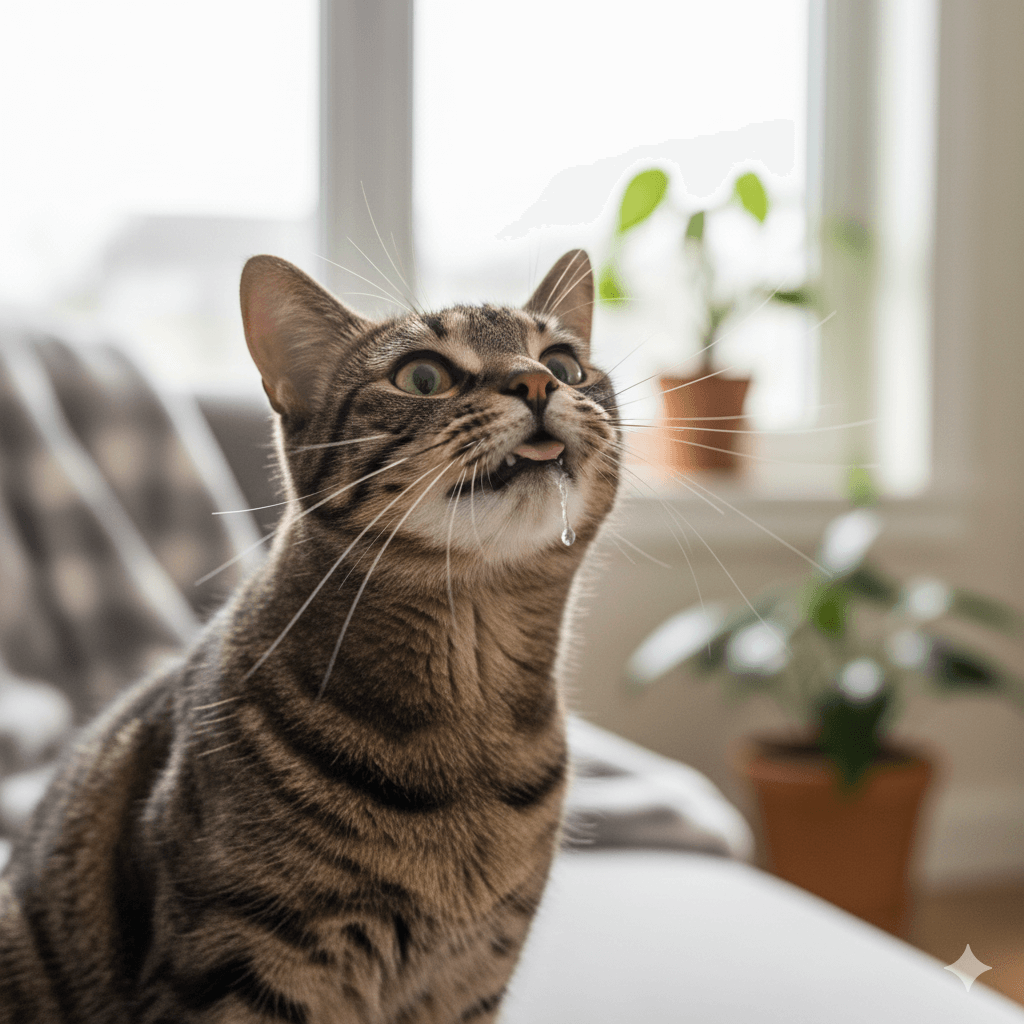
If you’ve ever seen your cat make a sudden, wet “pfft” sound or appear to eject saliva, you might wonder: can cats actually spit like humans do? While cats don’t spit in the deliberate, controlled way people do, they can expel saliva or fluid during moments of distress, aggression, or medical discomfort. Understanding the behavior behind this surprising action helps you respond appropriately—whether it’s normal communication or a sign of something more serious. Let’s explore what “spitting” really means in cats and when it warrants attention.

What “Spitting” Looks Like in Cats

Cats don’t produce a directed stream of saliva on purpose, but they may make spitting-like sounds or expel moisture during specific emotional or physical states. These moments are often misunderstood as true spitting but are actually part of their natural communication toolkit:

 
  • Hissing with Saliva Spray:
    When highly stressed or threatened, a cat’s intense hiss can force air through a moist mouth, creating a fine mist or droplets that look like spitting.
     
  • Gagging or Retching:
    Attempting to expel a hairball or reacting to nausea may cause a cat to eject saliva, foam, or bile—often mistaken for intentional spitting.
     
  • Vocalizations During Conflict:
    During cat-to-cat confrontations, rapid open-mouthed yowls or growls can release saliva unintentionally as part of an aggressive display.
     
  • Oral Discomfort or Dental Pain:
    A cat with tooth decay, gingivitis, or mouth ulcers may drool excessively and shake its head, flinging saliva in a way that resembles spitting.
     
  • Reflexive Reaction to Bad Taste:
    If a cat licks something bitter (like medication or a toxic plant), it may “spit” by rapidly licking its lips, shaking its head, or drooling to remove the taste.
 

True voluntary spitting—like a human ejecting saliva on command—doesn’t occur in felines; what we see is always tied to emotion, reflex, or health.

Can Cats Spit? Best 7 Expert Tips!

Why Cats Exhibit Spitting-Like Behaviors

These behaviors aren’t random—they serve biological or communicative purposes rooted in survival, defense, or discomfort. Recognizing the underlying cause helps you address your cat’s needs effectively:

 
  • Defense Mechanism:
    The hiss-spit combo is a warning signal to back off, mimicking the sound of a snake to deter predators or rivals.
     
  • Gastrointestinal Distress:
    Nausea from diet changes, toxins, or illness can trigger drooling and gagging that appears spit-like.
     
  • Oral Health Issues:
    Dental disease is common in cats and often leads to excessive salivation, especially when eating or grooming.
     
  • Stress or Overstimulation:
    A cat petted too long or startled may react with a sudden open-mouth vocalization that includes saliva expulsion.
     
  • Foreign Object or Irritant:
    Something stuck in the mouth or throat—like a blade of grass or string—can cause frantic licking and drooling.
 

Interpreting the context (body language, recent events, health history) is key to distinguishing normal expression from a red flag.

Common Triggers of Spitting-Like Behavior
When to Be Concerned
Hissing during a vet visit
Saliva drooling constantly for hours
Gagging before a hairball
Repeated “spitting” without hairball production
Shaking head after tasting medicine
Refusing food or pawing at the mouth
Brief drool during play aggression
Foul breath, red gums, or visible sores
Occasional lip-licking after stress
Lethargy or vomiting alongside drooling

Medical Conditions That Mimic Spitting

Sometimes, what looks like spitting is actually a symptom of an underlying health issue. Cats are masters at hiding illness, so subtle signs like excessive saliva warrant closer inspection:

 
  • Dental Disease:
    Up to 85% of cats over age 3 have some form of periodontal disease, which causes pain, drooling, and aversion to food.
     
  • Nausea or Gastrointestinal Upset:
    Conditions like pancreatitis, kidney disease, or ingestion of toxins often begin with drooling and retching.
     
  • Oral Tumors or Ulcers:
    Painful lesions in the mouth can lead to constant salivation and head-shaking to relieve discomfort.
     
  • Neurological Disorders:
    Rarely, nerve dysfunction affecting the mouth or throat can impair swallowing, leading to saliva leakage.
     
  • Exposure to Toxins:
    Many household plants (like lilies) or chemicals cause oral irritation and profuse drooling as a first sign of poisoning.
 

If your cat’s “spitting” is frequent, unexplained, or paired with other symptoms, a veterinary exam is essential.

Behavioral Reasons Behind the Behavior

Not all spitting-like actions are medical—many are pure feline communication. Understanding your cat’s emotional state helps you respond with empathy rather than alarm:

 
  • Territorial Defense:
    When a new pet or person enters their space, cats may hiss-spat to assert boundaries.
     
  • Overgrooming Stress Response:
    An anxious cat may lick excessively, then shake its head, flinging saliva as part of a displacement behavior.
     
  • Play Aggression Escalation:
    During rough play, some cats open their mouths wide in mock bites, occasionally releasing a spray of saliva.
     
  • Fear-Based Reactivity:
    Sudden loud noises or restraint (like nail trims) can trigger a panic hiss that includes droplet expulsion.
     
  • Maternal Warning Signals:
    A mother cat may hiss-spit near her kittens to warn off perceived threats, even from familiar humans.
 

These are normal expressions of emotion—not malice—and should be met with space, not punishment.

How to Respond When Your Cat “Spits”

Your reaction can either calm or escalate the situation. Approach with patience and observation rather than correction:

 
  • Give Immediate Space:
    Back away slowly if your cat hisses or appears to spit—this respects their need for safety.
     
  • Check for Triggers:
    Did you just apply flea treatment? Offer bitter medicine? Introduce a new pet? Identify and remove stressors if possible.
     
  • Inspect the Mouth Gently:
    If safe, peek for food stuck between teeth, redness, or foreign objects—but never force it.
     
  • Monitor for Recurrence:
    Note how often it happens, what precedes it, and whether other symptoms appear (vomiting, hiding, appetite loss).
     
  • Avoid Punishment:
    Scolding or restraining a “spitting” cat increases fear and damages trust—never discipline this natural response.
 

A calm, observant approach often reveals whether the behavior is fleeting or needs professional input.


Preventing Unwanted Spitting-Like Episodes

While you can’t eliminate all triggers, proactive care reduces the frequency of these episodes—especially those tied to health or stress:

 
  • Regular Dental Checkups:
    Annual oral exams help catch dental disease early before it causes pain and drooling.
     
  • Gradual Introductions:
    When bringing new pets or people home, use slow, positive introductions to minimize defensive hissing.
     
  • Bitter-Proof Medications:
    Ask your vet about flavored pill pockets or liquid formulations to avoid taste-triggered reactions.
     
  • Enrichment and Routine:
    Predictable feeding times, play sessions, and vertical spaces reduce anxiety-driven behaviors.
     
  • Cat-Safe Home Environment:
    Remove toxic plants, secure chemicals, and avoid strong scents that may irritate your cat’s mouth or nose.
 

Prevention isn’t about stopping natural communication—it’s about ensuring your cat feels secure and healthy.


When to Call the Vet

Most spitting-like behavior is harmless, but certain signs indicate urgent medical needs. Don’t wait if you notice:

 
  • Persistent Drooling:
    Saliva flowing continuously for more than an hour without an obvious cause.
     
  • Difficulty Swallowing:
    Your cat gags repeatedly, extends its neck, or seems unable to close its mouth fully.
     
  • Visible Mouth Sores or Bleeding:
    Red, swollen gums, ulcers, or blood in saliva require immediate attention.
     
  • Lethargy or Collapse:
    Combined with drooling, this could signal poisoning, neurological issues, or organ failure.
     
  • Exposure to Toxins:
    If your cat licked a lily, essential oil, or cleaning product, seek emergency care—even if symptoms seem mild.
 

When in doubt, a quick call to your vet can provide peace of mind or prompt life-saving intervention.


Frequently Asked Questions About Cats and Spitting

Can cats spit like humans do?

No—cats cannot voluntarily spit. What appears as spitting is usually hissing with saliva spray, gagging, or drooling due to stress or illness.

Often, yes—as part of a defensive hiss—but it can also signal pain, nausea, or fear. Always assess body language and context.

They may be overstimulated. Many cats enjoy petting briefly but react with a hiss or saliva spray when touched too long or in sensitive areas.

Not all—but most will hiss or drool in extreme stress or discomfort. Frequency varies by temperament and health.

Not if it’s a one-time reaction to a clear trigger (like a bath or medication). But repeated episodes without cause deserve investigation.

Respecting the Language of Your Feline Friend

Cats don’t “spit” out of spite—they communicate through every hiss, drool, and head shake. What seems odd or messy to us is often their way of saying “I’m scared,” “This hurts,” or “Back off!” By learning to read these subtle signals, you deepen your bond and become a more responsive caregiver. Never punish a cat for spitting-like behavior; instead, ask what they’re trying to tell you. In doing so, you honor their instincts, protect their well-being, and build a relationship rooted in trust—not fear. After all, your cat’s voice may be small, but it’s always worth listening to.

Understanding Cryptosporidium in Cats: Best 7 Expert Tips!

Understanding Cryptosporidium in Cats: Best 7 Expert Tips! – Spot symptoms, treat safely, and stop parasite spread in your home.

Understanding Cryptosporidium in Dogs: Best 7 Expert Tips!

Understanding Cryptosporidium in Dogs: Best 7 Expert Tips! – Learn symptoms, treatment & prevention for this stubborn gut parasite.
Understanding Syringomyelia in Cats: Best 7 Expert Tips!

Understanding Syringomyelia in Cats: Best 7 Expert Tips! – Recognize signs, manage pain, and support your cat’s neurological health with vet-backed guidance.

Understanding Syringomyelia in Dogs: Best 7 Expert Tips!

Understanding Syringomyelia in Dogs: Best 7 Expert Tips! – Expert insights on symptoms, MRI diagnosis, pain management & quality of life.

Leave a Reply

Your email address will not be published. Required fields are marked *