
Can Cats Eat Dried Dog Food?
Nutritional Differences Between Cat and Dog Food
- High Protein Needs:
Cats require diets rich in animal-based proteins, typically around 40–50% of their daily intake. Dried dog food often contains significantly less protein and may include plant-based proteins that cats cannot efficiently utilize. - Taurine Deficiency Risks:
Taurine is an essential amino acid for cats, crucial for heart health, vision, and immune function. Most dog foods do not contain sufficient taurine, as dogs can synthesize it naturally. Feeding cats dog food regularly can lead to taurine deficiency, causing blindness, heart disease, or developmental issues in kittens. - Fat Content Variations:
Cats need higher fat levels than dogs to maintain energy and support skin, coat, and overall health. Dried dog food generally has lower fat content, which fails to meet feline metabolic demands and can result in weight loss or poor coat condition. - Vitamin A Requirements:
Unlike dogs, cats cannot convert beta-carotene into vitamin A; they must obtain preformed vitamin A from their diet. Dog food rarely provides adequate levels of this vital nutrient, leading to potential deficiencies over time. - Arachidonic Acid Dependency:
This omega-6 fatty acid is another essential nutrient for cats but not for dogs. Since dog food lacks arachidonic acid, feeding it to cats can disrupt their inflammatory response systems and skin health.
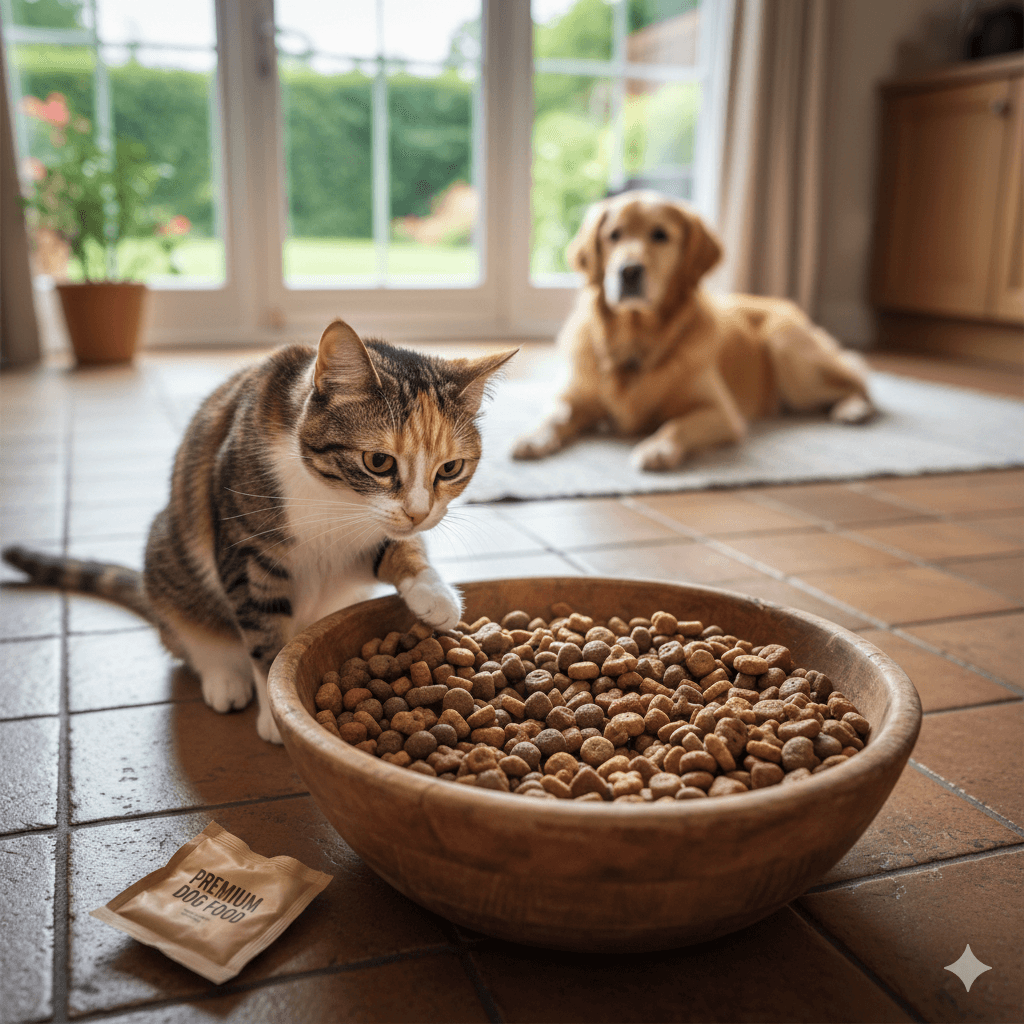
Potential Health Risks of Feeding Cats Dried Dog Food
- Malnutrition Over Time:
Chronic consumption of dog food leads to malnutrition as cats miss out on critical nutrients like taurine, vitamin A, and arachidonic acid. This weakens their immune system, making them more susceptible to infections and illnesses. - Heart Disease (Dilated Cardiomyopathy):
Taurine deficiency is directly linked to dilated cardiomyopathy (DCM), a condition where the heart enlarges and loses its ability to pump blood effectively. Early signs include lethargy, rapid breathing, and fainting spells. - Vision Problems and Blindness:
Without adequate taurine, retinal degeneration occurs, eventually leading to irreversible blindness. Symptoms include difficulty navigating spaces and bumping into objects. - Skin and Coat Issues:
Insufficient fats and fatty acids in dog food cause dry, flaky skin, excessive shedding, and a dull coat. Chronic itching and irritation may also develop, reducing your cat’s quality of life. - Digestive Upset:
The lower protein and fat content in dog food can upset a cat’s sensitive digestive system, leading to vomiting, diarrhea, or constipation. Prolonged digestive issues hinder nutrient absorption and worsen overall health.
Check this guide 👉Can Cats Eat Chives? Best 7 Expert Tips!
Check this guide 👉Can Cats Eat Banana Peel? Best 7 Expert Tips!
Check this guide 👉Can Cats Eat Raw Meat? Best 7 Expert Tips!
Nutritional Needs of Cats | Why Dried Dog Food Falls Short |
|---|---|
High protein (40–50% of diet) | Lower protein content, often plant-based |
Essential taurine | Minimal or no taurine included |
Animal-sourced fats | Insufficient fat levels for energy |
Preformed vitamin A | Relies on beta-carotene conversion |
Arachidonic acid | Lacks this critical omega-6 fatty acid |
Behavioral Changes When Cats Eat Dog Food
- Increased Hunger or Begging:
Since dog food lacks the high-calorie density cats need, they may feel perpetually hungry and beg for more food despite eating regular portions. - Lethargy and Low Energy Levels:
Nutrient deficiencies sap cats’ energy, leaving them less active and unwilling to engage in play or exploration. They may sleep excessively or appear disinterested in their surroundings. - Aggression Toward Other Pets:
Competition for resources intensifies when cats realize dog food doesn’t satisfy their hunger. This can escalate aggression toward other pets during mealtimes. - Changes in Grooming Habits:
Poor skin and coat health caused by inadequate fats and vitamins may discourage cats from grooming themselves, leading to matted fur and hygiene issues. - Refusal to Eat Completely:
Some cats instinctively reject dog food because it doesn’t meet their taste preferences or nutritional expectations, potentially leading to fasting behavior.
Why Dogs Can Thrive on Cat Food but Not Vice Versa
- Higher Protein Tolerance in Dogs:
Dogs can tolerate the high protein levels in cat food without adverse effects, though excessive amounts may strain their kidneys over time. - Flexible Metabolic Pathways:
Unlike cats, dogs can synthesize certain nutrients like taurine and niacin from precursors found in plant-based ingredients. This flexibility allows them to adapt to varying diets. - Energy Surplus Concerns:
Cat food’s high fat and calorie content can cause obesity in dogs if fed consistently. However, occasional bites won’t harm most healthy adult dogs. - Palatability Differences:
The strong flavors in cat food appeal to dogs, who lack the same refined palate as cats. This makes cat food enticing but not necessarily beneficial for dogs. - Short-Term vs. Long-Term Effects:
While dogs might enjoy snacking on cat food, relying on it exclusively would still lead to nutritional imbalances, just as feeding cats dog food does.
Safe Alternatives to Dried Dog Food for Cats
- High-Quality Commercial Cat Foods:
Choose premium brands formulated for all life stages, ensuring they contain adequate protein, fat, and essential nutrients tailored to cats. - Homemade Diets Under Veterinary Guidance:
Preparing meals at home allows control over ingredients, provided recipes are vet-approved to avoid deficiencies. Include cooked meats, organs, and supplements like taurine. - Freeze-Dried Raw Foods:
These mimic a cat’s natural prey diet while being shelf-stable and easy to prepare. Look for products labeled “complete and balanced.” - Moist Canned Options:
Wet cat food provides hydration and dense nutrition, making it an excellent alternative to dry kibble or dog food. Rotate flavors to keep meals interesting. - Supplemented Dog Food Mixes:
In emergencies, mixing small amounts of dog food with cat-specific supplements can temporarily bridge gaps—but consult your vet first.
How to Transition Your Cat Back to Proper Nutrition
- Gradual Mixing Method:
Blend increasing amounts of cat food with decreasing amounts of dog food over 7–10 days to allow their system to adjust gradually. - Monitor for Acceptance:
Pay attention to whether your cat eagerly eats the new food or shows resistance. Adding a small amount of wet food or broth can enhance palatability. - Introduce Variety Slowly:
Offer a mix of textures (wet, dry, freeze-dried) to encourage acceptance and provide diverse nutrient sources. Avoid overwhelming them with too many options at once. - Encourage Hydration:
Transitioning to wet food boosts moisture intake, supporting urinary tract health and overall hydration. Always provide fresh water alongside meals. - Track Health Improvements:
Observe improvements in energy levels, coat shine, and digestive regularity as their diet stabilizes. Persistent issues warrant veterinary consultation.
Signs Your Cat May Be Eating Dog Food Regularly
- Weight Loss or Poor Body Condition:
Cats relying on dog food often lose weight due to insufficient calories and nutrients, resulting in a bony appearance or lack of muscle mass. - Dull or Greasy Coat:
A lack of essential fatty acids and vitamins in dog food causes cats’ coats to become dry, brittle, or excessively oily, signaling poor nutrition. - Increased Thirst and Urination:
Nutrient imbalances can strain the kidneys, leading to excessive thirst and urination as the body attempts to compensate for deficiencies. - Lethargy or Weakness:
Without proper energy sources from high-quality protein and fats, cats may appear unusually tired, unwilling to play, or uninterested in their surroundings. - Frequent Illnesses or Infections:
Malnutrition weakens the immune system, making cats more prone to recurring infections, skin issues, or slow wound healing.
Frequently Asked Questions About Cats Eating Dog Food
Can cats survive on dog food short-term?
What happens if my cat accidentally eats dog food once?
A single incident likely won’t harm them, but monitor for vomiting, diarrhea, or unusual behavior.
Why does my cat prefer dog food over their own?
The novelty or stronger flavors in dog food may attract curious cats, but preference doesn’t equal suitability.
How can I stop my cat from stealing my dog’s food?
Feed pets separately, use elevated feeders for dogs, and supervise mealtimes to prevent cross-eating.
Is grain-free dog food safe for cats?
No—grain-free dog food still lacks essential nutrients like taurine and arachidonic acid required by cats.
A Lifeline in Every Meal: Prioritizing Your Cat’s Health
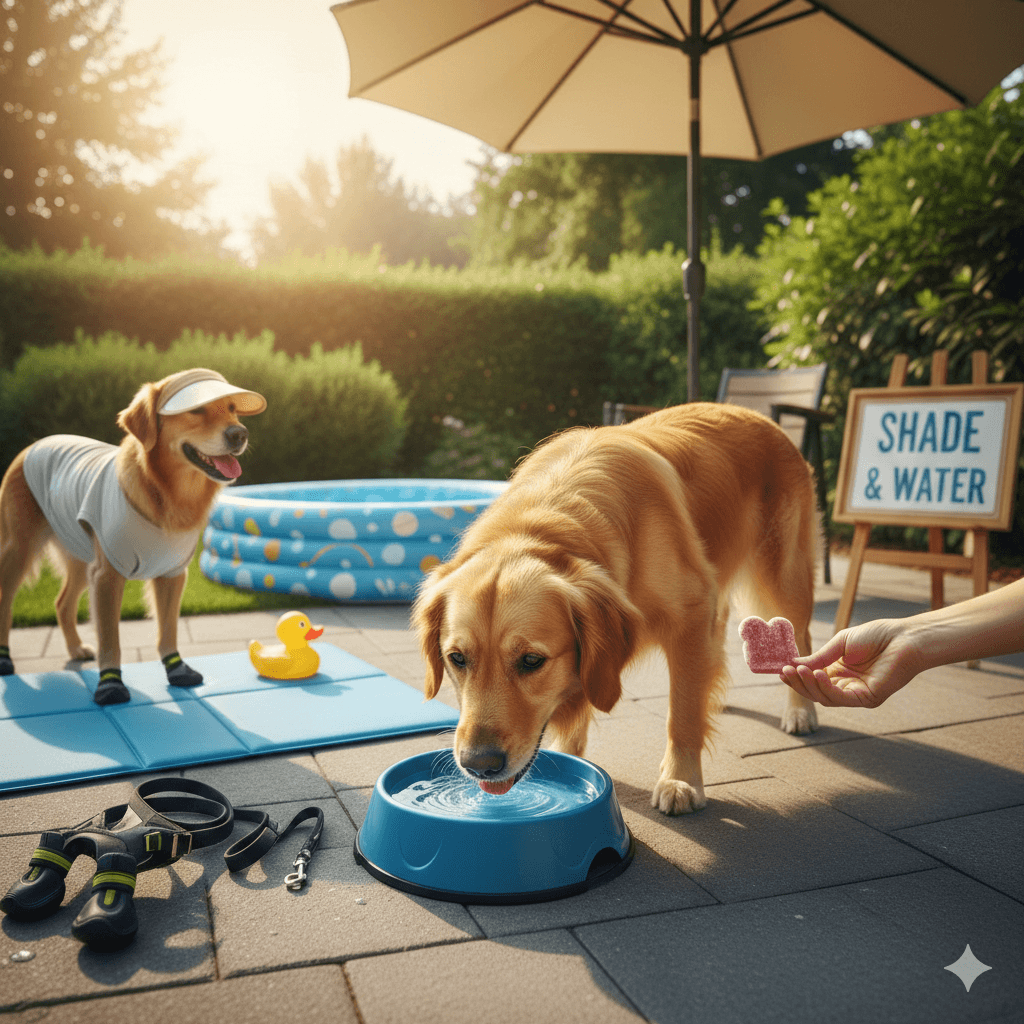
Keeping Your Dog Safe This Summer: Best 7 Expert Tips! – Learn how to protect your pup from heatstroke, dehydration, and more this summer. Stay safe!

When Was Cat Food Invented? Best 7 Expert Tips! – Discover the history, key milestones, and evolution of cat food from scraps to scientifically balanced diets.

When Was Dog Food Invented? Best 7 Expert Tips! – Discover the origins, evolution, and milestones of dog food, and how it transformed pet nutrition over time.

Kintamani Dutch Shepherd Mix: Best 7 Expert Tips! – Discover the perfect blend of loyalty, agility, and charm with this unique hybrid. Learn expert care tips now!