

Can Black Skin Disease Kill a Dog? Best 7 Expert Tips!

Can Black Skin Disease Kill a Dog? Best 7 Expert Tips!

Can Black Skin Disease Kill a Dog?

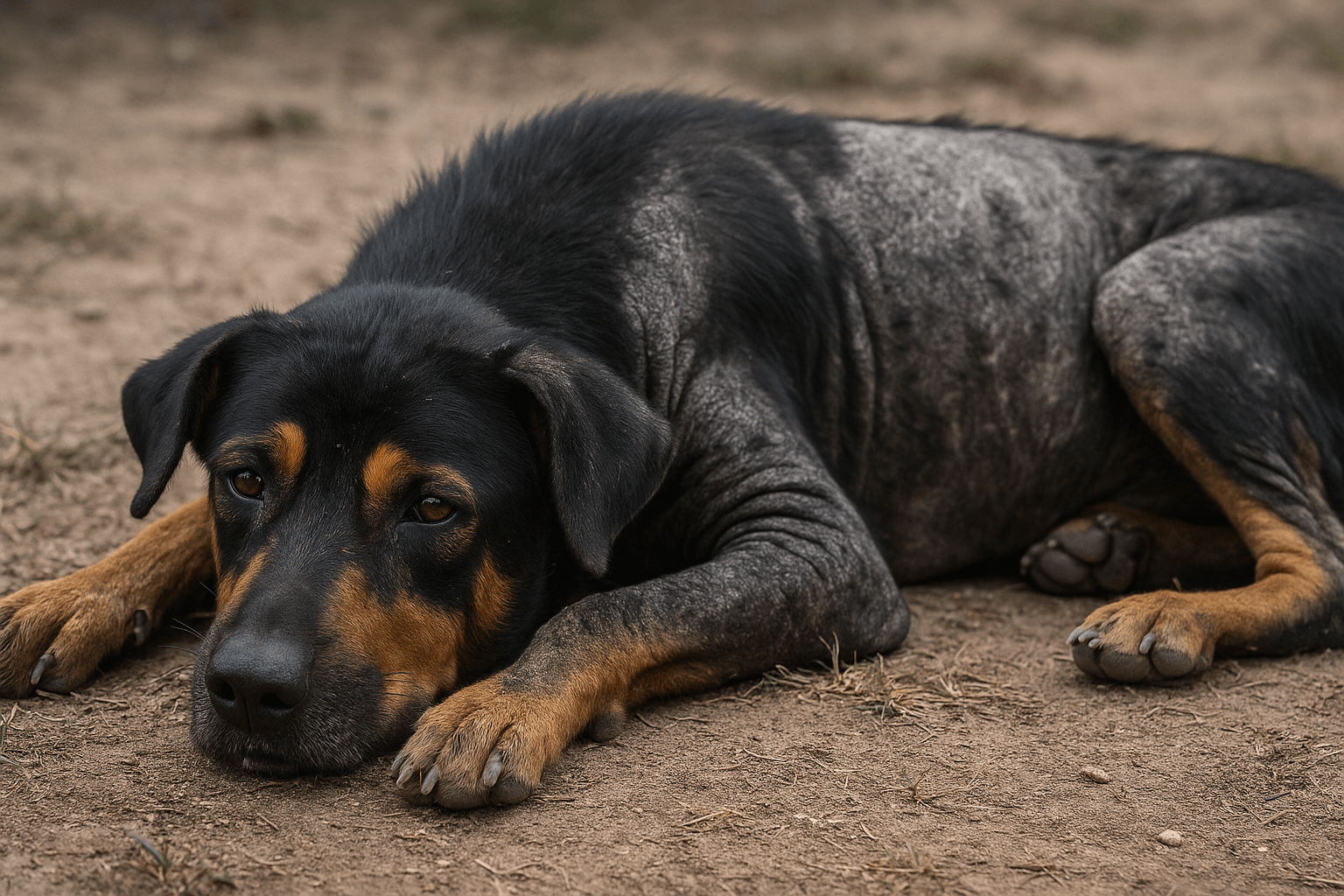
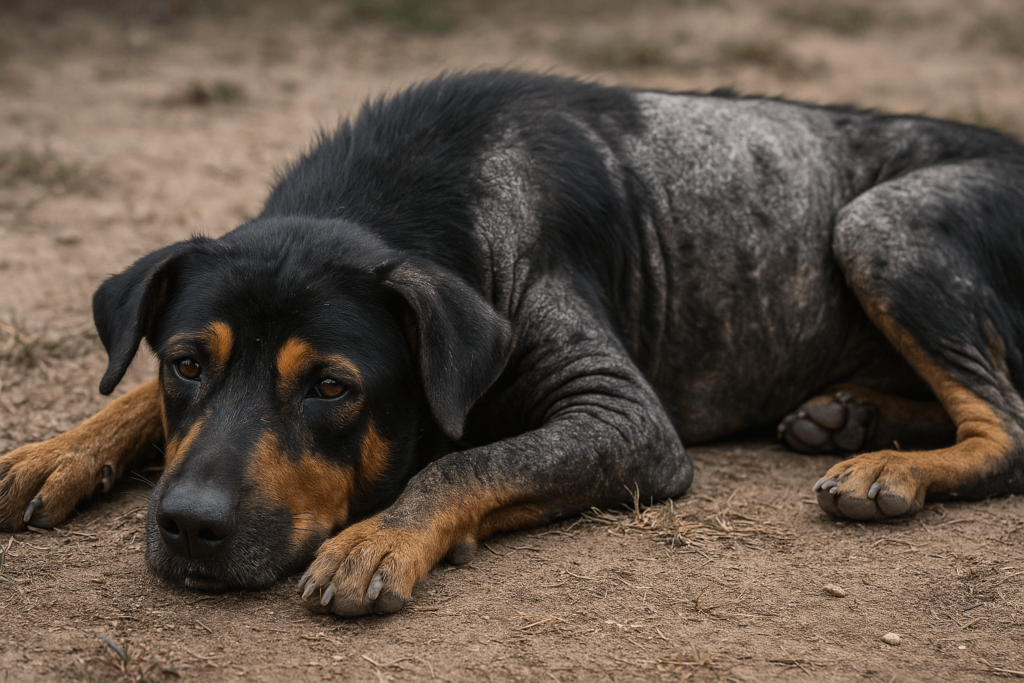
If you’ve noticed your dog’s fur thinning and skin turning dark, you may be worried about a condition often called “black skin disease.” While the name sounds alarming, this condition—more accurately known as Alopecia X—is primarily cosmetic and not directly life-threatening. However, understanding what it is, what it isn’t, and when it might signal something more serious is crucial for your dog’s long-term health. In this guide, we’ll clarify myths, explain management options, and highlight red flags that warrant immediate veterinary attention. Because peace of mind starts with knowing the facts.

What Is Black Skin Disease, Really?


“Black skin disease” is a misleading but commonly used term for Alopecia X—a hormonal or genetic condition causing hair loss and hyperpigmentation, especially in certain breeds. It’s not contagious, cancerous, or inherently dangerous—but it does require proper diagnosis to rule out more serious issues.

 
  • Not a true disease:
    Alopecia X is a diagnosis of exclusion, meaning vets confirm it only after ruling out infections, allergies, or endocrine disorders.
     
  • Breed predisposition:
    Pomeranians, Chow Chows, Alaskan Malamutes, and Poodles are most commonly affected—typically between 1–5 years of age.
     
  • Symmetrical hair loss:
    Hair thins evenly on the trunk, tail (“rat tail”), and back of thighs, often sparing the head and front legs.
     
  • Darkened skin (hyperpigmentation):
    As hair follicles shut down, the exposed skin often darkens—but this is a secondary change, not a sign of toxicity or decay.
     
  • No pain or itching (usually):
    Unlike infections or allergies, Alopecia X typically doesn’t cause discomfort—your dog may act completely normal.
 

While unsettling to see, this condition rarely impacts lifespan—but only if correctly diagnosed. Mislabeling other illnesses as “black skin disease” can delay life-saving treatment.

Can Black Skin Disease Kill a Dog? Best 7 Expert Tips!

Conditions That Mimic Black Skin Disease (But Are Dangerous)


Several serious health issues can look like Alopecia X—but carry real risks. Never assume dark skin and hair loss are “just black skin disease” without full veterinary workup.

 
  • Hypothyroidism:
    Causes hair loss, weight gain, and lethargy; untreated, it can lead to heart problems or neurological decline.
     
  • Cushing’s disease (hyperadrenocorticism):
    Results in thinning skin, abdominal swelling, and increased thirst; if ignored, it can cause diabetes or organ damage.
     
  • Demodectic mange:
    A mite infestation that causes patchy hair loss and secondary infections—can become systemic in immune-compromised dogs.
     
  • Fungal or bacterial infections:
    Ringworm or pyoderma may darken skin and cause odor, crusting, or itching—untreated cases can spread or lead to sepsis.
     
  • Skin cancer (e.g., melanoma or lymphoma):
    Some tumors present as dark, irregular patches; early detection is critical for survival.
 

Because symptoms overlap, blood tests, skin scrapings, or biopsies are essential—never self-diagnose.

Typical of Alopecia X (Black Skin Disease) Warning Signs of Serious Illness
Symmetrical hair loss on body/tail Asymmetrical or rapidly spreading bald spots
No itching or pain Excessive scratching, licking, or odor
Normal energy and appetite Lethargy, weight changes, or vomiting
Gradual onset over months Sudden skin changes in days or weeks
Dark skin but no sores or scabs Ulcers, bleeding, or crusty lesions

How Is Black Skin Disease Diagnosed?


Veterinarians use a step-by-step process to confirm Alopecia X and rule out mimics. There’s no single test—so patience and thorough screening are key.

 
  • Physical exam and history:
    Your vet will note pattern, breed, age, and behavior to assess likelihood.
     
  • Skin scraping and fungal culture:
    Rules out mites, ringworm, or bacterial overgrowth.
     
  • Blood panel (including thyroid and cortisol):
    Checks for hypothyroidism, Cushing’s, or other systemic issues.
     
  • Skin biopsy (if needed):
    Provides definitive histology—Alopecia X shows dormant hair follicles without inflammation.
     
  • Response to trial therapy:
    Sometimes, vets use short-term melatonin or hormone therapy to see if hair regrows—supporting the diagnosis.
 

Accurate diagnosis protects your dog from unnecessary treatments—and ensures dangerous conditions aren’t missed.

Treatment and Management Options


Since Alopecia X isn’t harmful, treatment is optional—focused on cosmetic improvement or owner preference. Not all dogs respond, but several approaches exist.

 
  • Melatonin supplementation:
    Oral or implant forms can restart hair growth in 30–50% of cases, especially in Pomeranians.
     
  • Hormone therapy (e.g., trilostane or lysodren):
    Used cautiously in select cases, but carries risks and requires strict monitoring.
     
  • Neutering/spaying:
    In intact dogs, altering may trigger hair regrowth due to hormonal shifts—worth discussing with your vet.
     
  • Topical therapies:
    Medicated shampoos (e.g., benzoyl peroxide) can keep follicles clean and support regrowth.
     
  • Sun protection and skin care:
    Without fur, darkened skin is prone to sunburn—use pet-safe sunscreen and limit midday exposure.
 

While full regrowth isn’t guaranteed, many dogs live happily with their “bald but bold” look—especially with loving care.

Myths and Misconceptions About Black Skin Disease


Rumors about this condition cause unnecessary fear. Let’s separate fact from fiction.

 
  • Myth: It’s contagious to other pets or humans.
    False—Alopecia X is genetic or hormonal, not infectious.
     
  • Myth: The black skin is rotting or toxic.
    No—hyperpigmentation is a normal response to chronic hair follicle inactivity, like a suntan.
     
  • Myth: It always leads to other diseases.
    Not true—most dogs with Alopecia X stay healthy for life if properly diagnosed.
     
  • Myth: Shaving triggers it.
    Clipper alopecia can look similar, but true Alopecia X occurs without grooming trauma.
     
  • Myth: It means poor care or neglect.
    Absolutely not—this condition affects well-loved dogs in pristine homes; it’s not preventable by diet or hygiene alone.
 

Clearing up myths reduces stigma and helps owners focus on real needs.

Long-Term Care for Dogs with Alopecia X


Even though Alopecia X isn’t deadly, ongoing care ensures comfort and prevents secondary issues.

 
  • Monitor for skin infections:
    Bare skin is more vulnerable—watch for redness, odor, or flaking.
     
  • Use gentle grooming tools:
    Soft brushes prevent micro-tears; avoid harsh chemicals or human products.
     
  • Maintain ideal weight:
    Obesity worsens skin folds and heat retention—especially risky for hairless dogs.
     
  • Regular vet check-ups:
    Annual exams catch unrelated issues early and confirm Alopecia X remains stable.
     
  • Emotional support (yes, really!):
    Some dogs feel self-conscious or get chilly—offer cozy sweaters and extra affection.
 

With thoughtful management, your dog can thrive—hair or no hair.

When to Worry: Red Flags That Demand a Vet Visit


While Alopecia X itself won’t kill a dog, complications or misdiagnosis can. Act fast if you see these signs.

 
  • Rapid progression of bald patches:
    Sudden change suggests infection, immune disorder, or cancer—not classic Alopecia X.
     
  • Open sores, bleeding, or discharge:
    Indicates secondary infection or ulcerative disease needing antibiotics or surgery.
     
  • Behavioral shifts:
    If your dog becomes withdrawn, stops eating, or seems in pain, internal illness may be present.
     
  • Swollen lymph nodes near bald areas:
    Could signal lymphoma or systemic infection.
     
  • Fever or elevated temperature:
    Never normal—requires immediate diagnostics.
 

Trust your gut: if something feels off, don’t wait. Early action saves lives.

Frequently Asked Questions

Can black skin disease kill a dog?

No—true Alopecia X (black skin disease) is not fatal. However, misdiagnosing a serious condition as “black skin disease” can delay treatment and become life-threatening.

Typically, no. Dogs with Alopecia X don’t itch or seem uncomfortable—unless a secondary infection develops.

Possibly. Some respond to melatonin or neutering; others remain bald but healthy. Each dog is different.

Yes. Pomeranians, Chow Chows, Samoyeds, Alaskan Malamutes, and Miniature Poodles are most commonly affected.

Treatment is optional and cosmetic. If your dog is happy and healthy, management may focus only on sun protection and skin hygiene.

Final Thoughts – Knowledge Is Your Dog’s Best Protection


So, can black skin disease kill a dog? On its own—no. But the real danger lies in assumption. What looks like harmless Alopecia X could be a silent symptom of something far more serious. That’s why diagnosis matters more than labels, and why your vigilance is irreplaceable. Armed with accurate information, you can ensure your dog lives not just longer, but better—whether they’re fluffy, bald, or somewhere in between. After all, love doesn’t wear fur; it shows up in the care you give, every single day.

Understanding Cryptosporidium in Cats: Best 7 Expert Tips!

Understanding Cryptosporidium in Cats: Best 7 Expert Tips! – Spot symptoms, treat safely, and stop parasite spread in your home.

Understanding Cryptosporidium in Dogs: Best 7 Expert Tips!

Understanding Cryptosporidium in Dogs: Best 7 Expert Tips! – Learn symptoms, treatment & prevention for this stubborn gut parasite.

Understanding Syringomyelia in Cats: Best 7 Expert Tips!

Understanding Syringomyelia in Cats: Best 7 Expert Tips! – Recognize signs, manage pain, and support your cat’s neurological health with vet-backed guidance.

Understanding Syringomyelia in Dogs: Best 7 Expert Tips!

Understanding Syringomyelia in Dogs: Best 7 Expert Tips! – Expert insights on symptoms, MRI diagnosis, pain management & quality of life.

Leave a Reply

Your email address will not be published. Required fields are marked *


