
Can Bananas Help with Dog Diarrhea? Best 7 Expert Tips
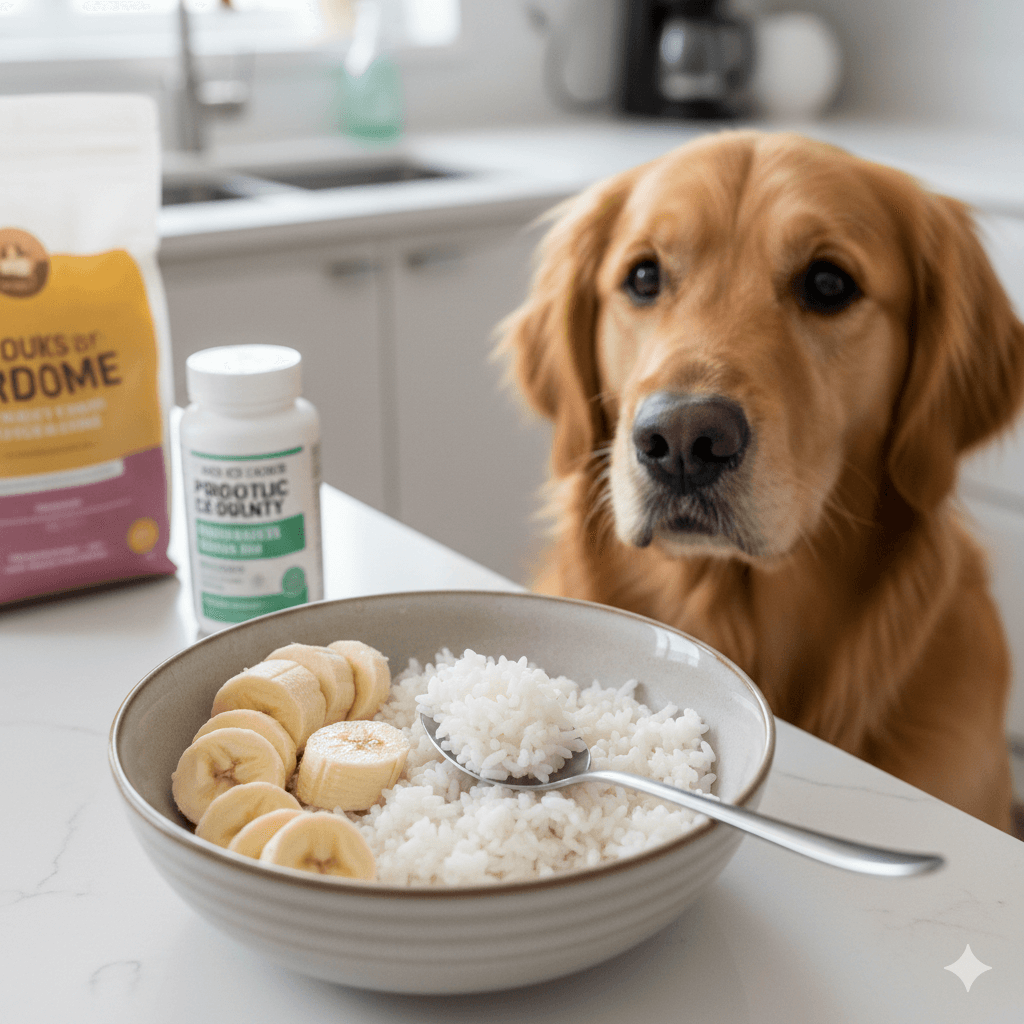
Bananas are not only a tasty treat for humans but also a potential remedy for dogs experiencing diarrhea. Packed with fiber, potassium, and natural sugars, bananas can help firm up stools and soothe an upset stomach when given in moderation. However, while this fruit offers nutritional benefits, it’s essential to understand how and when to use it effectively. Knowing the right approach ensures your dog finds relief without unintended side effects. Let’s explore how bananas can be a safe and practical solution for managing your dog’s diarrhea.
How Bananas Can Help with Dog Diarrhea
Bananas are a natural, easily digestible food that can provide relief for dogs suffering from diarrhea. Their unique combination of nutrients makes them an effective dietary addition during digestive upset. However, it’s crucial to understand how bananas work and why they’re beneficial in such situations. While not a cure-all, bananas can help restore balance to your dog’s gut and alleviate discomfort when used appropriately.
- Rich in Soluble Fiber:
Soluble fiber absorbs water in the intestines, helping to firm up loose stools and regulate bowel movements. This is particularly helpful for dogs with watery diarrhea. - High Potassium Content:
Diarrhea often leads to electrolyte imbalances, including potassium loss. Bananas replenish this essential mineral, supporting muscle function and overall health. - Natural Sugars for Energy:
The natural sugars in bananas (fructose, glucose, and sucrose) provide a quick energy boost for dogs feeling lethargic due to dehydration or illness. - Gentle on the Stomach:
Unlike fatty or processed foods, bananas are bland and unlikely to irritate an already sensitive digestive system, making them a safe choice for recovery. - Antioxidant Properties:
Bananas contain antioxidants like dopamine and vitamin C, which reduce inflammation in the gut and support the immune system during recovery.
While bananas are a helpful remedy, moderation is key—too much can lead to constipation or calorie overload, especially in smaller dogs. Always introduce bananas gradually and monitor your dog’s response.
Common Causes of Diarrhea in Dogs
Diarrhea is a common issue in dogs and can arise from various causes, ranging from dietary indiscretion to underlying health conditions. Understanding these triggers helps you determine whether bananas are an appropriate remedy or if veterinary care is needed.
- Dietary Changes:
Switching foods abruptly or feeding table scraps disrupts the balance of gut bacteria, leading to loose stools or diarrhea. - Food Intolerances or Allergies:
Ingredients like dairy, grains, or certain proteins may cause adverse reactions, resulting in chronic digestive issues. - Parasitic Infections:
Worms, giardia, or other parasites irritate the intestinal lining, causing acute or persistent diarrhea that requires treatment. - Stress or Anxiety:
Environmental changes, loud noises, or separation anxiety can upset the gut-brain axis, triggering stress-related diarrhea. - Underlying Medical Conditions:
Conditions like pancreatitis, inflammatory bowel disease (IBD), or infections such as parvovirus contribute to severe or recurring diarrhea.
Identifying the root cause is essential for effective management. While bananas can help with mild cases, persistent or severe diarrhea warrants professional evaluation to rule out serious conditions.
Check this guide 👉Can Dogs Eat Banana Peels? Best 7 Expert Tips!
Check this guide 👉Banana Dog Treats Recipe: Best 7 Expert Tips!
Check this guide 👉Can Dogs Eat Dried Banana Chips? Best 7 Expert Tips!
Benefits of Bananas | Other Effective Remedies |
|---|---|
Rich in soluble fiber to firm up stools | Plain white rice aids digestion and adds bulk |
High potassium content replenishes lost electrolytes | Pumpkin puree regulates bowel movements naturally |
Natural sugars provide quick energy for lethargic dogs | Plain yogurt restores healthy gut bacteria |
Gentle on the stomach and easy to digest | Boiled chicken offers lean protein without irritation |
Antioxidants reduce gut inflammation | Hydration solutions prevent dehydration during recovery |
How to Safely Feed Bananas to Dogs with Diarrhea
Feeding bananas correctly ensures your dog receives their benefits without adverse effects. Overfeeding or improper preparation can lead to complications, so it’s important to follow these guidelines.
- Start with Small Portions:
Begin with a small piece (about 1–2 tablespoons mashed) to see how your dog’s system reacts before increasing the amount. - Choose Ripe Bananas:
Ripe bananas are easier to digest and have higher sugar content, providing quick energy for dogs recovering from diarrhea. - Remove the Peel:
The banana peel is tough, difficult to digest, and may cause choking or blockages if ingested by your dog. - Mash or Slice for Easier Digestion:
Mashing the banana makes it gentler on the stomach, while slicing it into small pieces prevents choking hazards. - Monitor Calorie Intake:
Bananas are calorie-dense; for small dogs, even a few bites can add up. Limit portions to avoid weight gain or digestive overload.
By following these steps, you ensure your dog enjoys the benefits of bananas without compromising their health. Always consult your vet before introducing new foods, especially during illness.
Signs Your Dog May Benefit from Bananas
Not all cases of diarrhea require bananas, but certain signs indicate they could be a helpful addition to your dog’s recovery plan. Recognizing these symptoms helps you decide when to incorporate bananas into their diet.
- Mild, Watery Diarrhea:
If your dog’s stool is loose but not accompanied by blood or mucus, bananas can help firm it up naturally. - Lethargy or Weakness:
The natural sugars in bananas provide a quick energy boost for dogs feeling tired or unwell due to dehydration. - Electrolyte Imbalance Symptoms:
Signs like muscle weakness or excessive panting suggest potassium loss, which bananas can help replenish. - No Underlying Medical Condition:
Bananas are best suited for mild cases caused by dietary indiscretion rather than serious illnesses requiring veterinary intervention. - Preference for Bland Foods:
If your dog refuses regular food during recovery, bananas offer a palatable alternative that’s easy on the stomach.
These indicators help you determine whether bananas are a suitable remedy or if further action is needed.
Potential Risks of Feeding Bananas to Dogs
While bananas are generally safe, overfeeding or improper use can lead to complications. Being aware of these risks ensures you use bananas responsibly as part of your dog’s diet.
- Constipation Risk:
Too much banana can cause constipation due to its high fiber content, especially in small dogs or those prone to digestive issues. - High Sugar Content:
Excessive sugar intake contributes to obesity, dental problems, or worsening conditions like diabetes in predisposed dogs. - Choking Hazard from Peels:
Accidental ingestion of banana peels poses a risk of choking or intestinal blockages, particularly in smaller breeds. - Allergic Reactions (Rare):
Though uncommon, some dogs may exhibit allergic reactions to bananas, such as itching, swelling, or vomiting. - Inappropriate for Severe Cases:
Bananas cannot address underlying infections, parasites, or diseases causing severe or chronic diarrhea.
Understanding these risks ensures you use bananas safely and effectively as part of your dog’s recovery plan.
Alternative Remedies for Dog Diarrhea
While bananas are a popular home remedy, other options can also help manage your dog’s diarrhea. Exploring alternatives provides flexibility depending on your dog’s preferences and needs.
- Plain White Rice:
Rice is highly digestible and works alongside bananas in the classic “bland diet” to firm up stools. - Pumpkin Puree:
Canned pumpkin (not pie filling) contains soluble fiber that regulates digestion and alleviates both diarrhea and constipation. - Plain Yogurt (Unsweetened):
Probiotics in yogurt restore healthy gut bacteria, aiding recovery from antibiotic-related or stress-induced diarrhea. - Boiled Chicken:
Lean protein like boiled chicken complements bland diets, providing essential nutrients without irritating the stomach. - Hydration Solutions:
Electrolyte-enhanced water or oral rehydration solutions prevent dehydration and restore balance lost during diarrhea episodes.
These alternatives can be combined with bananas or used independently based on your dog’s condition and preferences.
When to Seek Veterinary Care for Dog Diarrhea
While home remedies like bananas are effective for mild cases, certain signs indicate the need for professional intervention. Recognizing these red flags prevents complications and ensures timely treatment.
- Blood or Mucus in Stool:
Bright red streaks or black, tarry stools signal internal bleeding or severe irritation requiring urgent care. - Persistent Vomiting:
Frequent vomiting alongside diarrhea leads to rapid dehydration and nutrient loss, necessitating immediate attention. - Severe Lethargy or Collapse:
Unresponsiveness or inability to stand reflects systemic illness or severe dehydration needing emergency treatment. - Significant Weight Loss:
Rapid or unexplained weight loss points to malabsorption or advanced disease requiring diagnostic testing. - No Improvement After 24–48 Hours:
If symptoms persist despite home remedies, further diagnostics are necessary to identify underlying causes.
Early veterinary involvement provides clarity and peace of mind during uncertain times.
“Do not give your dog bananas to help with gastrointestinal (GI) issues like diarrhea. Bananas have high fiber content, which can help with certain GI problems, but this is somewhat offset by the high sugar content” — Victoria Lynn Arnold
Frequently Asked Questions About Bananas for Dog Diarrhea
Can bananas cure my dog’s diarrhea?
Bananas can help manage mild cases by firming up stools, but they don’t address underlying causes like infections or allergies.
How much banana should I give my dog?
For small dogs, 1–2 tablespoons mashed; for medium dogs, 2–3 tablespoons; and for large dogs, up to half a banana. Always start small.
Are banana peels safe for dogs?
No—banana peels are tough and difficult to digest, posing a choking hazard or causing intestinal blockages.
Can diabetic dogs eat bananas?
Bananas are high in sugar, so they should be avoided or given sparingly under veterinary supervision for diabetic dogs.
What if my dog doesn’t like bananas?
If your dog refuses bananas, try alternatives like pumpkin puree, plain rice, or boiled chicken as part of a bland diet.
Supporting Your Dog Through Recovery
Managing your dog’s diarrhea requires patience, care, and a balanced approach to nutrition. Bananas offer a natural, effective way to soothe an upset stomach and restore balance, but they’re just one piece of the puzzle. By combining them with other remedies, monitoring symptoms closely, and seeking veterinary care when needed, you ensure your dog recovers fully and comfortably. Remember, every small step you take reflects your unwavering love and commitment to their well-being—a bond that grows stronger through every challenge overcome together.

Is Rawhide Bad for Cats? Best 7 Expert Tips! – Discover the risks, safe alternatives, and expert advice to keep your feline friend healthy and happy.

Is Rawhide Bad for Dogs? Best 7 Expert Tips! – Discover the risks, benefits, and safer alternatives to rawhides for your dog’s chewing needs.

Understanding Anorexia in Cats: Best 7 Expert Tips! – Learn why cats stop eating, spot warning signs, and discover how to help your feline regain appetite safely.

Understanding Anorexia in Dogs: Best 7 Expert Tips! – Learn causes, symptoms, and solutions to help your dog regain appetite and stay healthy.