
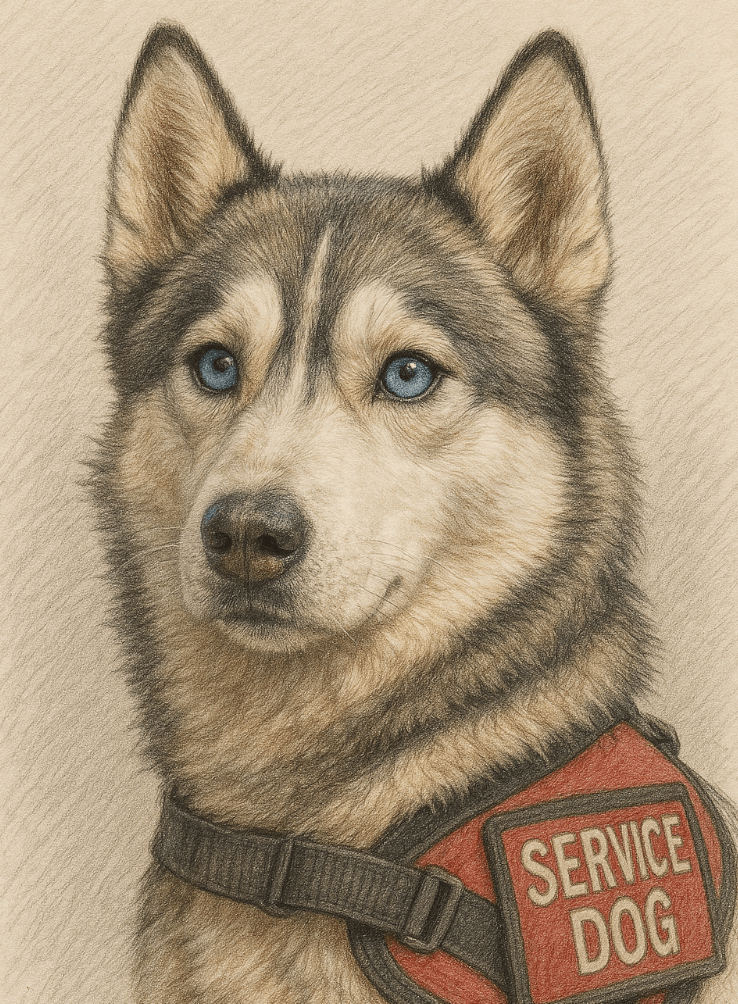

Can a Husky Be a Service Dog?
When we think of service dogs, breeds like Golden Retrievers and Labrador Retrievers often come to mind. However, the Siberian Husky, with its striking appearance and unique personality, is sometimes considered for this important role. Known for their intelligence, endurance, and friendly nature, Huskies possess qualities that could make them suitable service dogs. But are they truly cut out for the demanding responsibilities of this job? In this blog post, we’ll explore the potential of Huskies as service dogs, examining their strengths, challenges, and what it takes to train one for such a vital role. Whether you’re a Husky owner or simply curious about service dog possibilities, this guide will provide valuable insights into this fascinating topic.
Key Traits That Make Huskies Suitable for Service Work
While Huskies may not be the first choice for service dog roles, they do have several traits that make them capable candidates under the right circumstances.
High Intelligence:
Huskies are incredibly smart and quick learners, which is essential for mastering complex tasks required in service work.Strong Stamina:
Bred as sled dogs, Huskies have exceptional endurance and energy, allowing them to handle long hours of physical activity.Friendly Temperament:
Their sociable and gentle nature makes them well-suited for interacting with people, including those with disabilities.Problem-Solving Skills:
Huskies are independent thinkers, often finding creative solutions to challenges, a trait that can benefit certain service tasks.Loyalty to Their Handlers:
Despite their independent streak, Huskies form strong bonds with their owners, which is crucial for a successful service dog partnership.
These qualities highlight why Huskies can excel in specific service roles, provided their unique needs and tendencies are carefully managed.
Challenges of Training a Husky as a Service Dog
While Huskies have admirable qualities, they also present unique challenges that must be addressed during training. These hurdles can determine whether a Husky is truly suited for service work.
Stubborn Streak:
Huskies are known for their independent nature, which can make them less responsive to commands compared to more obedient breeds.High Energy Levels:
Their boundless energy requires extensive exercise and mental stimulation, making them better suited for active handlers.Strong Prey Drive:
Huskies may be easily distracted by small animals or moving objects, posing challenges in environments requiring focus.Cold Weather Preference:
As a breed adapted to cold climates, Huskies may struggle in warmer conditions, limiting their versatility in certain regions.Social Butterfly Tendencies:
Their friendly and playful demeanor can lead to distractions in public settings, where service dogs need to remain calm and focused.
Understanding these challenges helps set realistic expectations and ensures proper preparation for training a Husky as a service dog.
Check this guide 👉Dutch Shepherd Husky Mix: Best 7 Expert Tips!
Check this guide 👉Irish Wolfhound Husky Mix: Best 7 Expert Tips!
Check this guide 👉Basenji Husky Mix: Best 7 Expert Tips!
Strengths of Huskies as Service Dogs | Challenges of Huskies as Service Dogs |
|---|---|
High intelligence and quick learning | Stubborn and independent nature |
Excellent stamina and endurance | Requires extensive exercise and attention |
Friendly and social temperament | Easily distracted by prey or movement |
Problem-solving and creativity | Struggles in warm weather conditions |
Strong bond with their handler | Difficulty staying focused in public |
Types of Service Roles Suited for Huskies
Not all service dog roles are created equal, and certain tasks align better with a Husky’s natural abilities and temperament. Here are some examples of roles where Huskies might shine.
Mobility Assistance:
Huskies’ strength and size make them capable of helping individuals with mobility challenges, such as pulling wheelchairs or carrying items.Medical Alert Dogs:
Their keen senses and problem-solving skills allow them to detect changes in their handler’s condition, such as low blood sugar or seizures.Emotional Support Tasks:
Huskies’ affectionate and calming presence can provide comfort to individuals dealing with anxiety, depression, or PTSD.Search and Rescue Work:
Their endurance and ability to navigate challenging terrains make them excellent candidates for search-and-rescue missions.Therapy Dog Roles:
With their friendly demeanor, Huskies can thrive in therapy settings, bringing joy to hospitals, schools, and nursing homes.
By matching their strengths to specific roles, Huskies can fulfill meaningful service work while staying engaged and motivated.
Training Tips for Preparing a Husky as a Service Dog
Training a Husky for service work requires patience, consistency, and a tailored approach to address their unique personality traits. Follow these tips to set your Husky up for success.
Start Early:
Begin training during puppyhood to establish good habits and build a strong foundation for advanced tasks.Use Positive Reinforcement:
Reward-based methods, such as treats, praise, and play, work best to motivate Huskies and encourage cooperation.Focus on Focus:
Train in various environments to help your Husky learn to ignore distractions and maintain concentration on their handler.Incorporate Mental Stimulation:
Use puzzle toys, scent games, and obedience drills to keep their sharp minds engaged and prevent boredom.Provide Ample Exercise:
Ensure your Husky receives plenty of physical activity to burn off excess energy and reduce behavioral issues.
With dedication and the right techniques, even a stubborn Husky can become a reliable and skilled service dog.
Common Misconceptions About Huskies as Service Dogs
Several myths surround the idea of Huskies serving as service dogs. Dispelling these misconceptions helps set realistic expectations for prospective handlers.
Huskies Are Too Stubborn to Be Trained:
While independent, Huskies can excel with patient and consistent training tailored to their personality.Service Dogs Must Be Calm Breeds Only:
Not all service roles require constant calmness; some tasks benefit from Huskies’ energy and problem-solving skills.Huskies Can’t Handle Public Settings:
With proper socialization and training, Huskies can learn to behave appropriately in public environments.They’re Only Good for Physical Tasks:
Huskies can also perform emotional and medical alert tasks, showcasing their versatility.All Huskies Are the Same:
Individual personalities vary widely, meaning some Huskies may be better suited for service work than others.
Understanding these truths ensures a fair assessment of Huskies’ capabilities as service dogs.
Health Considerations for Huskies in Service Roles
Huskies are generally healthy dogs, but certain health issues can impact their performance as service animals. Being aware of these risks allows handlers to take preventive measures.
Hip Dysplasia:
A common joint issue in larger breeds; regular exercise and weight management help reduce risk.Eye Conditions:
Huskies are prone to cataracts and progressive retinal atrophy; routine eye exams are essential.Heat Sensitivity:
Their thick coats make them vulnerable to overheating; avoid prolonged exposure to high temperatures.Zinc Deficiency:
Huskies are susceptible to zinc-responsive dermatitis; ensure a balanced diet rich in essential nutrients.Bloat (Gastric Torsion):
Feeding smaller meals and avoiding vigorous exercise after eating minimizes the risk of this life-threatening condition.
Proactive healthcare ensures a longer, healthier career for a Husky in service roles.
Alternative Roles for Huskies Beyond Traditional Service Work
If a Husky isn’t a perfect fit for traditional service dog roles, there are still many ways they can contribute positively to society.
Therapy Dog Programs:
Huskies’ friendly nature makes them ideal for visiting hospitals, schools, and nursing homes to spread joy and comfort.Search and Rescue Teams:
Their endurance and agility enable them to excel in locating missing persons in challenging terrains.Companion Animals for Active Owners:
Huskies thrive as companions for individuals or families who enjoy outdoor activities like hiking or running.Educational Ambassadors:
Their striking appearance and unique traits make them great representatives in educational programs about dog breeds.Freestyle Obedience Competitions:
Creative and athletic, Huskies can shine in dog sports that combine tricks, music, and choreography.
Exploring these alternatives allows Huskies to use their talents and energy in fulfilling ways beyond conventional service roles.
Frequently Asked Questions About Huskies as Service Dogs
Are Huskies good service dogs for beginners?
No, Huskies are better suited for experienced handlers due to their independent and energetic nature.
How long does it take to train a Husky as a service dog?
Training typically takes 1-2 years, depending on the dog’s temperament and the complexity of tasks.
Can Huskies handle hot climates as service dogs?
Huskies prefer cooler weather, so they may struggle in hot climates without proper precautions.
What tasks can Huskies perform as service dogs?
They can assist with mobility support, medical alerts, emotional support, and search-and-rescue missions.
Do Huskies get along with other pets during service work?
With proper socialization, Huskies can coexist peacefully with other animals, though their prey drive may require management.
Harnessing the Potential of Huskies as Service Dogs
While Huskies may not be the most traditional choice for service dog roles, their intelligence, loyalty, and unique abilities make them capable candidates under the right circumstances. By understanding their strengths and addressing their challenges, dedicated handlers can unlock their full potential and create a rewarding partnership. Whether assisting with mobility, providing emotional support, or performing specialized tasks, Huskies can bring immense value to the lives of those in need. If you’re considering a Husky for service work, remember that patience, consistency, and love are the keys to success.
Is Rawhide Bad for Cats? Best 7 Expert Tips! – Discover the risks, safe alternatives, and expert advice to keep your feline friend healthy and happy.

Is Rawhide Bad for Dogs? Best 7 Expert Tips! – Discover the risks, benefits, and safer alternatives to rawhides for your dog’s chewing needs.

Understanding Anorexia in Cats: Best 7 Expert Tips! – Learn why cats stop eating, spot warning signs, and discover how to help your feline regain appetite safely.

Understanding Anorexia in Dogs: Best 7 Expert Tips! – Learn causes, symptoms, and solutions to help your dog regain appetite and stay healthy.