
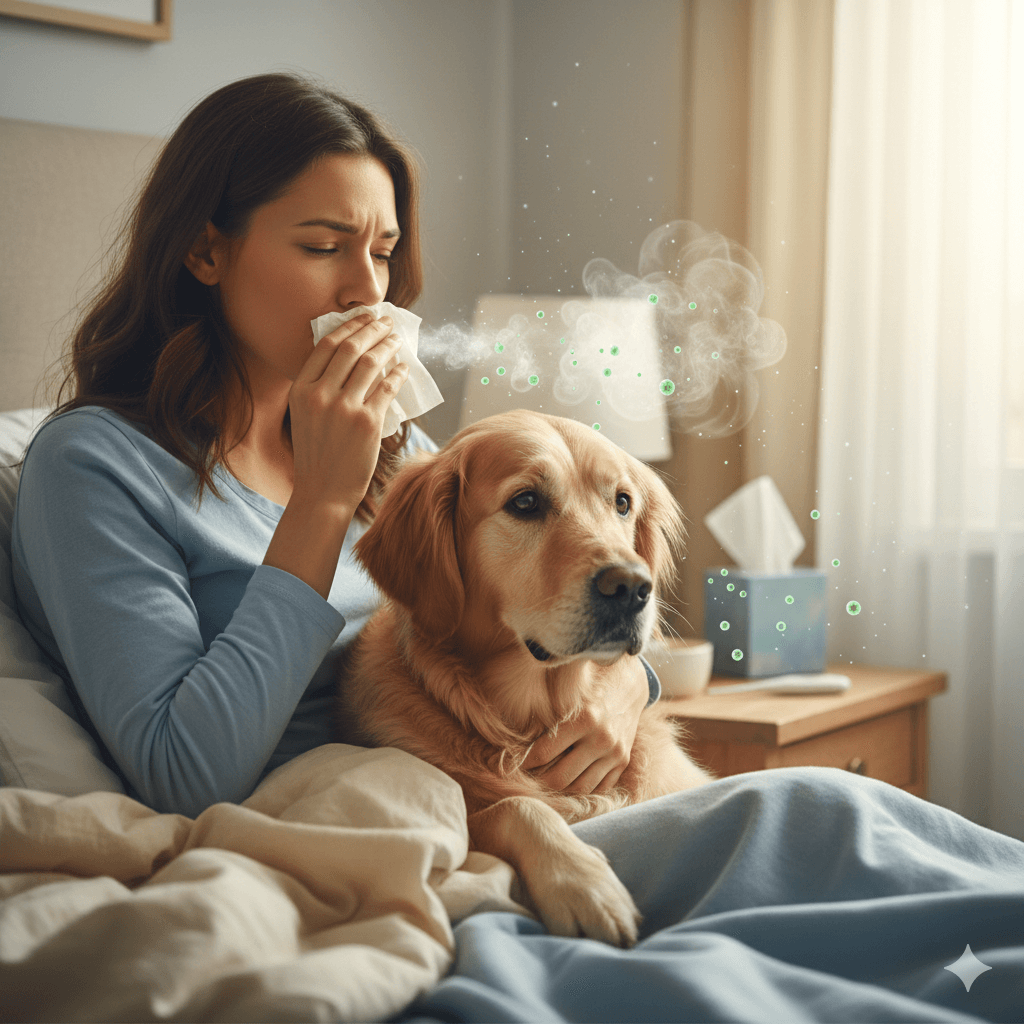

Can a Human Get a Dog Sick: Best 7 Expert Tips!

Can a Human Get a Dog Sick: Best 7 Expert Tips!

Can a Human Get a Dog Sick

It’s natural to wonder whether your own illness might affect your furry companion. While most human viruses don’t transfer to dogs, certain pathogens and behaviors can indeed make your dog unwell. Understanding the limits and risks of cross-species transmission helps you protect your pet during your own recovery. Though rare, some illnesses, medications, or even stress-related changes can indirectly impact your dog’s health. Staying informed ensures you care for both yourself and your loyal friend responsibly.

Common Ways Humans Might Affect a Dog’s Health

Although dogs and humans have different immune systems, daily close contact creates opportunities for indirect or rare direct health impacts. Being aware of these pathways can help you take simple preventive steps during times of illness or stress:

 
  • Zoonotic Illnesses (Rare but Possible):
    While uncommon, some bacteria like Salmonella or Campylobacter from a sick human can contaminate surfaces and infect a dog if ingested.
     
  • Medication Exposure:
    Accidentally dropping or leaving human medications (like acetaminophen or ibuprofen) within reach can lead to severe poisoning in dogs.
     
  • Poor Hygiene During Illness:
    Not washing hands before handling your dog’s food or toys during a gastrointestinal infection may transfer harmful microbes.
     
  • Stress Transmission:
    Dogs are highly attuned to human emotions; prolonged stress, anxiety, or depression in owners can trigger behavioral or digestive issues in sensitive dogs.
     
  • Dietary Mistakes While Unwell:
    When you’re sick, you might unintentionally share unsafe human food or skip your dog’s routine, disrupting their digestion or health.
 

While direct viral transmission like the flu is extremely unlikely, indirect risks from environment, behavior, or substances are real and manageable with awareness.

Can a Human Get a Dog Sick: Best 7 Expert Tips!

Viral Infections: How Likely Is Cross-Species Transmission?

The good news is that most common human viruses—including colds, seasonal flu (influenza A/B), and even most coronaviruses—cannot infect dogs. Their cellular receptors differ significantly from ours. However, it’s wise to understand the nuances:

 
  • Human Influenza:
    No evidence shows dogs can catch typical human flu strains, though rare experimental exposures show limited viral replication without symptoms.
     
  • SARS-CoV-2 (COVID-19):
    Dogs can rarely test positive after intense exposure, but they almost never show symptoms or spread it further. Risk remains very low.
     
  • Norovirus:
    Some research suggests dogs might carry human norovirus on their fur or paws, but they don’t get sick from it—though they could act as passive carriers.
     
  • Herpes or Colds:
    Human rhinoviruses and herpesviruses are species-specific and pose no threat to canine health.
     
  • Respiratory Syncytial Virus (RSV):
    No known transmission to dogs; this virus is strictly adapted to humans.
 

In essence, your dog is highly unlikely to catch your cold or flu—but maintaining basic hygiene still protects both of you from secondary risks.

Human Health Factors That May Affect Dogs
Low-Risk or No-Risk Scenarios
Handling dog food with unwashed hands during stomach flu
Coughing or sneezing near your dog with a common cold
Leaving prescription meds accessible
Hugging or sleeping beside your dog while feverish
Sharing food remnants from your sick-day meals
Having seasonal allergies or hay fever
High stress or emotional distress
Using standard hand soap or sanitizer near your dog
Feeding from your plate while unwell
Talking, laughing, or crying near your pet

Medications and Household Hazards That Endanger Dogs

One of the most significant ways humans inadvertently make dogs sick is through access to human medications, supplements, or cleaning products—especially when we’re not feeling well and less vigilant:

 
  • Pain Relievers Like Ibuprofen or Acetaminophen:
    Even a single pill can cause kidney failure, liver damage, or stomach ulcers in dogs. Never leave them on nightstands or countertops.
     
  • Antidepressants or Sleep Aids:
    SSRIs, benzodiazepines, or melatonin supplements can lead to severe neurological symptoms if ingested by curious dogs.
     
  • Cough and Cold Syrups:
    Many contain xylitol (toxic to dogs) or high doses of pseudoephedrine, which can be life-threatening even in small amounts.
     
  • Topical Creams or Patches:
    Nicotine patches, hormone creams, or pain gels can poison dogs through skin contact or licking.
     
  • Leftover Beverages or Foods:
    Alcohol, caffeine, or foods with onions/garlic (often consumed when sick) are dangerous if shared or spilled where dogs can reach them.
 

Storing all medications securely and cleaning up thoroughly after self-care routines are simple yet vital safeguards.

Behavioral and Emotional Impact of Human Illness on Dogs

Dogs don’t just react to physical germs—they respond deeply to changes in your routine, tone, and energy. Your illness can alter their world in subtle but meaningful ways:

 
  • Disrupted Schedules:
    Missed walks, delayed meals, or irregular playtime can cause anxiety or digestive upset in routine-oriented dogs.
     
  • Reduced Interaction:
    Being confined to bed may leave your dog feeling confused, lonely, or even rejected, leading to whining, pacing, or destructive behavior.
     
  • Scent and Voice Changes:
    Dogs rely heavily on familiar scents and sounds; fever, sweat, or a hoarse voice may temporarily alarm them.
     
  • Overcompensation by Others:
    If family members suddenly give extra treats or attention while you’re sick, it can create confusion or gastrointestinal issues from diet changes.
     
  • Mirroring Stress:
    Dogs often absorb human stress hormones; prolonged tension can elevate their cortisol levels, potentially weakening immunity.
 

Maintaining as much normalcy as possible—like gentle petting, calm voice tones, or a consistent feeding time—helps your dog feel secure even when you’re unwell.

Preventive Strategies to Keep Your Dog Safe While You’re Sick

Protecting your dog during your illness doesn’t require isolation—just mindful habits. These practical steps create a safer, calmer environment for both of you:

 
  • Wash Hands Before Touching Pet Items:
    Always clean hands before filling food bowls, handling toys, or giving treats to prevent microbial transfer.
     
  • Store Medications Securely:
    Use locked cabinets or high shelves—not bedside drawers—to keep pills and liquids out of curious noses.
     
  • Maintain Core Routines:
    Even if you’re bedridden, try to keep feeding, bathroom breaks, and bedtime consistent; enlist help if needed.
     
  • Avoid Sharing Food or Drinks:
    Resist giving “comfort bites” from your tray—many human foods are toxic, especially when you’re consuming soothing but unsafe options.
     
  • Provide Calm Reassurance:
    Speak softly, offer gentle strokes, or place a worn t-shirt with your scent near their bed to reduce separation anxiety.
 

These small acts of care ensure your recovery period doesn’t become a health risk for your devoted companion.

Special Considerations for Puppies, Seniors, and Immune-Compromised Dogs

Vulnerable dogs need extra protection when humans are ill—not because they’ll catch your virus, but because their resilience is lower:

 
  • Puppies:
    Their immune systems are still developing, making them more susceptible to environmental bacteria or stress-induced diarrhea.
     
  • Senior Dogs:
    Older dogs often have chronic conditions (like kidney disease) that can worsen if routines change or they’re exposed to toxins.
     
  • Dogs on Immunosuppressive Drugs:
    Pets with autoimmune disorders or cancer treatments have reduced defenses against opportunistic germs.
     
  • Brachycephalic or Anxious Breeds:
    Breeds like French Bulldogs or Border Collies may overreact to changes in your behavior, triggering panting, vomiting, or restlessness.
     
  • Dogs with History of Pancreatitis or IBD:
    Even minor diet deviations (like accidental treat sharing) can trigger severe flare-ups during your illness.
 

For these dogs, consistency and cleanliness aren’t just helpful—they’re essential.

What to Do If You Suspect Your Dog Got Sick Because of You

If your dog shows sudden vomiting, lethargy, or unusual behavior while you’re ill, don’t assume it’s linked—but do act promptly:

 
  • Assess for Toxin Exposure:
    Check if any medications, foods, or chemicals might have been accessed during your downtime.
     
  • Monitor Closely for 12 Hours:
    Note symptoms like appetite loss, diarrhea, or trembling—especially if they coincide with a change in your routine.
     
  • Avoid Self-Medicating Your Dog:
    Never give human remedies, even in tiny doses; contact your vet before administering anything.
     
  • Call Your Veterinarian Early:
    Describe your own illness and any possible exposures—this context helps them rule in or out environmental causes.
     
  • Reinforce Safe Habits Post-Recovery:
    Use the experience to improve medication storage, hygiene, and emergency planning for next time.
 

Quick action and honest communication with your vet can turn a worrying moment into a preventable lesson.

“We’re starting to see a lot of examples of reverse zoonosis. Pets are more susceptible than, maybe, we previously thought.”
— Dr. Benjamin Anderson

Frequently Asked Questions About Humans Making Dogs Sick

Can I give my dog my cold or flu?

No—human cold and flu viruses are species-specific and cannot infect dogs, though your behavior while sick might indirectly affect them.

Generally yes, but wash your hands before and after contact, and avoid letting your dog lick your face or hands during active symptoms.

While extremely rare and typically asymptomatic, dogs have tested positive after intense exposure—but they don’t spread it or get seriously ill.

Contact your vet or a pet poison helpline immediately—even one human medication can be dangerous or fatal to dogs.

Chronic stress can weaken your dog’s immune function or trigger digestive upset, but short-term illness-related stress is usually manageable with reassurance.


Keeping Your Bond Strong Through Illness—Safely

Your dog’s loyalty never wavers, even when you’re too unwell to play fetch or go for walks. While it’s highly unlikely you’ll transmit a virus to them, your actions during recovery can either protect or unintentionally endanger their health. By practicing simple hygiene, securing medications, and maintaining emotional connection through calm presence, you honor the deep bond you share. Remember, your dog doesn’t need you to be perfect—they just need you to be mindful. In sickness and in health, that mutual care is what makes your relationship truly special.

Is Rawhide Bad for Cats? Best 7 Expert Tips!

Is Rawhide Bad for Cats? Best 7 Expert Tips! – Discover the risks, safe alternatives, and expert advice to keep your feline friend healthy and happy.

Is Rawhide Bad for Dogs? Best 7 Expert Tips!

Is Rawhide Bad for Dogs? Best 7 Expert Tips! – Discover the risks, benefits, and safer alternatives to rawhides for your dog’s chewing needs.

Understanding Anorexia in Cats: Best 7 Expert Tips!

Understanding Anorexia in Cats: Best 7 Expert Tips! – Learn why cats stop eating, spot warning signs, and discover how to help your feline regain appetite safely.

Understanding Anorexia in Dogs: Best 7 Expert Tips!

Understanding Anorexia in Dogs: Best 7 Expert Tips! – Learn causes, symptoms, and solutions to help your dog regain appetite and stay healthy.

Leave a Reply

Your email address will not be published. Required fields are marked *