
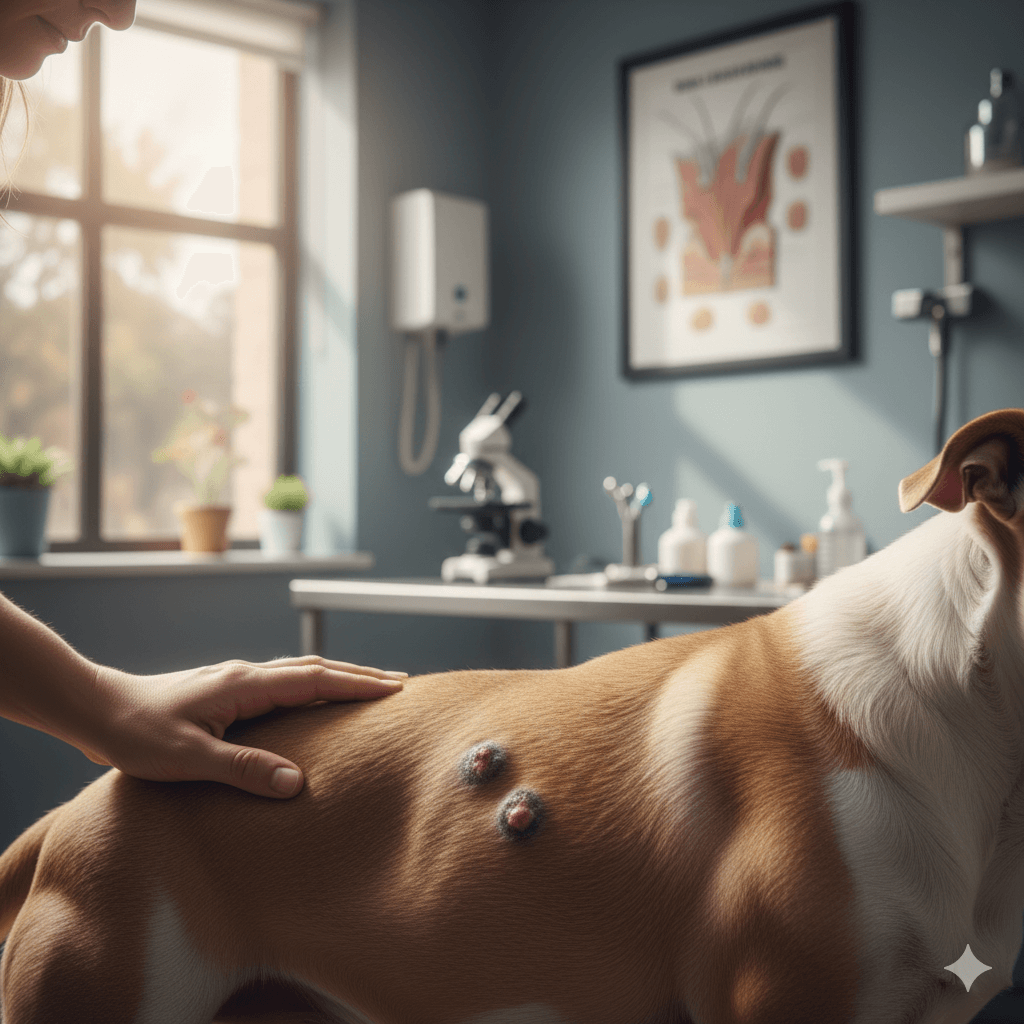

Can a Dog Get Skin Cancer: Best 7 Expert Tips!

Can a Dog Get Skin Cancer: Best 7 Expert Tips!

Can a Dog Get Skin Cancer: Best 7 Expert Tips!


Yes—dogs can and do develop skin cancer, often more frequently than many owners realize. While some forms are benign, others can be aggressive and life-threatening if not caught early. With sun exposure, genetics, and age playing key roles, knowing what to watch for—and how to respond—can make all the difference. From subtle lumps to changing moles, early detection is your dog’s best defense. Let’s explore the essential signs, risk factors, and proactive steps every pet parent should know.

Common Types of Canine Skin Cancer


Skin cancer in dogs isn’t a single condition—it encompasses several distinct types, each with its own behavior, appearance, and prognosis. Understanding these variations helps you recognize warning signs and advocate effectively for your dog’s care:

 
  • Mast Cell Tumors:
    These are among the most common malignant skin cancers in dogs, often appearing as raised, hairless lumps that may change size or itch.
     
  • Squamous Cell Carcinoma:
    Typically linked to sun exposure, this aggressive cancer often affects thin-coated or light-skinned dogs on areas like the belly, nose, or ears.
     
  • Melanoma:
    While some melanomas are benign, malignant forms can develop in pigmented areas—especially the mouth, nail beds, or footpads—and spread quickly.
     
  • Hemangiosarcoma:
    This cancer arises from blood vessel cells and may present as bruise-like lesions or firm nodules, often on the abdomen or legs.
     
  • Basal Cell Carcinoma:
    Usually slow-growing and less likely to metastasize, these tumors often appear as solitary, well-defined bumps on the head, neck, or shoulders.
 

Early identification of the tumor type through veterinary diagnostics is crucial for determining the right treatment path and outcome.

Can a Dog Get Skin Cancer: Best 7 Expert Tips!

Breed and Age Risk Factors


Not all dogs face the same likelihood of skin cancer—certain breeds, coat types, and life stages carry higher susceptibility. Recognizing your dog’s personal risk profile allows for smarter monitoring and prevention:

 
  • Light-Coated or Thin-Haired Breeds:
    Dogs like Dalmatians, Boxers, and Whippets have less UV protection, increasing vulnerability to sun-induced cancers like squamous cell carcinoma.
     
  • Senior Dogs Over Age 7:
    Cancer risk rises significantly with age, as cellular repair mechanisms slow and cumulative sun exposure takes its toll.
     
  • Genetically Predisposed Breeds:
    Scottish Terriers, Golden Retrievers, and Basset Hounds show higher rates of specific skin cancers due to inherited traits.
     
  • Dogs with Sparse Belly Fur:
    Breeds that lie in the sun on bare concrete or sand may develop lesions on lightly pigmented abdominal skin.
     
  • Dogs with Chronic Skin Inflammation:
    Repeated trauma, infection, or scarring can create cellular changes that, over time, may lead to abnormal growths.
 

While you can’t change genetics or age, awareness lets you adjust care—like limiting sun exposure or scheduling routine skin checks.

High-Risk Traits
Protective Measures
White or light-colored coat
Use pet-safe sunscreen on exposed areas
Age over 8 years
Schedule biannual veterinary skin exams
Short or thin fur
Provide shaded rest areas outdoors
History of skin lumps
Photograph and track any new growths monthly
Outdoor lifestyle
Avoid peak UV hours (10 a.m.–4 p.m.)

Warning Signs to Watch For


Skin cancer doesn’t always look dramatic—many early tumors mimic harmless cysts or insect bites. Knowing what to monitor during your weekly petting sessions can lead to life-saving early diagnosis:

 
  • New or Growing Lumps:
    Any bump that appears suddenly or increases in size over weeks should be evaluated by a vet.

     
  • Non-Healing Sores:
    Lesions that scab, ooze, or bleed repeatedly without healing may indicate malignancy.

     
  • Color or Texture Changes:
    Darkening, ulceration, or rough, crusty patches on previously smooth skin warrant attention.

     
  • Itching or Licking at One Spot:
    Persistent focus on a specific area—even without visible changes—can signal discomfort from an underlying tumor.

     
  • Asymmetrical or Irregular Moles:
    Like in humans, uneven borders, multiple colors, or rapid growth in pigmented spots are red flags.
 

When in doubt, follow the “when in doubt, check it out” rule—early biopsies are simple and can prevent advanced disease.

Diagnostic and Treatment Options


If a suspicious lesion is found, your veterinarian will recommend steps to confirm its nature and determine the best course of action. Modern veterinary oncology offers effective tools for both diagnosis and management:

 
  • Fine Needle Aspiration (FNA):
    A quick, minimally invasive test to collect cells for microscopic evaluation—often the first diagnostic step.
     
  • Biopsy and Histopathology:
    For definitive diagnosis, a tissue sample is surgically removed and analyzed to identify cancer type and grade.
     
  • Surgical Removal:
    Many skin cancers are curable with complete excision, especially when caught early and margins are clear.
     
  • Radiation or Chemotherapy:
    Used for aggressive or inoperable tumors, these therapies can extend quality life significantly.
     
  • Targeted Therapies or Immunotherapy:
    For certain cancers like mast cell tumors, newer drugs offer precise treatment with fewer side effects.
 

The prognosis varies widely by type and stage—but with prompt care, many dogs live years after diagnosis.

Prevention Strategies That Work


While not all skin cancers are preventable, smart daily habits can dramatically reduce your dog’s risk—especially for sun-related types. Prevention starts with awareness and consistency:

 
  • Limit Midday Sun Exposure:
    Keep your dog indoors or in deep shade during peak UV hours, particularly in summer months.
     
  • Use Veterinary-Approved Sunscreen:
    Apply pet-safe sunscreen (zinc-oxide-free) to ears, nose, belly, and other exposed areas—never use human formulas.
     
  • Provide Sun-Protective Gear:
    Lightweight UV-protective dog shirts or bodysuits offer safe coverage during beach or hiking trips.
     
  • Perform Monthly Skin Checks:
    Part your dog’s fur systematically from head to tail, noting any new or changing spots in a journal or photo log.
     
  • Maintain Overall Skin Health:
    Balanced nutrition, parasite control, and regular grooming support immune function and early detection.
 

Prevention isn’t about fear—it’s about empowering your dog to live longer, healthier, and more comfortably in the sun.

When to See a Veterinarian Immediately


Some skin changes demand urgent evaluation, especially in high-risk dogs. Delaying care can allow aggressive cancers to spread, reducing treatment success. Know when to act fast:

 
  • Rapidly Growing Masses:
    A lump that doubles in size within 1–2 weeks needs immediate assessment.
     
  • Bleeding or Ulcerated Tumors:
    Open, oozing, or foul-smelling lesions often indicate advanced or invasive disease.
     
  • Tumors in Sensitive Areas:
    Growths on eyelids, lips, nail beds, or genitals behave more aggressively and require prompt attention.
     
  • Multiple New Lumps:
    The sudden appearance of several bumps may signal systemic illness or metastatic cancer.
     
  • Behavioral Changes with Skin Lesions:
    Lethargy, loss of appetite, or pain when touched alongside skin changes suggest serious involvement.
 

Your intuition matters—if something feels “off,” trust it and schedule a vet visit without delay.

Long-Term Care After a Skin Cancer Diagnosis


A cancer diagnosis isn’t necessarily a death sentence. With proper management, many dogs enjoy excellent quality of life for months or even years. Ongoing care focuses on monitoring, support, and wellness:

 
  • Regular Recheck Appointments:
    Follow-up exams every 3–6 months help catch recurrence or new tumors early.
     
  • Home Monitoring Routines:
    Keep a skin map or photo album to document existing scars, moles, and surgical sites for comparison.
     
  • Supportive Nutrition:
    Diets rich in antioxidants and omega-3 fatty acids may help support immune resilience during recovery.
     
  • Avoid Known Carcinogens:
    Reduce exposure to lawn chemicals, tobacco smoke, and excessive UV radiation.
     
  • Emotional and Physical Comfort:
    Gentle exercise, mental stimulation, and pain management preserve your dog’s joy and dignity.
 

Cancer care is a journey—one best walked with knowledge, compassion, and a trusted veterinary team by your side.

Frequently Asked Questions About Canine Skin Cancer

Can skin cancer in dogs be cured?

Many types, especially when caught early, can be fully cured with surgery. Others are manageable long-term with combined therapies.

Darker pigmentation offers some UV protection, but all dogs—regardless of color—can develop skin cancer, including in hidden areas like the mouth.

No—many human sunscreens contain zinc oxide or PABA, which are toxic if licked. Always use products labeled specifically for pets.

Yes—while sun exposure is a major factor for some types, others (like mast cell tumors) aren’t UV-related and can occur in any dog.

Not necessarily. Your vet may recommend monitoring small, stable, benign-appearing growths—but any change warrants re-evaluation.

Caring for Your Dog’s Skin Health Today and Tomorrow


Skin cancer in dogs is more common than many realize—but with vigilance, prevention, and timely care, its impact can be minimized or even avoided. By performing regular checks, protecting your dog from excessive sun, and partnering with your veterinarian, you become a powerful advocate for their long-term health. Remember, not every lump is dangerous, but every one deserves your attention. In the quiet moments of brushing your dog’s coat or sharing sun-dappled naps, you’re already building the foundation of trust and observation that keeps them safe. Let your love be their first line of defense.

Pandango Dog: Best 7 Expert Tips!

Pandango Dog: Best 7 Expert Tips! – Discover the perfect mix of Poodle smarts and Dachshund charm, plus care, health, and training advice for this lovable hybrid.

Why Is My Cats Skin Pink? Best 7 Expert Tips!

Why Is My Cats Skin Pink? Best 7 Expert Tips! – Discover causes, signs, and solutions for pink skin in cats. Learn when to worry and how to keep your feline healthy.

Why Is My Dogs Skin Pink? Best 7 Expert Tips!

Why Is My Dogs Skin Pink? Best 7 Expert Tips! – Discover causes, symptoms, and solutions for pink skin in dogs. Learn when to act and how to keep your pup healthy!

Understanding Cat Skin Colors: Best 7 Expert Tips!

Understanding Cat Skin Colors: Best 7 Expert Tips! – Explore the science, patterns, and care behind feline skin colors for a healthier, happier cat.

Leave a Reply

Your email address will not be published. Required fields are marked *

Recent Post

Post Category


