


Can a Cat Get Skin Cancer: Best 7 Expert Tips!

Can a Cat Get Skin Cancer: Best 7 Expert Tips!

Can a Cat Get Skin Cancer

Yes—cats can indeed develop skin cancer, and it’s more common than many pet owners realize. While often overlooked due to their fur, feline skin tumors can range from benign growths to aggressive malignancies. Early detection is crucial, especially in light-colored or hairless breeds with greater sun exposure. Though not all lumps are dangerous, any persistent, growing, or changing skin lesion warrants veterinary evaluation. Understanding the risks and warning signs empowers you to protect your cat’s health before it’s too late.

Common Types of Skin Cancer in Cats

Feline skin cancer isn’t a single disease but a group of conditions with varying severity and origins. Some types grow slowly and remain localized, while others spread rapidly to internal organs. Recognizing the most frequent forms helps you respond appropriately if a suspicious spot appears:

 
  • Squamous Cell Carcinoma (SCC):
    Often linked to UV exposure, this aggressive cancer typically appears on sun-drenched areas like ears, nose, or eyelids—especially in white or pale-coated cats.
     
  • Mast Cell Tumors:
    These arise from immune cells and can look like small, hairless lumps on the head, neck, or trunk; some are benign, others malignant.
     
  • Basal Cell Tumors:
    Usually benign and slow-growing, these firm, raised masses are common in older cats and often found on the head, shoulders, or chest.
     
  • Fibrosarcomas:
    Highly invasive tumors that may develop at vaccination sites or after chronic inflammation, requiring aggressive treatment.
     
  • Melanomas:
    Though rarer in cats than dogs, these pigment-cell tumors can appear as dark spots or nodules on the skin or mouth and may be malignant.
 

While some skin cancers are treatable with surgery alone, others demand a multimodal approach—making early diagnosis vital for your cat’s prognosis.

Can a Cat Get Skin Cancer: Best 7 Expert Tips!

Signs Your Cat Might Have Skin Cancer

Cats are masters at hiding illness, so subtle changes in their skin or behavior may be the only clues. Regular at-home checks—especially during grooming—can uncover abnormalities before they advance. Watch for these red flags:

 
  • Persistent Sores or Ulcers:
    Wounds that don’t heal, particularly on the ears, nose, or lips, may signal SCC or another aggressive tumor.
     
  • New Lumps or Bumps:
    Any sudden or growing mass, especially if firm, irregular, or changing in color, should be examined by a vet.
     
  • Hair Loss or Scabbing:
    Localized bald patches with crusting, redness, or bleeding could indicate underlying cancer, not just allergy or infection.
     
  • Changes in Skin Pigmentation:
    Darkening, uneven color, or unusual freckle-like spots—particularly in sun-exposed zones—deserve professional assessment.
     
  • Itching, Licking, or Pain:
    If your cat obsessively grooms one area or flinches when touched, it may be due to discomfort from a skin lesion.
 

Never assume a skin change is “just a scratch”—when in doubt, a veterinary dermatology consult can provide peace of mind.

Early Warning Signs
High-Risk Scenarios
Small scab on ear tip
White or light-colored cats
Slightly raised pink lump
Cats with outdoor sun exposure
Mild hair thinning on nose
Senior cats (10+ years)
Occasional head shaking
Hairless breeds (e.g., Sphynx)
Minor skin discoloration
History of chronic skin inflammation

Risk Factors That Increase a Cat’s Chances

Not all cats face the same level of risk—certain traits and lifestyle factors significantly raise the likelihood of skin cancer. Understanding these helps you take preventive steps tailored to your pet’s profile:

 
  • Light or White Coat Color:
    Cats with white fur, especially on ears or face, lack protective melanin and burn more easily in sunlight.
     
  • Excessive Sun Exposure:
    Lounging in sunny windows or spending time outdoors during peak UV hours (10 a.m.–4 p.m.) heightens SCC risk.
     
  • Advanced Age:
    Most skin cancers occur in cats over 10 years old, as cumulative sun damage and immune changes increase vulnerability.
     
  • Genetic Predisposition:
    Certain breeds like the Sphynx, Devon Rex, or white Domestic Shorthairs show higher incidence rates.
     
  • Chronic Skin Inflammation:
    Repeated infections, wounds, or reactions (e.g., from flea bites or injections) may trigger abnormal cell growth over time.
 

Reducing modifiable risks—like limiting midday sun—can significantly lower your cat’s chances of developing UV-related cancers.

How Vets Diagnose Skin Cancer in Cats

If a suspicious lesion appears, your veterinarian will use a combination of tools to determine whether it’s cancerous and, if so, what type. Accurate diagnosis guides treatment and prognosis:

 
  • Physical Examination & History:
    Your vet will note location, size, texture, and duration of the lesion, plus your cat’s sun habits and breed.
     
  • Fine Needle Aspiration (FNA):
    A quick, minimally invasive test where cells are extracted with a thin needle for microscopic analysis.
     
  • Biopsy:
    For definitive diagnosis, a small tissue sample is surgically removed and sent to a lab for histopathology.
     
  • Imaging (if needed):
    X-rays or ultrasound may check for spread to lymph nodes or internal organs in aggressive cases.
     
  • Staging Tests:
    Blood work and additional diagnostics help assess overall health and suitability for surgery or other therapies.
 

Early and precise diagnosis dramatically improves outcomes—especially for cancers like SCC, which are highly treatable when caught early.

Treatment Options and Prognosis

Treatment depends on cancer type, location, size, and whether it has spread. Many feline skin cancers have excellent outcomes with prompt intervention:

 
  • Surgical Removal:
    The primary treatment for most localized tumors; complete excision often cures basal cell tumors and early SCC.
     
  • Radiation Therapy:
    Used for tumors in sensitive areas (like the nose) where surgery isn’t feasible, or as follow-up to prevent recurrence.
     
  • Cryotherapy:
    Freezing small, superficial lesions (e.g., early ear SCC) can be effective with minimal scarring.
     
  • Chemotherapy or Immunotherapy:
    Reserved for aggressive or metastatic cancers like high-grade fibrosarcomas or mast cell disease.
     
  • Palliative Care:
    For advanced cases, focus shifts to comfort—pain management, wound care, and quality-of-life support.
 

Prognosis ranges from excellent (for benign or early-stage tumors) to guarded (for invasive or metastatic disease)—highlighting why timing matters.

Preventive Measures to Protect Your Cat

While not all cancers are preventable, smart habits can drastically reduce your cat’s risk—especially for sun-induced types:

 
  • Limit Direct Sun Exposure:
    Use UV-blocking window film or close blinds during peak sunlight hours; provide shaded retreats indoors.
     
  • Apply Pet-Safe Sunscreen:
    On ears, nose, or other sparsely furred areas of high-risk cats—but only use vet-approved, non-toxic formulas.
     
  • Schedule Regular Skin Checks:
    Monthly at-home exams and annual vet visits help catch changes before they become serious.
     
  • Keep Vaccination Sites Monitored:
    Note any lumps forming weeks or months after injections and report persistent ones promptly.
     
  • Maintain Overall Health:
    A strong immune system supports natural cancer defense—feed a balanced diet, minimize stress, and prevent parasites.
 

Prevention isn’t about fear—it’s about giving your cat the safest, healthiest environment possible throughout their life.

When to See a Vet for Suspected Skin Cancer in Cats

Not every skin change requires emergency care—but knowing when to seek professional help can make all the difference in your cat’s outcome. Early veterinary intervention often means less invasive treatment and a better chance of full recovery. Trust your instincts: if something looks or feels off, it’s always better to get it checked.

 
  • A Lump That’s Growing Rapidly:
    Any mass that noticeably increases in size over days or weeks should be evaluated immediately.

     
  • Non-Healing Sores on Sun-Exposed Areas:
    Persistent scabs or ulcers on the ears, nose, or eyelids—especially in white cats—are classic signs of squamous cell carcinoma.

     
  • Bleeding, Oozing, or Foul Odor:
    These indicate possible infection or advanced tumor breakdown and require prompt medical attention.

     
  • Behavioral Changes Linked to a Skin Lesion:
    If your cat suddenly avoids being touched, grooms obsessively, or seems irritable near a specific spot, pain may be present.

     
  • Multiple New Growths Appearing at Once:
    This could signal a systemic issue or aggressive cancer type needing comprehensive diagnostics.
 

When in doubt, schedule a vet visit—even if just for peace of mind. In feline skin cancer, time is often the most powerful treatment tool you have.

Frequently Asked Questions About Feline Skin Cancer

Can indoor cats get skin cancer?

Yes—especially if they sunbathe near uncovered windows. UV rays penetrate glass, putting even housebound cats at risk.


Early stages may not hurt, but advanced tumors can ulcerate, bleed, or cause discomfort, leading to behavioral changes.

No—many are benign cysts, abscesses, or reactions. But any new lump should be vet-checked to be sure.

It varies: SCC on ears may progress over months, while fibrosarcomas can grow rapidly in weeks.

No—feline skin cancers are not contagious to people, dogs, or other cats.

Protecting Your Feline Friend’s Future

Discovering a strange bump on your beloved cat can be alarming—but knowledge turns fear into action. While skin cancer in cats is a real concern, especially for those with pale fur or sun-loving habits, early detection and modern veterinary care offer powerful tools for management and even cure. By staying observant, limiting UV exposure, and partnering with your vet, you give your feline companion the best defense against this silent threat. Remember, your gentle hands during a weekly petting session might just catch a warning sign before it’s too late. In the quiet bond between you and your cat, vigilance is the deepest form of love—and it can truly save a life.

How to Taper Off Prednisone for Cats: Best 7 Expert Tips!

How to Taper Off Prednisone for Cats: Best 7 Expert Tips! – Safely reduce prednisone with vet guidance. Learn now!
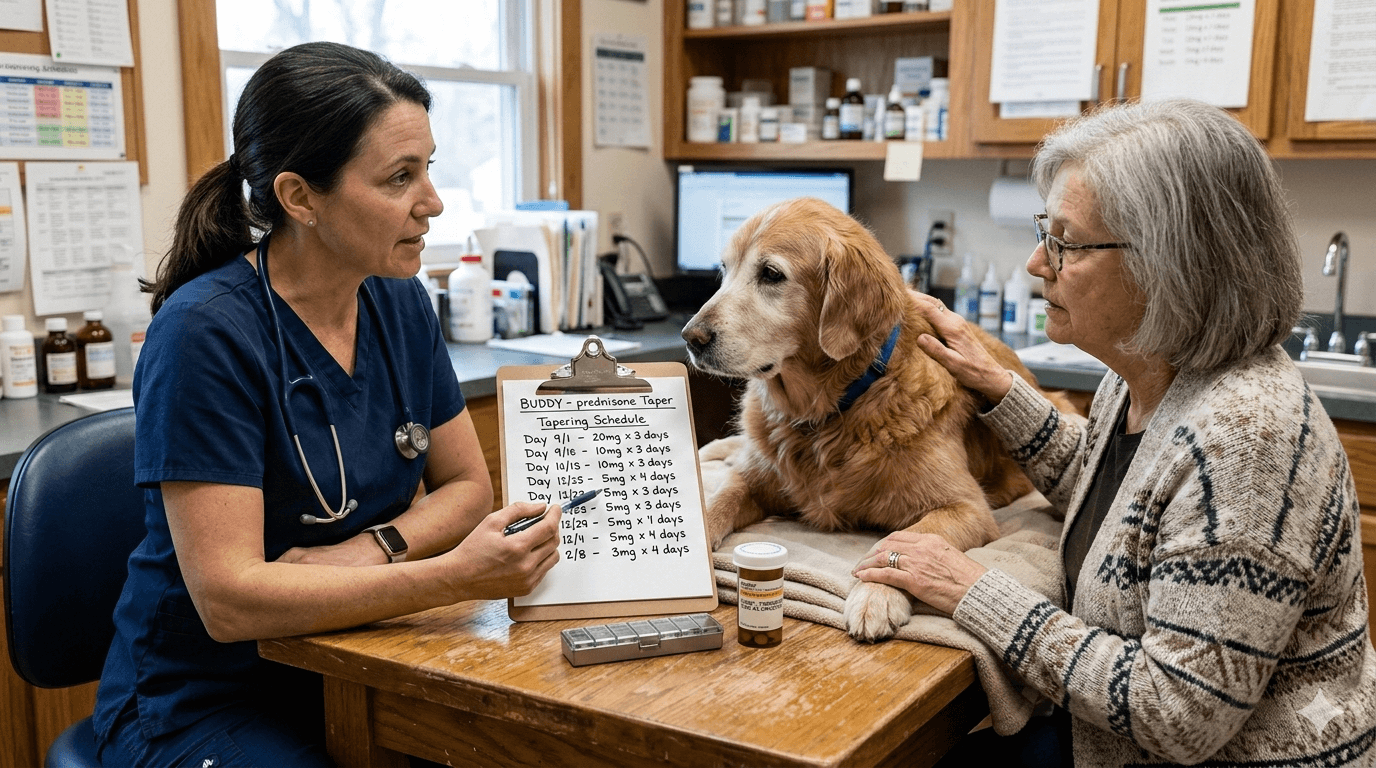
How to Taper Off Prednisone Schedule for Dogs: Best 7 Tips!

How to Taper Off Prednisone Schedule for Dogs: Best 7 Tips! – Learn the safe way to reduce prednisone, recognize withdrawal signs, and keep your dog healthy during the process.

Can a Cat Scratch Give You Rabies? Best 7 Expert Tips!

Can a Cat Scratch Give You Rabies? Best 7 Expert Tips! – Learn how rabies spreads, assess risks from cat scratches, and know when to seek medical help. Stay safe!

Can a Dog Scratch Give You Rabies? Best 7 Expert Tips!

Can a Dog Scratch Give You Rabies? Best 7 Expert Tips! – Learn the risks, symptoms, and steps to take if scratched by a dog. Stay informed and protect yourself from rabies exposure.

Leave a Reply

Your email address will not be published. Required fields are marked *