Campylobacter in Cats: Best 7 Expert Tips!

Campylobacter in Cats: Best 7 Expert Tips!

Understanding Campylobacter in Cats: Best 7 Expert Tips!

Campylobacter infection in cats may not always cause dramatic symptoms, but it’s a bacterial illness that deserves attention—especially in kittens or immunocompromised pets. Often linked to raw diets, contaminated water, or exposure to wildlife, this zoonotic bacteria can affect both your feline friend and human household members. While many cats recover with minimal intervention, knowing the signs, risks, and prevention strategies is essential for responsible care. Early recognition and hygiene practices go a long way in keeping your cat—and your family—safe from this hidden threat.

Origins and Transmission of Campylobacter in Cats

Campylobacteriosis stems from bacteria—most commonly Campylobacter jejuni or C. coli—that colonize the intestinal tract. Although cats can carry the bacteria asymptomatically, certain conditions trigger active infection. Understanding how cats encounter this pathogen helps you reduce exposure risks:

 
  • Contaminated Food or Water:
    Raw or undercooked meat, unpasteurized milk, and stagnant outdoor water sources are common vehicles for bacterial transmission.
     
  • Contact with Infected Animals:
    Stray cats, wildlife (especially birds and rodents), or even asymptomatic carriers in multi-cat homes can spread the bacteria through feces.
     
  • Poor Sanitation Environments:
    Overcrowded shelters, unsanitary litter boxes, or infrequent cleaning increase the chance of bacterial buildup and reinfection.
     
  • Zoonotic Potential:
    Humans can contract Campylobacter from infected cats through direct contact with feces or contaminated surfaces—making hygiene critical.
     
  • Stress or Immune Compromise:
    Kittens, senior cats, or those with FIV/FeLV are more likely to develop symptoms after exposure due to weaker defenses.
 

While not every exposed cat falls ill, these pathways highlight why prevention centers on diet control, cleanliness, and cautious handling.

Campylobacter in Cats: Best 7 Expert Tips!

Common Clinical Signs of Campylobacter Infection

Many infected cats show no symptoms, but when illness occurs, it typically targets the gastrointestinal system. Symptoms can range from mild to severe, especially in young or vulnerable individuals:

 
  • Watery or Mucoid Diarrhea:
    Often the first and most noticeable sign—stool may be frequent, foul-smelling, and occasionally contain blood.
     
  • Vomiting (Less Common):
    Some cats may vomit, especially if the infection spreads or is accompanied by other pathogens.
     
  • Lethargy and Reduced Appetite:
    Affected cats may seem quieter than usual, skip meals, or hide more frequently during the acute phase.
     
  • Fever or Dehydration:
    In moderate to severe cases, elevated temperature, dry gums, or skin tenting may signal systemic involvement.
     
  • Intermittent Symptoms:
    Some cats experience on-and-off diarrhea for weeks, becoming chronic carriers even after feeling better.
 

Most cases resolve within 5–7 days, but persistent diarrhea beyond a week warrants veterinary evaluation to rule out complications.

Early Indicators
When to Seek Immediate Care
Soft stool for 1–2 days
Diarrhea lasting more than 5 days
Slight decrease in energy
Blood in stool or black, tarry feces
Occasional vomiting
Signs of dehydration (sunken eyes, dry gums)
Normal behavior otherwise
Fever above 103.5°F (39.7°C)
Appetite mildly reduced
Kittens showing any symptom—act quickly

Diagnosis and Veterinary Evaluation

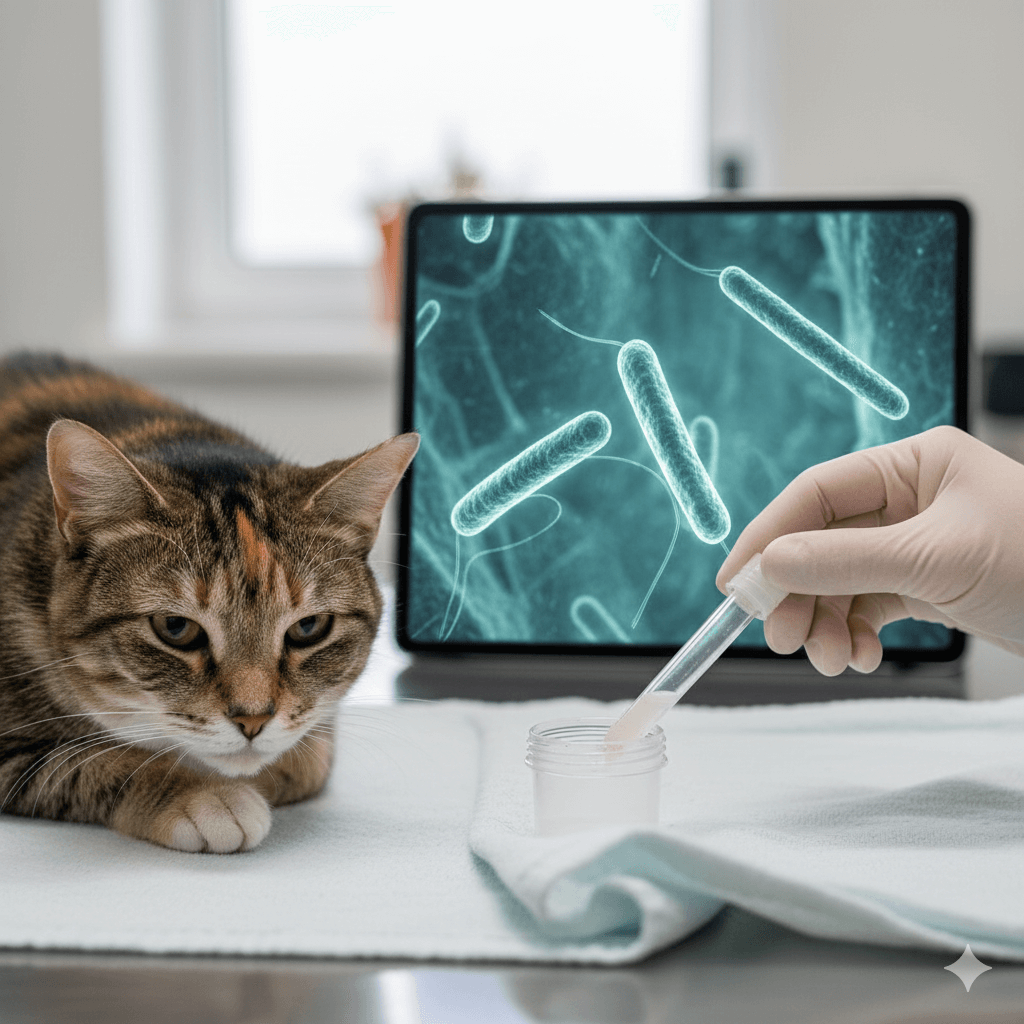
Because Campylobacter symptoms mimic other intestinal issues—like parasites, salmonella, or inflammatory bowel disease—lab testing is essential for confirmation. Your vet will use a combination of clinical signs and diagnostics:

 
  • Fecal Culture or PCR Testing:
    The gold standard for identifying Campylobacter species in stool, though results may take several days.
     
  • Fecal Smear or Gram Stain:
    A rapid in-clinic test that can suggest bacterial overgrowth but isn’t definitive on its own.
     
  • Complete Blood Work:
    Helps assess dehydration, inflammation, or secondary infections, especially in severe cases.
     
  • Rule-Out Other Causes:
    Your vet may test for parasites (e.g., giardia), viruses (e.g., panleukopenia), or dietary sensitivities.
     
  • Zoonotic Risk Assessment:
    If you or family members have gastrointestinal symptoms, your vet may coordinate with your physician for public health guidance.
 

Accurate diagnosis ensures proper treatment and helps prevent unnecessary antibiotic use, which can worsen gut imbalance.

Treatment Approaches for Infected Cats

Not all Campylobacter cases require antibiotics—many resolve with supportive care alone. However, treatment decisions depend on severity, age, and household risk factors:

 
  • Fluid Therapy for Dehydration:
    Subcutaneous or oral rehydration solutions help restore electrolyte balance, especially in kittens.
     
  • Antibiotics (When Necessary):
    Erythromycin or azithromycin are preferred; fluoroquinolones like ciprofloxacin are avoided due to resistance concerns.
     
  • Probiotics and Gut Support:
    Veterinary-formulated probiotics can help repopulate healthy gut flora after infection or antibiotic use.
     
  • Bland, Easily Digestible Diet:
    Temporarily switching to a low-fat, high-fiber diet reduces intestinal irritation during recovery.
     
  • Strict Hygiene During Treatment:
    Wear gloves when cleaning litter, wash hands thoroughly, and disinfect surfaces to prevent human transmission.
 

Most cats improve within days of starting treatment, but always complete the full antibiotic course—even if symptoms vanish early.

Preventing Campylobacter in Your Household

Prevention protects not only your cat but also vulnerable humans—particularly children, elderly individuals, or those with weakened immune systems. A few consistent habits make a big difference:

 
  • Avoid Raw or Undercooked Diets:
    Cook all meat thoroughly and never feed unpasteurized dairy products to your cat.
     
  • Maintain Litter Box Hygiene:
    Scoop daily, disinfect weekly with bleach solution (rinse well), and wash hands after handling waste.
     
  • Limit Outdoor Hunting:
    Keep your cat indoors or supervise outdoor time to reduce exposure to infected birds, rodents, or contaminated soil.
     
  • Isolate New or Sick Cats:
    In multi-cat homes, quarantine new arrivals for 1–2 weeks and test if diarrhea develops.
     
  • Wash Hands After Petting or Handling:
    Especially before eating or preparing food—Campylobacter can cling to fur near the rear end.
 

These steps significantly lower infection risk and support a healthier home environment for everyone.

Special Considerations for Kittens and Multi-Cat Households

Kittens and group-living cats face unique challenges with Campylobacter due to developing immune systems or close contact. Extra vigilance is key in these scenarios:

 
  • Kittens Under 6 Months:
    Their immature guts are more prone to severe diarrhea, dehydration, and weight loss—seek vet care at the first sign.
     
  • High-Risk Breeding Catteries:
    Outbreaks can spread rapidly; routine fecal screening and strict sanitation protocols are essential.
     
  • Asymptomatic Carriers:
    Healthy-looking cats can shed bacteria for weeks—test all cats in the home if one is diagnosed.
     
  • Stress-Induced Reactivation:
    Moving, boarding, or introducing new pets can trigger shedding in previously infected cats.
     
  • Cross-Contamination Risks:
    Use separate litter boxes, food bowls, and cleaning tools during active infection to contain spread.
 

In group settings, prevention isn’t just about one cat—it’s about protecting the entire feline community.

Expert Tips for Managing and Monitoring Campylobacter in Cats

Successfully navigating a Campylobacter infection—or preventing one altogether—requires combining veterinary insight with everyday vigilance. These practical, vet-backed strategies help you stay proactive while keeping stress low for both you and your cat:

 
  • Quarantine New or Symptomatic Cats Immediately:
    Isolate any cat showing diarrhea or lethargy from other pets for at least 7–10 days to limit household spread.
     
  • Use Disposable Gloves for Litter Duty:
    Always wear gloves when scooping or cleaning litter boxes during an active infection, and discard them after use.
     
  • Disinfect Surfaces with Diluted Bleach:
    Campylobacter is killed by a 1:32 bleach-to-water solution—use it on floors, bowls, and surfaces, but rinse thoroughly to avoid fume exposure.
     
  • Avoid Overuse of Antibiotics:
    Unnecessary antibiotics can disrupt gut flora and promote resistant strains; only use them when clearly indicated by your vet.
     
  • Monitor Human Household Members:
    If anyone develops unexplained diarrhea, fever, or cramps, inform your doctor—mention recent cat illness for possible zoonotic testing.
 

With consistency and care, most Campylobacter cases resolve without long-term effects, and your home can remain a safe, healthy space for all its inhabitants.

Frequently Asked Questions About Campylobacter in Cats

Can humans get Campylobacter from cats?

Yes—though less common than from poultry, transmission can occur through contact with infected feces or contaminated surfaces.

No. Many adult cats recover on their own; antibiotics are reserved for severe cases, kittens, or high-risk households.

Yes, especially in close quarters. The bacteria spread via the fecal-oral route, so hygiene is critical.

Shedding can last 2–6 weeks, even after symptoms resolve—making post-recovery hygiene essential.

Routine screening isn’t typically recommended unless there’s a known exposure or human illness in the home.

Protecting Your Feline Friend and Family

Campylobacter in cats may fly under the radar, but with mindful care, it’s both manageable and preventable. By recognizing subtle signs, prioritizing hygiene, and making smart choices about diet and environment, you create a safer space for your cat and everyone they love. Remember, a healthy gut is the foundation of your cat’s overall well-being—and your vigilance today can prevent illness tomorrow. In the quiet moments of cleaning a litter box or choosing a safe meal, you’re not just being cautious; you’re expressing deep care for the small, trusting life that depends on you.

Newfoundland Dog Personality: Best 7 Expert Tips!

Newfoundland Dog Personality: Best 7 Expert Tips! – Discover the gentle, loyal, and protective nature of this giant breed perfect for families.

Can Hot Pavement Burn Your Cats Paws? Best 7 Expert Tips!

Can Hot Pavement Burn Your Cats Paws? Best 7 Expert Tips! – Learn how to protect your cat’s paws from hot surfaces and prevent painful burns this summer.

Can Hot Pavement Burn Your Dogs Paws? Best 7 Expert Tips!

Can Hot Pavement Burn Your Dogs Paws? Best 7 Expert Tips! – Learn how to protect your dog’s paws from hot surfaces and ensure safe summer walks.

Irish Wolfhound Size: Best 7 Expert Tips!

Irish Wolfhound Size: Best 7 Expert Tips! – Discover the ideal height, weight, and care tips for this majestic giant breed. Learn how to manage their impressive stature responsibly.

Leave a Reply

Your email address will not be published. Required fields are marked *



