

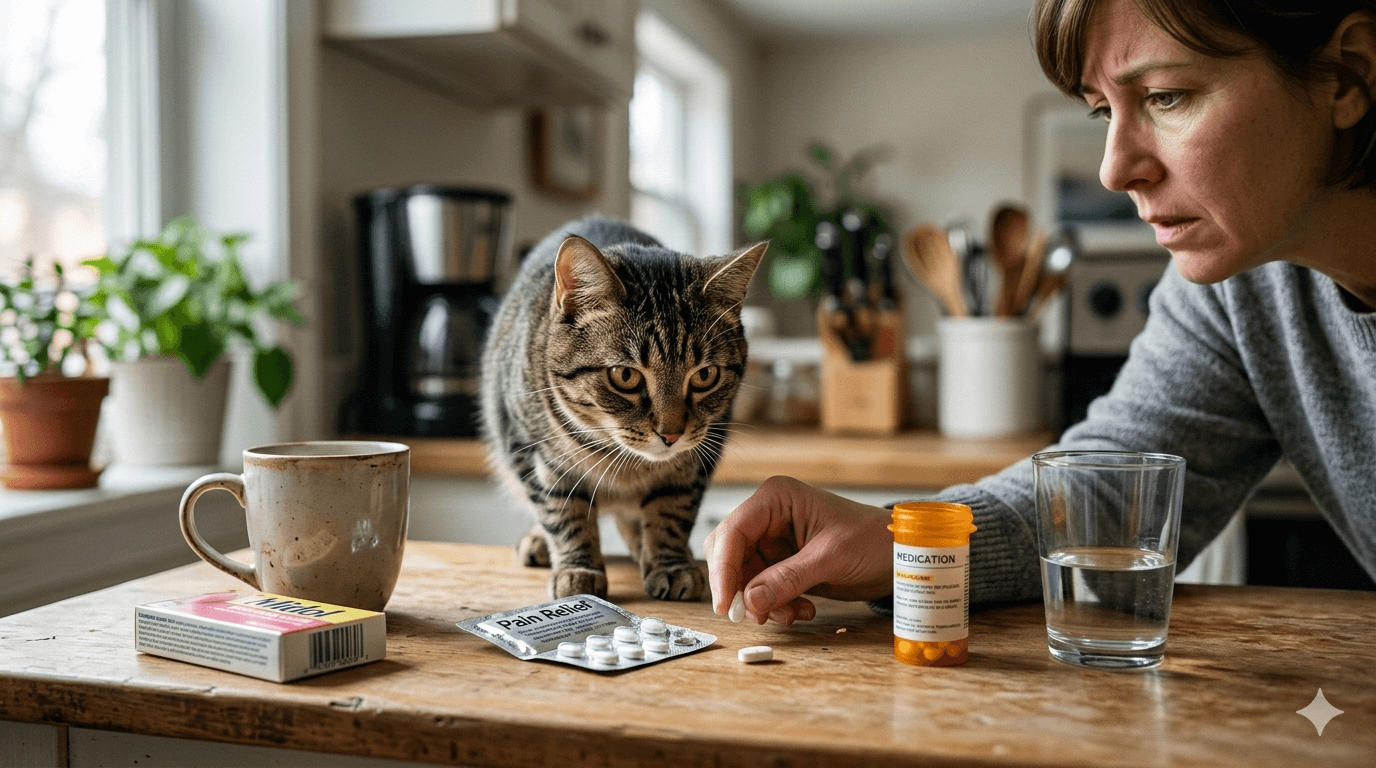
Buprenorphine for Cats: Best 7 Health Tips!

Buprenorphine for Cats: Best 7 Health Tips!

Buprenorphine for Cats: Understanding Its Uses and Benefits


When it comes to managing pain in cats, veterinarians often turn to medications that are both safe and effective. One such option is buprenorphine, a versatile analgesic widely used in veterinary medicine. Whether your cat is recovering from surgery, dealing with chronic pain, or facing an injury, buprenorphine can provide much-needed relief. However, as a responsible pet owner, it’s essential to understand how this medication works, its benefits, and any potential risks. In this article, we’ll explore everything you need to know about buprenorphine for cats, ensuring you’re well-equipped to support your feline friend’s health and comfort.


The Science Behind Buprenorphine: A Powerful Pain Reliever


Buprenorphine is an opioid medication that belongs to the class of drugs known as partial agonists. Unlike full opioids, it provides effective pain relief while minimizing the risk of side effects like respiratory depression. Here’s a breakdown of what makes buprenorphine a trusted choice for feline pain management:

 
  • Partial Opioid Agonist :
    Buprenorphine binds to opioid receptors in the brain but activates them only partially, reducing the risk of overdose.

  • Long-Lasting Effects :
    The medication’s effects can last up to 6–12 hours, making it convenient for pain management.

  • Minimal Sedation :
    Unlike some opioids, buprenorphine typically causes less sedation, allowing cats to remain alert and comfortable.

  • Effective for Moderate to Severe Pain :
    It’s commonly used for post-surgical pain, dental procedures, and injuries requiring strong analgesia.

  • Versatile Administration :
    Buprenorphine can be administered orally, sublingually (under the tongue), or via injection, depending on the situation.


Understanding how buprenorphine works highlights its value in veterinary care. Its safety profile and efficacy make it a go-to option for many veterinarians treating feline patients.

When Is Buprenorphine Prescribed for Cats?


Buprenorphine is a versatile medication that can address a variety of painful conditions in cats. Veterinarians prescribe it based on the severity and type of pain your cat is experiencing. Here are some common scenarios where buprenorphine may be recommended:

 
  • Post-Surgical Pain Management :
    After spaying, neutering, or other surgeries, buprenorphine helps keep cats comfortable during recovery.

  • Dental Procedures :
    Tooth extractions or other dental surgeries often require pain relief, which buprenorphine can provide effectively.

  • Injury Recovery :
    Fractures, sprains, or soft tissue injuries benefit from the analgesic properties of buprenorphine.

  • Chronic Pain Conditions :
    Cats suffering from arthritis or other long-term conditions may find relief with carefully managed doses.

  • Terminal Illness Care :
    In palliative care, buprenorphine ensures cats remain pain-free and comfortable in their final days.


These applications demonstrate the wide range of situations where buprenorphine can improve a cat’s quality of life. Always consult your veterinarian to determine if it’s the right choice for your pet.

Buprenorphine for Cats: Best 7 Health Tips!
Benefits of Buprenorphine
Potential Side Effects
Long-lasting pain relief
Mild sedation in some cases
Minimal risk of respiratory depression
Possible drooling after oral use
Safe for short- and long-term use
Rare allergic reactions
Easy administration options
Temporary changes in behavior (e.g., lethargy)
Effective for moderate to severe pain
Overdose risk if misused or overprescribed

How to Safely Give Buprenorphine to Your Cat


Administering medication to cats can sometimes be challenging, but proper techniques and understanding can make the process smoother. Here are some tips for giving buprenorphine to your feline companion:

 
  • Sublingual Administration :
    Place the liquid under your cat’s tongue for faster absorption into the bloodstream.

  • Oral Drops :
    If sublingual isn’t possible, you can place the drops along the gums or cheek pouches.

  • Follow Dosage Instructions :
    Always adhere to the prescribed dose and frequency to avoid complications.

  • Monitor for Side Effects :
    Watch for signs like excessive drooling, lethargy, or behavioral changes and report them to your vet.

  • Use a Syringe or Dropper :
    A small syringe (without a needle) or dropper can help deliver precise amounts without spills.


Proper administration ensures your cat receives the full benefits of buprenorphine while minimizing discomfort. If you’re unsure, ask your vet to demonstrate the process.

Important Things to Keep in Mind When Using Buprenorphine


While buprenorphine is generally safe, there are precautions every cat owner should take to ensure their pet’s well-being. Here are key considerations to keep in mind:

 
  • Avoid Self-Medicating :
    Never give buprenorphine—or any medication—without a vet’s prescription.

  • Disclose Health History :
    Inform your vet about any existing conditions, allergies, or medications your cat is taking.

  • Watch for Drug Interactions :
    Certain medications, like sedatives or other painkillers, may interact with buprenorphine.

  • Monitor Kidney and Liver Function :
    Cats with compromised organ function may require adjusted dosages.

  • Store Safely :
    Keep buprenorphine out of reach to prevent accidental ingestion by pets or children.


These precautions help ensure the safe and effective use of buprenorphine. Your vet is your best resource for addressing specific concerns about your cat’s treatment plan.

Recognizing Pain in Cats: When to Consider Buprenorphine


Cats are masters at hiding pain, but there are subtle signs that may indicate they’re suffering and could benefit from buprenorphine. Recognizing these symptoms early can help you seek timely veterinary care.

 
  • Changes in Behavior :
    A normally social cat becoming withdrawn or unusually aggressive could signal discomfort.

  • Decreased Appetite :
    Refusal to eat or reduced interest in food is often a sign of underlying pain.

  • Limping or Reluctance to Move :
    Mobility issues or hesitation to jump onto furniture may indicate musculoskeletal pain.

  • Excessive Grooming or Licking :
    Over-grooming a specific area may suggest localized pain or irritation.

  • Vocalizations or Hiding :
    Increased meowing, growling, or seeking solitude can be cries for help.


By paying attention to these signs, you can identify when your cat might need pain relief. Always consult your vet to determine if buprenorphine or another treatment is appropriate.

Exploring Other Options: Non-Opioid Pain Relief for Cats


While buprenorphine is highly effective, it’s not the only option for managing pain in cats. Depending on the condition and your cat’s health, other treatments may be recommended. Here are some alternatives worth discussing with your veterinarian:

 
  • Meloxicam :
    A non-steroidal anti-inflammatory drug (NSAID) used for arthritis and soft tissue pain.

  • Gabapentin :
    Often prescribed for chronic pain, anxiety, or nerve-related discomfort.

  • Tramadol :
    A synthetic opioid that provides mild to moderate pain relief.

  • Acupuncture :
    A holistic approach that can help alleviate pain through targeted stimulation.

  • Physical Therapy :
    Gentle exercises and massage can improve mobility and reduce discomfort.


Each alternative has its own benefits and limitations, so it’s important to work with your vet to find the best solution for your cat’s needs.

Supporting Healing: Practical Steps for a Smooth Recovery


Administering buprenorphine is just one part of helping your cat recover from pain or injury. Providing a supportive environment can significantly enhance their healing process. Here are some tips to ensure your cat feels safe and comfortable:

 
  • Create a Quiet Space :
    Designate a calm, cozy area where your cat can rest without disturbances.

  • Limit Physical Activity :
    Restrict jumping, running, or playing to prevent further injury during recovery.

  • Offer Soft Bedding :
    Provide padded surfaces to relieve pressure on sore joints or muscles.

  • Maintain a Routine :
    Stick to regular feeding and medication schedules to reduce stress.

  • Encourage Hydration :
    Ensure fresh water is always available to support overall health and recovery.


By combining proper medication with thoughtful care, you can help your cat heal more comfortably. Remember, patience and consistency are key during this time.

Frequently Asked Questions About Buprenorphine for Cats

 
Is buprenorphine safe for all cats?

While generally safe, it’s not suitable for cats with certain health conditions. Consult your vet first.

Yes, but only under veterinary guidance and with clear instructions on dosage and administration.

Effects usually begin within 30 minutes and peak around 1–2 hours after administration.

Yes, other pain relievers like meloxicam or tramadol may be considered, depending on the condition.

Administer the missed dose as soon as you remember, unless it’s close to the next scheduled dose. Never double up.

Final Thoughts: Supporting Your Cat’s Comfort with Buprenorphine


Managing pain in cats requires careful consideration and the right tools, and buprenorphine has proven itself as a reliable option for many feline patients. By understanding its uses, benefits, and precautions, you can play an active role in ensuring your cat’s comfort and well-being. Always work closely with your veterinarian to tailor treatment plans to your cat’s unique needs. With proper care and attention, buprenorphine can help your beloved companion recover from pain or manage chronic conditions effectively. Remember, a pain-free cat is a happy cat—and that’s what every pet owner strives for.

Newfoundland Dog Personality: Best 7 Expert Tips!

Newfoundland Dog Personality: Best 7 Expert Tips! – Discover the gentle, loyal, and protective nature of this giant breed perfect for families.

Can Hot Pavement Burn Your Cats Paws? Best 7 Expert Tips!

Can Hot Pavement Burn Your Cats Paws? Best 7 Expert Tips! – Learn how to protect your cat’s paws from hot surfaces and prevent painful burns this summer.

Can Hot Pavement Burn Your Dogs Paws? Best 7 Expert Tips!

Can Hot Pavement Burn Your Dogs Paws? Best 7 Expert Tips! – Learn how to protect your dog’s paws from hot surfaces and ensure safe summer walks.

Irish Wolfhound Size: Best 7 Expert Tips!

Irish Wolfhound Size: Best 7 Expert Tips! – Discover the ideal height, weight, and care tips for this majestic giant breed. Learn how to manage their impressive stature responsibly.

Leave a Reply

Your email address will not be published. Required fields are marked *