
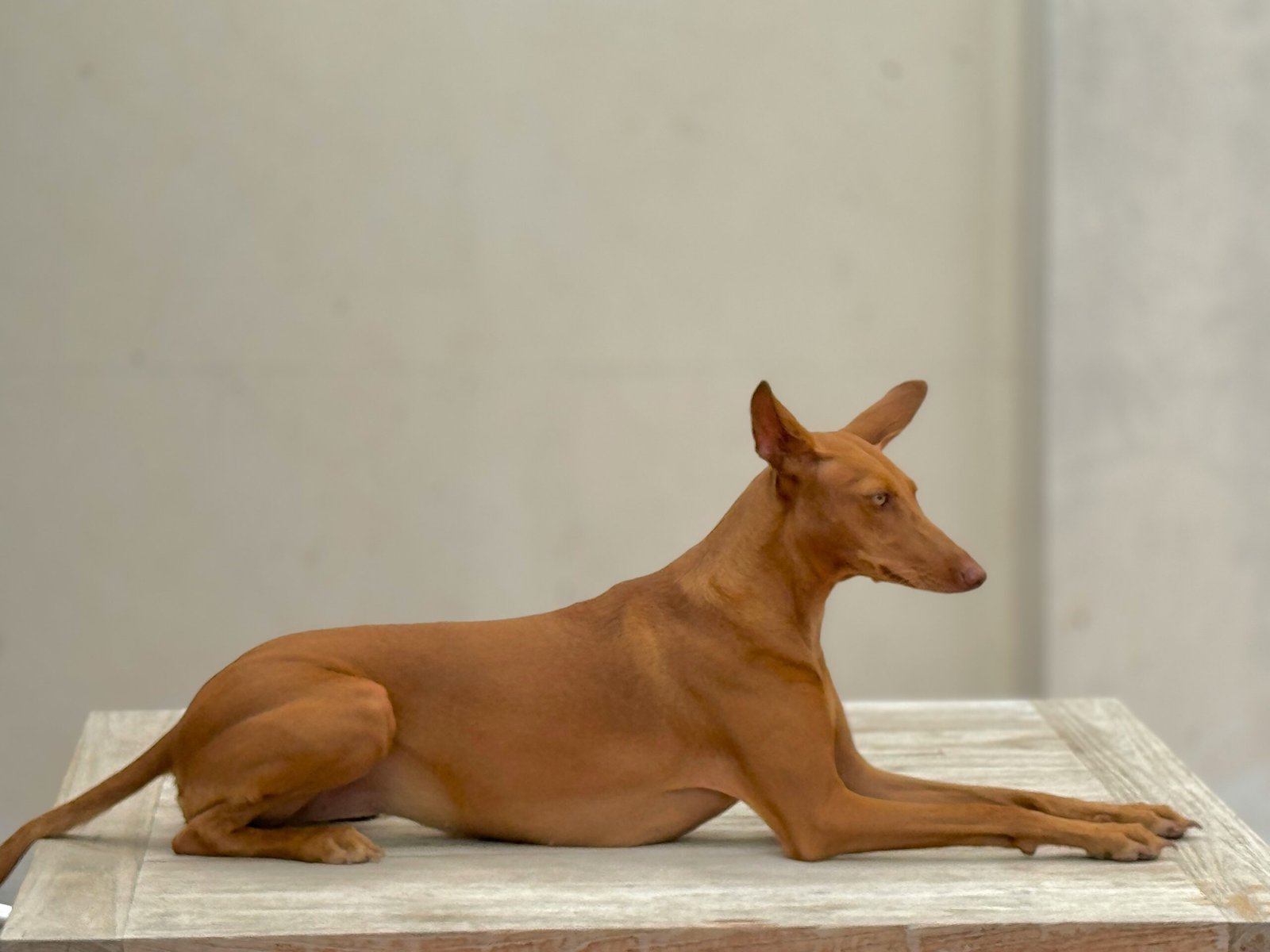
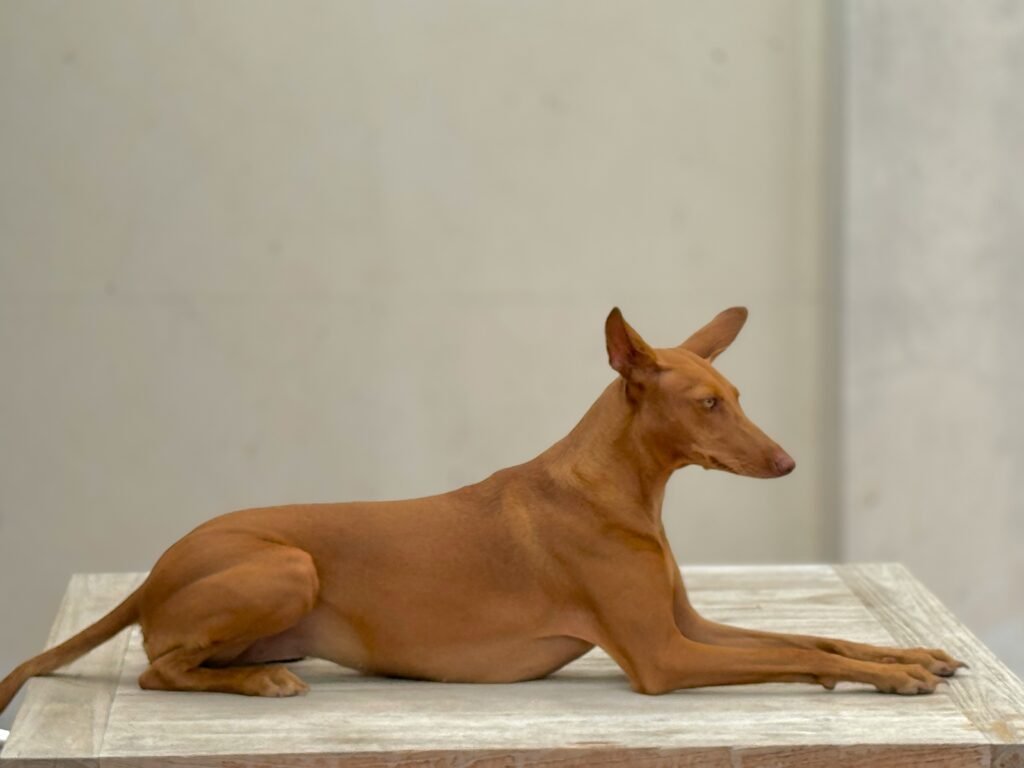

Brown Dog Breeds with Short Hair: A Guide to These Stunning Companions
When it comes to choosing a dog, appearance often plays a role in the decision-making process. Brown dog breeds with short hair are particularly striking, combining sleek coats with warm, earthy tones that make them stand out. Whether you’re drawn to their elegant looks or practical grooming needs, these dogs offer a unique blend of beauty and functionality. From loyal family companions to energetic working dogs, brown short-haired breeds come in a variety of sizes, temperaments, and energy levels to suit different lifestyles.
In this blog post, we’ll explore some of the most popular brown dog breeds with short hair, their characteristics, care requirements, and why they might be the perfect addition to your home. By the end, you’ll have a better understanding of these remarkable breeds and what makes them so special.
Popular Brown Dog Breeds with Short Hair
If you’re considering adding a brown short-haired dog to your family, here are some popular breeds to consider. Each has its own unique charm and qualities that make them beloved by dog lovers worldwide.
Beagle:
Known for their friendly personalities and keen sense of smell, Beagles often sport a rich brown and white coat with a smooth, glossy finish.Dachshund:
These playful “wiener dogs” come in shades of brown with short, sleek fur, making them both adorable and low-maintenance.Vizsla:
With their stunning reddish-brown coats and athletic builds, Vizslas are intelligent, affectionate, and perfect for active families.Boxer:
Boxers are muscular yet gentle, often displaying a shiny fawn or brindle coat that highlights their short, velvety fur.Staffordshire Bull Terrier:
This breed combines a compact frame with a smooth brown coat and is known for its loving, loyal nature.
These breeds showcase the diversity and appeal of brown short-haired dogs, each bringing something unique to the table.
Care Tips for Brown Short-Haired Dogs
Caring for a brown short-haired dog is relatively straightforward, but there are still specific considerations to keep in mind to ensure their health and happiness. Here are some essential care tips:
Grooming Needs:
Their short coats require minimal brushing—just a weekly session to remove loose hair and distribute natural oils.Bathing Routine:
Bathe your dog every 4-6 weeks or as needed to keep their coat clean without over-drying their skin.Sun Protection:
Dogs with lighter brown coats may be prone to sunburn, so use pet-safe sunscreen during outdoor adventures.Diet and Nutrition:
Feed a high-quality diet tailored to their size, age, and activity level to maintain a healthy coat and overall well-being.Exercise Requirements:
Most brown short-haired breeds are energetic, so daily walks, playtime, and mental stimulation are essential.
By following these care tips, you can ensure your brown short-haired dog stays happy, healthy, and looking their best.
Check this guide 👉Medium-Sized Dog Breeds: Best 7 Expert Tips!
Check this guide 👉Mesocephalic Dog Breeds: Best 7 Expert Tips!
Check this guide 👉Therapy Dog Breeds: Best 7 Expert Tips!
Breed Name | Key Characteristics |
|---|---|
Beagle | Friendly, curious, great scent-tracking ability |
Dachshund | Playful, bold, and affectionate |
Vizsla | Energetic, loyal, and highly trainable |
Boxer | Protective, patient, and good with kids |
Staffordshire Bull Terrier | Gentle, courageous, and people-oriented |
Why Choose a Brown Short-Haired Dog?
There are many reasons why brown short-haired dogs are a favorite among pet owners. Here’s why these breeds might be the perfect match for your home:
Low Maintenance Coats:
Their short fur requires less grooming compared to long-haired breeds, saving you time and effort.Versatile Personalities:
Whether you want a laid-back companion or an active partner, brown short-haired breeds cater to various lifestyles.Family-Friendly Nature:
Many of these breeds are known for their patience and love for children, making them ideal family pets.Distinctive Appearance:
The rich brown tones paired with sleek coats give these dogs a unique and eye-catching look.Adaptability:
Most brown short-haired breeds adapt well to different living environments, from apartments to larger homes.
With so many benefits, it’s no wonder these dogs are cherished by families and individuals alike.
Training Tips for Brown Short-Haired Dogs
Training is an essential part of raising a well-behaved and happy dog. Here are some tips to help you train your brown short-haired companion effectively:
Start Early:
Begin training and socialization as puppies to establish good habits and prevent behavioral issues.Use Positive Reinforcement:
Reward desired behaviors with treats, praise, or toys to encourage repetition and build trust.Keep Sessions Short:
Limit training sessions to 10-15 minutes to maintain focus and prevent boredom.Be Consistent:
Use the same commands and routines to avoid confusing your dog during the learning process.Incorporate Play:
Many brown short-haired breeds are energetic, so include games and activities to make training fun.
With patience and consistency, you’ll create a strong bond while teaching your dog valuable skills.
Signs Your Brown Short-Haired Dog Is Happy and Healthy
A happy and healthy dog is every pet owner’s goal, and there are clear signs that indicate your brown short-haired companion is thriving. Here are some positive indicators to look for:
Shiny Coat:
A glossy, smooth coat is a sign of good nutrition and overall health.Playful Energy:
Regular bursts of playfulness and enthusiasm show they’re feeling their best.Healthy Appetite:
Consistent eating habits without excessive weight gain or loss indicate proper nourishment.Bright Eyes:
Clear, bright eyes free of discharge suggest they’re in good physical condition.Relaxed Body Language:
A calm demeanor with relaxed ears and tail wagging reflects emotional well-being.
These signs confirm that your dog is not only physically healthy but also emotionally content in your care.
Common Challenges with Brown Short-Haired Dogs
While these breeds are wonderful companions, they can present certain challenges that require attention. Being aware of these issues will help you address them effectively:
Seasonal Shedding:
Despite their short coats, these dogs may shed more during spring and fall, requiring extra grooming.High Energy Levels:
Breeds like Vizslas or Beagles need ample exercise to prevent boredom and destructive behavior.Separation Anxiety:
Many brown short-haired breeds form strong bonds and may struggle when left alone for long periods.Skin Sensitivity:
Some dogs may develop allergies or skin irritation, especially in humid climates.Training Stubbornness:
Certain breeds, like Dachshunds, can be independent thinkers, making training a bit more challenging.
By anticipating these challenges, you can take proactive steps to ensure a harmonious relationship with your dog.
How to Enhance the Bond with Your Brown Short-Haired Dog
Building a strong bond with your dog goes beyond basic care—it’s about creating meaningful connections. Here are ways to strengthen your relationship:
Spend Quality Time Together:
Engage in activities like walks, playtime, or simply lounging together to deepen your connection.Teach New Tricks:
Training sessions that introduce fun tricks or commands keep their minds sharp and foster teamwork.Provide Mental Stimulation:
Puzzle toys or scent games tap into their natural instincts and keep them entertained.Show Affection Regularly:
Petting, cuddling, and verbal praise reassure them of your love and strengthen trust.Respect Their Individuality:
Understand their unique personality traits and adapt your interactions to suit their preferences.
By investing time and effort into nurturing your bond, you’ll create a lifelong partnership filled with mutual love and respect.
Frequently Asked Questions About Brown Short-Haired Dogs
Are brown short-haired dogs hypoallergenic?
No, but their short coats shed less than long-haired breeds, which may reduce allergens for some people.
Do these breeds require a lot of exercise?
It depends on the breed—some, like Vizslas, need plenty of exercise, while others, like Bulldogs, are more laid-back.
How often should I groom my brown short-haired dog?
Weekly brushing and occasional baths are usually sufficient to keep their coat healthy and shiny.
Are brown short-haired dogs good with kids?
Many breeds, such as Beagles and Boxers, are known for being gentle and patient with children.
What health issues should I watch for in these breeds?
Some breeds may be prone to hip dysplasia, allergies, or heart conditions, so regular vet check-ups are important.
Final Thoughts: Embracing the Joy of Brown Short-Haired Dogs
Brown dog breeds with short hair bring a unique combination of beauty, personality, and practicality to any household. Whether you’re captivated by their sleek coats, energetic spirits, or loving dispositions, these dogs have so much to offer as loyal companions. By understanding their specific needs and characteristics, you can provide the care and attention they deserve while enjoying the countless joys they bring into your life. From playful antics to quiet cuddles, these dogs will fill your days with warmth and happiness. If you’re ready to welcome a furry friend into your home, consider one of these remarkable brown short-haired breeds—they might just become your new best friend!
Is Rawhide Bad for Cats? Best 7 Expert Tips! – Discover the risks, safe alternatives, and expert advice to keep your feline friend healthy and happy.

Is Rawhide Bad for Dogs? Best 7 Expert Tips! – Discover the risks, benefits, and safer alternatives to rawhides for your dog’s chewing needs.

Understanding Anorexia in Cats: Best 7 Expert Tips! – Learn why cats stop eating, spot warning signs, and discover how to help your feline regain appetite safely.

Understanding Anorexia in Dogs: Best 7 Expert Tips! – Learn causes, symptoms, and solutions to help your dog regain appetite and stay healthy.