
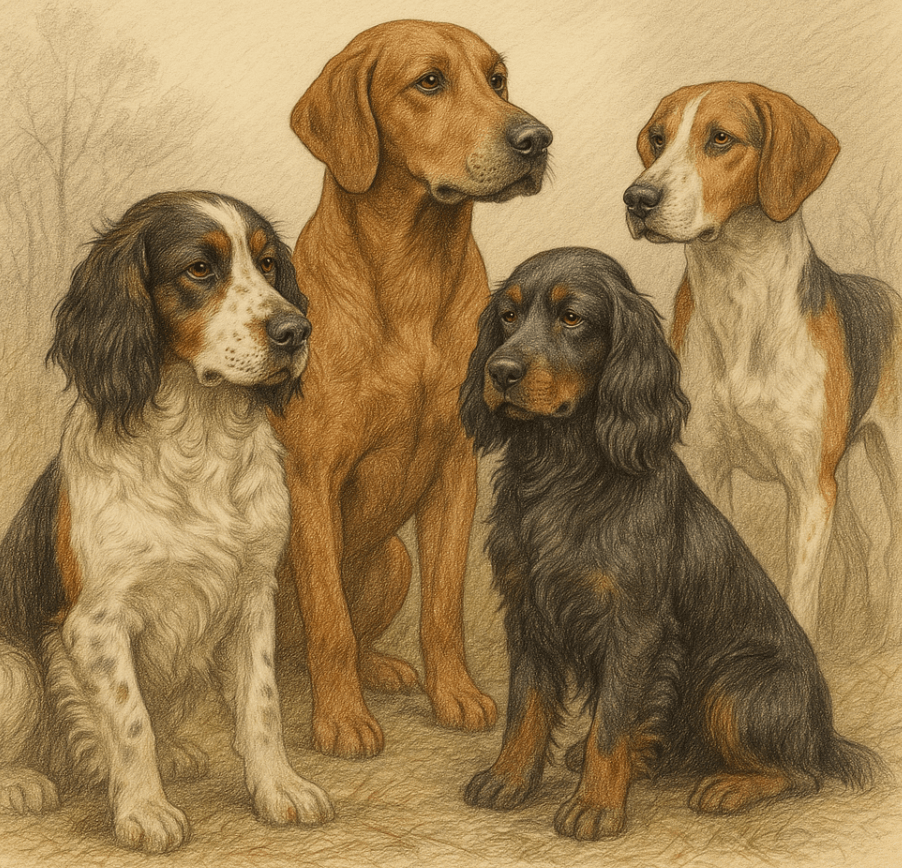

British Hunting Dogs: Best 7 Expert Tips!

British Hunting Dogs: Best 7 Expert Tips!

British Hunting Dogs: A Legacy of Skill and Loyalty


British hunting dogs have long been celebrated for their exceptional abilities, unwavering loyalty, and versatility in the field. From the rolling hills of Scotland to the dense woodlands of England, these breeds have played an integral role in hunting traditions for centuries. With their keen instincts, remarkable stamina, and strong bonds with humans, British hunting dogs are not only skilled working companions but also beloved family pets.

Whether you’re a seasoned hunter or simply an admirer of these magnificent breeds, understanding their history, characteristics, and care requirements is essential. In this blog post, we’ll explore everything you need to know about British hunting dogs, from their origins to tips for raising them successfully.

Popular British Hunting Dog Breeds


The United Kingdom is home to some of the world’s most iconic hunting dog breeds, each with unique traits that make them exceptional in their roles. Here are a few standout examples of British hunting dogs that continue to captivate enthusiasts worldwide.

 
  • English Pointer:
    Known for their elegant stance and incredible scenting ability, English Pointers excel at locating game and “pointing” it out to hunters.

  • Labrador Retriever:
    Originating in Newfoundland but refined in Britain, Labradors are prized for their retrieving skills and friendly, trainable nature.

  • Beagle:
    These small yet mighty hounds are renowned for their sharp sense of smell and determination when tracking small game like rabbits.

  • English Springer Spaniel:
    Agile and energetic, Springer Spaniels are adept at flushing birds from dense underbrush while maintaining close proximity to their handlers.

  • Border Terrier:
    Originally bred for pest control, Border Terriers possess tenacity and agility, making them excellent companions for hunting foxes and other small prey.


These breeds highlight the diversity and adaptability of British hunting dogs, each contributing uniquely to the rich tapestry of hunting traditions.

Key Characteristics of British Hunting Dogs


British hunting dogs share several defining traits that set them apart as exceptional working companions. Understanding these characteristics helps explain why they remain so highly regarded in the hunting community.

 
  • Keen Sense of Smell:
    Many British hunting breeds, such as Beagles and Pointers, possess extraordinary olfactory abilities, enabling them to track scents over long distances.

  • High Energy Levels:
    Designed for endurance and speed, these dogs thrive on physical activity and mental challenges, making them ideal partners for active owners.

  • Trainability and Intelligence:
    British hunting dogs are quick learners, responding well to consistent training methods and forming strong bonds with their handlers.

  • Versatility in Roles:
    Whether retrieving waterfowl, flushing game, or tracking scents, these breeds adapt effortlessly to various hunting tasks.

  • Loyalty and Companionship:
    Beyond their work ethic, British hunting dogs are deeply devoted to their families, often doubling as affectionate household pets.


These shared qualities underscore why British hunting dogs are cherished both in the field and at home.

British Hunting Dogs: Best 7 Expert Tips!
Advantages of British Hunting Dogs
Challenges of Owning Them
Exceptional hunting and tracking skills
High exercise needs can be demanding
Intelligent and easy to train
Prone to boredom without stimulation
Loyal and affectionate companions
May require experienced handling
Versatile for different types of hunting
Can develop separation anxiety
Long history of proven reliability
Some breeds may have health issues

Training Tips for British Hunting Dogs


Training is a critical component of raising a successful British hunting dog. Their intelligence and energy levels mean they respond best to structured, engaging instruction. Follow these tips to bring out the best in your canine companion.

 
  • Start Early:
    Begin training during puppyhood to establish good habits and build a strong foundation for future learning.

  • Use Positive Reinforcement:
    Reward-based techniques, such as treats, praise, and play, motivate these eager-to-please breeds effectively.

  • Focus on Obedience First:
    Basic commands like “sit,” “stay,” and “come” should be mastered before moving on to advanced hunting skills.

  • Incorporate Mental Stimulation:
    Puzzle toys, scent games, and varied training sessions keep their minds sharp and prevent boredom.

  • Practice Real-Life Scenarios:
    Simulate hunting conditions, such as tracking scents or retrieving objects, to prepare them for actual fieldwork.


With patience and consistency, training becomes a rewarding experience that strengthens your bond with your British hunting dog.

Exercise Needs of British Hunting Dogs


As high-energy breeds, British hunting dogs require substantial physical activity to stay happy and healthy. Failing to meet their exercise needs can lead to behavioral problems and restlessness.

 
  • Daily Walks and Runs:
    Aim for at least 1-2 hours of vigorous exercise daily, including brisk walks, runs, or hikes.

  • Off-Leash Playtime:
    Secure, open spaces allow them to run freely and burn off excess energy safely.

  • Interactive Games:
    Activities like fetch, tug-of-war, and frisbee provide both physical exertion and bonding opportunities.

  • Mental Challenges:
    Combine physical activity with problem-solving tasks, such as hide-and-seek or obedience drills.

  • Supervision During Outdoor Time:
    Always monitor them closely to prevent wandering or chasing after wildlife.


Meeting their exercise requirements ensures a calm, content, and well-adjusted companion at home.

Choosing the Right British Hunting Dog for You


Selecting the perfect British hunting dog depends on your lifestyle, preferences, and experience level. Consider these factors to find the ideal match for your home.

 
  • Space Availability:
    Larger breeds like English Pointers need more room to roam compared to smaller breeds like Beagles.

  • Energy Levels:
    Assess how much time and energy you can dedicate to exercising and engaging your dog daily.

  • Hunting Goals:
    Different breeds excel in specific roles, such as retrieving, flushing, or tracking—choose based on your objectives.

  • Temperament Preferences:
    Some breeds are more independent, while others crave constant companionship; select one that aligns with your personality.

  • Health Considerations:
    Research breed-specific health risks to ensure you’re prepared for any potential challenges.


Taking these factors into account ensures a harmonious relationship between you and your new furry friend.

Health Care Essentials for British Hunting Dogs


Maintaining your British hunting dog’s health is crucial for their longevity and performance. Proactive care helps prevent common issues associated with active breeds.

 
  • Regular Vet Visits:
    Schedule annual check-ups to monitor overall health and catch potential problems early.

  • Balanced Diet:
    Provide high-quality food tailored to their age, size, and activity level to support muscle development and energy needs.

  • Dental Hygiene:
    Brush their teeth regularly and schedule professional cleanings to prevent gum disease and tooth decay.

  • Joint Health Support:
    Supplements like glucosamine and chondroitin can help protect against joint issues common in athletic breeds.

  • Ear and Coat Maintenance:
    Clean ears weekly and groom their coat as needed to prevent infections and matting.


Prioritizing their health ensures they remain active and happy throughout their lives.

Fun Activities to Enjoy with Your British Hunting Dog


Living with a British hunting dog means embracing an active lifestyle. These fun activities will strengthen your bond while keeping them mentally and physically stimulated.

 
  • Hiking Adventures:
    Explore scenic trails together, allowing them to sniff, run, and enjoy the great outdoors.

  • Agility Training:
    Set up obstacle courses in your backyard or join local classes to challenge their athleticism and focus.

  • Scent Work Games:
    Hide treats or toys around the house or yard to engage their natural tracking instincts.

  • Swimming Sessions:
    Many British hunting dogs love water; swimming provides excellent low-impact exercise.

  • Interactive Toys:
    Puzzle feeders, treat-dispensing balls, and chew toys keep them entertained when you’re busy.


Engaging in these activities ensures a fulfilling life for your energetic and devoted companion.

Frequently Asked Questions About British Hunting Dogs

 
Are British hunting dogs suitable for apartment living?

While possible, they are better suited for homes with yards due to their high energy levels and need for space.

Yes, many British hunting dogs are affectionate and loyal, making them excellent additions to active families.

Proper socialization is key to fostering positive relationships with other animals.

Grooming needs vary by breed; some require regular brushing, while others are low-maintenance.

Common concerns include hip dysplasia, ear infections, and obesity; regular vet check-ups are essential.

Celebrating the Legacy of British Hunting Dogs


British hunting dogs embody a perfect blend of skill, loyalty, and versatility, making them invaluable companions both in the field and at home. Their rich history and enduring popularity speak volumes about their capabilities and charm. By understanding their needs and investing time in their care and training, you’ll be rewarded with a lifelong partnership filled with adventure and devotion. Whether you’re a seasoned hunter or simply someone who appreciates the beauty of these remarkable breeds, British hunting dogs offer something truly special for everyone.

 
Understanding Cryptosporidium in Cats: Best 7 Expert Tips!

Understanding Cryptosporidium in Cats: Best 7 Expert Tips! – Spot symptoms, treat safely, and stop parasite spread in your home.

Understanding Cryptosporidium in Dogs: Best 7 Expert Tips!

Understanding Cryptosporidium in Dogs: Best 7 Expert Tips! – Learn symptoms, treatment & prevention for this stubborn gut parasite.

Understanding Syringomyelia in Cats: Best 7 Expert Tips!

Understanding Syringomyelia in Cats: Best 7 Expert Tips! – Recognize signs, manage pain, and support your cat’s neurological health with vet-backed guidance.

Understanding Syringomyelia in Dogs: Best 7 Expert Tips!

Understanding Syringomyelia in Dogs: Best 7 Expert Tips! – Expert insights on symptoms, MRI diagnosis, pain management & quality of life.

Leave a Reply

Your email address will not be published. Required fields are marked *


