
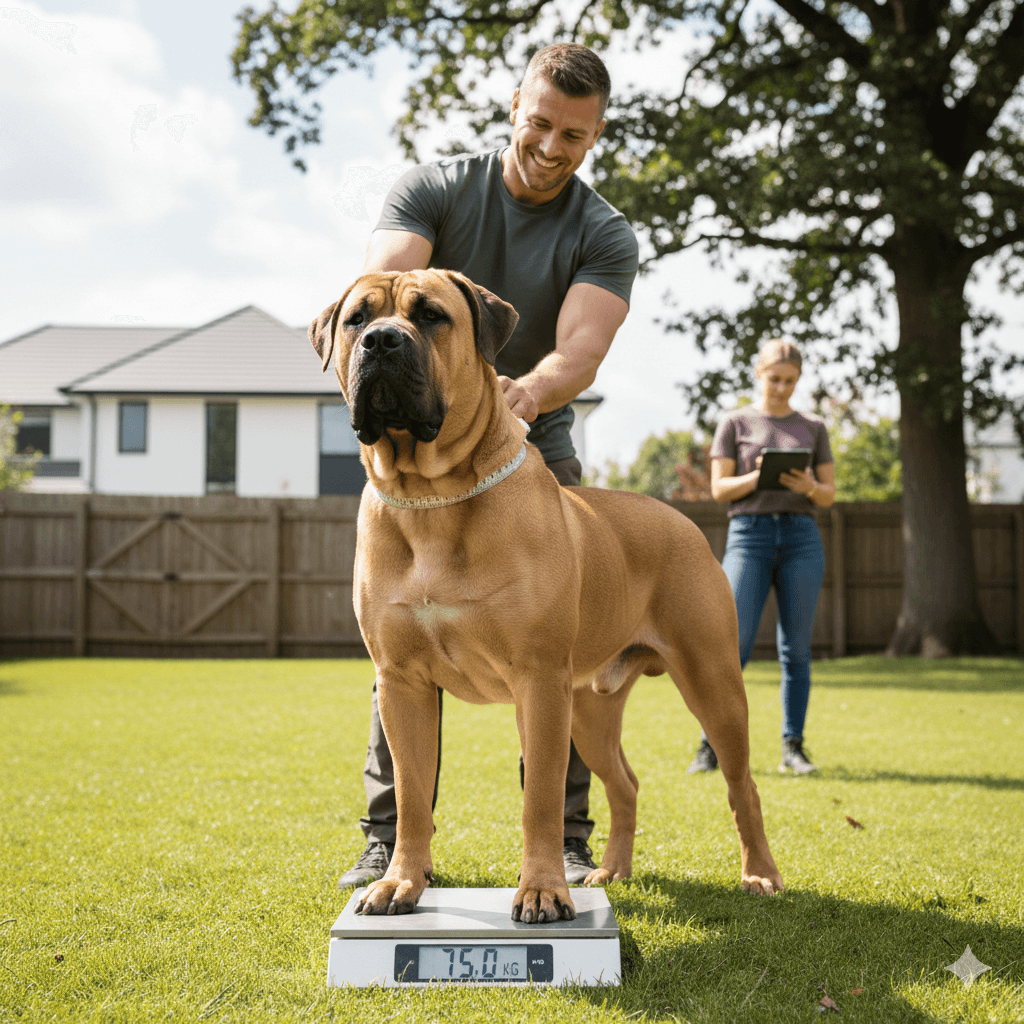

Boerboel Dog Weight: Best 7 Expert Tips!

Boerboel Dog Weight: Best 7 Expert Tips!

Understanding Boerboel Dog Weight: Best 7 Expert Tips!


Keeping your Boerboel at a healthy weight isn’t just about aesthetics—it’s vital for joint health, longevity, and overall vitality. This powerful South African mastiff thrives with proper nutrition and activity, but its large frame requires careful monitoring. Sudden weight changes can signal underlying issues, while consistent balance supports a calm, confident companion. Below, discover essential insights to ensure your Boerboel maintains ideal body condition through every life stage.

Origins and Growth Patterns of the Boerboel


Boerboels are large, muscular guardians bred for strength and resilience. Understanding their natural development helps distinguish normal growth from concerning weight shifts. From puppyhood to maturity, their size evolves rapidly—but predictably—with key milestones:

 
  • Rapid Puppy Growth Phase:
    Boerboel puppies gain weight quickly in the first 6 months, often reaching 50–60% of adult size by 24 weeks.
     
  • Extended Maturation Timeline:
    Unlike smaller breeds, Boerboels continue filling out until 24–36 months, especially in chest and muscle mass.
     
  • Sex-Based Size Differences:
    Males typically weigh 150–200 lbs (68–91 kg), while females range from 110–175 lbs (50–79 kg) when fully mature.
     
  • Genetic Influence on Frame:
    Parental size strongly predicts adult weight—working-line Boerboels may be leaner than show-line counterparts.
     
  • Growth Plate Vulnerability:
    Overfeeding during growth can overload developing joints, leading to hip dysplasia or osteochondrosis.
 

Monitoring weight relative to age, sex, and lineage ensures your Boerboel grows strong—not overweight.

Boerboel Dog Weight: Best 7 Expert Tips!

Ideal Weight Ranges by Life Stage


A healthy Boerboel weight isn’t a single number but a range that shifts with age. Use these benchmarks alongside body condition scoring for accuracy:

 
  • 8–12 Weeks:
    15–30 lbs (7–14 kg) – focus on steady, not rapid, gain.
     
  • 4–6 Months:
    50–80 lbs (23–36 kg) – activity levels rise; adjust calories to avoid soft body condition.
     
  • 7–12 Months:
    80–130 lbs (36–59 kg) – muscle should dominate over fat; ribs slightly palpable.
     
  • 13–24 Months:
    110–180 lbs (50–82 kg) – growth slows; transition to adult feeding schedule.
     
  • Adult (2+ Years):
    Males: 150–200 lbs (68–91 kg); Females: 110–175 lbs (50–79 kg) – maintain lean muscle tone.
 

Weight alone doesn’t tell the full story—always assess body shape and energy levels too.

Healthy Weight Indicators
Warning Signs of Imbalance
Visible waist when viewed from above
Barrel-shaped torso with no waist definition
Ribs easily felt but not seen
Ribs invisible even under firm pressure
Steady energy for age and breed
Lethargy or reluctance to walk/climb stairs
Smooth coat and bright eyes
Dull fur, excessive shedding, or skin folds
Confident movement without limping
Labored breathing or waddling gait

Nutritional Guidelines for Optimal Weight


Feeding a Boerboel isn’t about volume—it’s about precision. High-quality fuel supports massive muscle without excess fat:

 
  • Choose High-Protein, Moderate-Fat Formulas:
    Look for 26–30% protein from named meat sources and 12–16% fat to sustain lean mass.
     
  • Avoid Over-Supplementation:
    Extra calcium or joint powders can disrupt growth balance in puppies—consult your vet first.
     
  • Portion Control is Non-Negotiable:
    Free-feeding leads to rapid weight gain; measure meals based on current weight and activity.
     
  • Limit Treats to 5% of Daily Calories:
    Use kibble or lean meat pieces instead of high-calorie commercial treats.
     
  • Adjust for Neutering/Spaying:
    Metabolism drops post-surgery; reduce calories by 15–20% to prevent creeping obesity.
 

Consistent, breed-appropriate nutrition is the foundation of lifelong weight management.

Exercise Needs Relative to Weight and Age


Boerboels need movement—but the wrong type or amount can harm an overweight or growing dog:

 
  • Puppies (Under 12 Months):
    Short, frequent walks (10–15 mins, 2–3x/day) and off-leash play; avoid stairs, jumping, or forced running.
     
  • Adolescents (1–2 Years):
    Gradually increase to 45–60 mins of daily walking, plus mental challenges like obedience or scent games.
     
  • Adults (2+ Years):
    60–90 mins of structured activity—walking, swimming, or controlled play—but avoid extreme heat.
     
  • Overweight Adults:
    Start with 20-min leash walks twice daily; increase slowly as weight drops to protect joints.
     
  • Seniors (7+ Years):
    Gentle movement remains essential; 30 mins of low-impact activity helps maintain mobility and muscle.
 

Never push a heavy Boerboel into intense exercise—build fitness alongside weight loss.

Health Risks Linked to Improper Weight


Carrying extra pounds shortens a Boerboel’s lifespan and worsens breed-specific vulnerabilities:

 
  • Joint and Bone Stress:
    Excess weight accelerates hip/elbow dysplasia and cruciate ligament tears in this large-frame breed.
     
  • Cardiac Strain:
    The heart works harder, increasing risk of hypertension and reduced exercise tolerance.
     
  • Metabolic Disorders:
    Obesity raises chances of insulin resistance, pancreatitis, and liver dysfunction.
     
  • Respiratory Challenges:
    Extra neck and chest fat can worsen breathing—especially dangerous in hot climates.
     
  • Reduced Immune Function:
    Adipose tissue releases inflammatory markers that impair healing and disease resistance.
 

Maintaining ideal weight isn’t vanity—it’s preventive medicine.

How to Monitor and Adjust Long-Term


Weight management is ongoing. Use these practical tools to stay on track through adulthood:

 
  • Monthly Weigh-Ins:
    Record weight at home or at the vet; sudden changes (±5 lbs in a month) warrant investigation.
     
  • Body Condition Scoring (BCS):
    Use the 1–9 scale: ideal Boerboels score 4–5 (ribs palpable, waist visible, abdominal tuck present).
     
  • Photo Journaling:
    Take monthly side/top photos to visually track body shape changes you might miss daily.
     
  • Veterinary Wellness Checks:
    Include weight discussions at every visit—especially before adjusting food or exercise.
     
  • Seasonal Adjustments:
    Reduce calories slightly in winter (less activity) and increase hydration in summer to support metabolism.
 

Consistency and observation turn weight control into a seamless part of care.

Special Considerations for Working or Show-Line Boerboels


Not all Boerboels have identical needs—breeding purpose influences ideal weight and conditioning:

 
  • Working-Line Dogs:
    Often leaner and more athletic; may need extra calories during protection or farm duties.
     
  • Show-Line Dogs:
    Typically heavier-boned; judges favor substance, but excess fat still disqualifies condition.
     
  • Bitches in Heat or Pregnancy:
    Require careful caloric increases—never “feed for two” blindly; follow vet-guided protocols.
     
  • Post-Illness Recovery:
    Appetite may surge during healing; resist overfeeding to avoid rebound obesity.
     
  • Climate Adaptation:
    Boerboels in colder regions may carry slightly more fat for insulation—but never at the cost of mobility.
 

Tailor your approach to your dog’s specific lineage and lifestyle.

“Boerboels are a giant breed with males standing 24-27 inches and females 22-25 inches at the shoulder, and both sexes typically weigh between 150 to 200 pounds when fully grown and healthy.” American Kennel Club

Frequently Asked Questions About Boerboel Dog Weight

How can I tell if my Boerboel is overweight?

Run your hands along their ribcage—ribs should be easily felt with light pressure but not visible. From above, you should see a noticeable waist behind the ribs.

Yes—males typically weigh 150–200 lbs, while females range from 110–175 lbs. Both should maintain lean muscle and no sagging belly.

Absolutely. An underweight Boerboel may have visible ribs, spine, or hip bones, poor coat quality, and low energy—often signaling illness or inadequate diet.

Only under veterinary guidance. Often, switching to a higher-calorie, nutrient-dense food is safer than unregulated supplements.

Aim for 1–2% of total body weight per week. Faster loss risks muscle wasting and metabolic stress in giant breeds.

Nurturing Strength, Balance, and Longevity in Your Boerboel


Your Boerboel’s weight is far more than a number on a scale—it’s a reflection of their health, comfort, and future. This noble guardian deserves to move with power, not strain, and live with confidence well into their senior years. By honoring their natural build with precise nutrition, thoughtful exercise, and vigilant monitoring, you give them the gift of resilience. Remember, a lean, fit Boerboel isn’t just impressive to look at—they’re happier, safer, and more present in your life. Let every meal, walk, and check-in be an act of love that carries them through a lifetime of loyalty and strength.

Is Rawhide Bad for Cats? Best 7 Expert Tips!

Is Rawhide Bad for Cats? Best 7 Expert Tips! – Discover the risks, safe alternatives, and expert advice to keep your feline friend healthy and happy.

Is Rawhide Bad for Dogs? Best 7 Expert Tips!

Is Rawhide Bad for Dogs? Best 7 Expert Tips! – Discover the risks, benefits, and safer alternatives to rawhides for your dog’s chewing needs.

Understanding Anorexia in Cats: Best 7 Expert Tips!

Understanding Anorexia in Cats: Best 7 Expert Tips! – Learn why cats stop eating, spot warning signs, and discover how to help your feline regain appetite safely.

Understanding Anorexia in Dogs: Best 7 Expert Tips!

Understanding Anorexia in Dogs: Best 7 Expert Tips! – Learn causes, symptoms, and solutions to help your dog regain appetite and stay healthy.

Leave a Reply

Your email address will not be published. Required fields are marked *