
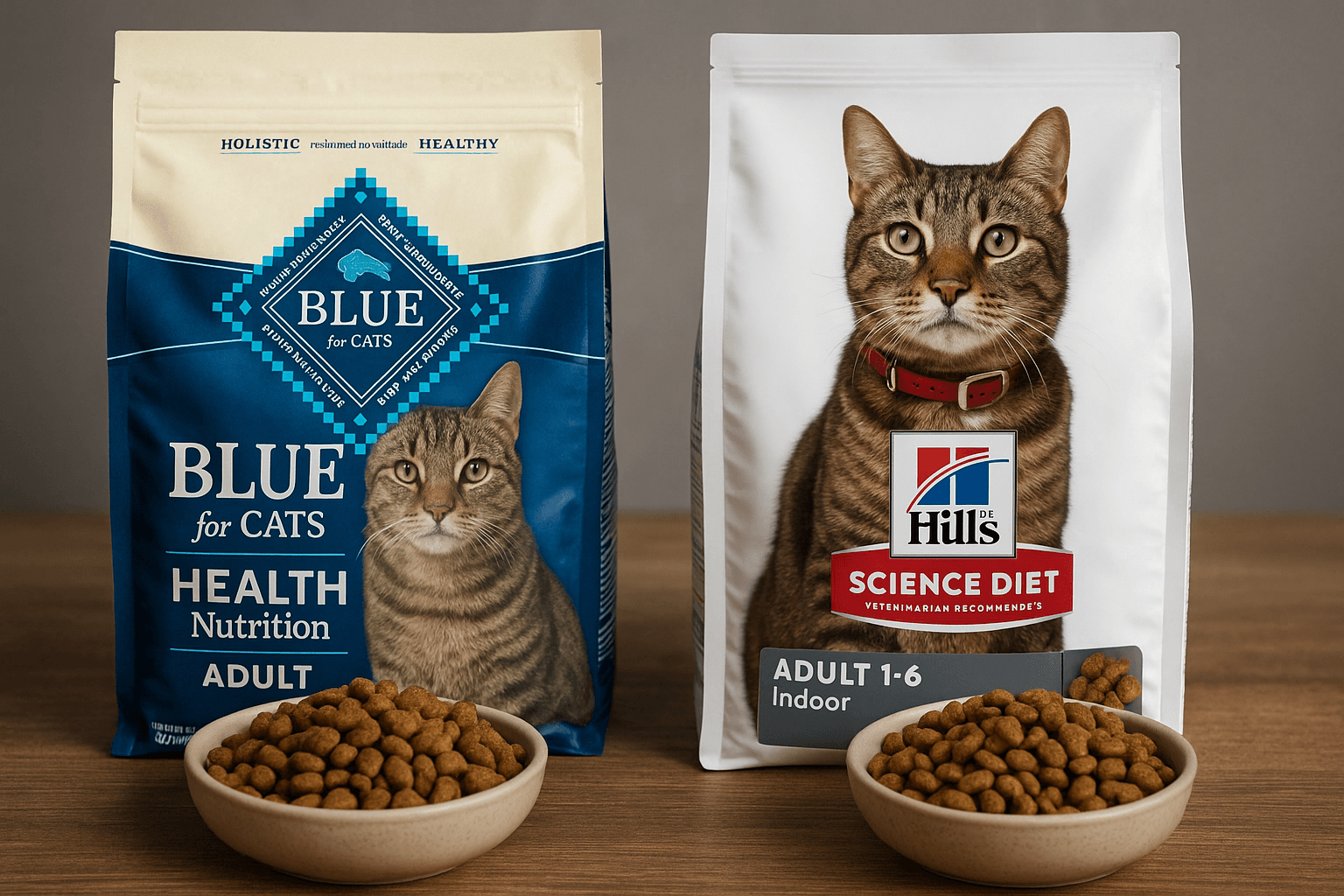

Blue Buffalo vs Science Diet Cat Food: Best 7 Expert Tips!

Blue Buffalo vs Science Diet Cat Food: Best 7 Expert Tips!

Blue Buffalo vs Science Diet Cat Food: Which Is Right for Your Feline?

Choosing between Blue Buffalo and Science Diet cat food can feel overwhelming. Both brands dominate pet store shelves and promise optimal feline health—but they take very different approaches. Understanding their ingredients, philosophy, and scientific backing helps you decide what truly nourishes your cat.

Brand Origins and Philosophies

Blue Buffalo and Science Diet were born from distinct visions for pet nutrition—one rooted in natural advocacy, the other in veterinary science.

 
  • Blue Buffalo:
    Founded by pet parents after their dog battled cancer, Blue Buffalo champions “natural” recipes with real meat as the first ingredient and no artificial preservatives, corn, wheat, or soy.

  • Science Diet:
    Developed by veterinarians and backed by Hill’s Pet Nutrition, Science Diet emphasizes clinical research, controlled ingredient profiles, and therapeutic diets for specific medical conditions.

  • Target Audience:
    Blue appeals to owners seeking holistic, whole-food nutrition; Science Diet attracts those prioritizing veterinary-recommended, condition-specific support.

  • Transparency Approach:
    Blue heavily markets ingredient transparency and natural sourcing; Science Diet focuses on peer-reviewed studies and AAFCO-compliant formulations.

  • Recall History:
    Both brands have faced recalls—Blue in 2010s over mold and labeling issues; Science Diet in 2019 over elevated vitamin D—but both maintain strong safety protocols today.


While Blue speaks to the heart of natural-living advocates, Science Diet speaks to the logic of clinical care. Your choice often reflects your values as much as your cat’s needs.

Blue Buffalo vs Science Diet Cat Food: Best 7 Expert Tips!

Ingredient Comparison and Nutritional Profiles

When you flip the bag, the real differences begin. Protein sources, fillers, and micronutrient balance reveal each brand’s nutritional priorities.

 
  • Primary Protein Sources:
    Blue Buffalo typically lists deboned chicken, salmon, or turkey first; Science Diet often uses chicken by-product meal—a concentrated protein approved by AAFCO and highly digestible.

  • Grain Inclusion:
    Blue offers grain-free and grain-inclusive lines; Science Diet generally includes grains like whole grain wheat or corn, citing their nutritional benefits and digestibility.

  • Artificial Additives:
    Blue bans artificial preservatives (using mixed tocopherols instead); Science Diet uses approved synthetic preservatives like mixed tocopherols and citric acid for shelf stability.

  • Carbohydrate Content:
    Blue’s grain-free formulas tend to be lower in carbs; Science Diet’s adult maintenance formulas average 30–40% carbs, optimized for energy and kidney health in most cats.

  • Specialized Nutrients:
    Science Diet includes proprietary blends like S+OX Shield for urinary health; Blue features “LifeSource Bits”—antioxidant-rich kibble pieces with vitamins and minerals.


Neither is inherently “better”—but their philosophies dictate their formulas. Blue leans toward human-grade perception; Science Diet leans toward veterinary precision.

Blue Buffalo Strengths Science Diet Strengths
Real meat as first ingredient Veterinary-formulated for specific health needs
No corn, wheat, soy, or artificial preservatives Backed by decades of clinical research
Antioxidant-rich LifeSource Bits Proprietary blends (e.g., S+OX, Omega-6) for targeted support
Appeals to natural and holistic pet owners Widely recommended by veterinarians
Grain-free options available Consistent quality control and digestibility testing

Wet Food Offerings and Hydration Support

Wet food plays a critical role in feline hydration—especially for cats with urinary or kidney concerns. Both brands offer canned options, but with notable differences.

 
  • Blue Buffalo Wet Food:
    Features high-moisture recipes with shredded or pâté textures, real meat chunks, and limited carbs. Often includes broth for palatability and added hydration.

  • Science Diet Wet Food:
    Formulated with precise nutrient ratios; many varieties are prescription-only (e.g., for kidney disease or food sensitivities), but over-the-counter adult maintenance options exist.

  • Protein Variety:
    Blue offers duck, rabbit, and trout; Science Diet focuses on chicken, turkey, and ocean fish—prioritizing digestibility over novelty.

  • Additives and Gelling Agents:
    Blue uses carrageenan in some wet foods (a point of controversy among natural advocates); Science Diet uses modified rice starch or wheat gluten for texture.

  • Cost and Accessibility:
    Blue wet food is widely sold in pet retailers; Science Diet wet food—especially therapeutic lines—is often available only through vets or authorized sellers.


For cats needing high moisture intake, both brands deliver—but Science Diet leads in medical customization, while Blue leads in ingredient transparency.

Price, Availability, and Value

Budget and convenience matter, especially for multi-cat households or long-term feeding plans.

 
  • Cost Per Ounce (Dry Food):
    Blue Buffalo averages $0.35–$0.50/oz; Science Diet averages $0.30–$0.45/oz—comparable, though Science Diet’s vet lines cost more.

  • Retail Presence:
    Blue is sold at Petco, Chewy, and grocery stores; Science Diet is available at vet clinics, PetSmart, and online—sometimes requiring vet authorization.

  • Subscription Options:
    Both offer auto-ship discounts on Chewy and their websites, helping reduce long-term costs.

  • Bulk Buying:
    Science Diet offers larger bag sizes (up to 15.5 lbs); Blue caps at 11 lbs for most formulas, affecting cost-per-pound efficiency.

  • Prescription Needs:
    If your cat has a health condition, Science Diet’s Rx lines may be covered partially by pet insurance—adding hidden value.


While neither is “cheap,” Science Diet often provides better value for cats with diagnosed health issues, whereas Blue offers premium perception for wellness-focused owners.


Veterinary Recommendations and Scientific Backing

One of the starkest contrasts lies in professional endorsement and research depth.

 
  • Science Diet:
    Developed in collaboration with veterinary nutritionists; funds ongoing research at the Hill’s Pet Nutrition Center; formulas tested in controlled feeding trials.

  • Blue Buffalo:
    Not typically used in clinical settings; focuses on consumer marketing and ingredient storytelling rather than published studies.

  • AAFCO Compliance:
    Both meet AAFCO standards for complete and balanced nutrition—but Science Diet often exceeds minimums with precision nutrient targeting.

  • Use in Hospitals:
    Science Diet is the #1 recommended brand by U.S. veterinarians; Blue is rarely used in clinics due to variability in formulations.

  • Long-Term Health Data:
    Science Diet has decades of longitudinal data supporting kidney, urinary, and dental health outcomes; Blue lacks comparable peer-reviewed evidence.


If your cat is healthy, Blue may suffice—but if managing illness, Science Diet’s scientific rigor becomes invaluable.


Special Dietary Needs and Therapeutic Options

Not all cats eat the same—and this is where Science Diet’s edge sharpens.

 
  • Kidney Support:
    Science Diet’s k/d line is clinically proven to extend life in cats with chronic kidney disease; Blue offers no equivalent therapeutic formula.

  • Food Allergies:
    Science Diet d/d and z/d use hydrolyzed or novel proteins under veterinary supervision; Blue’s “Limited Ingredient” line isn’t hypoallergenic by clinical standards.

  • Weight Management:
    Both offer weight control formulas, but Science Diet’s Metabolic + Weight Management includes appetite-regulating nutrients backed by research.

  • Urinary Health:
    Science Diet’s c/d Multicare adjusts urine pH and mineral balance to prevent crystals; Blue uses cranberry and DL-methionine but lacks controlled pH modulation.

  • Senior and Kitten Formulas:
    Both provide life-stage diets, but Science Diet includes age-specific antioxidants and joint support validated in geriatric studies.


For medical or complex cases, Science Diet isn’t just preferred—it’s often medically necessary.

Environmental and Ethical Considerations

Modern pet owners increasingly care about sustainability and sourcing ethics.

 
  • Ingredient Sourcing:
    Blue emphasizes “natural” and “wild-caught” claims, though specifics are limited; Science Diet publishes supplier standards and sustainability goals.

  • Manufacturing Transparency:
    Science Diet operates its own U.S. facilities with strict quality control; Blue uses third-party co-manufacturers (though all U.S.-based).

  • Recall Response:
    Both have improved traceability systems post-recalls, but Science Diet’s in-house production allows faster batch tracking.

  • Packaging:
    Neither uses fully recyclable packaging yet, though both are exploring eco-friendly alternatives.

  • Animal Testing:
    Science Diet conducts feeding trials (ethically approved); Blue avoids “invasive” testing but doesn’t publish detailed policies.


Ethical choices here depend on whether you prioritize natural marketing or scientific accountability.

Frequently Asked Questions

Is Blue Buffalo good for cats?

Yes—for healthy cats without medical conditions. It provides high-quality ingredients and avoids common fillers, but lacks therapeutic precision.

Yes. Over 70% of U.S. veterinarians recommend Science Diet for its research-backed formulations and clinical efficacy.

You can, but it’s not ideal for cats with sensitivities. Stick to one brand unless transitioning or advised by a vet.

Not necessarily. Most cats digest grains well. Grain-free diets may increase taurine deficiency risk if poorly formulated.

Science Diet’s c/d Multicare is clinically proven to reduce struvite and calcium oxalate crystals—Blue offers supportive but non-therapeutic formulas.

Final Verdict: Choose Based on Your Cat’s Needs

Blue Buffalo and Science Diet aren’t rivals—they serve different purposes. Blue excels in natural, transparent ingredients for healthy cats. Science Diet leads in science, precision, and medical support. The best choice isn’t about brand loyalty—it’s about your cat’s age, health, and lifestyle. Talk to your vet, read labels, and observe your cat’s response. After all, the right food isn’t the one with the prettiest bag—it’s the one that keeps your cat thriving, purring, and jumping onto your lap for years to come.

Is Rawhide Bad for Cats? Best 7 Expert Tips!

Is Rawhide Bad for Cats? Best 7 Expert Tips! – Discover the risks, safe alternatives, and expert advice to keep your feline friend healthy and happy.

Is Rawhide Bad for Dogs? Best 7 Expert Tips!

Is Rawhide Bad for Dogs? Best 7 Expert Tips! – Discover the risks, benefits, and safer alternatives to rawhides for your dog’s chewing needs.

Understanding Anorexia in Cats: Best 7 Expert Tips!

Understanding Anorexia in Cats: Best 7 Expert Tips! – Learn why cats stop eating, spot warning signs, and discover how to help your feline regain appetite safely.

Understanding Anorexia in Dogs: Best 7 Expert Tips!

Understanding Anorexia in Dogs: Best 7 Expert Tips! – Learn causes, symptoms, and solutions to help your dog regain appetite and stay healthy.

Leave a Reply

Your email address will not be published. Required fields are marked *