
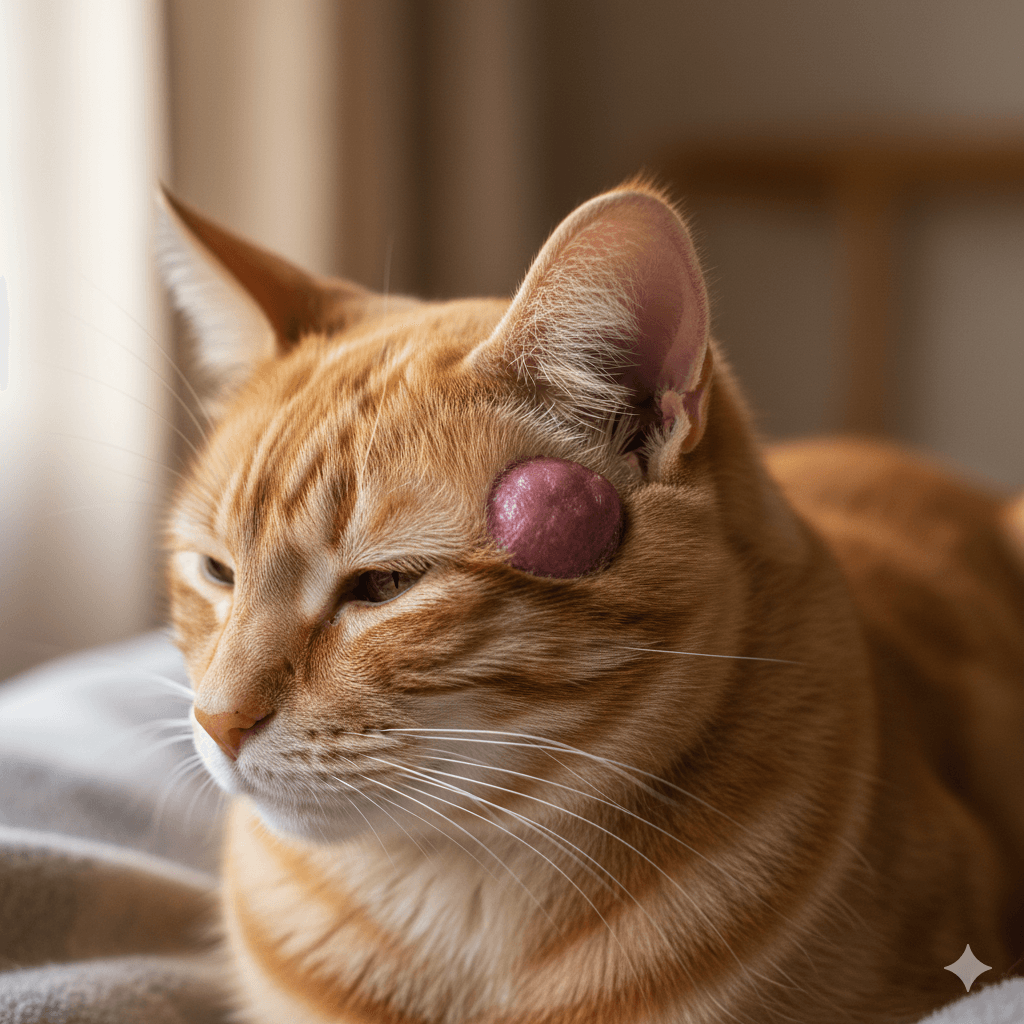

Understanding Blood-Filled Bumps on Cats: Best 7 Expert Tips!
If you’ve noticed a blood-filled bump on your cat—whether on the skin, ear, or paw—it’s natural to feel alarmed. These lumps, often called hematomas or vascular lesions, can range from harmless to potentially serious. While some resolve on their own, others signal injury, infection, or underlying disease. Recognizing the type, location, and accompanying symptoms helps you decide when to monitor at home and when to seek veterinary care. With timely attention and expert guidance, most blood-filled bumps can be managed effectively—keeping your feline friend safe, comfortable, and healthy.
Common Types of Blood-Filled Bumps in Cats
Not all red or swollen lumps are the same. Veterinarians distinguish between several conditions that present as blood-filled bumps, each with distinct causes and implications. Accurate identification is the first step toward proper care:
- Aural Hematoma:
A fluid-filled swelling on the ear flap caused by broken blood vessels, often from vigorous head shaking due to ear mites or infection. - Hemangioma or Hemangiosarcoma:
Benign or malignant tumors made of blood vessel cells; hemangiosarcomas are aggressive and require urgent treatment. - Traumatic Bruising or Blood Blister:
Resulting from bites, scratches, or blunt trauma, these may appear as soft, bluish lumps under the skin. - Abscess with Blood-Tinged Pus:
Infected wounds (common after cat fights) can fill with pus mixed with blood, feeling warm and painful to the touch. - Cutaneous Cysts or Pilar Cysts with Hemorrhage:
Normally benign cysts that bleed internally after injury, causing sudden swelling and discoloration.
Most blood-filled bumps are treatable, but only a vet can confirm whether the lesion is benign, infected, or cancerous—so never assume it’s “just a bruise.”
When to Seek Immediate Veterinary Attention
While small bruises may heal on their own, certain signs indicate a medical emergency. Early intervention can prevent complications like tissue death, sepsis, or metastatic cancer. Watch closely for these red flags:
- Rapid Growth or Change in Color:
A bump that doubles in size within hours or turns deep purple/black may be a malignant tumor or expanding hematoma. - Pain, Heat, or Drainage:
If your cat flinches when touched, has a fever, or the bump oozes foul-smelling fluid, infection is likely present. - Location Near Eyes, Mouth, or Genitals:
Bumps in sensitive areas can impair function or indicate systemic illness requiring diagnostics. - Lethargy or Loss of Appetite:
Systemic symptoms suggest the bump is part of a larger health issue, not an isolated skin problem. - History of Bleeding Disorders or Medication Use:
Cats on anticoagulants or with known clotting issues (e.g., from liver disease) need urgent evaluation for any bleeding lesion.
When in doubt, always err on the side of caution—early diagnosis dramatically improves outcomes.
Check this guide 👉Why Does My Cat Have a Bump on Her Lip? Best 7 Tips!
Check this guide 👉Whats That Bump on My Cats Nose? Best 7 Health Tips!
Check this guide 👉Understanding Tick Paralysis in Cats: Best 7 Expert Tips!
Benign-Looking Signs | Warning Signs Requiring a Vet |
|---|---|
Small, soft bump that doesn’t grow | Lump growing steadily over days |
No pain or behavioral change | Cat licking, biting, or avoiding touch |
Appears after known minor injury | No known trauma—sudden appearance |
Fades within 3–5 days | Persists longer than a week |
Flat, bluish bruise-like area | Firm, irregular, or ulcerated surface |
Potential Causes Behind Blood-Filled Lumps
Understanding why these bumps form helps you prevent recurrence and recognize risk factors. While trauma is common, underlying health issues can also manifest through vascular skin lesions:
- Ear Infections or Mites:
Persistent itching leads to head shaking, rupturing ear blood vessels and causing aural hematomas. - Feline Fight Wounds:
Bite punctures seal quickly but trap bacteria and blood beneath the skin, forming abscesses. - Sun Damage (Solar Dermatitis):
White or light-colored cats exposed to UV rays may develop pre-cancerous or cancerous blood-rich lesions on ears or nose. - Vascular Tumors:
Hemangiomas (benign) or hemangiosarcomas (malignant) arise from abnormal blood vessel growth, often on thin-skinned areas. - Clotting Disorders or Medication Side Effects:
Conditions like rodenticide poisoning or liver disease impair clotting, leading to spontaneous bruising or hematomas.
Identifying the root cause—not just treating the bump—is essential for your cat’s long-term health.
At-Home Monitoring and Supportive Care
If your vet approves home observation for a minor hematoma or bruise, gentle care can aid healing. Never attempt to drain or lance the bump yourself—this risks severe infection:
- Restrict Activity Temporarily:
Keep your cat indoors and calm to prevent further trauma or rupture of fragile vessels. - Use an E-Collar if Needed:
Prevent licking or scratching, which can introduce bacteria or delay healing. - Apply Cold Compress (Only if Fresh):
In the first 12 hours after injury, a wrapped ice pack for 5 minutes may reduce swelling—never apply ice directly. - Monitor Daily with Photos:
Track size, color, and texture changes to show your vet if the condition evolves. - Keep Skin Clean:
Gently wipe surrounding areas with a damp cloth to prevent secondary infection, especially around the ears or paws.
Supportive care should always follow professional advice—never replace it.
Diagnostic Steps Your Veterinarian May Take
To determine the nature of the bump, your vet will likely perform a series of non-invasive or minimally invasive tests:
- Fine Needle Aspirate (FNA):
A tiny needle extracts cells for microscopic analysis to check for infection, cancer, or blood content. - Biopsy for Suspicious Masses:
If malignancy is suspected, a tissue sample provides a definitive diagnosis. - Blood Work and Clotting Tests:
Evaluates for systemic illness, anemia, or coagulation disorders that could explain spontaneous bleeding. - Ear Cytology (for Ear Bumps):
Swabs from the ear canal identify mites, yeast, or bacteria triggering head shaking. - Imaging (Ultrasound or X-ray):
Used if the lump is deep, large, or possibly connected to internal structures.
Accurate diagnosis ensures your cat receives the right treatment—whether that’s surgery, antibiotics, or simple monitoring.
Treatment Options Based on Diagnosis
Treatment varies widely depending on the underlying cause, but most cases have effective solutions:
- Aural Hematoma Repair:
May involve drainage, suturing, or surgery to prevent “cauliflower ear” deformity. - Antibiotics for Abscesses:
Often paired with lancing and cleaning under sedation to fully resolve infection. - Surgical Removal of Tumors:
Benign hemangiomas are removed for comfort; malignant ones require wide excision and possibly chemotherapy. - Parasite Treatment for Ear Mites:
Prescription ear drops or systemic antiparasitics stop the itching cycle at its source. - Sun Protection for At-Risk Cats:
UV-blocking window film, indoor-only policies, and pet-safe sunscreen (zinc-free) help prevent solar-induced lesions.
With proper treatment, most cats recover fully—especially when care begins early.
Prevention Strategies for Future Skin Issues
Proactive habits can significantly reduce your cat’s risk of developing blood-filled bumps:
- Regular Ear Checks:
Look for redness, odor, or dark debris—early signs of mites or infection. - Keep Cats Indoors (Especially Light-Colored Ones):
Minimizes fight wounds, UV exposure, and trauma from outdoor hazards. - Schedule Annual Wellness Exams:
Blood work and skin checks catch clotting issues or early tumors before they become emergencies. - Neuter/Spay to Reduce Fighting:
Intact males are far more likely to roam and engage in territorial battles. - Avoid Human Medications:
Never give aspirin, ibuprofen, or other drugs that can cause bleeding disorders in cats.
Prevention isn’t just about avoiding bumps—it’s about safeguarding your cat’s overall vitality.
“An aural hematoma is a collection of blood, either fresh or clotted, within the pinna (ear flap). When a hematoma is present, the pinna will appear very thick and spongy.”
— Krista Williams, BSc, DVM, CCRP
Frequently Asked Questions About Blood-Filled Bumps on Cats
Can I pop a blood blister on my cat’s ear?
No—attempting to drain it at home almost always leads to infection, scarring, or recurrence. Always consult a vet.
Are blood-filled bumps always cancerous?
No. Most are hematomas or abscesses. However, only a vet can rule out malignancy through testing.
Will an aural hematoma go away on its own?
It may shrink, but often leaves a deformed, crinkled ear (“cauliflower ear”) and can be painful—treatment is recommended.
How long does it take for a bruise to heal in cats?
Simple bruises fade in 5–10 days. If the lump persists or grows, it’s likely not just a bruise.
Should I be worried about a small red bump on my cat’s skin?
Monitor it closely. If it doesn’t resolve in a week, changes, or your cat seems bothered, schedule a vet visit.
Caring for Your Cat with Confidence and Compassion
Finding a blood-filled bump on your beloved cat can be unsettling—but armed with knowledge and a proactive mindset, you can navigate this challenge calmly and effectively. Most of these lumps are treatable, especially when caught early and managed with veterinary guidance. By observing closely, acting wisely, and prioritizing your cat’s comfort, you not only address the immediate issue but also strengthen the trust between you. Remember: your attentiveness is one of the greatest gifts you can give your feline companion. In the end, a little vigilance goes a long way toward ensuring a long, healthy, and happy life together.
Is Rawhide Bad for Cats? Best 7 Expert Tips! – Discover the risks, safe alternatives, and expert advice to keep your feline friend healthy and happy.

Is Rawhide Bad for Dogs? Best 7 Expert Tips! – Discover the risks, benefits, and safer alternatives to rawhides for your dog’s chewing needs.

Understanding Anorexia in Cats: Best 7 Expert Tips! – Learn why cats stop eating, spot warning signs, and discover how to help your feline regain appetite safely.

Understanding Anorexia in Dogs: Best 7 Expert Tips! – Learn causes, symptoms, and solutions to help your dog regain appetite and stay healthy.