
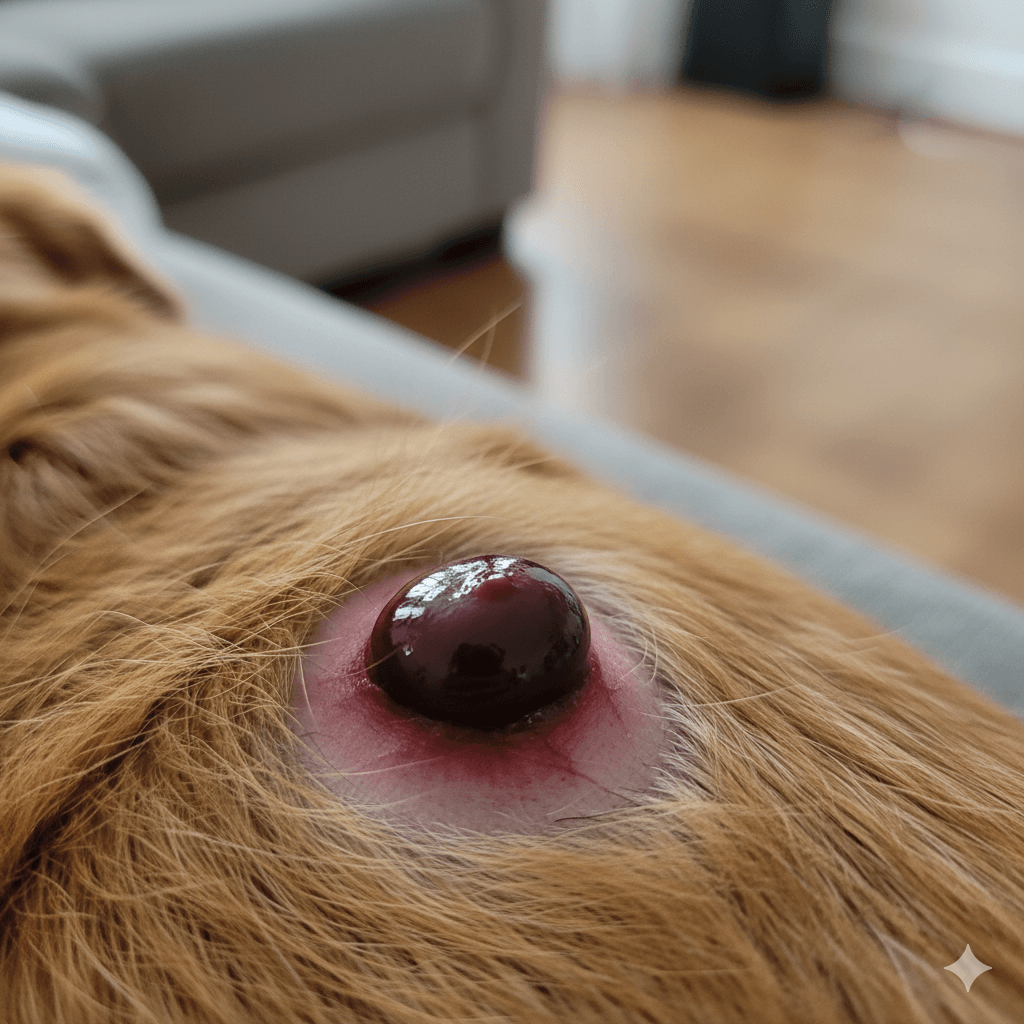

Blood-Filled Bump on Dog: Best 7 Expert Tips!

Blood-Filled Bump on Dog: Best 7 Expert Tips!

Understanding Blood-Filled Bump on Dog: Best 7 Expert Tips!

If you’ve noticed a blood-filled bump on your dog—whether it’s soft, firm, or oozing—it’s natural to feel alarmed. These lumps can range from harmless hematomas to more concerning growths that need medical attention. While some may resolve on their own, others signal infection, trauma, or even tumors. Recognizing the type, location, and behavior of the bump is the first step toward proper care. With expert guidance, you can determine whether it’s safe to monitor at home or time to call the vet—ensuring your dog’s comfort and long-term health.

Common Types of Blood-Filled Bumps in Dogs

Not all red or swollen lumps are the same. Blood-filled bumps can arise from injury, inflammation, or abnormal cell growth, and each type requires a different approach. Understanding the most frequent causes helps you respond appropriately and avoid unnecessary panic:

 
  • Hematomas:
    These fluid-filled swellings occur when blood leaks from broken vessels beneath the skin—common on ears after vigorous head shaking or trauma.
     
  • Hemangiomas:
    Benign tumors made of blood vessels, often appearing as bluish or dark red bumps on the skin, especially in light-coated or older dogs.
     
  • Hemangiosarcomas:
    Malignant tumors that resemble harmless lumps but grow rapidly and can spread internally—frequently found on the abdomen, legs, or spleen.
     
  • Abscesses with Blood-Tinged Pus:
    Infected wounds may fill with pus mixed with blood, often accompanied by heat, pain, and fever if bacteria are involved.
     
  • Traumatic Bruises or Seromas:
    After a fall or impact, dogs can develop swollen, blood-tinged pockets of fluid under the skin that feel squishy and fluctuant.
 

While some of these conditions are cosmetic or temporary, others demand prompt veterinary evaluation—especially if the bump grows quickly or your dog seems unwell.

Blood-Filled Bump on Dog: Best 7 Expert Tips!

When to Seek Immediate Veterinary Care

Timing matters when it comes to blood-filled lumps. Some signs strongly suggest a serious issue that shouldn’t wait for a routine checkup. Acting quickly can prevent complications or even save your dog’s life:

 
  • Rapid Growth in Size:
    A bump that doubles in size within days may indicate aggressive cancer like hemangiosarcoma—especially in breeds like Golden Retrievers or German Shepherds.
     
  • Bleeding or Ulceration:
    Open sores that ooze blood, crust over, and reopen are red flags for malignant skin tumors or deep infection.
     
  • Signs of Pain or Discomfort:
    Whining, licking the area excessively, or flinching when touched suggests inflammation, nerve involvement, or internal pressure.
     
  • Lethargy or Loss of Appetite:
    Systemic symptoms alongside a lump may mean internal bleeding, infection, or metastatic disease.
     
  • Location Near Sensitive Areas:
    Bumps on the eyelids, mouth, genitals, or between toes are more likely to be problematic and harder to treat if delayed.
 

If any of these warning signs appear, schedule an urgent vet visit—early diagnosis dramatically improves outcomes, especially with cancer.

Benign-Looking Signs
Warning Signs Requiring Vet Attention
Slow-growing, soft lump
Fast-growing or hard, immovable mass
No change in behavior
Lethargy, vomiting, or weight loss
Appears after known injury
No history of trauma or clear cause
Stable for weeks/months
Bleeds, oozes, or crusts repeatedly
Located on trunk or limbs
On face, paws, or internal areas

Possible Causes Behind Blood-Filled Lumps

The origin of these bumps isn’t always obvious. While trauma is a common trigger, underlying health issues or genetic predispositions may also play a role. Pinpointing potential causes helps guide both treatment and prevention:

 
  • Physical Trauma or Injury:
    Collisions, bites, or rough play can rupture blood vessels, leading to hematomas or bruising under the skin.
     
  • Sun Exposure (UV Damage):
    Dogs with thin or light-colored coats—like Dalmatians or White Boxers—are prone to sun-induced skin tumors, including hemangiomas.
     
  • Parasite or Insect Bites:
    Ticks, spiders, or bees may cause localized swelling that fills with blood or serum, sometimes mimicking a tumor.
     
  • Age-Related Skin Changes:
    Older dogs often develop benign vascular growths as their skin and blood vessels become more fragile over time.
     
  • Genetic Predisposition:
    Certain breeds (e.g., Boxers, Schnauzers, Retrievers) have higher rates of vascular tumors due to inherited traits.
 

Understanding the “why” helps you reduce future risks—like limiting sun exposure or using protective gear during rough play.

Diagnostic Steps Your Veterinarian May Take

To determine whether a blood-filled bump is harmless or hazardous, your vet will follow a structured diagnostic process. Accurate identification is essential before any treatment begins:

 
  • Physical Examination:
    The vet will assess the lump’s size, texture, mobility, temperature, and location to narrow down possibilities.
     
  • Fine Needle Aspirate (FNA):
    A small needle extracts cells from the lump for microscopic analysis—quick, minimally invasive, and often revealing.
     
  • Biopsy for Definitive Diagnosis:
    If FNA is inconclusive, a tissue sample may be sent to a lab to check for cancerous cells, especially for suspicious masses.
     
  • Imaging Tests:
    Ultrasound or X-rays might be ordered if internal involvement (e.g., spleen or liver) is suspected with hemangiosarcoma.
     
  • Blood Work and Urinalysis:
    These tests evaluate overall health, organ function, and signs of systemic illness that could influence treatment choices.
 

A clear diagnosis ensures your dog gets the right care—whether it’s simple monitoring or urgent surgery.

Treatment Options Based on Diagnosis

Treatment varies widely depending on whether the bump is benign, infected, or cancerous. Your vet will recommend the safest, most effective approach for your dog’s specific case:

 
  • Observation for Small Hematomas:
    Minor ear or skin hematomas may resolve on their own with rest and cold compresses—though larger ones often need drainage.
     
  • Surgical Removal:
    Most solid or growing lumps are removed surgically and sent for histopathology to confirm if they’re benign or malignant.
     
  • Antibiotics and Drainage for Abscesses:
    Infected lumps require lancing, flushing, and oral antibiotics to clear bacteria and prevent recurrence.
     
  • Chemotherapy or Palliative Care for Cancer:
    If hemangiosarcoma is confirmed, treatment may include surgery, chemo, or comfort-focused care based on spread and prognosis.
     
  • Topical or Laser Therapy:
    Superficial vascular lesions may respond to laser ablation or medicated ointments to reduce size and irritation.
 

Never attempt to pop or squeeze the bump yourself—it can worsen infection or spread cancer cells. Always rely on professional care.

Preventive Measures to Reduce Future Lumps

While not all bumps can be prevented, proactive habits lower your dog’s risk of traumatic or sun-related vascular growths:

 
  • Limit Sun Exposure During Peak Hours:
    Use pet-safe sunscreen or UV-protective clothing for light-coated dogs, especially on ears, nose, and belly.
     
  • Use Protective Gear During Play:
    For dogs that shake their heads excessively (e.g., due to allergies), ear padding or helmets can prevent ear hematomas.
     
  • Regular Skin Checks at Home:
    Gently run your hands over your dog’s body weekly to catch new lumps early—note size, texture, and changes.
     
  • Maintain Parasite Prevention:
    Monthly flea, tick, and mite control reduces bites that can lead to inflamed, blood-filled swellings.
     
  • Schedule Annual Wellness Exams:
    Early detection of skin changes during routine vet visits allows for prompt intervention before problems escalate.
 

Prevention isn’t about eliminating every risk—it’s about building a vigilant, caring routine that keeps your dog safer longer.

Special Considerations for Senior Dogs and High-Risk Breeds

Older dogs and certain breeds face elevated risks for malignant blood-filled tumors. Their care requires extra attention and a lower threshold for testing:

 
  • Senior Dogs (7+ Years):
    Aging increases skin fragility and cancer risk—any new lump should be evaluated, even if it looks harmless.
     
  • Boxers and Golden Retrievers:
    These breeds are highly prone to hemangiosarcoma; proactive screening (e.g., abdominal ultrasounds) may be advised.
     
  • Dogs with Thin or White Coats:
    Minimal pigmentation offers less UV protection, raising the odds of sun-induced hemangiomas on exposed skin.
     
  • Dogs with Chronic Skin Allergies:
    Constant scratching can cause trauma, leading to hematomas or secondary infections that mimic tumors.
     
  • Post-Surgical Monitoring:
    After lump removal, watch for recurrence at the same site—some cancers return aggressively if not fully excised.
 

For these at-risk groups, “wait and see” is rarely the best strategy. Early action saves time, cost, and suffering.

“A hematoma is a localized mass of blood that is confined within an organ or tissue. An aural hematoma is a collection of blood, either fresh or clotted, within the pinna (ear flap). When a hematoma is present, the pinna will appear very thick and spongy.”
 

Frequently Asked Questions About Blood-Filled Bump on Dog

Can I pop a blood blister on my dog?

No—popping can introduce bacteria, cause pain, or spread cancer cells. Always have a vet assess and treat it safely.

No. Many are benign hemangiomas or hematomas, but only a vet can confirm through testing—never assume it’s harmless.

Untreated ear hematomas may take weeks and often scar; with drainage or surgery, healing typically takes 1–2 weeks.

Even stable lumps should be checked—some cancers grow slowly at first. A baseline exam helps track future changes.

Some minor hematomas or bruises may resolve, but persistent or recurring lumps need evaluation to rule out serious causes.

Your Vigilance Is Your Dog’s Greatest Protection

Discovering a blood-filled bump on your dog can be unsettling—but your calm, informed response makes all the difference. With keen observation, timely veterinary care, and preventive habits, you empower your dog to live healthier and longer. Remember, not every lump is an emergency, but every lump deserves attention. By staying proactive, you honor the trust your dog places in you every single day. In the quiet moments of care—checking their skin, soothing their discomfort, advocating for their health—you strengthen a bond that’s as deep as it is life-saving.

Is Rawhide Bad for Cats? Best 7 Expert Tips!

Is Rawhide Bad for Cats? Best 7 Expert Tips! – Discover the risks, safe alternatives, and expert advice to keep your feline friend healthy and happy.

Is Rawhide Bad for Dogs? Best 7 Expert Tips!

Is Rawhide Bad for Dogs? Best 7 Expert Tips! – Discover the risks, benefits, and safer alternatives to rawhides for your dog’s chewing needs.

Understanding Anorexia in Cats: Best 7 Expert Tips!

Understanding Anorexia in Cats: Best 7 Expert Tips! – Learn why cats stop eating, spot warning signs, and discover how to help your feline regain appetite safely.

Understanding Anorexia in Dogs: Best 7 Expert Tips!

Understanding Anorexia in Dogs: Best 7 Expert Tips! – Learn causes, symptoms, and solutions to help your dog regain appetite and stay healthy.

Leave a Reply

Your email address will not be published. Required fields are marked *