

Blood Clot in Cats: Symptoms You Shouldn’t Ignore
A blood clot, also known as a thrombus, can be a life-threatening condition for cats. While it may sound alarming, understanding the symptoms and causes of blood clots can help you act quickly to protect your feline friend. Blood clots often occur in cats with underlying health issues, such as heart disease, and can lead to sudden, severe complications. Recognizing the signs early is crucial for ensuring timely veterinary care and improving your cat’s chances of recovery. In this blog post, we’ll explore everything you need to know about blood clot symptoms in cats, from warning signs to prevention strategies, so you can stay informed and prepared.
Expert Insight: Symptoms of Blood Clots in Cats
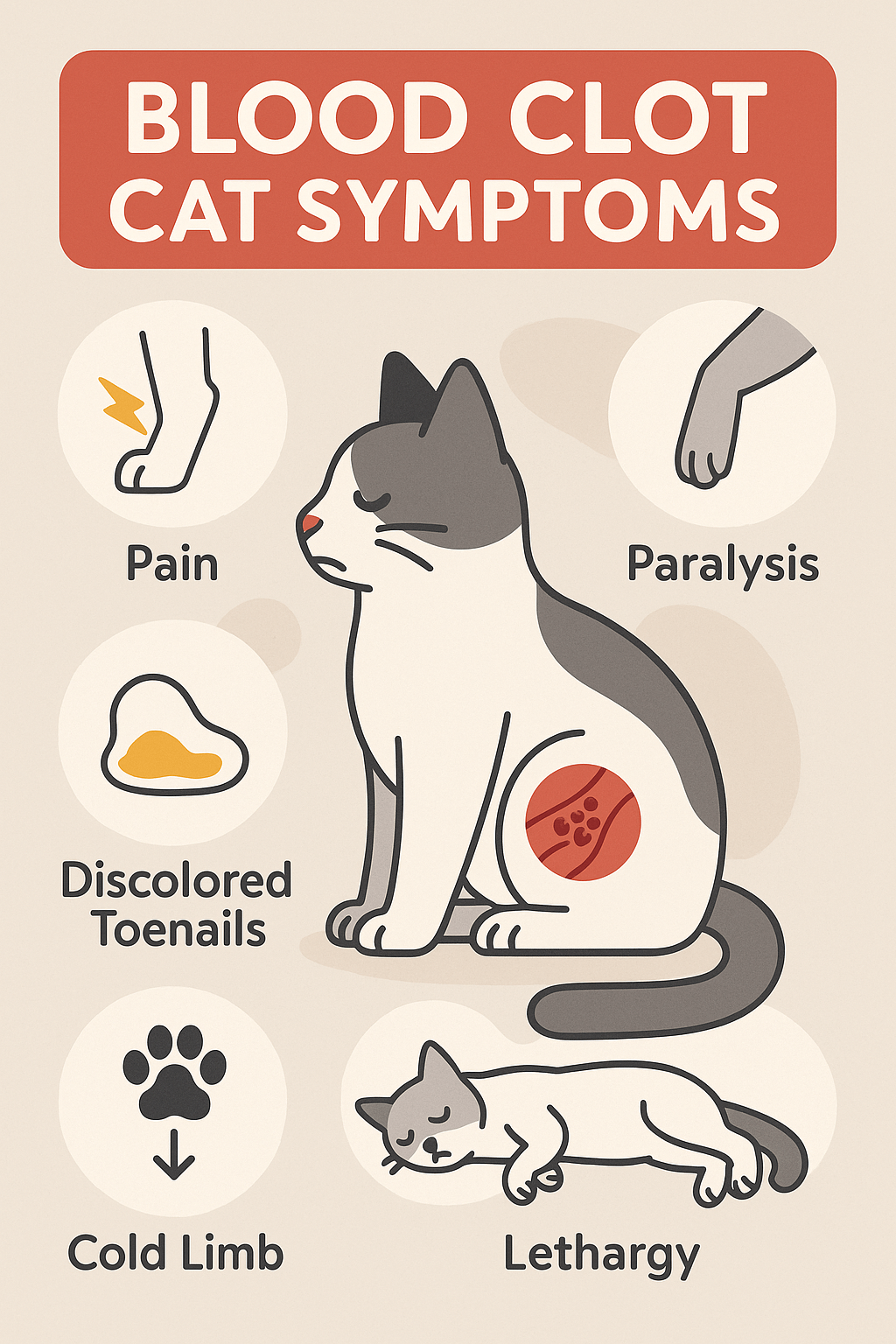
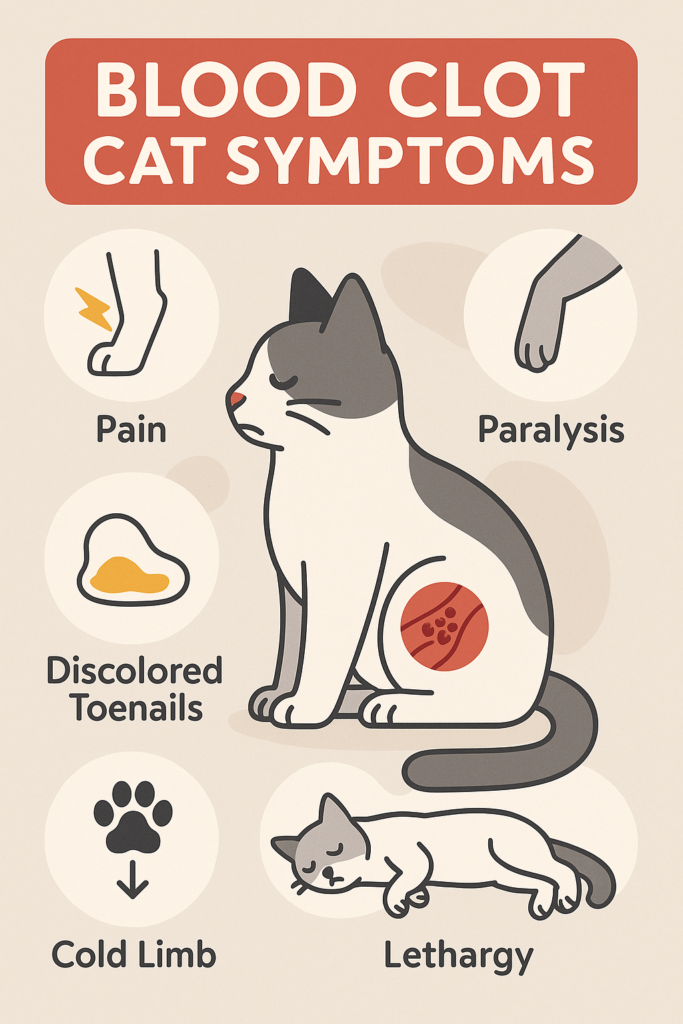
“Cats will be unable to move and/or feel one or both of their back legs. Owners often find them dragging themselves across the floor, vocalizing, panting, and sometimes having difficulty breathing as well. If your cat will allow you to touch them, you’ll notice that the affected back legs will be cold to the touch, and the paw pads will often appear pale pink or dusky. Lack of a pulse to the affected legs is also present.”
Common Symptoms of Blood Clots in Cats
If your cat develops a blood clot, they may exhibit a range of symptoms that indicate a serious medical issue. Being aware of these signs can help you seek prompt veterinary attention.
Limping or Paralysis in Hind Legs:
One of the most common symptoms is sudden weakness or paralysis in the hind legs, caused by a clot blocking blood flow to the limbs.Cold Rear Limbs:
The affected limbs may feel cold to the touch due to reduced circulation caused by the clot.Pain or Vocalization:
Cats may cry out in pain or show signs of discomfort, especially when trying to move their hind legs.Difficulty Breathing:
Blood clots can sometimes affect the lungs, leading to labored breathing or panting.Blue or Pale Gums:
Poor oxygenation caused by a clot may result in bluish or pale gums, indicating a lack of proper blood flow.
Recognizing these symptoms early can make all the difference in saving your cat’s life. If you notice any of these signs, contact your veterinarian immediately.
Underlying Causes of Blood Clots in Cats
Blood clots in cats don’t occur without reason—they are often linked to underlying health conditions. Understanding these causes can help you take preventive measures.
Heart Disease (Hypertrophic Cardiomyopathy):
This is the most common cause of blood clots in cats, as it disrupts normal blood flow and increases clot formation risks.Kidney Disease:
Chronic kidney disease can lead to imbalances in the body, contributing to clotting abnormalities.Hyperthyroidism:
Overactive thyroid glands can increase the risk of clot formation due to changes in metabolism and circulation.Trauma or Injury:
Physical injuries or surgeries may trigger clot formation as part of the body’s healing process.Genetic Predisposition:
Some cats may have an inherited tendency toward clotting disorders, making them more susceptible to blood clots.
By addressing these underlying causes, veterinarians can better manage and prevent blood clots in at-risk cats.
Check this guide 👉Understanding Cat Blood Types: Best 7 Health Tips!
Check this guide 👉Understanding Cat Bloodwork Costs: Best 7 Health Tips!
Check this guide 👉Why Is My Cat Sneezing Blood? Best 7 Expert Tips!
Symptoms of Blood Clots in Cats | Possible Underlying Causes |
|---|---|
Limping or paralysis in hind legs | Heart disease (HCM) |
Cold rear limbs | Kidney disease |
Pain or vocalization | Hyperthyroidism |
Difficulty breathing | Trauma or injury |
Blue or pale gums | Genetic predisposition |
Steps to Take if You Suspect a Blood Clot
If you suspect your cat is experiencing a blood clot, acting quickly is essential. Here’s what you should do to ensure your cat receives the care they need.
Stay Calm and Assess the Situation:
Observe your cat closely to identify specific symptoms, such as limb weakness or difficulty breathing.Contact Your Veterinarian Immediately:
Call your vet to describe the symptoms and schedule an emergency appointment. Time is critical in treating blood clots.Avoid Moving Your Cat Excessively:
Minimize movement to prevent further complications, especially if your cat appears to be in pain.Prepare for the Vet Visit:
Gather any relevant medical records or medications your cat is taking to provide your vet with a complete picture.Follow Veterinary Guidance:
Once at the clinic, trust your vet’s expertise and follow their treatment recommendations carefully.
Taking these steps promptly can significantly improve your cat’s prognosis and quality of life.
Preventive Measures for Blood Clot Risks
While not all blood clots can be prevented, certain measures can reduce your cat’s risk of developing this dangerous condition.
Regular Veterinary Check-Ups:
Routine exams can help detect underlying conditions like heart disease before they lead to complications.Monitor Weight and Diet:
Maintaining a healthy weight reduces strain on the heart and other organs, lowering clot risks.Manage Chronic Conditions:
If your cat has a chronic illness, work closely with your vet to manage it effectively and minimize clotting risks.Encourage Exercise:
Gentle play and activity promote healthy circulation, reducing the likelihood of clot formation.Administer Prescribed Medications:
If your cat is on medication for heart disease or clot prevention, ensure they take it as directed.
Proactive care and vigilance can go a long way in protecting your cat from the dangers of blood clots.
Emergency First Aid Tips
If your cat shows signs of a blood clot, providing basic first aid can stabilize them until you reach the vet. These tips can help you respond effectively.
Keep Your Cat Calm and Still:
Place your cat in a quiet, comfortable space to reduce stress and prevent further injury.Elevate Their Rear End:
For hind leg paralysis, gently elevating the rear legs can help improve blood flow temporarily.Avoid Giving Medications:
Do not administer aspirin or other medications unless explicitly instructed by your vet.Provide Warmth:
Use a blanket to keep your cat warm, as cold limbs can worsen circulation issues.Transport Safely:
Use a secure carrier to transport your cat to the vet, minimizing movement during the trip.
These first aid measures can buy valuable time while you seek professional care.
Long-Term Care for Cats Recovering from Blood Clots
Cats recovering from blood clots require ongoing care to prevent recurrence and support their overall health. These steps can aid in their recovery journey.
Medication Management:
Administer prescribed anticoagulants or other medications exactly as directed by your vet.Physical Therapy:
Gentle exercises or physical therapy can help restore mobility in affected limbs over time.Dietary Adjustments:
A heart-healthy diet rich in taurine and omega-3 fatty acids can support cardiovascular health.Monitor Progress Regularly:
Keep track of improvements or setbacks and report them to your vet during follow-up visits.Create a Stress-Free Environment:
Reduce stressors in your home to promote healing and prevent triggers for future clots.
Consistent care and attention are vital for helping your cat regain strength and vitality.
Emotional Support for Pet Owners
Dealing with a cat’s blood clot diagnosis can be emotionally challenging for pet owners. Here are some ways to cope and support your furry companion through this difficult time.
Educate Yourself About the Condition:
Understanding blood clots and their treatment empowers you to make informed decisions for your cat.Seek Emotional Support:
Talk to friends, family, or online pet communities to share your feelings and experiences.Practice Patience:
Recovery can take time, and setbacks may occur. Stay patient and focus on small victories.Celebrate Progress:
Acknowledge milestones in your cat’s recovery, no matter how small, to stay motivated.Take Care of Yourself:
Caring for a sick pet can be exhausting, so prioritize your own well-being to remain strong for your cat.
By nurturing your emotional resilience, you can provide the best care possible for your beloved companion.
Frequently Asked Questions About Blood Clots in Cats
What causes blood clots in cats?
Blood clots are often linked to underlying conditions like heart disease, kidney disease, or hyperthyroidism.
Can blood clots be treated?
Yes, but treatment depends on the severity and underlying cause. Early intervention improves outcomes.
How can I tell if my cat is in pain?
Signs of pain include vocalization, restlessness, reluctance to move, and changes in behavior.
Are certain breeds more prone to blood clots?
Breeds predisposed to heart disease, such as Maine Coons, may have a higher risk of blood clots.
What should I do if my cat’s gums turn blue?
Blue gums indicate a lack of oxygen and require immediate veterinary attention.
Act Quickly to Protect Your Feline Friend
Blood clots in cats are a serious and potentially life-threatening condition, but recognizing the symptoms and acting promptly can make all the difference. By staying informed about the warning signs, understanding the underlying causes, and taking preventive measures, you can help safeguard your cat’s health and well-being. Remember, your veterinarian is your best ally in managing this condition—don’t hesitate to reach out if you suspect something is wrong. With love, care, and vigilance, you can give your cat the best chance at a happy, healthy life.
Is Rawhide Bad for Cats? Best 7 Expert Tips! – Discover the risks, safe alternatives, and expert advice to keep your feline friend healthy and happy.

Is Rawhide Bad for Dogs? Best 7 Expert Tips! – Discover the risks, benefits, and safer alternatives to rawhides for your dog’s chewing needs.

Understanding Anorexia in Cats: Best 7 Expert Tips! – Learn why cats stop eating, spot warning signs, and discover how to help your feline regain appetite safely.

Understanding Anorexia in Dogs: Best 7 Expert Tips! – Learn causes, symptoms, and solutions to help your dog regain appetite and stay healthy.