
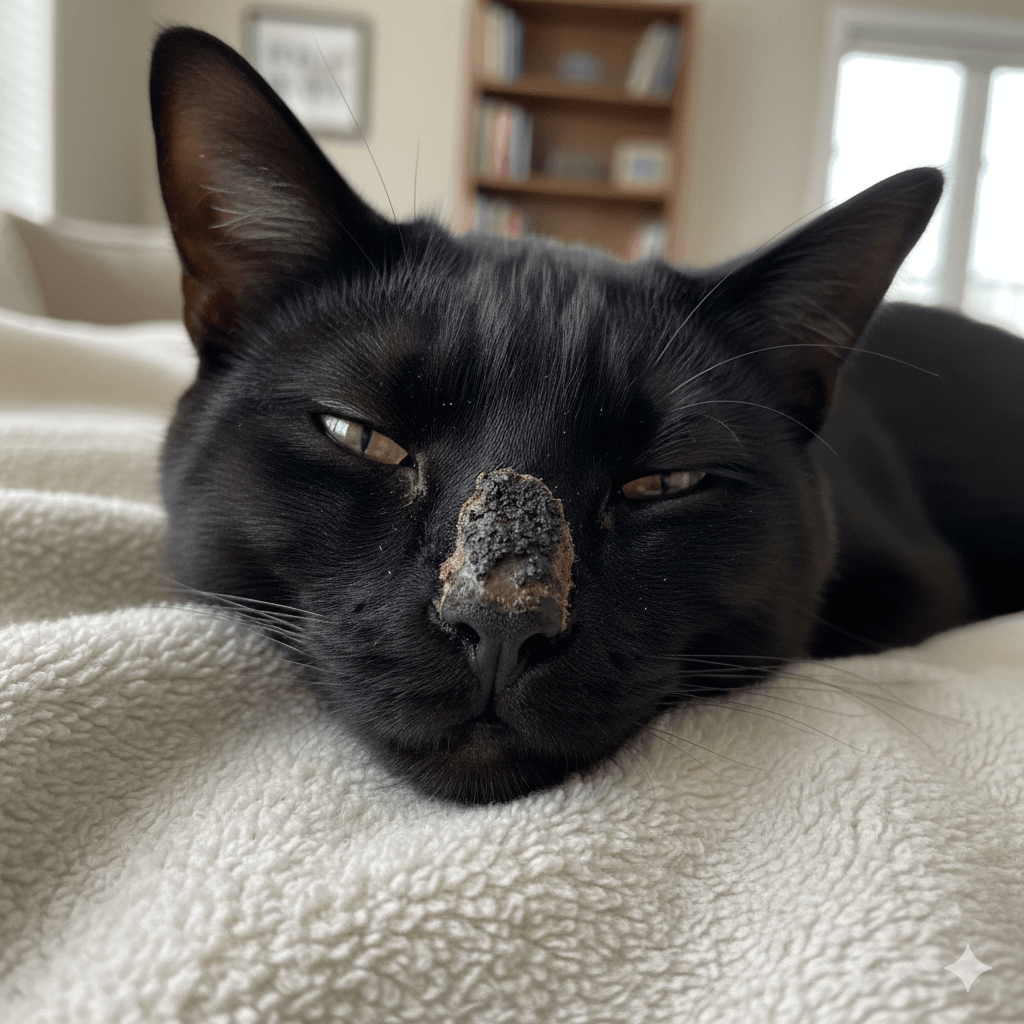

Understanding Black Crusty Scab on Cat: Best 7 Expert Tips!
If you’ve noticed a black, crusty scab on your cat’s skin—especially near the ears, neck, or back—it’s natural to feel concerned. While some scabs are harmless and heal on their own, others signal underlying issues like allergies, parasites, or infection. Early observation and gentle care can prevent complications and discomfort for your feline friend. Understanding the possible causes helps you respond wisely and know when professional help is needed. With the right knowledge, you can support your cat’s skin health and overall well-being effectively.
Common Causes of Black Crusty Scabs in Cats
Black crusty scabs often result from your cat’s immune or inflammatory response to an irritant or injury. While appearance alone isn’t diagnostic, certain patterns point toward likely triggers. Here are five frequent culprits behind these dry, dark lesions:
- Flea Allergy Dermatitis:
Even a single flea bite can trigger intense itching and crusting in sensitive cats, often leading to “miliary dermatitis” with small, scabbed bumps near the base of the tail or neck. - Ear Mites or Ear Infections:
Dark, crusty debris inside or around the ears—sometimes mistaken for scabs—may indicate Otodectes cynotis mites or secondary bacterial/fungal infection. - Allergic Reactions:
Food sensitivities or environmental allergens (like pollen or dust mites) can cause chronic skin inflammation, resulting in persistent scabbing and overgrooming. - Ringworm (Dermatophytosis):
Despite its name, ringworm is a fungal infection that may present as circular, scaly patches with crusts—often on the face, paws, or limbs. - Trauma or Self-Trauma:
Scratching, biting, or excessive grooming due to stress or pain can break the skin, leading to scab formation as part of the natural healing process.
Most causes are treatable once identified, but accurate diagnosis by a veterinarian ensures your cat gets the right care without delay.
When to Be Concerned: Warning Signs Beyond the Scab
Not every scab requires emergency care, but some features suggest a more serious condition like infection, autoimmune disease, or even skin cancer. Monitor closely for these red flags:
- Scab Spreading or Multiplying:
New scabs appearing nearby or existing ones growing larger may indicate a progressive skin disorder. - Bleeding, Oozing, or Foul Odor:
These signs point to bacterial infection or deep tissue involvement needing medical intervention. - Hair Loss Around the Area:
Patchy baldness combined with crusting often signals allergic, parasitic, or fungal origins. - Behavioral Changes:
If your cat becomes withdrawn, stops eating, or grooms obsessively near the scab, pain or systemic illness may be present. - Scab on the Face or Ears That Doesn’t Heal:
Slow-healing or recurring facial scabs in older cats warrant evaluation for squamous cell carcinoma or other neoplasia.
Early veterinary assessment can prevent minor issues from becoming chronic or life-threatening.
Check this guide 👉Can a Cat Give You Scabies? Best 7 Expert Tips!
Check this guide 👉Scabs on Cats Ears: Best 7 Expert Tips!
Check this guide 👉Cat Overgrooming Scabs: Best 7 Health Tips!
Benign Indicators | Signs Requiring Veterinary Attention |
|---|---|
Single, dry scab with no itching | Multiple scabs appearing rapidly |
Scab healing within 7–10 days | Scab present for more than 2 weeks |
No change in appetite or mood | Lethargy or irritability |
Mild flaking without redness | Red, swollen, or warm skin underneath |
Occasional ear scratching | Head shaking, ear discharge, or odor |
Diagnosing the Underlying Issue
Pinpointing why a black crusty scab formed is essential for effective treatment. Vets use a combination of history, physical exam, and diagnostics to uncover the root cause:
- Skin Scraping Test:
This painless procedure checks for mites, bacteria, or fungal elements under a microscope. - Flea Comb Examination:
Even if you don’t see fleas, “flea dirt” (black specks that turn red in water) confirms infestation. - Diet Trial or Allergy Testing:
If food allergy is suspected, an 8–12 week elimination diet may be recommended. - Culture or Biopsy:
For persistent or unusual lesions, a sample may be sent to a lab to rule out infection or cancer. - Full Physical and Blood Work:
Systemic diseases like hyperthyroidism or immune disorders can manifest through skin changes.
Accurate diagnosis avoids guesswork and ensures your cat receives targeted, safe therapy.
At-Home Care While Awaiting Veterinary Advice
While waiting for your vet appointment, gentle home care can prevent worsening—but avoid aggressive cleaning or human medications:
- Prevent Scratching or Licking:
Use a soft cone or recovery suit to stop your cat from irritating the area further. - Keep the Area Clean and Dry:
Gently wipe with a warm, damp cloth if debris is present—never use alcohol, hydrogen peroxide, or soap. - Avoid Topical Ointments:
Many human creams (especially those with zinc or steroids) are toxic if licked by cats. - Monitor Daily:
Take photos to track changes in size, color, or texture—this helps your vet assess progression. - Maintain a Stress-Free Environment:
Stress can worsen skin conditions; keep routines consistent and provide quiet resting spots.
Supportive care at home buys time but never replaces professional evaluation for persistent scabs.
Preventing Future Skin Scabs in Cats
Long-term skin health relies on proactive management of parasites, diet, and environment:
- Monthly Flea Prevention:
Use vet-approved products year-round—even indoor cats can get fleas from humans or other pets. - High-Quality, Hypoallergenic Diet:
Omega-3 fatty acids and limited-ingredient foods support skin barrier function and reduce inflammation. - Regular Grooming:
Brushing removes dead skin, distributes natural oils, and helps you spot issues early. - Clean Bedding and Living Spaces:
Wash cat beds weekly and vacuum frequently to reduce allergens and parasites. - Routine Vet Check-Ups:
Annual exams catch subtle skin changes before they become problematic.
Prevention isn’t just about avoiding scabs—it’s about nurturing your cat’s natural resilience.
Special Considerations for Senior Cats and Outdoor Cats
Older or outdoor-exposed cats face unique skin risks that demand extra vigilance:
- Senior Cats:
Thinner skin, weaker immunity, and slower healing increase vulnerability to infections and skin cancer. - Outdoor Cats:
Exposure to insects, plants, fights, and sunlight raises risks of trauma, parasites, and UV damage (especially on light ears). - White or Light-Colored Cats:
These are highly prone to sunburn and squamous cell carcinoma on ears and nose—look for crusty, non-healing sores. - Cats with Chronic Illness:
Conditions like diabetes or kidney disease can impair skin repair and increase infection risk. - FIV/FeLV-Positive Cats:
Compromised immune systems make them more susceptible to persistent or severe skin lesions.
For these cats, even small scabs deserve prompt attention and thorough evaluation.
What to Expect During a Veterinary Dermatology Visit
Your vet will take a methodical approach to uncover the cause and design a recovery plan:
- Detailed History:
They’ll ask about onset, diet changes, flea prevention, and whether other pets are affected. - Dermatological Exam:
Using magnification, they’ll assess scab texture, skin elasticity, and hair follicle health. - Diagnostic Testing:
As mentioned earlier, this may include skin scrapes, fungal cultures, or cytology. - Treatment Plan:
This could involve medicated shampoos, antiparasitics, antibiotics, antifungals, or anti-inflammatories. - Follow-Up Schedule:
Many skin conditions require rechecks to ensure the treatment is working and adjust as needed.
A clear, collaborative plan gives your cat the best chance for full, lasting recovery.
“Superficial pyoderma—a result of a bacteria or yeast infection of the skin, superficial pyoderma causes in crusty, darkened skin, small bumps, and itchiness. This type of infection can affect any part of the body, but most commonly develops between the paw pads, in the groin area, and on the head.”
Frequently Asked Questions About Black Crusty Scab on Cat
Is a black scab on my cat always serious?
Not always—many scabs heal on their own—but persistent, spreading, or bleeding scabs need veterinary evaluation.
Can I pick off the scab to help it heal faster?
No. Picking can reopen the wound, introduce infection, and delay healing. Let it fall off naturally.
Are black scabs contagious to other pets or humans?
Some causes (like ringworm or mites) are zoonotic or transmissible—always practice good hygiene and isolate if unsure.
Do indoor cats get crusty scabs too?
Yes. Allergies, stress, or even household irritants (like cleaning sprays) can trigger skin reactions indoors.
Will my cat need long-term medication?
It depends on the cause. Allergies may require ongoing management, while infections often resolve with short-term treatment.
Nurturing Your Cat’s Skin Health with Knowledge and Care
Finding a black crusty scab on your cat can be alarming, but it’s often a manageable issue with timely attention. Your gentle observation, patience, and partnership with your veterinarian make all the difference in your feline’s comfort and recovery. Remember, your cat trusts you to notice when something’s off—and to act with both love and wisdom. By prioritizing prevention, avoiding guesswork, and responding early, you protect not just their skin, but their overall joy and vitality. In the quiet moments of care—whether cleaning a tiny scab or holding them calmly at the vet—you reaffirm the deep bond that makes your cat feel safe, seen, and cherished.
Is Rawhide Bad for Cats? Best 7 Expert Tips! – Discover the risks, safe alternatives, and expert advice to keep your feline friend healthy and happy.

Is Rawhide Bad for Dogs? Best 7 Expert Tips! – Discover the risks, benefits, and safer alternatives to rawhides for your dog’s chewing needs.

Understanding Anorexia in Cats: Best 7 Expert Tips! – Learn why cats stop eating, spot warning signs, and discover how to help your feline regain appetite safely.

Understanding Anorexia in Dogs: Best 7 Expert Tips! – Learn causes, symptoms, and solutions to help your dog regain appetite and stay healthy.