

The Enigmatic Beauty of the Black Bengal Cat
Few feline breeds capture the imagination quite like the Black Bengal Cat. With their sleek, jet-black coats and striking golden or green eyes, these cats exude an air of mystery and elegance that has fascinated cat lovers worldwide. Known for their intelligence, athleticism, and affectionate nature, Black Bengal Cats are a unique blend of beauty and personality. Whether you’re considering adopting one or simply intrigued by this captivating breed, understanding their characteristics, care needs, and history can deepen your appreciation for these remarkable companions. Let’s dive into what makes the Black Bengal Cat so extraordinary.
Key Characteristics of the Black Bengal Cat
The Black Bengal Cat stands out not only for its stunning appearance but also for its distinct traits that set it apart from other domestic cats. Here’s a closer look at what defines this breed.
Sleek, Jet-Black Coat:
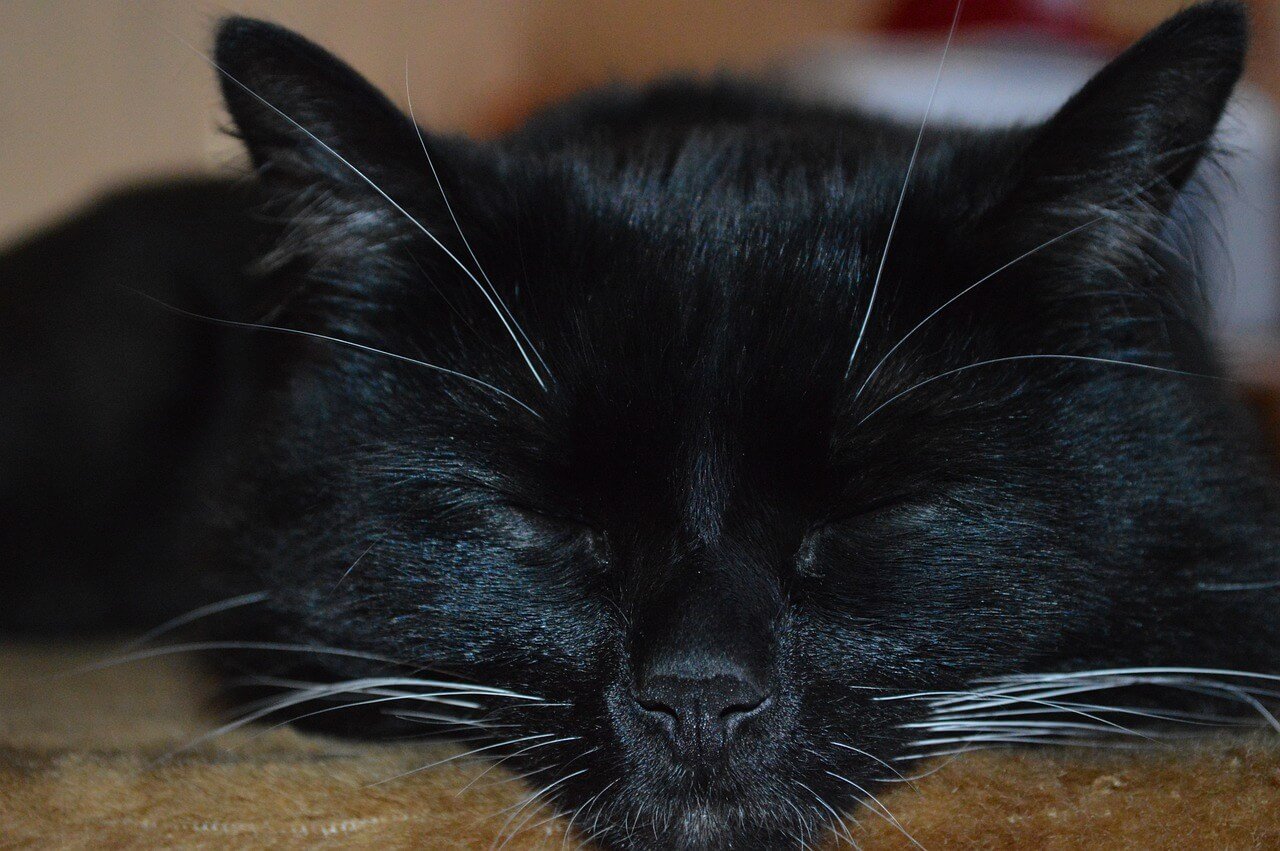
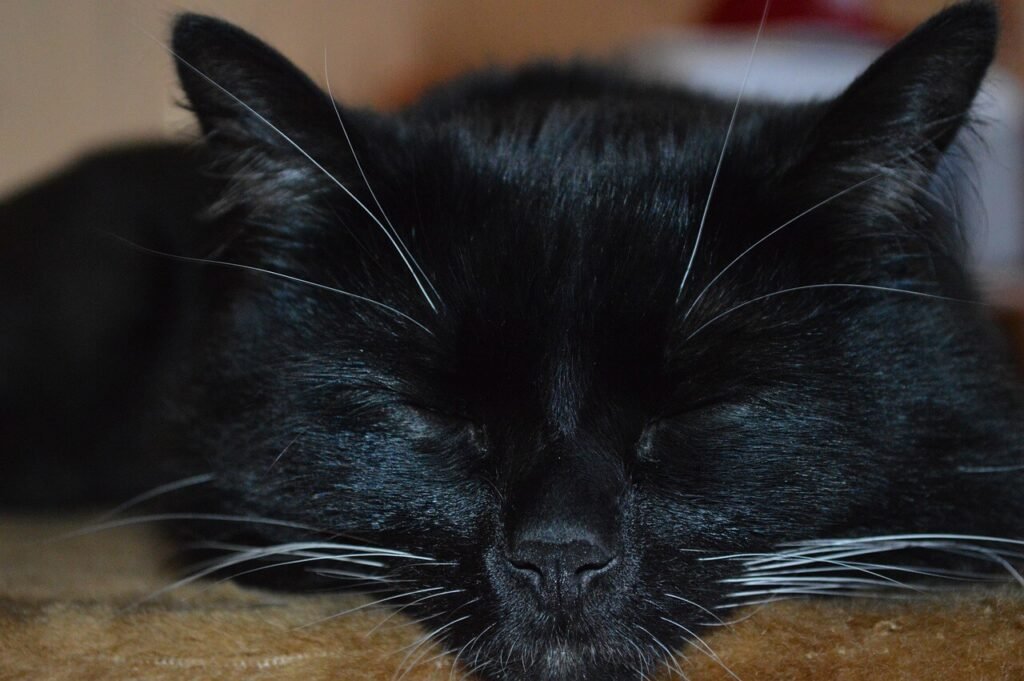
Unlike many other Bengal patterns, the Black Bengal Cat boasts a uniform black coat that shimmers in the light, giving it a luxurious, velvety appearance.Muscular Build:
These cats have a strong, athletic physique, reflecting their wild ancestry and making them exceptionally agile and energetic.Expressive Eyes:
Their piercing golden or green eyes add to their allure, creating a mesmerizing contrast against their dark fur.Intelligent and Curious Nature:
Black Bengal Cats are highly intelligent and love exploring their surroundings, often seeking mental stimulation and interactive play.Affectionate Yet Independent:
While they form strong bonds with their owners, they also value their independence, striking a perfect balance between companionship and self-reliance.
These characteristics make the Black Bengal Cat a truly unique and captivating breed that appeals to both novice and experienced cat owners alike.
Caring for Your Black Bengal Cat
Owning a Black Bengal Cat requires dedication to meet their physical and emotional needs. Proper care ensures they remain healthy, happy, and well-adjusted members of your household.
Provide Ample Exercise:
Due to their high energy levels, Black Bengal Cats need plenty of opportunities to run, jump, and climb. Invest in cat trees and interactive toys to keep them active.Mental Stimulation is Key:
Puzzle feeders, treat-dispensing toys, and training sessions can help satisfy their curious minds and prevent boredom-related behaviors.Grooming Needs Are Minimal:
Their short, sleek coat requires little grooming—regular brushing once a week is sufficient to reduce shedding and maintain shine.Balanced Diet Matters:
Feed them a high-quality diet rich in protein to support their muscular build and overall health. Consult your vet for tailored nutritional advice.Regular Vet Checkups:
Schedule routine veterinary visits to monitor their health and address any potential issues early on.
By focusing on these care essentials, you can ensure your Black Bengal Cat thrives in your home environment.
Check this guide 👉 The Allure of Grey Tuxedo Cats: Best 7 Expert Tips!
Check this guide 👉 The Silver Bengal Cat: Best 7 Expert Tips!
Check this guide 👉 Meet the Bambino Cat: Best 7 Expert Tips!
Pros of Owning a Black Bengal Cat | Cons of Owning a Black Bengal Cat |
|---|---|
Striking, eye-catching appearance | High energy levels require more attention |
Intelligent and trainable | Can be vocal and demanding |
Affectionate and social | May exhibit destructive behavior if bored |
Low grooming requirements | Requires ample space for climbing |
Forms strong bonds with owners | Not ideal for first-time pet owners |
Understanding the Origins of the Black Bengal Cat
The Black Bengal Cat’s fascinating history adds depth to its charm, blending elements of wild ancestry with modern domestication. Here’s how this breed came to be.
Wild Roots:
The Bengal breed traces its origins to crosses between domestic cats and Asian Leopard Cats, resulting in their distinctive spotted or marbled patterns.Selective Breeding for Solid Colors:
Through careful breeding programs, some Bengals developed solid black coats, leading to the emergence of the Black Bengal variety.Development in the U.S.:
Jean Mill, a pioneer in Bengal breeding, played a significant role in refining the breed’s traits and promoting its popularity in the United States.TICA Recognition:
The International Cat Association (TICA) officially recognized the Bengal breed in 1986, paving the way for its global acclaim.Symbol of Elegance and Mystery:
The Black Bengal Cat’s all-black coat enhances its mystique, drawing comparisons to mythical creatures like panthers.
Understanding their origins highlights the unique blend of wild beauty and domestic charm that defines the Black Bengal Cat.
Common Misconceptions About Black Bengal Cats
Despite their growing popularity, several misconceptions surround Black Bengal Cats. Separating fact from fiction helps potential owners make informed decisions.
Myth: They Are Wild Animals:
While they share ancestry with wild cats, Black Bengal Cats are fully domesticated and thrive as loving pets in home environments.Myth: They Require No Training:
Although independent, they benefit greatly from training and mental stimulation to channel their intelligence productively.Myth: All Bengals Are Hyperactive:
While energetic, individual personalities vary, and some may be calmer than others depending on genetics and upbringing.Myth: Their Coats Are Maintenance-Free:
Though low-maintenance, regular brushing and occasional baths can enhance their coat’s natural sheen.Myth: They Don’t Get Along with Other Pets:
Proper introductions and gradual acclimation can lead to harmonious relationships with dogs, cats, and even smaller animals.
Dispelling these myths fosters a better understanding of what it means to live with a Black Bengal Cat.
Additional Tips for Bonding with Your Black Bengal Cat
Building a strong bond with your Black Bengal Cat takes time and effort, but the rewards are worth it. These tips will help strengthen your connection and foster trust.
Engage in Interactive Play:
Use wand toys or laser pointers to engage their hunting instincts and create fun, shared experiences.Respect Their Space:
Allow them to retreat to quiet areas when needed, showing respect for their independent nature.Use Positive Reinforcement:
Reward good behavior with treats or praise to encourage desirable actions and deepen your rapport.Talk to Them Often:
Speaking softly and frequently helps them recognize your voice and feel more connected to you.Establish a Routine:
Consistency in feeding, playtime, and grooming builds predictability and trust over time.
A strong bond enriches your relationship and ensures mutual happiness.
How to Create a Stimulating Environment for Your Black Bengal Cat
To thrive, Black Bengal Cats need an engaging environment that satisfies their curiosity and energy. Here’s how to design a stimulating space for them.
Install Vertical Spaces:
Cat shelves, wall-mounted perches, and tall scratching posts cater to their love of climbing and jumping.Provide Hiding Spots:
Tunnels, boxes, or cozy beds give them safe spaces to retreat and observe their surroundings.Incorporate Interactive Toys:
Rotating puzzle toys and treat-dispensing gadgets keeps them entertained and mentally sharp.Create a Window View:
Position furniture near windows so they can watch birds, squirrels, and outdoor activity.Set Up a Catio or Enclosed Outdoor Area:
A secure outdoor enclosure allows them to safely experience fresh air and natural stimuli.
A stimulating environment prevents boredom and promotes a happy, well-adjusted cat.
Signs Your Black Bengal Cat Is Happy and Healthy
Recognizing signs of contentment and wellness in your Black Bengal Cat ensures you’re meeting their needs effectively. Look out for these indicators.
Playful Behavior:
Regular bursts of energy and enthusiasm during playtime signal a happy, engaged cat.Shiny, Glossy Coat:
A healthy coat reflects proper nutrition and grooming habits.Clear Eyes and Clean Ears:
Bright, clear eyes and odor-free ears indicate good overall health.Consistent Appetite:
Eating regularly without sudden changes in appetite suggests they’re comfortable and thriving.Affectionate Gestures:
Initiating cuddles, purring, or following you around shows they trust and enjoy your company.
Monitoring these signs helps you stay attuned to your cat’s well-being and happiness.
Frequently Asked Questions About Black Bengal Cats
Are Black Bengal Cats hypoallergenic?
While no cat is completely hypoallergenic, their short coats produce fewer allergens than longer-haired breeds.
Do they get along with other pets?
Yes, they generally adapt well to multi-pet households if introduced properly.
How much exercise do they need?
They require daily playtime and activities to burn off excess energy.
What is their lifespan?
With proper care, they can live 12–16 years on average.
Are they vocal cats?
They tend to be quieter than some breeds but will communicate when necessary.
Why the Black Bengal Cat Captivates Hearts Worldwide
The Black Bengal Cat embodies the perfect fusion of exotic allure and domestic charm, making it a favorite among cat enthusiasts. From their shimmering black coats to their playful yet affectionate demeanor, every aspect of this breed speaks to their uniqueness. By understanding their needs, appreciating their history, and dispelling common misconceptions, you can create a harmonious life with one of these extraordinary felines. Whether you’re drawn to their intelligence, athleticism, or undeniable beauty, the Black Bengal Cat promises to bring joy, companionship, and endless fascination into your home.
Understanding Bone Supplement for Cats: Best 7 Expert Tips! – Safe, vet-approved guidance for strong feline bones & balanced nutrition.
Bone Supplement for Dogs: Best 7 Expert Tips! – Expert guide to calcium, collagen & bone health for every life stage.
Understanding Can Cats Get Sunburn: Best 7 Expert Tips! – Protect your feline from UV damage with vet-backed prevention strategies.
How to Train a Seizure Alert Dog: Best 7 Expert Tips! – Learn expert-backed steps to nurture natural instincts into reliable, life-saving seizure alerts.


