
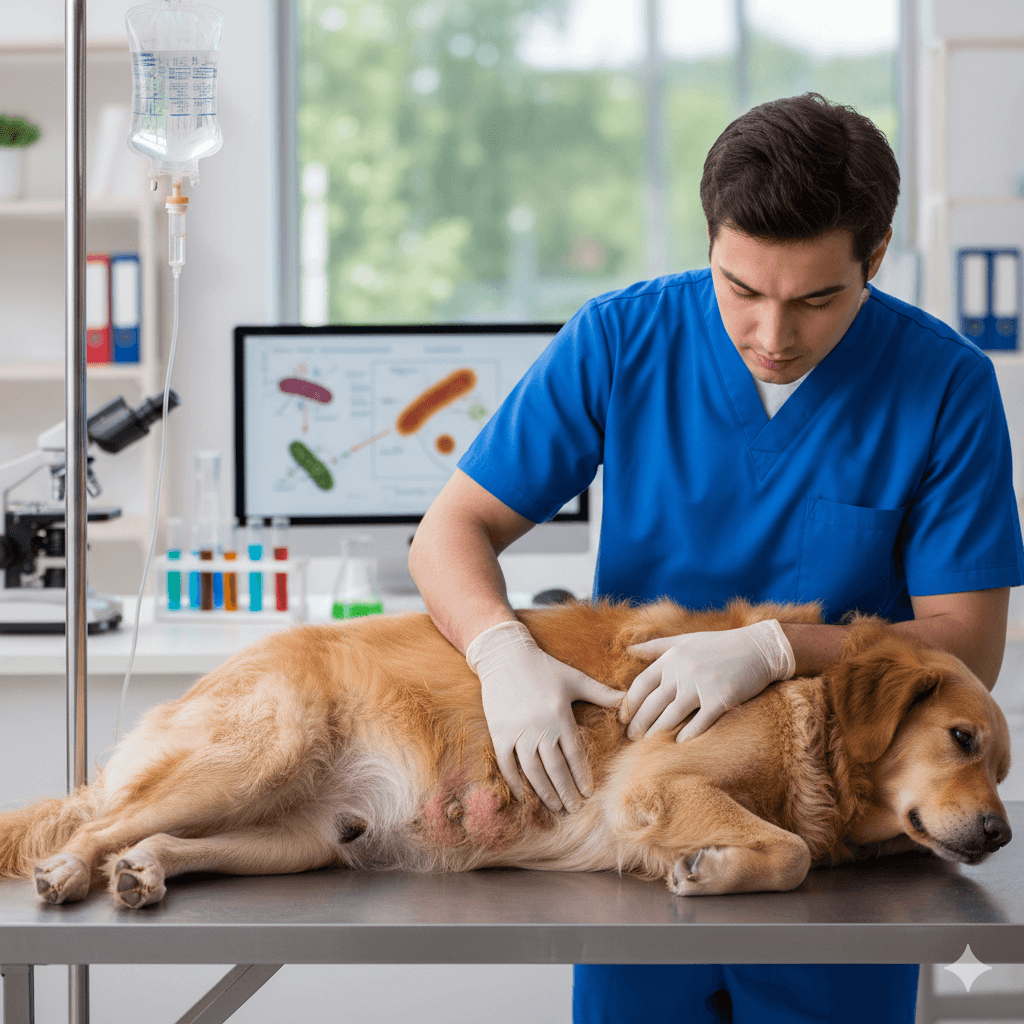

Bacterial Infection Stomach in Dogs: Best 7 Expert Tips!

Bacterial Infection Stomach in Dogs: Best 7 Expert Tips!

Understanding Bacterial Infection Stomach in Dogs: Best 7 Expert Tips!

If your dog is suffering from vomiting, diarrhea, or sudden abdominal pain, a bacterial infection in the stomach—also known as bacterial gastroenteritis—could be the culprit. Unlike simple dietary upsets, bacterial infections can escalate quickly and require targeted care to prevent complications. Though some cases resolve with rest and fluids, others demand antibiotics or veterinary intervention. Recognizing early signs and acting promptly can make all the difference in your dog’s recovery and comfort. Understanding the root causes, symptoms, and best practices helps you protect your loyal companion from this painful condition.

Common Signs of a Bacterial Stomach Infection in Dogs

Bacterial infections of the gastrointestinal tract often mimic viral stomach flu but tend to be more severe or prolonged. Symptoms typically appear within hours of ingestion of contaminated material and may worsen without treatment. Watch closely for these hallmark indicators:

 
  • Persistent Vomiting:
    Unlike occasional regurgitation, repeated vomiting—especially with bile or mucus—suggests active inflammation from bacterial toxins.
     
  • Foul-Smelling, Watery Diarrhea:
    Stool may be explosive, greasy, or contain blood, often carrying a distinctly putrid odor due to bacterial overgrowth.
     
  • Fever or Elevated Temperature:
    A rectal temperature above 103°F (39.4°C) is a strong sign the body is fighting an infectious agent like Salmonella or E. coli.
     
  • Loss of Appetite with Rapid Weight Loss:
    Dogs may refuse food for more than 24 hours, leading to noticeable thinness and weakness within days.
     
  • Lethargy and Dehydration:
    Reduced activity, dry gums, and sunken eyes signal systemic illness and fluid loss that needs immediate attention.
 

While mild cases may improve with supportive care, bacterial infections often require antibiotics—so early vet consultation is essential.

 
Bacterial Infection Stomach in Dogs: Best 7 Expert Tips!

Primary Bacterial Culprits Behind Canine Stomach Infections

Not all bacteria are equally dangerous, but several common strains frequently cause significant gastrointestinal distress in dogs. Identifying likely sources helps you prevent exposure and understand treatment options:

 
  • Salmonella:
    Often contracted from raw meat, contaminated treats, or fecal contact; can cause severe diarrhea and is zoonotic (transmissible to humans).
     
  • Campylobacter:
    Found in undercooked poultry, unpasteurized milk, or contaminated water; leads to acute, sometimes bloody diarrhea.
     
  • Clostridium perfringens:
    A normal gut bacterium that overgrows due to stress or diet changes, producing toxins that trigger sudden vomiting and diarrhea.
     
  • E. coli (Pathogenic Strains):
    Certain strains damage the intestinal lining, especially in puppies or immunocompromised dogs, causing dehydration and sepsis risk.
     
  • Helicobacter spp.:
    These stomach-dwelling bacteria can cause chronic gastritis, ulcers, and intermittent vomiting, often overlooked in routine testing.
 

Accurate diagnosis—through fecal culture, PCR testing, or blood work—is critical, as treatments vary by pathogen.

Early Warning Signs
Complications Requiring Urgent Care
Occasional vomiting after eating
Vomiting blood or coffee-ground material
Mild diarrhea for 12 hours
Diarrhea lasting beyond 48 hours
Slight decrease in energy
Collapse, tremors, or inability to stand
Drinking water but not eating
Refusing all fluids for 12+ hours
Normal temperature with soft stool
Fever above 104°F (40°C)

Risk Factors That Increase Susceptibility

Some dogs are far more vulnerable to bacterial stomach infections due to age, environment, or health status. Understanding these risk factors empowers you to take preventive action:

 
  • Puppies and Senior Dogs:
    Immature or weakened immune systems struggle to fight off even low-level bacterial exposure.
     
  • Dogs on Raw or Homemade Diets:
    Raw meat, eggs, or unpasteurized dairy carry higher risks of Salmonella and Campylobacter contamination.
     
  • Frequent Scavenging or Trash Raiding:
    Access to garbage, compost, or feces introduces dangerous bacteria directly into the digestive tract.
     
  • Recent Antibiotic Use:
    Broad-spectrum antibiotics can disrupt healthy gut flora, allowing harmful bacteria like Clostridium to flourish.
     
  • Stress or Immunosuppression:
    Illness, surgery, or anxiety weakens gut defenses, creating openings for bacterial overgrowth.
 

Minimizing these risks through diet control, hygiene, and stress reduction is your first line of defense.


At-Home Support While Awaiting Veterinary Care

If you suspect a bacterial infection but can’t reach a vet immediately, gentle supportive care can stabilize your dog until professional help arrives:

 
  • Withhold Food (But Not Water):
    Fast for 6–12 hours to rest the gut, but offer small sips of water or ice chips every 20 minutes to prevent dehydration.
     
  • Use Vet-Approved Electrolyte Solutions:
    Pediatric electrolyte formulas (without xylitol!) or canine-specific products help maintain fluid balance.
     
  • Keep Your Dog Warm and Quiet:
    Stress worsens GI inflammation—provide a calm, dark space away from other pets or household activity.
     
  • Avoid Human Medications:
    Never give Pepto-Bismol, Imodium, or antibiotics without veterinary direction—they can worsen certain infections.
     
  • Monitor for Worsening Signs:
    Track vomiting frequency, stool appearance, temperature, and gum color; share this data with your vet.
 

This is only interim care—bacterial infections rarely resolve fully without proper diagnosis and treatment.


Veterinary Diagnosis and Treatment Protocol

When you visit the vet, expect a thorough workup to confirm bacterial involvement and rule out viruses, parasites, or obstructions:

 
  • Fecal Testing:
    PCR panels or cultures identify specific bacteria like Salmonella, Campylobacter, or Clostridium toxins.
     
  • Blood Work:
    CBC and chemistry panels assess dehydration, inflammation, organ function, and sepsis risk.
     
  • Imaging (If Needed):
    X-rays or ultrasound check for foreign bodies, intussusception, or thickened intestinal walls.
     
  • Targeted Antibiotic Therapy:
    Medications like metronidazole, amoxicillin-clavulanate, or enrofloxacin are chosen based on the suspected pathogen.
     
  • Supportive Therapies:
    IV fluids, anti-nausea drugs (e.g., maropitant), and probiotics help restore balance and comfort.
 

Never skip follow-up—even if symptoms improve, completing the full antibiotic course prevents relapse or resistance.

Long-Term Prevention Strategies for Recurrent Infections

Preventing future bacterial stomach infections involves consistent habits that protect your dog’s gut ecosystem:

 
  • Feed a Balanced, Commercial Diet:
    Avoid raw or undercooked foods unless sourced and handled with extreme caution and veterinary guidance.
     
  • Practice Strict Hygiene:
    Wash food bowls daily, disinfect floors after accidents, and pick up feces immediately to reduce reinfection risk.
     
  • Use Probiotics Proactively:
    Daily canine probiotics support healthy gut flora that outcompete harmful bacteria—especially after antibiotics.
     
  • Secure Trash and Compost Bins:
    Use dog-proof containers to eliminate access to spoiled food or fecal-contaminated waste.
     
  • Schedule Regular Wellness Checks:
    Early blood and stool screening can catch subclinical imbalances before they escalate.
 

Prevention isn’t just cleanliness—it’s building a resilient internal environment that resists infection.


Special Considerations for Multi-Dog Households and Zoonotic Risk

Bacterial stomach infections can spread to other pets or even humans, requiring extra precautions in shared living spaces:

 
  • Isolate the Sick Dog:
    Use separate bowls, bedding, and outdoor potty areas until symptoms fully resolve (typically 5–7 days post-recovery).
     
  • Wash Hands Thoroughly:
    Always wash with soap after handling the dog, cleaning up stool, or doing laundry—Salmonella and Campylobacter are zoonotic.
     
  • Disinfect Surfaces Daily:
    Use a pet-safe disinfectant (e.g., accelerated hydrogen peroxide) on floors, crates, and toys to kill lingering bacteria.
     
  • Test Other Dogs If Symptomatic:
    Asymptomatic carriers can spread infection—monitor all pets closely for changes in stool or appetite.
     
  • Avoid Face Licking During Illness:
    Refrain from close facial contact until your dog is fully cleared by a vet to protect vulnerable household members.
 

Responsibility extends beyond your pet—it includes protecting your entire family’s health.

Frequently Asked Questions About Bacterial Infection Stomach in Dogs

Can dogs get bacterial stomach infections from other dogs?

Yes—especially through shared water bowls, direct contact with infected feces, or contaminated soil in parks or kennels.

Most dogs remain contagious for 3–14 days after symptoms stop, depending on the bacteria—your vet may recommend follow-up fecal tests.

Yes—studies show raw diets significantly increase the risk of Salmonella and E. coli shedding, even in healthy-looking dogs.

No—they support recovery and prevention but cannot eliminate an active infection that requires antibiotics.

While complete yard disinfection isn’t practical, remove feces immediately and restrict access to the area until your dog is non-contagious.

Protecting Your Dog’s Gut Health with Knowledge and Care

A bacterial stomach infection in dogs is more than just an upset tummy—it’s a signal that their internal defenses have been breached. By responding with informed care, you not only ease their suffering but also reinforce their long-term resilience. Prevention, prompt treatment, and post-recovery support form a cycle of wellness that keeps your companion thriving. Remember, your vigilance and love are the most powerful tools in safeguarding your dog’s digestive health. With the right approach, even the toughest bacterial challenges can be overcome—leaving your loyal friend wagging, eating, and playing once again.

Dog Flu Shot Side Effects: Best 7 Expert Tips!

Dog Flu Shot Side Effects: Best 7 Expert Tips! – Learn about common reactions, rare risks, and how to keep your dog safe after vaccination.

Rhodesian Ridgeback Dog Temperament: Best 7 Expert Tips!

Rhodesian Ridgeback Dog Temperament: Best 7 Expert Tips! – Discover their loyal, intelligent, and energetic nature, plus expert advice on training and care.

Cat Food Intolerance: Best 7 Expert Tips!

Cat Food Intolerance: Best 7 Expert Tips! – Learn to spot symptoms, identify trigger foods, and manage your cat’s diet for optimal health and comfort.

Homemade Dog Food Recipes for Pitbulls: Best 7 Expert Tips!

Homemade Dog Food Recipes for Pitbulls: Best 7 Expert Tips! – Discover nutritious recipes, key ingredients, and expert advice to fuel your Pitbull’s health and energy naturally.

Leave a Reply

Your email address will not be published. Required fields are marked *


