
Understanding Bacteria in Dog Poop: Best 7 Expert Tips!
If you’ve ever wondered what’s really lurking in your dog’s stool, you’re not alone. While some bacteria are normal residents of a healthy gut, others can signal infection, imbalance, or even pose risks to humans. Monitoring your dog’s poop isn’t just about cleanliness—it’s a window into their inner health. With the right knowledge, you can distinguish harmless microbes from dangerous pathogens and take smart steps to protect your pet and your household. Here’s how to navigate the complex world of bacteria in dog poop with confidence and care.
Common Types of Bacteria Found in Healthy and Unhealthy Stool
A dog’s digestive tract hosts trillions of microorganisms, many of which aid digestion and immunity. However, shifts in this ecosystem—or exposure to harmful strains—can lead to illness. Understanding which bacteria belong and which don’t is the first step toward better gut health:
- Beneficial Gut Bacteria:
Species like Lactobacillus and Bifidobacterium support nutrient absorption, crowd out pathogens, and strengthen the immune system. - Opportunistic Bacteria:
Clostridium perfringens or E. coli may live harmlessly in small numbers but can overgrow during stress, diet changes, or illness—triggering diarrhea. - Pathogenic Invaders:
Salmonella, Campylobacter, and Shigella are never normal; they cause severe gastroenteritis and can spread to humans. - Antibiotic-Resistant Strains:
Overuse of antibiotics can foster resistant bacteria like MRSA or multidrug-resistant E. coli, complicating treatment. - Environmental Contaminants:
Bacteria from soil, water, or decaying matter (e.g., Leptospira) may appear in stool after outdoor exposure, especially in rural areas.
Identifying these microbes helps veterinarians determine whether your dog needs treatment, dietary changes, or just time to rebalance naturally.
When Bacteria in Dog Poop Becomes a Health Concern
Not all bacterial presence is alarming—but certain signs suggest an imbalance or infection requiring action. Watch for these red flags that go beyond typical stool variation:
- Chronic or Watery Diarrhea:
Persistent loose stools for more than 48 hours often indicate bacterial overgrowth or infection. - Foul-Smelling Feces:
An unusually strong, putrid odor can signal Clostridium or Proteus overgrowth. - Mucus or Blood in Stool:
These point to inflammation or invasion by pathogens like Campylobacter or Salmonella. - Weight Loss or Poor Coat:
Ongoing bacterial imbalance can impair nutrient uptake, leading to visible decline in body condition. - Zoonotic Risk Signs:
If family members (especially children or immunocompromised individuals) develop GI symptoms, suspect a transmissible bacterium.
Prompt testing and vet consultation are essential when these symptoms appear—especially in multi-pet or high-risk households.
Check this guide 👉Why Is Dog Poop Bad for the Environment: Best 7 Expert Tips!
Check this guide 👉Why Is My Pregnant Dog Pooping in the House? Best 7 Tips!
Check this guide 👉Dog Poop DNA Testing Cost: Best 7 Expert Tips!
Normal Gut Bacteria | Troublesome or Dangerous Bacteria |
|---|---|
Lactobacillus spp. | Salmonella spp. |
Bifidobacterium spp. | Campylobacter jejuni |
Non-hemolytic E. coli | Clostridium difficile |
Enterococcus (non-resistant) | Multidrug-resistant E. coli |
Faecalibacterium prausnitzii | Leptospira spp. (in urine/stool) |
How Bacterial Imbalances Develop in Dogs
Even dogs with strong immune systems can experience shifts in gut flora due to lifestyle, environment, or medical factors. Knowing the triggers helps you prevent future issues:
- Sudden Diet Changes:
Switching food too quickly disrupts microbial balance, allowing harmful bacteria to flourish. - Antibiotic Use:
While necessary for infections, antibiotics also wipe out beneficial bacteria, creating openings for pathogens. - Stress or Anxiety:
Boarding, travel, or loud events alter gut motility and pH, affecting which bacteria thrive. - Exposure to Contaminated Sources:
Drinking from puddles, eating feces (coprophagia), or scavenging wildlife droppings introduces foreign bacteria. - Underlying Health Conditions:
Diseases like inflammatory bowel disease (IBD), pancreatitis, or diabetes create an environment where bad bacteria dominate.
Addressing root causes—not just symptoms—is key to restoring long-term gut harmony.
Testing and Diagnosis: What Vets Look For
If bacterial overgrowth or infection is suspected, your vet may recommend specific diagnostics to pinpoint the issue:
- Fecal Culture and Sensitivity:
Grows bacteria from stool to identify pathogens and determine effective antibiotics. - PCR Testing:
Detects DNA of specific bacteria (like Salmonella or Clostridium) quickly and accurately, even in small amounts. - Fecal Cytology:
Microscopic exam reveals white blood cells, red blood cells, or abnormal bacteria—clues to inflammation or infection. - Comprehensive GI Panels:
Advanced tests assess bacterial ratios, parasites, viruses, and markers of gut inflammation all at once. - Blood Work and Urinalysis:
These rule out systemic illness (e.g., leptospirosis) that may present with abnormal stool bacteria.
Accurate diagnosis ensures targeted treatment—avoiding unnecessary meds and supporting true recovery.
Safe Cleanup and Prevention Strategies
Managing bacteria in dog poop isn’t just about your pet—it’s about household hygiene and public health. Smart practices reduce exposure for everyone:
- Scoop Daily:
Remove feces from yards and litter areas promptly to limit bacterial growth and environmental contamination. - Wash Hands Thoroughly:
Always use soap and water after handling poop, even if you wore gloves or used a bag. - Disinfect Surfaces:
Use pet-safe disinfectants (like accelerated hydrogen peroxide) on floors, paws, or crates after accidents. - Avoid Raw Diets in High-Risk Homes:
Raw meat can carry Salmonella or E. coli—risky if you have young children, elderly, or immunocompromised members. - Regular Fecal Screening:
Annual (or biannual) stool tests catch asymptomatic shedding of harmful bacteria before they spread.
Consistent hygiene breaks the chain of transmission and keeps your home truly safe.
Special Considerations for Puppies, Seniors, and Multi-Pet Households
Vulnerable dogs and complex living situations require extra caution when bacteria are involved:
- Puppies:
Their immature immune systems make them more susceptible to Salmonella and Campylobacter—and they shed more bacteria. - Senior Dogs:
Age-related decline in gut function increases risk of dysbiosis and opportunistic infections. - Multi-Dog Homes:
One infected dog can spread bacteria rapidly through shared spaces, bowls, or grooming. - Households with Cats or Other Pets:
Some bacteria (like Salmonella) can infect multiple species, complicating containment. - Families with Young Children:
Kids are more likely to touch contaminated surfaces and put hands in their mouths—heightening zoonotic risk.
In these scenarios, proactive testing, isolation during illness, and strict hygiene are non-negotiable.
Supporting a Healthy Gut Microbiome Long-Term
Preventing harmful bacterial overgrowth starts with nurturing the good microbes your dog already has:
- Feed High-Quality, Consistent Diets:
Look for foods with prebiotic fiber (e.g., chicory root, beet pulp) to feed beneficial bacteria. - Use Vet-Approved Probiotics:
Strains like Enterococcus faecium SF68® or Bifidobacterium animalis AHC7 have proven canine benefits. - Avoid Unnecessary Antibiotics:
Never use leftover meds or human prescriptions—only treat when truly needed. - Encourage Clean Outdoor Behavior:
Discourage eating feces or drinking from stagnant water during walks. - Schedule Wellness Checks:
Regular vet visits include stool evaluation, catching imbalances before symptoms arise.
A thriving gut microbiome is your dog’s first line of defense against pathogens—inside and out.
Frequently Asked Questions About Bacteria in Dog Poop
Is it normal to see bacteria in my dog’s stool?
Yes—trillions of bacteria live in healthy dog intestines. The concern arises when harmful types dominate or cause symptoms.
Can I get sick from my dog’s poop bacteria?
Absolutely. Salmonella, Campylobacter, and E. coli can transmit to humans, especially through poor hand hygiene.
How often should I test my dog’s stool for bacteria?
At least once a year, or twice if your dog is young, senior, immunocompromised, or eats raw food.
Does yogurt help balance gut bacteria in dogs?
Not reliably. Most yogurts lack sufficient live cultures for dogs, and lactose can upset their stomachs. Use vet-formulated probiotics instead.
What should I do if my dog tests positive for a dangerous bacterium?
Follow your vet’s treatment plan, isolate your dog from others, practice strict hygiene, and retest to confirm clearance.
Keeping Your Dog—and Your Home—Safe from Harmful Bacteria
Understanding bacteria in dog poop empowers you to act wisely, not fearfully. Most microbes are allies in digestion and immunity; only a few pose real threats. By staying observant, practicing smart hygiene, and partnering with your veterinarian, you create a safer, healthier life for your dog and everyone around them. Remember, a balanced gut is the foundation of overall wellness—so every scoop, every hand wash, and every well-chosen meal is an act of love. With knowledge and care, you can turn a simple pile of poop into a powerful clue for lifelong health.
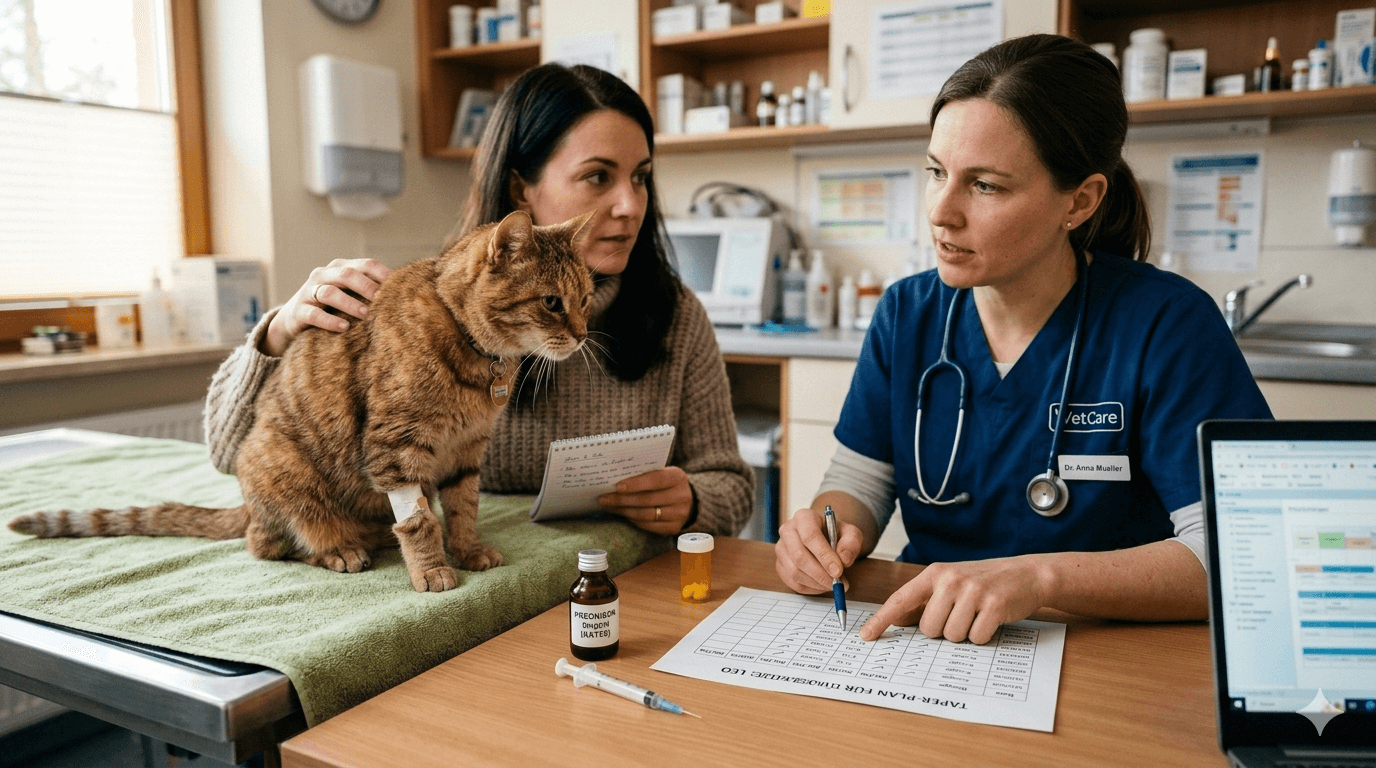
How to Taper Off Prednisone for Cats: Best 7 Expert Tips! – Safely reduce prednisone with vet guidance. Learn now!
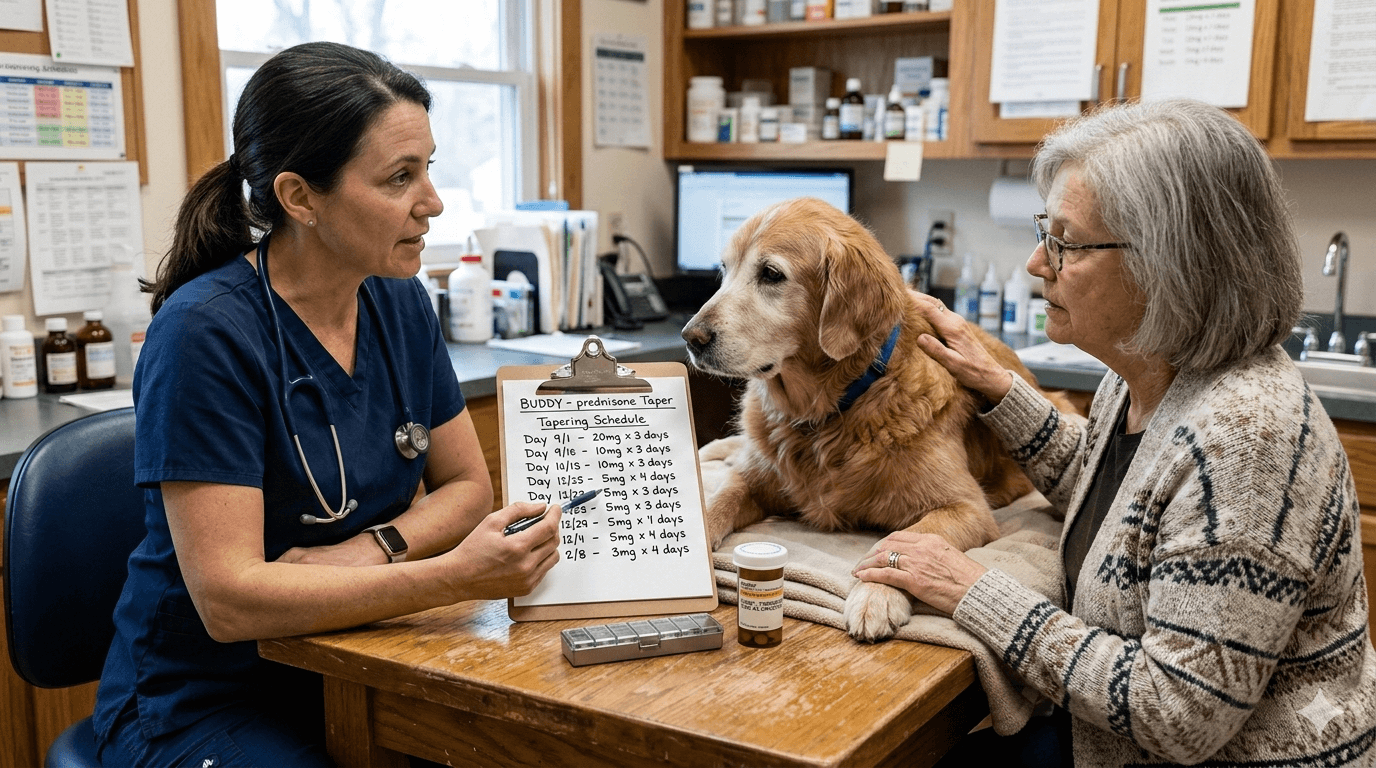
How to Taper Off Prednisone Schedule for Dogs: Best 7 Tips! – Learn the safe way to reduce prednisone, recognize withdrawal signs, and keep your dog healthy during the process.
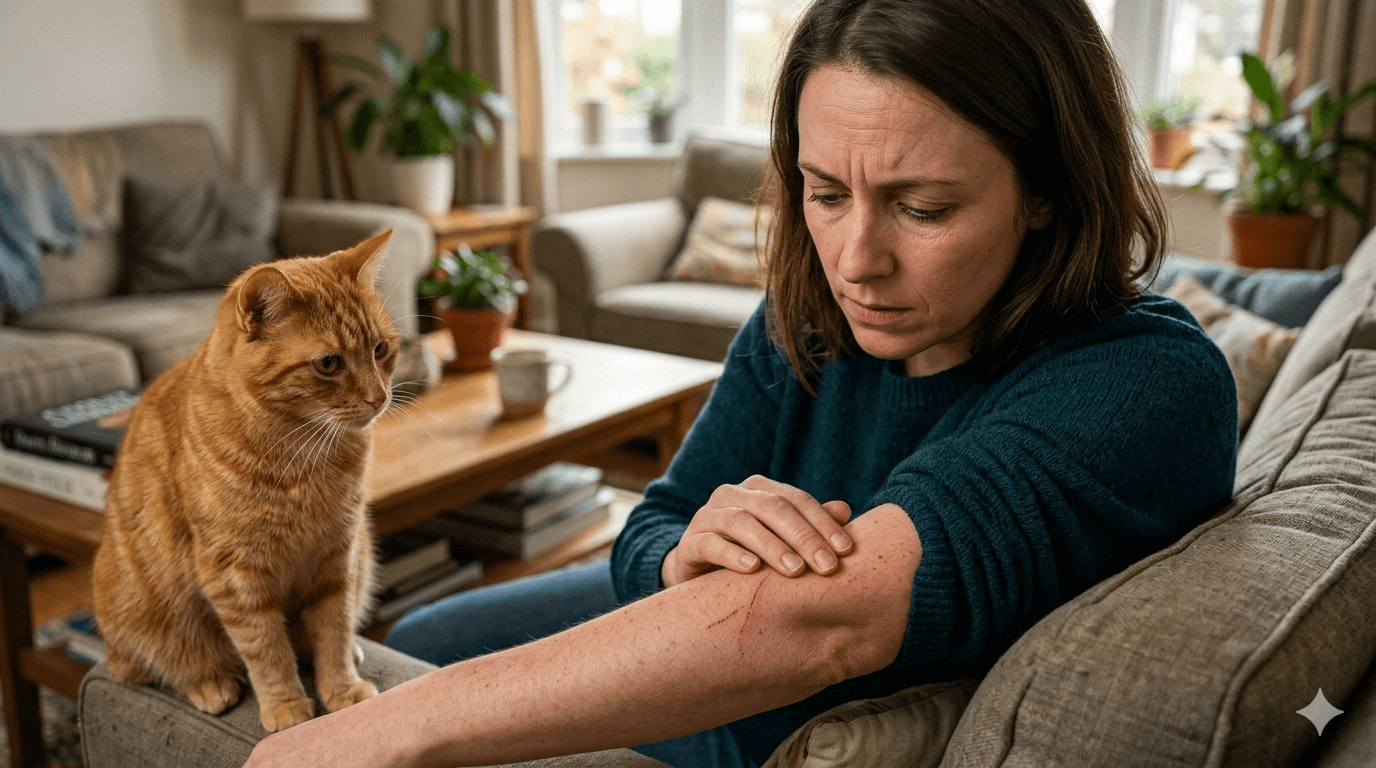
Can a Cat Scratch Give You Rabies? Best 7 Expert Tips! – Learn how rabies spreads, assess risks from cat scratches, and know when to seek medical help. Stay safe!

Can a Dog Scratch Give You Rabies? Best 7 Expert Tips! – Learn the risks, symptoms, and steps to take if scratched by a dog. Stay informed and protect yourself from rabies exposure.