
Understanding Bacteria in Cat Poop
Discovering unusual odors, textures, or colors in your cat’s litter box can raise red flags—especially when you suspect harmful bacteria. While some gut bacteria are normal and even beneficial, certain types in cat feces may signal infection, dietary issues, or zoonotic risks. Understanding what’s typical versus what warrants concern helps you protect both your feline friend and your household. With the right knowledge, you can interpret litter box clues and act proactively. After all, your cat’s poop isn’t just waste—it’s a window into their internal health.
Common Types of Bacteria Found in Feline Feces
A healthy cat’s digestive tract hosts a complex microbiome, including both helpful and potentially harmful bacteria. While routine stool often contains benign microbes, imbalances or pathogens can alter stool quality and pose health risks. Here’s what commonly appears—and what it might mean:
- Escherichia coli (E. coli):
This bacterium is normally present in small amounts but can overgrow due to stress, poor diet, or antibiotic use, leading to diarrhea or inflammation. - Clostridium perfringens:
Often linked to sudden-onset diarrhea, this spore-forming bacterium thrives when gut flora is disrupted and may cause foul-smelling, mucoid stools. - Salmonella spp.:
Though less common in healthy indoor cats, Salmonella can be shed asymptomatically—especially in raw-fed or outdoor cats—posing serious zoonotic risks. - Campylobacter jejuni:
A frequent cause of infectious diarrhea in cats, this bacterium spreads easily through contaminated water, raw meat, or contact with infected animals. - Bacteroides and Lactobacillus:
These are typically “good” bacteria that aid digestion; their presence in normal amounts supports gut health and immune function.
While not all bacteria indicate disease, persistent changes in stool—especially with vomiting, lethargy, or weight loss—deserve veterinary evaluation.
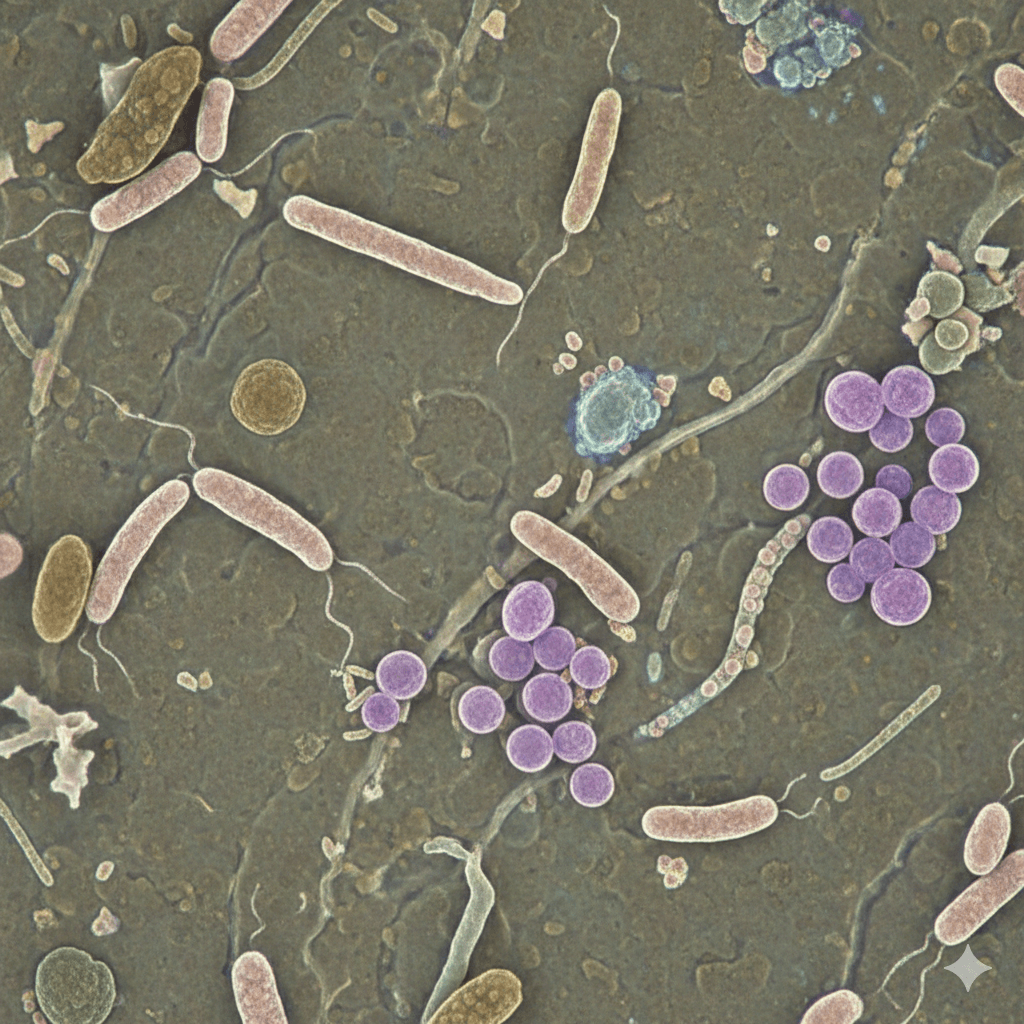
Potential Health Risks for Cats and Humans
Bacteria in cat poop aren’t just a feline concern—they can affect human health, too, especially in vulnerable individuals. Zoonotic transmission is rare but possible through improper litter handling or poor hygiene. Recognizing these dual risks empowers safer pet ownership:
- Gastrointestinal Illness in Cats:
Pathogenic bacteria can trigger vomiting, chronic diarrhea, dehydration, or even systemic infection in immunocompromised cats. - Risk to Pregnant Individuals:
While Toxoplasma is the better-known threat, certain bacteria like Listeria or Salmonella in feces may also pose complications during pregnancy. - Children and Elderly Vulnerability:
Young children and older adults have weaker immune defenses, making them more susceptible to infections from contaminated litter or surfaces. - Antibiotic-Resistant Strains:
Overuse of antibiotics in pets can foster resistant bacteria (like MRSA or ESBL E. coli), which may persist in the home environment. - Cross-Contamination in Multi-Pet Homes:
Bacteria can spread between pets via shared litter boxes, food bowls, or grooming, especially in crowded or unsanitary conditions.
Maintaining strict hygiene and routine vet checks minimizes these risks for everyone in the household.
Check this guide 👉Are Worms in Cat Poop Contagious? Best 7 Expert Tips!
Check this guide 👉Hookworms in Cat Poop: Best 7 Expert Tips!
Check this guide 👉Roundworm Eggs in Cat Poop: Best 7 Expert Tips!
Beneficial Gut Bacteria | Potentially Harmful Bacteria |
|---|---|
Lactobacillus – supports digestion and immunity | Salmonella – causes fever, diarrhea, vomiting |
Bifidobacterium – helps nutrient absorption | Campylobacter – leads to watery or bloody stool |
Enterococcus – maintains gut balance | Clostridium perfringens – produces foul-smelling diarrhea |
Bacteroides – aids fiber fermentation | E. coli (pathogenic strains) – triggers colitis or sepsis |
Faecalibacterium – reduces gut inflammation | Yersinia – rarely causes illness but possible in raw-fed cats |
How to Identify Abnormal Bacteria-Related Stool
You don’t need a microscope to spot warning signs—your cat’s poop often tells a clear story. Changes in consistency, smell, color, or frequency can hint at bacterial overgrowth or infection. Trust your senses and your intuition:
- Foul, Rotten Odor:
While cat poop is never fragrant, an unusually putrid or sulfur-like smell may indicate bacterial fermentation or infection. - Mucus or Blood in Stool:
Slimy coatings or streaks of red suggest intestinal inflammation, possibly from pathogens like Clostridium or Campylobacter. - Watery or Explosive Diarrhea:
Frequent, liquid stools lasting more than 24–48 hours often point to bacterial enteritis rather than simple dietary upset. - Greasy or Pale Stools:
These may signal malabsorption, sometimes linked to bacterial imbalances disrupting fat digestion. - Undigested Food or Mucus Strings:
While occasional, consistent presence alongside diarrhea can reflect poor gut motility or dysbiosis.
If these signs persist beyond a day or two—or if your cat seems unwell—it’s time for a fecal test and vet consultation.
Diagnostic Testing and Veterinary Evaluation
If bacterial infection is suspected, your vet will likely recommend diagnostic steps to confirm the cause and guide treatment. Early testing prevents chronic issues and unnecessary medication:
- Fecal Culture and Sensitivity:
This lab test identifies specific bacteria and determines which antibiotics will effectively treat them. - PCR Stool Panels:
Advanced molecular tests detect bacterial DNA (alongside viruses and parasites) with high accuracy, even in low quantities. - Fecal Smear and Gram Stain:
A quick in-clinic method to assess bacterial load and morphology under the microscope. - Complete Blood Count (CBC):
Helps determine if infection has become systemic by checking white blood cell levels and inflammation markers. - Repeat Testing if Needed:
Some bacteria shed intermittently, so a negative test doesn’t always rule out infection—especially in chronic cases.
Accurate diagnosis ensures targeted therapy without overusing antibiotics, which can worsen gut imbalances.
Safe Litter Box Hygiene Practices
Preventing bacterial spread starts with smart litter box management. Consistent cleaning routines protect both your cat and your family from potential exposure:
- Scoop Daily, Disinfect Weekly:
Remove waste daily and wash the box weekly with hot water and pet-safe disinfectant (avoid bleach near cats). - Use Gloves and Wash Hands Thoroughly:
Always wear disposable gloves when handling litter, and wash hands with soap for at least 20 seconds afterward. - Avoid Litter Boxes in High-Traffic Areas:
Place boxes in quiet, low-traffic zones to reduce stress and contamination risk in shared living spaces. - Use Clumping or Antimicrobial Litters Cautiously:
Some litters claim antibacterial properties, but their long-term impact on the microbiome is unclear—stick to vet-recommended options. - Never Flush Cat Feces:
Flushing spreads bacteria into water systems and risks environmental contamination—dispose of waste in sealed bags.
These habits significantly reduce the chance of bacterial buildup and cross-species transmission.
When to Seek Veterinary Care
Not every stool change means infection—but some signs demand prompt professional attention. Trust your instincts if your cat seems “off” or symptoms escalate:
- Diarrhea Lasting More Than 48 Hours:
Prolonged loose stool can lead to dehydration and electrolyte imbalance, especially in kittens or seniors. - Visible Blood or Black, Tarry Stool:
This may indicate upper GI bleeding or severe colitis requiring immediate intervention. - Lethargy, Fever, or Vomiting:
Systemic symptoms suggest the infection has spread beyond the gut. - Weight Loss or Poor Coat Condition:
Chronic bacterial issues can impair nutrient absorption, leading to gradual decline. - Recent Raw Diet or Outdoor Exposure:
Cats eating raw meat or hunting are at higher risk for Salmonella, E. coli, and other pathogens—monitor closely.
When in doubt, a single vet visit can provide clarity, peace of mind, and a faster path to recovery.
Preventing Bacterial Imbalances in Your Cat’s Gut
Supporting a healthy microbiome is the best defense against harmful bacterial overgrowth. Prevention focuses on diet, environment, and routine wellness:
- Feed High-Quality, Species-Appropriate Food:
Avoid frequent diet changes and choose foods with prebiotics or probiotics to support gut flora balance. - Limit Raw or Uncooked Diets:
Raw meat and unpasteurized dairy carry higher bacterial risks—opt for commercially prepared or cooked diets if concerned. - Use Probiotic Supplements Wisely:
Under veterinary guidance, probiotics like Enterococcus faecium can help restore normal flora after illness or antibiotics. - Reduce Stress in the Home:
Stress alters gut motility and bacterial composition—provide enrichment, hiding spots, and predictable routines. - Keep Outdoor Access Controlled:
Limit hunting and scavenging to reduce exposure to wildlife-borne bacteria and parasites.
A thriving gut microbiome is one of your cat’s strongest allies against infection and digestive upset.
“Cats can carry many germs in their poop. To stay healthy, take precautions when cleaning a cat’s litter box. Change litter boxes daily.” – Centers for Disease Control and Prevention
Frequently Asked Questions About Bacteria in Cat Poop
Can bacteria in cat poop make humans sick?
Yes—though rare, bacteria like Salmonella or Campylobacter can transmit to humans through poor hygiene, especially in vulnerable individuals.
Is all bacteria in cat stool harmful?
No—most gut bacteria are essential for digestion and immunity. Problems arise only when harmful types overgrow or beneficial ones decline.
Should I test my healthy cat’s poop regularly?
Routine testing isn’t needed for asymptomatic indoor cats, but it’s wise after diet changes, travel, or if new pets join the household.
Can antibiotics cause more bacteria problems?
Yes—antibiotics can wipe out good bacteria along with bad, leading to diarrhea or Clostridium overgrowth. Always follow vet instructions.
How quickly do bacterial infections show symptoms?
Signs can appear within 12–72 hours of exposure, depending on the bacteria and your cat’s immune status.
Keeping Your Cat—and Your Home—Safe and Healthy
Your cat’s litter box holds more than waste—it holds clues to their inner world. By learning to read those signs and respond with care, you become an even better guardian. Bacteria in cat poop isn’t something to fear, but to understand. With smart hygiene, attentive observation, and timely vet care, you can ensure your feline companion maintains a balanced, resilient gut for years to come. And in doing so, you protect not just your pet, but everyone who shares your home. Because in the quiet routine of scooping and observing, you’re practicing a deep, daily act of love—one that keeps tails wagging (or purring) and homes truly healthy.

Is Rawhide Bad for Cats? Best 7 Expert Tips! – Discover the risks, safe alternatives, and expert advice to keep your feline friend healthy and happy.

Is Rawhide Bad for Dogs? Best 7 Expert Tips! – Discover the risks, benefits, and safer alternatives to rawhides for your dog’s chewing needs.

Understanding Anorexia in Cats: Best 7 Expert Tips! – Learn why cats stop eating, spot warning signs, and discover how to help your feline regain appetite safely.

Understanding Anorexia in Dogs: Best 7 Expert Tips! – Learn causes, symptoms, and solutions to help your dog regain appetite and stay healthy.