
Understanding the Australian Wiener Dog: A Unique Dachshund Variation
Origins and History of the Australian Wiener Dog
- Dachshund Roots:
Originating from Germany, Dachshunds were bred to hunt badgers, thanks to their short legs and elongated bodies. These traits allowed them to navigate underground tunnels effectively. - Introduction to Australia:
Dachshunds arrived in Australia during the late 19th century, where they adapted to warmer climates and open spaces. This adaptation led to slight variations in size and temperament compared to their European counterparts. - Crossbreeding for Adaptation:
To enhance resilience, some Australian breeders introduced elements of local terriers or hounds, creating a hardier dog better suited to rural lifestyles. - Cultural Influence:
The Australian Wiener Dog became a symbol of versatility, serving as both a companion animal and a working dog on farms, excelling in pest control and guarding properties. - Modern Recognition:
While not yet classified by major kennel clubs, enthusiasts celebrate the Australian Wiener Dog for its unique qualities, including heightened energy levels and an affectionate nature.
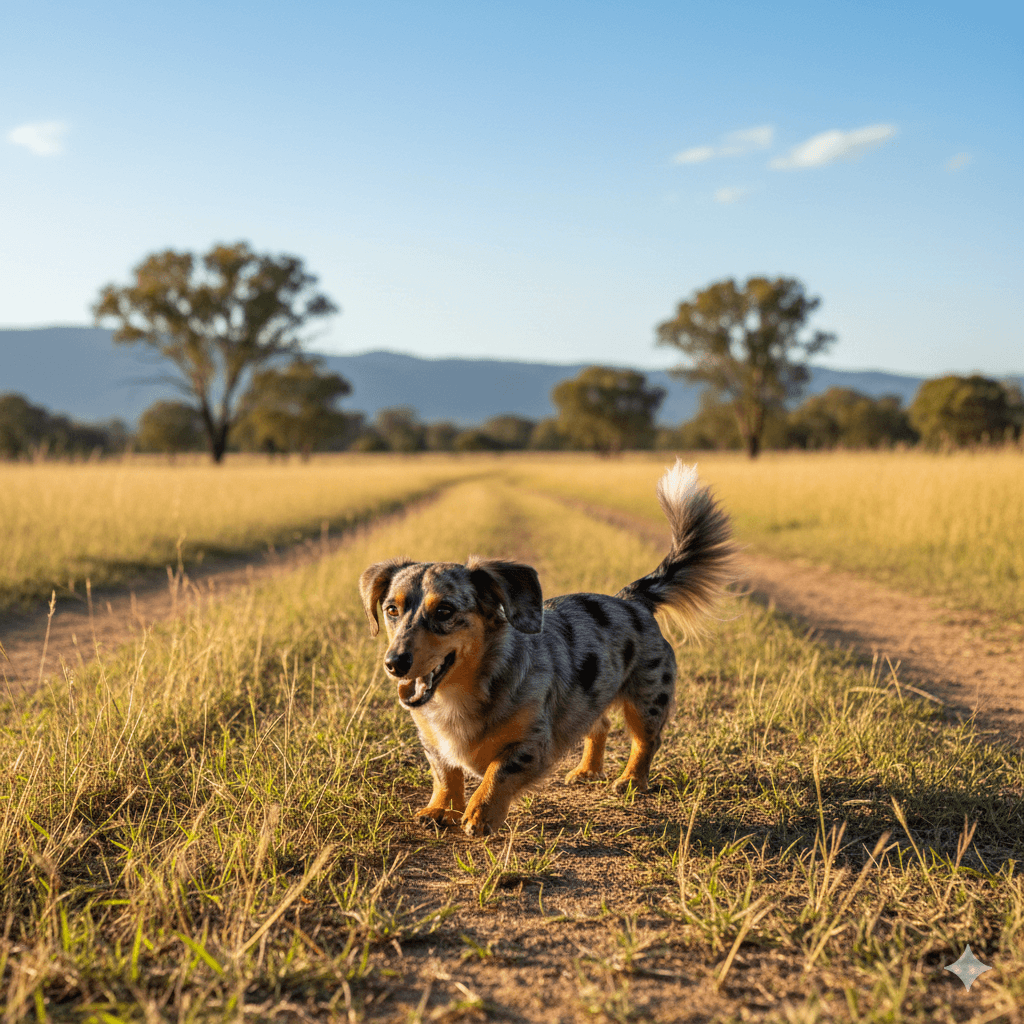
Distinctive Physical Traits of the Australian Wiener Dog
- Elongated Body Structure:
Like all Dachshunds, the Australian Wiener Dog has a long torso supported by short legs, ideal for burrowing but requiring careful handling to avoid back injuries. - Coat Variations:
They come in three coat types—smooth, wirehaired, and longhaired—each offering different benefits. Wirehaired coats are particularly valued in Australia for their weather-resistant properties. - Color Patterns:
Common colors include red, black-and-tan, chocolate, and dapple, with patterns often influenced by breeding practices aimed at enhancing camouflage abilities. - Height and Weight Range:
Typically weighing between 10–20 pounds and standing about 8–10 inches tall, these dogs maintain a compact size perfect for small homes or apartments. - Facial Expressions:
Their expressive eyes and alert ears reflect intelligence and curiosity, making them endearing companions capable of forming strong emotional bonds.
Check this guide 👉How Long Does a Wiener Dog Live? Best 7 Health Tips!
Check this guide 👉How Much Does a Wiener Dog Cost? Best 7 Expert Tips!
Check this guide 👉Wiener Dog Chihuahua Mix: Best 7 Expert Tips!
| Key Characteristics | Care Tips |
|---|---|
| Elongated body with short legs | Avoid activities that strain the back, like jumping from heights |
| Three coat types: smooth, wirehaired, longhaired | Brush weekly; hand-strip wirehaired coats every few months |
| Highly intelligent and trainable | Use positive reinforcement and keep training sessions short |
| Prone to Intervertebral Disc Disease (IVDD) | Ensure proper weight management and avoid rough play |
| Social and affectionate personality | Spend quality time daily to strengthen your bond |
Temperament and Personality Highlights
- Playful Nature:
Known for their boundless enthusiasm, these dogs love interactive games like fetch or agility training, which help burn off excess energy. - Intelligence and Trainability:
Highly intelligent, they excel at learning commands and tricks, though their independent streak may require patient, consistent training methods. - Protective Instincts:
Despite their small size, Australian Wiener Dogs exhibit strong protective instincts, often alerting owners to strangers or unusual noises around the home. - Affectionate Companionship:
They thrive on human interaction and enjoy cuddling, forming deep attachments to their families and often following them throughout the house. - Compatibility with Kids and Pets:
Generally good with children and other pets, they do best when socialized early to minimize territorial behavior or possessiveness over toys.
Common Health Concerns in Australian Wiener Dogs
- Intervertebral Disc Disease (IVDD):
Their elongated spine makes them susceptible to disc herniation, leading to pain, mobility issues, or paralysis if untreated. - Obesity Risks:
Excess weight exacerbates spinal problems; maintaining a healthy diet and exercise routine is crucial for longevity. - Dental Issues:
Small jaws increase the risk of overcrowded teeth, leading to periodontal disease without regular dental cleanings. - Ear Infections:
Long, droopy ears trap moisture and debris, requiring weekly checks and cleaning to prevent infections. - Genetic Predispositions:
Conditions like epilepsy, diabetes, or eye disorders can occur due to inherited factors, emphasizing the importance of responsible breeding practices.
Exercise and Activity Needs of the Australian Wiener Dog
- Daily Walks:
At least 30–45 minutes of walking per day satisfies their need for exploration and mental stimulation. - Interactive Playtime:
Games like tug-of-war, hide-and-seek, or puzzle toys engage their minds and strengthen the bond between owner and pet. - Agility Training:
Their low center of gravity and quick reflexes make them naturals for agility courses, providing both fun and fitness. - Supervised Outdoor Time:
Yard play should always be monitored to prevent digging or attempts to escape under fences. - Mental Enrichment:
Training sessions and scent work activities tap into their hunting instincts, keeping them mentally sharp and content.
Grooming Requirements for Your Australian Wiener Dog
- Smooth Coats:
Require minimal brushing once a week to remove loose hair and distribute natural oils across the skin. - Wirehaired Coats:
Need hand-stripping every few months to maintain texture and reduce shedding, alongside regular brushing to prevent matting. - Longhaired Coats:
Benefit from daily brushing to prevent tangles and keep the luxurious coat shiny and free-flowing. - Bathing Frequency:
Bathe no more than once a month using gentle shampoos to avoid stripping essential oils from their skin. - Nail Trimming and Ear Care:
Regular nail trims and ear cleanings prevent discomfort and reduce risks of injury or infection.
Training Tips for Raising an Obedient Australian Wiener Dog
- Positive Reinforcement:
Reward-based methods using treats, praise, or toys motivate them to learn quickly and build confidence. - Short Training Sessions:
Keep lessons brief (5–10 minutes) to match their attention span and maximize focus during each session. - Socialization Early On:
Expose them to new people, animals, and environments as puppies to foster confidence and reduce fear-based reactions later in life. - Leash Training Essentials:
Teach leash manners early to manage their tendency to pull or chase after scents during walks. - Patience with Stubborn Streaks:
Acknowledge their independent nature and remain calm when progress seems slow; persistence pays off in the long run.
“Aussie Doxies are intelligent and can easily participate in organized dog events such as obedience or doggy dancing. They need a home where they are stimulated with games and puzzles, such as Kongs or puzzle feeders to keep their minds active.” – Husnain Ali
Frequently Asked Questions About Australian Wiener Dogs
What is the difference between an Australian Wiener Dog and a standard Dachshund?
Are Australian Wiener Dogs good for first-time pet owners?
How much exercise does an Australian Wiener Dog need daily?
They thrive on at least 30–45 minutes of structured exercise, including walks, playtime, and mental enrichment activities like puzzle toys or scent games.
Do Australian Wiener Dogs get along with other pets?
Generally, yes—early socialization helps them coexist peacefully with cats, dogs, and even smaller animals, though supervision is recommended during introductions.
What are the grooming needs for wirehaired Australian Wiener Dogs?
Wirehaired coats require hand-stripping every few months and weekly brushing to maintain texture and reduce shedding, alongside regular ear cleaning and nail trims.
A Loyal Companion for Every Adventure

Is Rawhide Bad for Cats? Best 7 Expert Tips! – Discover the risks, safe alternatives, and expert advice to keep your feline friend healthy and happy.

Is Rawhide Bad for Dogs? Best 7 Expert Tips! – Discover the risks, benefits, and safer alternatives to rawhides for your dog’s chewing needs.

Understanding Anorexia in Cats: Best 7 Expert Tips! – Learn why cats stop eating, spot warning signs, and discover how to help your feline regain appetite safely.

Understanding Anorexia in Dogs: Best 7 Expert Tips! – Learn causes, symptoms, and solutions to help your dog regain appetite and stay healthy.