
Understanding the Australian Shepherd Dog Temperament
Key Traits of the Australian Shepherd Temperament
- Highly Intelligent:
Australian Shepherds are ranked among the smartest dog breeds, capable of learning commands in fewer than five repetitions. This intelligence makes them eager learners but also means they require consistent mental stimulation to prevent boredom. Without adequate challenges, they may develop destructive behaviors like chewing or digging. - Energetic and Playful:
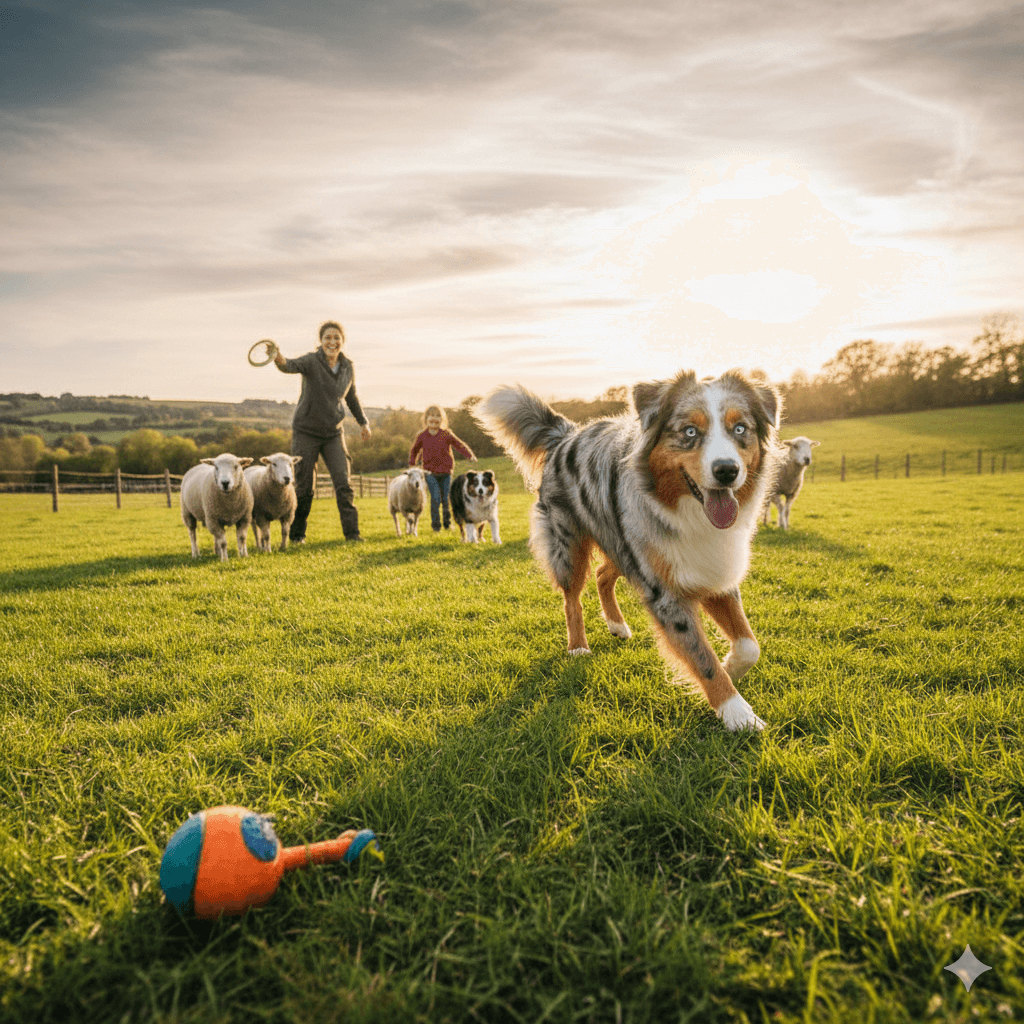
These dogs were bred for herding livestock, so they possess boundless energy and stamina. A daily routine of vigorous exercise—such as running, hiking, or playing fetch—is essential to keep them physically and mentally satisfied. Owners often describe their playful nature as infectious, bringing joy to any active household. - Loyal and Protective:
Australian Shepherds form deep bonds with their families and are naturally protective of their loved ones. While not overly aggressive, they will alert you to strangers or unusual activity, making them excellent watchdogs. Their loyalty ensures they stay close to their owners, often following them around the house. - Versatile Working Dogs:
Originally bred for herding, Australian Shepherds excel in agility trials, obedience competitions, and search-and-rescue missions. Their adaptability allows them to transition seamlessly between work and play, whether on a farm or in suburban settings. This versatility stems from their innate drive to please and perform tasks efficiently. - Reserved with Strangers:
While friendly with family members, Australian Shephersts can be cautious or reserved around unfamiliar people. Early socialization is crucial to ensure they remain confident and well-mannered in diverse situations. Proper exposure prevents shyness or overprotectiveness as adults.
Energy Levels and Exercise Needs of Australian Shepherds
- Daily Physical Activity Requirements:
Australian Shepherds need at least 1–2 hours of intense exercise daily, including activities like running, swimming, or agility training. Short walks alone won’t suffice; they crave sustained physical engagement to channel their natural athleticism effectively. - Mental Stimulation Through Games:
Interactive toys, puzzle feeders, and training sessions provide much-needed mental challenges. Teaching new tricks or practicing advanced obedience commands keeps their sharp minds engaged and prevents boredom-related problems. - Herding Instincts and Outlets:
Their herding instincts mean they may try to “herd” children, pets, or even moving objects like cars if not redirected. Providing structured outlets—such as participating in herding trials—helps manage this instinct constructively. - Indoor vs. Outdoor Energy Management:
While outdoor activities are vital, indoor enrichment like tug-of-war or hide-and-seek games supplements their routine during inclement weather. Balancing both ensures they stay happy and healthy year-round. - Signs of Insufficient Exercise:
Without enough physical and mental stimulation, Australian Shepherds may exhibit destructive behaviors such as excessive barking, chewing furniture, or attempting escapes. Addressing these signs promptly prevents escalation into more serious issues.
Check this guide 👉Dachshund Australian Shepherd Mix: Best 7 Expert Tips!
Check this guide 👉Blue Heeler vs Australian Cattle Dog: Best 7 Expert Tips!
Check this guide 👉Australian Shepherd Corgi Mix: Best 7 Expert Tips!
Key Traits of Australian Shepherds | Challenges to Consider |
|---|---|
Highly intelligent and eager to learn | Prone to separation anxiety if left alone too long |
Energetic and athletic, perfect for active owners | Can develop destructive behaviors without enough exercise |
Loyal and protective, forming strong bonds with families | May herd children, pets, or vehicles due to instinct |
Adaptable to various roles (family pet, working dog) | Requires consistent training and socialization |
Playful and affectionate with loved ones | Sensitive to loud noises, which may trigger fear responses |
Socialization Needs for a Well-Balanced Temperament
- Early Puppy Socialization:
Introducing puppies to different sights, sounds, and experiences before 16 weeks of age builds confidence and reduces fearfulness later in life. Safe interactions with friendly humans and other animals lay the foundation for positive associations. - Exposure to Diverse Environments:
Taking your Australian Shepherd to parks, busy streets, or pet-friendly stores familiarizes them with urban stimuli. Gradual introductions help them adapt comfortably without becoming overwhelmed. - Handling Children and Pets:
Teaching young children how to interact respectfully with Australian Shepherds—and vice versa—ensures peaceful coexistence. Supervised playtime minimizes misunderstandings and strengthens bonds. - Managing Herding Behavior Around Others:
Socializing with non-canine animals teaches them appropriate boundaries, preventing unwanted herding attempts. Consistent correction reinforces polite behavior in mixed-species households. - Ongoing Socialization Throughout Life:
Even adult Australian Shepherds benefit from continued exposure to new experiences. Regular outings and group activities maintain their sociable nature and prevent regression into aloofness.
Trainability and Intelligence of Australian Shepherds
- Fast Learners with Strong Recall:
These dogs respond rapidly to commands and retain information exceptionally well. Positive reinforcement techniques—like treats, praise, or toys—motivate them to perform enthusiastically. - Challenges with Stubbornness:
Despite their brilliance, Australian Shepherds occasionally display stubborn streaks. Clear communication and firm yet gentle guidance overcome resistance while maintaining trust. - Advanced Training Opportunities:
Once basic obedience is mastered, they excel in advanced disciplines like agility, flyball, or scent work. These activities satisfy their need for variety and accomplishment. - Consistency Is Key:
Inconsistent rules or commands confuse these perceptive dogs. Establishing clear expectations and sticking to them fosters cooperation and mutual respect. - Avoiding Overtraining Pitfalls:
Too much repetition bores them, leading to disinterest or avoidance. Keeping sessions short, fun, and varied sustains their focus and enthusiasm.
Potential Behavioral Challenges of Australian Shepherds
- Separation Anxiety Tendencies:
Their strong attachment to family members makes them prone to separation anxiety. Symptoms include whining, pacing, or destructive behaviors when left alone. Crate training and gradual departures alleviate distress. - Prey Drive and Chase Instincts:
A heightened prey drive compels them to chase small animals, cyclists, or joggers. Secure fencing and leash control prevent dangerous pursuits outside controlled environments. - Noise Sensitivity Issues:
Many Australian Shepherds are sensitive to loud noises like thunderstorms or fireworks, reacting with fear or panic. Desensitization exercises and calming aids ease their discomfort over time. - Territorial Guarding Behaviors:
Their protective instincts sometimes manifest as territorial aggression toward unfamiliar visitors. Controlled introductions and obedience training mitigate unwelcome reactions. - Barking Tendencies:
Prone to vocalizing, especially when bored or excited, Australian Shepherds may bark excessively without proper outlets. Teaching a “quiet” command and providing enrichment curbs unnecessary noise.
Compatibility with Families and Other Pets
- Ideal Homes for Active Families:
Their energetic nature suits families who enjoy outdoor adventures, ensuring mutual satisfaction. Sedentary households struggle to meet their needs, leading to frustration on both sides. - Bonding with Children:
When raised together, Australian Shepherds adore kids and participate eagerly in games or playtime. Teaching children respectful handling prevents accidental injuries due to exuberant behavior. - Coexisting with Cats and Small Animals:
Early introductions and supervision foster peaceful relationships. Their herding instincts might tempt them to chase smaller pets, so consistent training reinforces boundaries. - Living in Apartments or Urban Settings:
Though traditionally farm dogs, Australian Shepherds adapt well to apartment living if given sufficient exercise and mental stimulation. Frequent outings compensate for limited space. - Multi-Dog Households:
They typically get along with other dogs, particularly those sharing similar energy levels. Structured playdates and supervised interactions prevent conflicts.
Lifelong Care Tips for Maintaining Temperament Health
- Balanced Nutrition for Optimal Health:
A diet rich in protein, vitamins, and minerals supports their active lifestyle and promotes longevity. Avoid overfeeding to prevent obesity-related complications. - Routine Veterinary Check-Ups:
Regular vet visits detect early signs of health issues like hip dysplasia or epilepsy, common in the breed. Preventative care ensures timely interventions. - Mental Health Monitoring:
Watch for signs of stress, anxiety, or depression, which can arise from insufficient exercise or lack of stimulation. Addressing these promptly preserves their cheerful demeanor. - Grooming Needs for Coat Maintenance:
Their thick double coat requires regular brushing to prevent matting and reduce shedding. Bathing every few months keeps their fur clean and healthy. - Adapting Care as They Age:
Senior Australian Shepherds slow down physically and mentally, requiring adjustments in exercise routines and cognitive enrichment. Tailoring care ensures comfort in their golden years.
“Australian Shepherds are highly intelligent, energetic, and loyal dogs with a natural drive to work; they are typically friendly but can be somewhat reserved and cautious around strangers, requiring early socialization and consistent mental stimulation to thrive.” — Kathleen Cole
Frequently Asked Questions About Australian Shepherd Temperament
Are Australian Shepherds good with kids?
Do Australian Shepherds bark a lot?
They can be vocal, especially if bored or under-stimulated. Training and providing adequate exercise help minimize excessive barking.
Are Australian Shepherds aggressive?
How much exercise do Australian Shepherds need daily?
They require at least 1–2 hours of vigorous exercise daily, including activities like running, hiking, or playing fetch. Mental stimulation is equally important.
Can Australian Shepherds live in apartments?
A Lifelong Companion Worth the Effort

Is Rawhide Bad for Cats? Best 7 Expert Tips! – Discover the risks, safe alternatives, and expert advice to keep your feline friend healthy and happy.

Is Rawhide Bad for Dogs? Best 7 Expert Tips! – Discover the risks, benefits, and safer alternatives to rawhides for your dog’s chewing needs.

Understanding Anorexia in Cats: Best 7 Expert Tips! – Learn why cats stop eating, spot warning signs, and discover how to help your feline regain appetite safely.

Understanding Anorexia in Dogs: Best 7 Expert Tips! – Learn causes, symptoms, and solutions to help your dog regain appetite and stay healthy.