
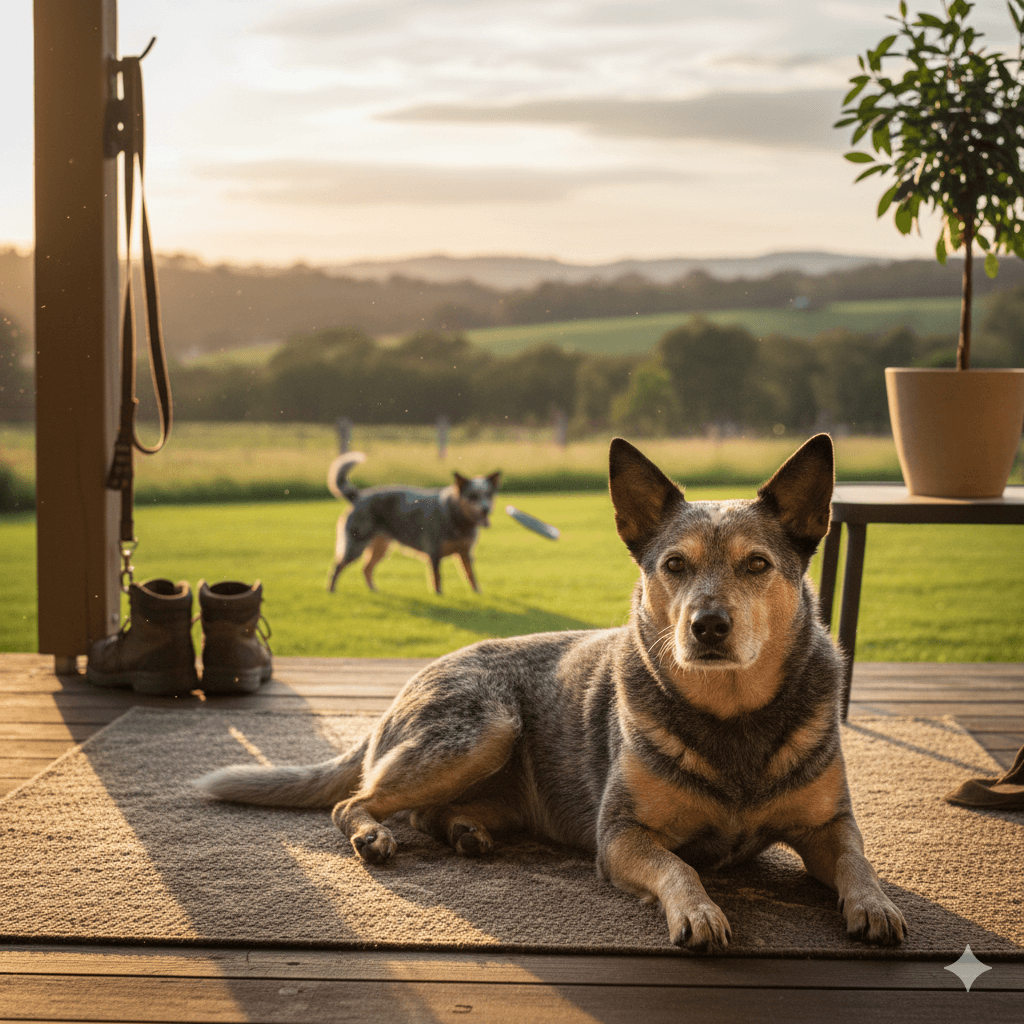

Australian Cattle Dog Life Expectancy: Best 7 Expert Tips!
The Australian Cattle Dog is a robust, intelligent, and high-energy working breed known for its loyalty, endurance, and striking blue or red speckled coat. Originally developed to herd livestock across vast Australian ranges, this breed thrives on purpose and activity. One of its most impressive traits is its longevity—many Australian Cattle Dogs live well beyond the average lifespan for medium-sized dogs. Understanding the factors that influence their life expectancy helps owners maximize not just years, but quality of life. With the right care, this resilient breed can remain agile, alert, and deeply engaged well into its senior years.
Origins and Working Legacy of the Australian Cattle Dog
The Australian Cattle Dog’s remarkable stamina and lifespan are rooted in its history as a purpose-bred working animal. Developed in the 19th century by crossing native Dingoes with collies and other herding breeds, every trait was selected for function—not just form. This working heritage continues to shape the breed’s health, behavior, and longevity today:
- Dingo Ancestry for Resilience:
The infusion of Dingo blood contributed to a lean, hardy constitution and natural disease resistance that supports long life. - Bred for Endurance, Not Fragility:
Unlike many modern purebreds, the Australian Cattle Dog was never refined for aesthetics alone—its genetics favor strength and durability. - Low Inbreeding in Early Development:
Diverse genetic input during its creation helped avoid the concentration of harmful recessive genes seen in other breeds. - High Activity Levels as a Protective Factor:
Natural exercise from herding helped maintain cardiovascular and joint health—benefits that still apply with proper modern routines. - Strong Survival Instincts:
Their sharp awareness and agility helped avoid injury in rugged terrain, traits that support safer, healthier lives even as pets.
This functional foundation gives the Australian Cattle Dog a biological edge—but proactive care is still essential to reach its full lifespan potential.
Typical Life Expectancy Range and Influencing Factors
While many dogs live 10–13 years, the Australian Cattle Dog consistently exceeds this average. Verified records, including the famous “Bluey” who lived to 29 years, highlight the breed’s extraordinary potential—but most fall within a realistic, healthy range:
- Average Lifespan:
Most Australian Cattle Dogs live 13 to 15 years, with many reaching 16 or 17 with excellent care. - Genetics and Lineage:
Dogs from health-tested, working lines often outlive those from casual or backyard breeders due to superior genetic screening. - Diet and Weight Management:
Maintaining lean body condition prevents obesity-related diseases like diabetes, arthritis, and heart strain. - Mental and Physical Engagement:
Boredom and inactivity accelerate cognitive decline; working breeds thrive with daily challenges and movement. - Preventive Veterinary Care:
Early detection of breed-specific issues like hip dysplasia or progressive retinal atrophy can extend both life and comfort.
With attention to these factors, your Australian Cattle Dog isn’t just living longer—they’re living better, sharper, and more joyfully.
Check this guide 👉Australian Cattle Dog Colors: Best 7 Expert Tips!
Check this guide 👉Doberman Cattle Dog Mix: Best 7 Expert Tips!
Check this guide 👉Chihuahua Cattle Dog Mix: Best 7 Expert Tips!
Longevity Strengths | Key Risks to Monitor |
|---|---|
Naturally robust constitution | Hip and elbow dysplasia |
Low incidence of many cancers | Progressive retinal atrophy (PRA) |
High baseline fitness level | Deafness (especially in white-coated dogs) |
Strong immune response | Obesity from under-exercising |
Slow aging compared to peers | Dental disease from inadequate oral care |
Common Health Conditions That May Impact Lifespan
Despite their hardiness, Australian Cattle Dogs are not immune to inherited or age-related conditions. Awareness and early intervention can prevent minor issues from shortening their years:
- Hip and Elbow Dysplasia:
Joint malformations can cause pain and mobility loss, but proper nutrition, weight control, and joint supplements help manage progression. - Progressive Retinal Atrophy (PRA):
This genetic eye disease leads to gradual vision loss; DNA testing of breeding stock has significantly reduced its prevalence. - Hereditary Deafness:
Linked to the merle or excessive white coat genes, hearing loss can be unilateral or bilateral—BAER testing identifies it early. - Osteochondrosis Dissecans (OCD):
A joint cartilage disorder affecting young, fast-growing dogs; controlled exercise and balanced puppy diets reduce risk. - Dental Disease:
Like many medium breeds, they’re prone to tartar buildup; daily brushing prevents infections that can affect heart and kidney health.
Regular screenings, responsible breeding, and proactive home care turn these manageable risks into minor footnotes in a long, vibrant life.
Nutrition and Weight Management for Longevity
What you feed your Australian Cattle Dog—and how much—plays a direct role in their aging process. This high-metabolism breed needs nutrient-dense fuel, not empty calories:
- High-Quality Protein Sources:
Choose diets with real meat as the first ingredient to support lean muscle and sustained energy throughout life. - Controlled Calorie Intake:
Even active dogs gain weight if overfed; adjust portions based on age, activity, and body condition—not the bag’s feeding guide alone. - Joint-Supportive Additives:
Glucosamine, chondroitine, and omega-3s in food or supplements protect joints as they age, preserving mobility. - Avoid Excessive Treats:
Training rewards should be small and low-calorie; 10% of daily intake is the safe maximum for extras. - Hydration Is Critical:
Always provide fresh water—dehydration stresses kidneys and can mimic or worsen other health issues.
A lean, well-fueled Australian Cattle Dog ages gracefully, staying agile and mentally sharp far longer than overweight peers.
Exercise, Mental Stimulation, and Emotional Well-Being
This breed doesn’t just need exercise—it needs a job. Without physical and mental outlets, frustration can lead to destructive behavior, anxiety, and even physical decline:
- Daily Physical Activity:
Aim for 60–90 minutes of vigorous exercise: running, hiking, agility, or structured play like fetch or flirt pole sessions. - Problem-Solving Toys and Games:
Puzzle feeders, hide-and-seek, or scent work engage their herding intelligence and prevent cognitive stagnation. - Training as Mental Gym:
Obedience, trick training, or dog sports like treibball provide structure and purpose—key to emotional balance. - Social Interaction:
Regular, positive exposure to people and other dogs supports confidence and reduces stress-related health impacts. - Consistent Routine with Variety:
Predictability reduces anxiety, but novelty keeps their mind active—balance is the secret to lifelong engagement.
A mentally and physically fulfilled Australian Cattle Dog doesn’t just live long—they thrive with purpose at every age.
Senior Care Strategies to Extend Quality Years
As your Australian Cattle Dog enters their golden years (typically around age 10), care shifts toward comfort, monitoring, and adaptation:
- Adjust Exercise Intensity:
Swap long runs for shorter walks, swimming, or gentle hiking to protect aging joints without sacrificing movement. - Senior-Specific Diets:
Transition to formulas with fewer calories but more joint, brain, and kidney support as metabolism slows. - More Frequent Vet Checks:
Biannual wellness exams catch issues like thyroid imbalance, kidney decline, or early arthritis before they escalate. - Comfortable Resting Spaces:
Orthopedic beds, non-slip flooring, and ramps reduce strain and prevent falls on hard surfaces. - Maintain Mental Engagement:
Keep training and games going—just at a slower pace. Cognitive decline slows dramatically with continued stimulation.
Aging doesn’t mean slowing down entirely—it means adapting so your loyal companion remains joyful, comfortable, and connected.
Real-Life Longevity: Lessons from Record-Holding Dogs
The legendary Australian Cattle Dog “Bluey,” who lived to 29 years and 5 months, holds the Guinness World Record for longest-lived dog. While extraordinary, Bluey’s story isn’t pure luck—it reflects the breed’s potential under ideal conditions:
- Lifelong Work Ethic:
Bluey worked with cattle for nearly two decades, staying physically and mentally active well into old age. - Natural, Whole-Food Diet:
Historical accounts suggest Bluey ate fresh, species-appropriate food—never processed kibble or table scraps. - Low-Stress, Purposeful Life:
Working alongside humans provided structure, social bonding, and daily meaning—key pillars of longevity. - Genetic Luck + Care Synergy:
While genetics played a role, consistent care amplified that potential rather than diminishing it through neglect. - Modern Parallels Exist:
Many Australian Cattle Dogs today reach 17–19 years with similar principles: movement, purpose, and preventive care.
Bluey’s legacy reminds us that extreme longevity is rare—but exceptional, vibrant aging is absolutely achievable.
Frequently Asked Questions About Australian Cattle Dog Life Expectancy
How long do Australian Cattle Dogs usually live?
Most live 13–15 years, but 16–17 is common with excellent care—and records show potential beyond 20 years.
Can an Australian Cattle Dog live indoors only?
Yes, but only if given ample daily exercise and mental challenges; without outlets, they become stressed and unhealthy.
Are Australian Cattle Dogs prone to early death?
No—they’re among the longest-lived medium breeds, especially when bred responsibly and kept active.
Does spaying or neutering affect their lifespan?
Some studies suggest it may reduce certain cancers but increase joint issues; discuss timing with your vet based on your dog’s needs.
What’s the #1 thing I can do to help my dog live longer?
Keep them lean, active, and mentally engaged—obesity and boredom are the biggest silent threats to longevity.
Celebrating Every Year With Your Hardy, Loyal Companion
The Australian Cattle Dog doesn’t just share your life—they enrich it with unwavering focus, joyful energy, and deep, quiet devotion. Their impressive life expectancy isn’t a guarantee, but a promise waiting to be fulfilled through your daily choices. By honoring their working roots with purposeful activity, thoughtful nutrition, and attentive care, you give them more than extra years—you give them extraordinary ones. And in return, you’ll be rewarded with the steady gaze, quick mind, and boundless loyalty of a true canine partner. Because with this breed, every extra year isn’t just time—it’s another chapter in a friendship built on trust, motion, and mutual respect.
Is Rawhide Bad for Cats? Best 7 Expert Tips! – Discover the risks, safe alternatives, and expert advice to keep your feline friend healthy and happy.

Is Rawhide Bad for Dogs? Best 7 Expert Tips! – Discover the risks, benefits, and safer alternatives to rawhides for your dog’s chewing needs.

Understanding Anorexia in Cats: Best 7 Expert Tips! – Learn why cats stop eating, spot warning signs, and discover how to help your feline regain appetite safely.

Understanding Anorexia in Dogs: Best 7 Expert Tips! – Learn causes, symptoms, and solutions to help your dog regain appetite and stay healthy.