
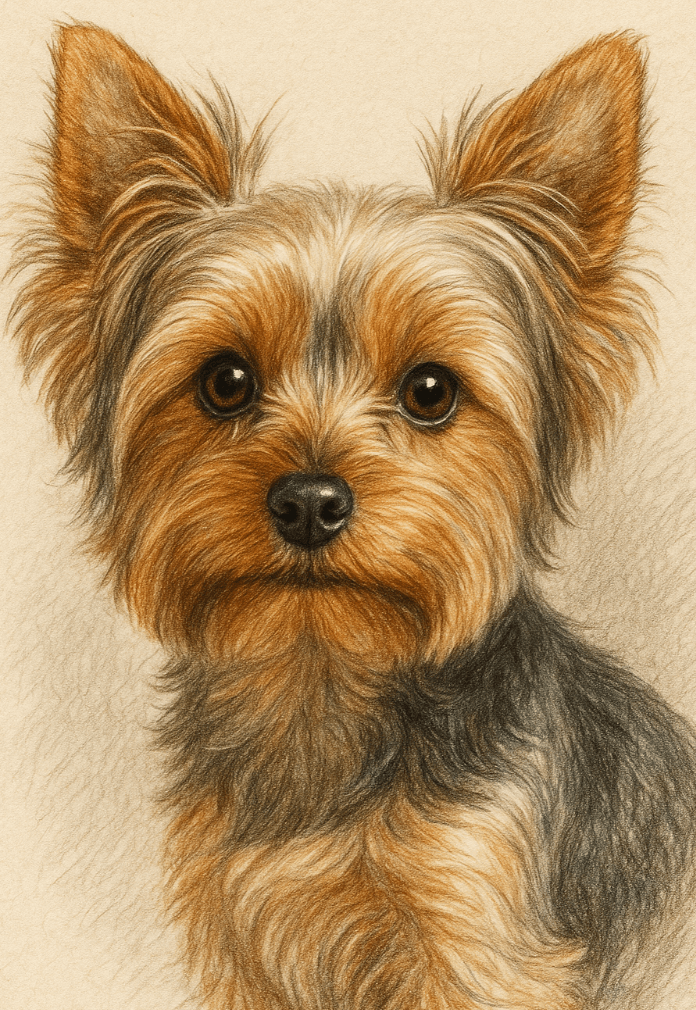

Are Yorkies Good Dogs? Best 7 Expert Tips!

Are Yorkies Good Dogs? Best 7 Expert Tips!

Are Yorkies Good Dogs?


Yorkshire Terriers, or Yorkies, are one of the most beloved small dog breeds in the world. Known for their pint-sized frames, silky coats, and bold personalities, they often capture the hearts of dog lovers everywhere. But are Yorkies truly good dogs? The answer depends on your lifestyle, preferences, and ability to meet their unique needs. While they make excellent companions for many, they also come with specific challenges that potential owners should consider. In this blog post, we’ll explore the qualities that make Yorkies wonderful pets, as well as the factors that might make them less suitable for certain households.

Why Yorkies Are Considered Great Pets


Yorkies have earned a reputation as fantastic companions for many reasons. Their charming personalities and adaptability make them ideal for various living situations. Here’s why so many people adore this tiny breed:

 
  • Compact Size:
    Yorkies are perfect for small spaces like apartments or condos, as they don’t require much room to thrive.

  • Affectionate Nature:
    Despite their feisty demeanor, Yorkies are deeply loyal and love spending time with their human families.

  • Low Shedding Coats:
    Their hypoallergenic fur makes them a great choice for people with allergies, though regular grooming is essential.

  • Playful Energy:
    Yorkies are lively and enjoy playtime, making them fun companions for active owners.

  • Protective Instincts:
    Though small, Yorkies are fearless and will bark to alert you of strangers, serving as excellent watchdogs.


These traits highlight why Yorkies are cherished by so many, but it’s important to weigh these positives against potential challenges.


Challenges of Owning a Yorkie


While Yorkies have many endearing qualities, they aren’t the right fit for everyone. Understanding their potential challenges can help you decide if this breed suits your lifestyle.

 
  • High Maintenance Grooming Needs:
    Their long, silky coats require frequent brushing and professional grooming to stay healthy and tangle-free.

  • Strong-Willed Personality:
    Yorkies can be stubborn and may test boundaries, requiring consistent training and patience.

  • Fragile Build:
    Their small size makes them prone to injury, especially in homes with young children or larger pets.

  • Barking Tendencies:
    Yorkies are known for being vocal, which can become problematic if not addressed early through training.

  • Health Concerns:
    Like many small breeds, Yorkies are susceptible to dental issues, hypoglycemia, and other genetic conditions.


Being aware of these challenges allows you to prepare for the responsibilities of owning a Yorkie and ensure you can meet their needs.

 
Are Yorkies Good Dogs? Best 7 Expert Tips!
Pros of Owning a Yorkie
Cons of Owning a Yorkie
Compact size ideal for small spaces
High grooming maintenance
Affectionate and loyal companions
Can be stubborn and challenging to train
Hypoallergenic coats (low shedding)
Prone to injury due to fragile build
Excellent watchdog abilities
Excessive barking without proper training
Playful and energetic personality
Susceptible to health issues

Tips for Training and Socializing Your Yorkie


Training and socialization are crucial for raising a well-behaved and happy Yorkie. These tips will help you navigate their strong-willed nature while fostering a loving bond.

 
  • Start Early:
    Begin training and socialization as soon as you bring your Yorkie home to establish good habits from the start.

  • Use Positive Reinforcement:
    Reward-based methods, such as treats and praise, work best for motivating Yorkies during training sessions.

  • Be Consistent:
    Consistency is key when dealing with a stubborn Yorkie—set clear rules and stick to them.

  • Expose Them to New Experiences:
    Gradually introduce your Yorkie to different environments, people, and animals to build their confidence.

  • Address Barking Behavior:
    Teach commands like “quiet” to manage excessive barking and reinforce calm behavior.


With patience and dedication, training and socializing your Yorkie can lead to a harmonious and enjoyable relationship.

How to Keep Your Yorkie Healthy and Happy


Ensuring your Yorkie’s well-being involves addressing their physical, mental, and emotional needs. Follow these guidelines to keep them thriving.

 
  • Provide Regular Exercise:
    Daily walks and playtime help burn off energy and prevent behavioral problems caused by boredom.

  • Schedule Routine Vet Visits:
    Regular check-ups can catch potential health issues early and keep your Yorkie in top shape.

  • Focus on Dental Care:
    Brush their teeth frequently and provide dental chews to prevent common issues like tooth decay.

  • Feed a Balanced Diet:
    Choose high-quality food formulated for small breeds to support their energy levels and overall health.

  • Offer Mental Stimulation:
    Puzzle toys and interactive games engage their sharp minds and prevent destructive behaviors.


By prioritizing these aspects of care, you can ensure your Yorkie leads a long, healthy, and fulfilling life.


Common Misconceptions About Yorkies


There are several myths surrounding Yorkies that can lead to misunderstandings about the breed. Let’s debunk some of the most common misconceptions:

 
  • “Yorkies Don’t Need Exercise”:
    Despite their small size, Yorkies still require daily physical activity to stay healthy and happy.

  • “They’re Just Lap Dogs”:
    While affectionate, Yorkies are energetic and enjoy exploring, playing, and interacting with their environment.

  • “Their Fur Doesn’t Require Much Care”:
    Yorkies’ coats are beautiful but high-maintenance, needing regular brushing and trimming to stay pristine.

  • “They’re Too Fragile for Active Families”:
    With proper precautions, Yorkies can adapt to active lifestyles as long as they’re protected from harm.

  • “Yorkies Are Always Yappy”:
    While they can be vocal, proper training can significantly reduce unwanted barking.


Understanding the truth behind these myths helps set realistic expectations for Yorkie ownership.

Best Activities for Bonding with Your Yorkie


Engaging in activities with your Yorkie strengthens your bond and keeps them mentally and physically stimulated. Here are some ideas to try:

 
  • Daily Walks:
    Short, brisk walks around the neighborhood allow your Yorkie to explore and expend energy.

  • Interactive Toys:
    Puzzle feeders and treat-dispensing toys challenge their minds and keep them entertained.

  • Agility Training:
    Setting up a mini agility course at home taps into their natural athleticism and intelligence.

  • Cuddle Sessions:
    Quality snuggle time reinforces your connection and satisfies their need for affection.

  • Training Games:
    Incorporate tricks and obedience exercises into playtime to make learning fun and rewarding.


These activities create opportunities for bonding while catering to your Yorkie’s unique personality.

Signs Your Yorkie Is Thriving


Knowing whether your Yorkie is happy and healthy involves observing their behavior and physical condition. Here are signs that indicate they’re thriving:

 
  • Bright Eyes and Shiny Coat:
    A glossy coat and alert eyes reflect good nutrition and overall health.

  • Energetic Playfulness:
    An active, playful Yorkie shows they’re feeling their best physically and emotionally.

  • Healthy Appetite:
    Consistent eating habits suggest they’re receiving adequate nourishment and enjoyment from meals.

  • Minimal Barking:
    Occasional barking is normal, but excessive noise may signal stress or unmet needs.

  • Regular Bathroom Habits:
    Consistent elimination patterns indicate a well-functioning digestive system.


Recognizing these signs ensures you’re providing the care your Yorkie needs to flourish.

Frequently Asked Questions About Yorkies

 
Are Yorkies good with kids?

Yorkies can be good with older, gentle children but may not tolerate rough handling, so supervision is key.

With proper socialization, Yorkies can coexist peacefully with other pets, though smaller animals may trigger their prey drive.

Yorkies require about 30 minutes of exercise daily, including walks and playtime.

Yorkies are intelligent but can be stubborn, so consistent, positive reinforcement is essential.

With proper care, Yorkies often live 12–15 years, making them a long-term commitment.

Is a Yorkie the Right Dog for You?


Yorkshire Terriers are undeniably adorable, spirited, and full of personality, but they’re not the perfect match for every household. Their unique blend of charm and challenges requires dedicated owners who can provide the care, attention, and training they need. If you’re ready to embrace their quirks and invest in their well-being, a Yorkie could be the ultimate companion. However, if you’re unsure about meeting their demands, it’s worth considering other breeds better suited to your lifestyle. Ultimately, the decision comes down to understanding your own needs and ensuring they align with what this pint-sized powerhouse requires to thrive.

Understanding Cryptosporidium in Cats: Best 7 Expert Tips!

Understanding Cryptosporidium in Cats: Best 7 Expert Tips! – Spot symptoms, treat safely, and stop parasite spread in your home.

Understanding Cryptosporidium in Dogs: Best 7 Expert Tips!

Understanding Cryptosporidium in Dogs: Best 7 Expert Tips! – Learn symptoms, treatment & prevention for this stubborn gut parasite.

Understanding Syringomyelia in Cats: Best 7 Expert Tips!

Understanding Syringomyelia in Cats: Best 7 Expert Tips! – Recognize signs, manage pain, and support your cat’s neurological health with vet-backed guidance.

Understanding Syringomyelia in Dogs: Best 7 Expert Tips!

Understanding Syringomyelia in Dogs: Best 7 Expert Tips! – Expert insights on symptoms, MRI diagnosis, pain management & quality of life.

Leave a Reply

Your email address will not be published. Required fields are marked *


