
Are Worms in Cat Poop Contagious? Best 7 Expert Tips!

Are Worms in Cat Poop Contagious? Best 7 Expert Tips!

Are Worms in Cat Poop Contagious?

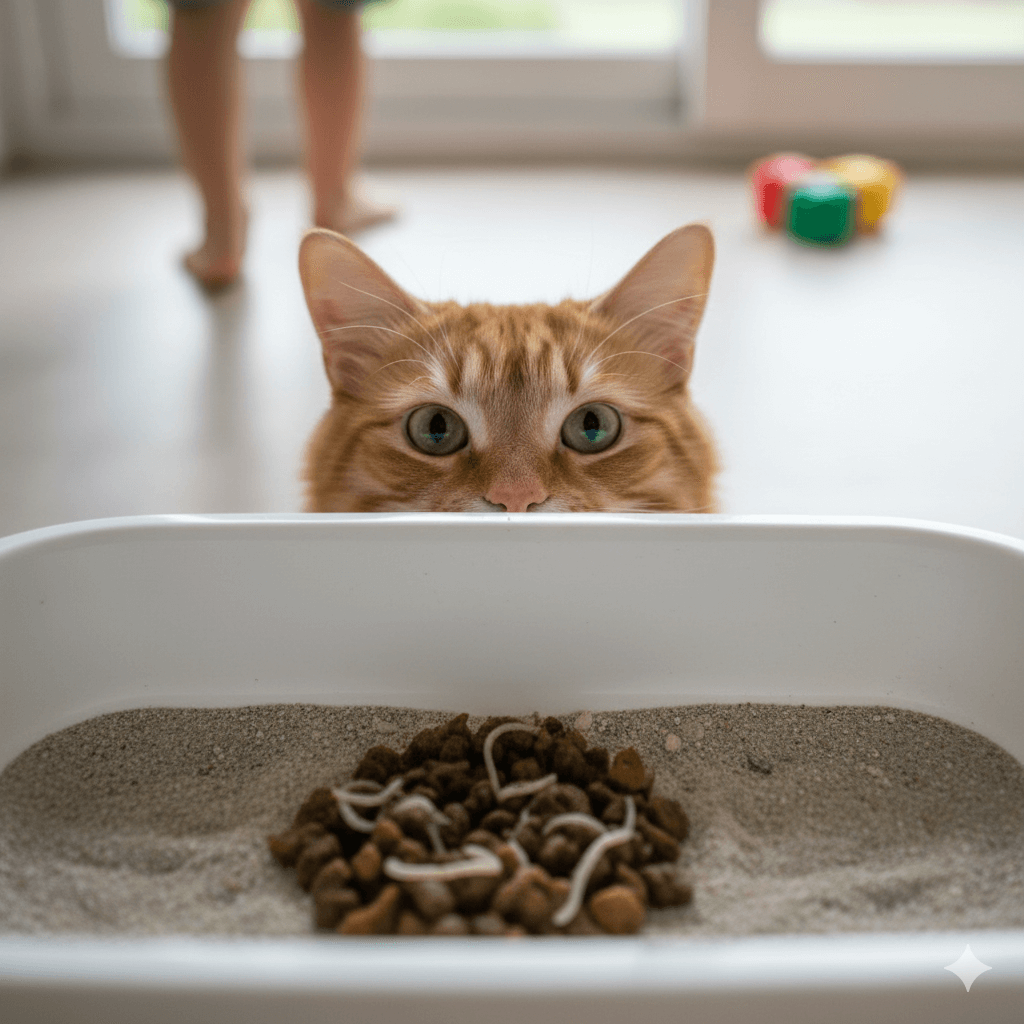
Spotting worms in your cat’s poop can be alarming—and raises an urgent question: Are they contagious? The truth is, some intestinal parasites can indeed spread to other pets or even humans, especially through fecal contact or contaminated environments. While not all cat worms pose a direct threat to people, many are highly infectious to other animals. Understanding which types are present, how they spread, and what immediate steps to take is crucial for protecting your entire household. With prompt action and proper hygiene, most worm infestations are treatable and preventable.

Common Types of Worms Found in Cat Feces

Not all worms look alike, and their appearance in your cat’s stool can offer clues about the parasite involved. Identifying the type helps determine risk level, treatment, and contagion potential. Here are the most frequently seen intestinal worms in domestic cats:

 
  • Roundworms (Toxocara cati):
    These spaghetti-like, white or tan worms are the most common in cats—especially kittens—and can be passed through milk or by ingesting infected rodents.
     
  • Tapeworms (Dipylidium caninum):
    Appearing as small, rice-like segments near your cat’s rear or in feces, tapeworms are typically contracted through fleas your cat swallows while grooming.
     
  • Hookworms (Ancylostoma tubaeforme):
    Tiny but dangerous, hookworms latch onto the intestinal wall and feed on blood; their eggs are shed in feces and can infect other cats through skin contact or ingestion.
     
  • Whipworms (Trichuris spp.):
    Less common in cats than dogs, whipworms cause severe diarrhea and are transmitted via contaminated soil or litter boxes.
     
  • Coccidia (Isospora spp.):
    Though not a worm but a protozoan parasite, coccidia oocysts appear in stool and are highly contagious among kittens in crowded or unsanitary conditions.
 

Most of these parasites thrive in warm, moist environments—making litter boxes and shared outdoor spaces high-risk zones for transmission.

Are Worms in Cat Poop Contagious? Best 7 Expert Tips!

How Cat Worms Spread to Other Pets and Humans

Yes, some worms found in cat poop can spread beyond your feline friend. Transmission routes vary by parasite type, but close contact, poor hygiene, or environmental contamination often play key roles in cross-infection:

 
  • Fecal-Oral Transmission:
    Pets (or humans) can ingest microscopic eggs by touching contaminated surfaces—like litter boxes, soil, or food bowls—and then putting hands near their mouth.

     
  • Skin Penetration (Hookworms):
    Hookworm larvae can burrow through bare skin, particularly in gardens, sandboxes, or damp basements where infected feces have been deposited.

     
  • Flea-Mediated Spread (Tapeworms):
    If another pet grooms and swallows a flea carrying tapeworm larvae, they too can become infected—even without direct contact with the original cat.

     
  • Zoonotic Risk to Humans:
    Roundworms and hookworms are zoonotic: children playing in contaminated yards or gardeners handling soil are especially vulnerable to accidental ingestion or skin penetration.

     
  • Shared Litter Boxes or Outdoor Spaces:
    Multi-cat households or neighborhoods with free-roaming cats create ideal conditions for rapid parasite spread if hygiene isn’t strictly maintained.
 

This underscores why prompt deworming and rigorous sanitation are non-negotiable once worms are detected.

Parasite Type
Contagion Risk Level
Roundworms
High – zoonotic; spreads via eggs in soil/litter
Tapeworms
Moderate – requires flea vector; low direct human risk
Hookworms
High – zoonotic; penetrates skin or ingested
Whipworms
Low in cats (rare), but moderate in multi-pet environments
Coccidia
High among cats, especially kittens; not typically zoonotic

Signs Your Cat Has Worms Beyond Visible Poop Evidence

While seeing actual worms is a clear red flag, many infestations show more subtle symptoms—especially in early stages. Being alert to these less obvious signs can lead to earlier treatment and reduced contagion risk:

 
  • Weight Loss Despite Normal Appetitement:
    Parasites steal nutrients, causing your cat to eat well but still lose weight or appear bony.
     
  • Bloated or Pot-Bellied Appearance:
    Common in kittens with heavy roundworm loads, giving the abdomen a distended look.
     
  • Diarrhea or Blood in Stool:
    Intestinal irritation from worms can lead to loose stools, mucus, or visible blood—especially with hookworms.
     
  • Excessive Licking or Dragging Rear:
    Tapeworm segments cause itching around the anus, prompting your cat to scoot or lick obsessively.
     
  • Dull Coat or Lethargy:
    Chronic infestations drain energy and affect skin health, resulting in poor fur quality and reduced activity.
 

If you notice any combination of these signs—especially in outdoor or young cats—schedule a vet visit for a fecal exam, even if no worms are visible.

How to Safely Handle and Clean After Worm Infestations

Hygiene is your strongest defense against spreading parasites once worms are confirmed. Safe handling protects you, your family, and other pets from accidental exposure:

 
  • Wear Gloves When Cleaning Litter Boxes:
    Always use disposable gloves when scooping or changing litter, and wash hands thoroughly afterward—even if you wore protection.
     
  • Dispose of Feces Immediately:
    Remove waste daily; worm eggs can become infectious within days under the right conditions.
     
  • Disinfect Surfaces Regularly:
    Use pet-safe disinfectants on floors, bedding, and feeding areas. Avoid bleach—many parasite eggs resist it—but steam cleaning is effective.
     
  • Wash Bedding and Toys in Hot Water:
    Launder all items your cat contacts at high temperatures to kill lingering eggs or larvae.
     
  • Keep Children Away During Cleaning:
    Ensure kids don’t play near litter boxes or gardens where infected cats defecate until thorough decontamination is complete.
 

Consistent, careful sanitation breaks the parasite lifecycle and prevents reinfection or spread.

Preventing Future Worm Infestations in Multi-Pet Households

Prevention is far easier than treatment—especially when multiple animals share space. A proactive parasite control plan keeps all your pets healthy and your home safe:

 
  • Monthly Broad-Spectrum Dewormers:
    Use veterinarian-recommended preventatives that cover roundworms, hookworms, and often tapeworms (some require separate treatment).
     
  • Flea Control Is Essential:
    Since fleas carry tapeworm larvae, consistent flea prevention (topical or oral) is a critical part of worm control.
     
  • Regular Fecal Exams (1–2 Times Yearly):
    Even symptom-free cats should be tested, as some parasites shed eggs intermittently and go unnoticed.
     
  • Separate Litter Boxes During Treatment:
    If one cat is infected, isolate their box temporarily to reduce cross-contamination until deworming is complete.
     
  • Avoid Feeding Raw Meat or Allowing Hunting:
    Raw diets or rodent consumption dramatically increase worm risk; stick to commercial food and keep cats indoors when possible.
 

A structured prevention routine drastically lowers the chance of recurring infestations—and keeps your home parasite-free.

Special Risks for Children, Pregnant Individuals, and Immunocompromised People

Certain household members face heightened dangers from zoonotic cat worms—particularly roundworms and hookworms. Extra precautions are vital to protect vulnerable individuals:

 
  • Young Children Are Most at Risk:
    Due to hand-to-mouth behavior and playing on floors or in dirt, kids are more likely to ingest parasite eggs unknowingly.
     
  • Pregnant Women Should Avoid Litter Duty:
    While cat worms aren’t linked to toxoplasmosis (a different parasite), minimizing exposure to any fecal matter is a wise safety measure.
     
  • Immunocompromised Individuals Need Strict Hygiene:
    Those with weakened immune systems (from illness or medication) can develop severe complications from zoonotic parasites.
     
  • Cover Sandboxes and Garden Areas:
    Outdoor play spaces should be covered when not in use to prevent neighborhood cats from using them as litter boxes.
     
  • Teach Handwashing After Pet Contact:
    Make it a household rule: always wash hands after petting, playing with, or cleaning up after cats—especially before eating.
 

Protecting high-risk individuals isn’t about fear—it’s about smart, respectful coexistence with your pets.


What to Expect During Veterinary Diagnosis and Treatment

If you suspect worms, your vet will confirm the type and prescribe targeted treatment to eliminate the infestation safely and effectively. Here’s what typically happens during the visit:

 
  • Fecal Floatation Test:
    A small stool sample is examined under a microscope to identify parasite eggs or larvae—this determines the exact worm type.
     
  • Physical Examination:
    Your vet will check for weight loss, dehydration, abdominal discomfort, or anal irritation that supports a parasitic diagnosis.
     
  • Prescription Dewormers:
    Medications like pyrantel, praziquantel, or fenbendazole are given based on the parasite identified—often requiring 1–3 doses over weeks.
     
  • Follow-Up Testing:
    A repeat fecal test 2–4 weeks post-treatment ensures the worms are fully cleared and no reinfestation has occurred.
     
  • Home Care Guidance:
    You’ll receive instructions on hygiene, environmental cleaning, and preventing spread to other pets or humans in your home.
 

Most cats respond quickly to treatment, showing improvement within days—especially when combined with diligent home care.

Frequently Asked Questions About Cat Worms in Poop Contagious

Are worms in cat poop contagious to dogs?

Yes—especially roundworms and hookworms can infect dogs through shared environments or direct contact with contaminated feces.

Yes, if hands come into contact with infective eggs and then touch the mouth. Always wash hands thoroughly after handling litter or feces.

Roundworm eggs can remain viable in soil for months to years; hookworm larvae survive weeks in warm, moist conditions.

Yes—even indoor cats can contract worms via fleas, contaminated food, or eggs brought in on shoes or clothing.

Generally yes—especially for roundworms and hookworms, as cross-infection is common. Consult your vet for a household-wide plan.

Protecting Your Whole Household From Hidden Parasites

Finding worms in your cat’s poop is unsettling—but it’s also a call to action that can lead to a healthier, safer home for everyone. With awareness, prompt treatment, and consistent prevention, most parasitic infections are easily managed and rarely cause long-term harm. Remember: your vigilance in cleaning, your commitment to regular vet care, and your attention to subtle changes in your cat’s behavior all play vital roles in breaking the cycle of contagion. By treating not just the cat but the entire environment, you create a space where love, play, and companionship can thrive—without hidden threats lurking in the litter box.

Understanding Bone Supplement for Cats: Best 7 Expert Tips!

Understanding Bone Supplement for Cats: Best 7 Expert Tips! – Safe, vet-approved guidance for strong feline bones & balanced nutrition.

Bone Supplement for Dogs: Best 7 Expert Tips!

Bone Supplement for Dogs: Best 7 Expert Tips! – Expert guide to calcium, collagen & bone health for every life stage.

Understanding Can Cats Get Sunburn: Best 7 Expert Tips!

Understanding Can Cats Get Sunburn: Best 7 Expert Tips! – Protect your feline from UV damage with vet-backed prevention strategies.

How to Train a Seizure Alert Dog: Best 7 Expert Tips!

How to Train a Seizure Alert Dog: Best 7 Expert Tips! – Learn expert-backed steps to nurture natural instincts into reliable, life-saving seizure alerts.

Leave a Reply

Your email address will not be published. Required fields are marked *