
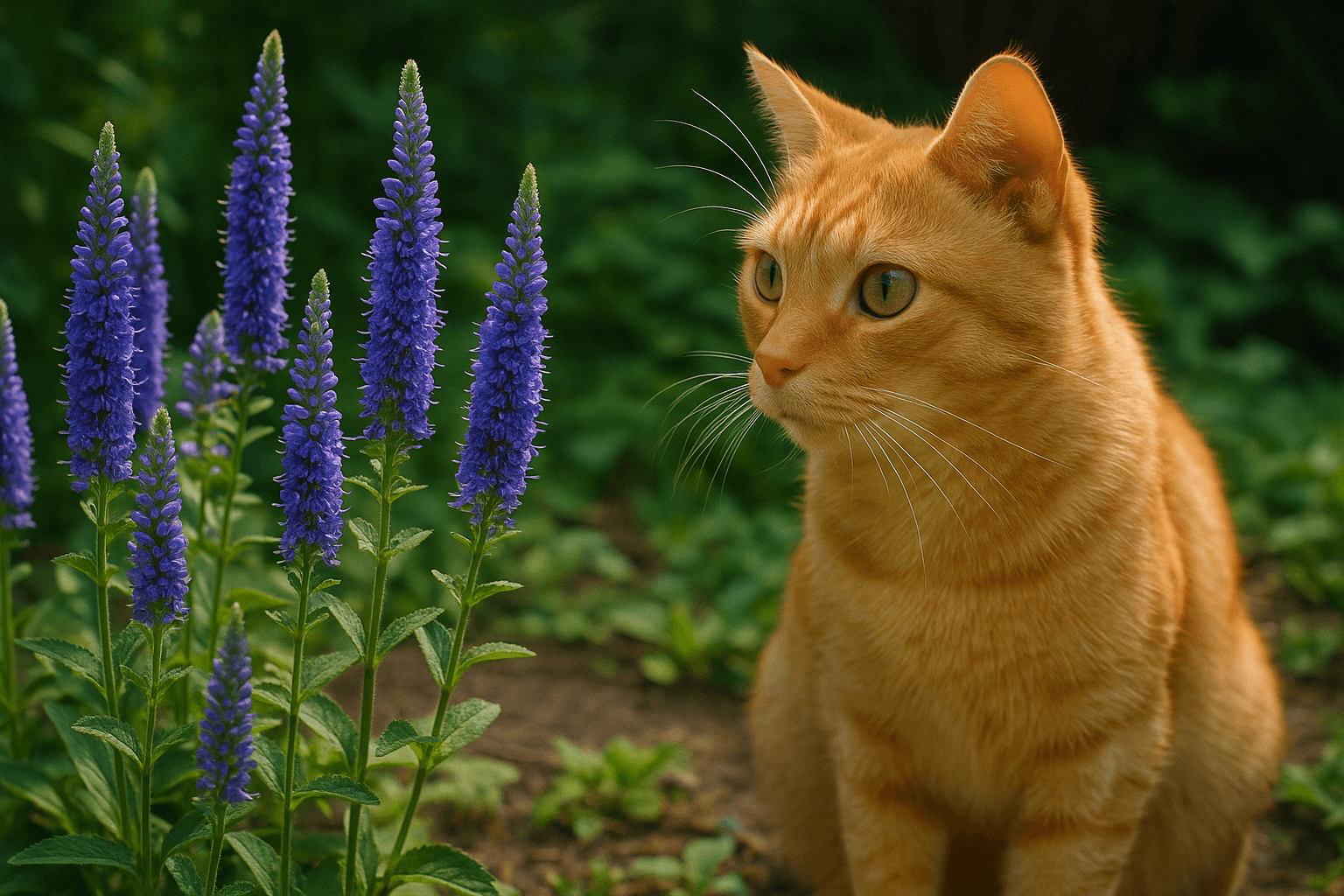

Are Veronica Plants Toxic to Cats? Best 7 Expert Tips!

Are Veronica Plants Toxic to Cats? Best 7 Expert Tips!

Are Veronica Plants Toxic to Cats?


Veronica plants, also known as speedwell, are popular garden additions due to their vibrant flowers and low-maintenance nature. However, if you’re a cat owner, you might be wondering whether these plants pose any risks to your feline friends. Cats are naturally curious creatures, and their tendency to nibble on plants can sometimes lead to unintended consequences. In this blog post, we’ll explore whether Veronica plants are toxic to cats, how to identify potential dangers, and what steps to take if your cat comes into contact with them. By understanding the facts, you can create a safe environment for your pets while still enjoying beautiful greenery in your home or garden.

Understanding the Safety of Veronica Plants for Cats


Before introducing any plant into your home or garden, it’s essential to determine its safety for pets. Here’s what you need to know about Veronica plants and their potential effects on cats.

 
  • Non-Toxic Classification:
    According to the ASPCA, Veronica plants are not listed as toxic to cats, making them generally safe for households with feline companions.

  • Mild Digestive Upset Possible:
    While non-toxic, ingestion of large quantities may still cause mild stomach upset, such as vomiting or diarrhea, due to indigestible plant material.

  • No Harmful Chemicals:
    Veronica plants do not contain compounds like oxalates or alkaloids, which are commonly found in toxic plants.

  • Safe for Curious Cats:
    Cats that occasionally chew on Veronica leaves are unlikely to experience severe health issues, but monitoring is still advised.

  • Consult Your Veterinarian:
    If you notice unusual behavior after your cat interacts with a plant, seek professional advice to rule out other causes.


While Veronica plants are considered safe, responsible pet ownership means staying vigilant and informed about your cat’s interactions with plants.

Are Veronica Plants Toxic to Cats? Best 7 Expert Tips!

Signs Your Cat May Have Ingested a Harmful Plant


Even if Veronica plants are non-toxic, it’s crucial to recognize symptoms that could indicate exposure to other harmful plants. These signs can help you act quickly in case of accidental ingestion.

 
  • Excessive Drooling:
    Drooling can occur when a cat ingests something irritating or toxic, even if it’s not directly related to Veronica plants.

  • Vomiting or Diarrhea:
    Gastrointestinal distress is a common reaction to ingesting unfamiliar plant material, including non-toxic varieties.

  • Lethargy or Weakness:
    If your cat seems unusually tired or unresponsive, it could signal a more serious issue requiring immediate attention.

  • Difficulty Breathing:
    Labored breathing may indicate an allergic reaction or exposure to a highly toxic plant, necessitating urgent care.

  • Pawing at the Mouth:
    Cats often paw at their mouths after tasting something unpleasant, signaling discomfort or irritation.


Being aware of these symptoms ensures you can respond promptly if your cat encounters a potentially harmful plant.

Safe Plants for Cats
Toxic Plants to Avoid
Veronica (Speedwell)
Lilies
Spider Plant
Azaleas
Boston Fern
Sago Palm
African Violet
Dieffenbachia
Bamboo
Oleander

Tips for Keeping Cats Safe Around Plants


Creating a pet-friendly environment involves more than just choosing non-toxic plants. Follow these tips to ensure your cat stays safe while exploring green spaces.

 
  • Research Before Planting:
    Always verify the safety of new plants before introducing them to areas accessible to your cat.

  • Place Plants Out of Reach:
    Even non-toxic plants can cause digestive upset if consumed in large amounts. Keep plants elevated or in restricted areas.

  • Use Deterrents:
    Sprinkle citrus peels or use pet-safe deterrent sprays near plants to discourage chewing.

  • Provide Cat-Friendly Alternatives:
    Offer cat grass or catnip as safe options for your cat to nibble on instead of household plants.

  • Supervise Outdoor Time:
    When letting your cat outside, monitor their activities to prevent access to unknown or potentially harmful plants.


Taking these precautions helps minimize risks while allowing you to enjoy both your plants and your feline companions.

What to Do If Your Cat Eats a Plant


If you suspect your cat has ingested part of a plant, quick action can make all the difference. Follow these steps to assess the situation and provide appropriate care.

 
  • Stay Calm and Observe:
    Watch your cat closely for any changes in behavior or physical symptoms after ingestion.

  • Identify the Plant:
    Knowing which plant your cat interacted with is crucial for determining potential toxicity.

  • Remove Plant Material from Their Mouth:
    Gently check your cat’s mouth and remove any visible plant debris to prevent choking or further ingestion.

  • Offer Fresh Water:
    Encourage your cat to drink water to help flush out any irritants from their system.

  • Contact Your Veterinarian:
    If you notice concerning symptoms or are unsure about the plant’s safety, consult your vet immediately for guidance.


Acting swiftly ensures your cat receives the care they need and minimizes the risk of complications.

Common Misconceptions About Plant Toxicity

Misinformation about plant toxicity can lead to unnecessary worry or complacency. Clearing up these misconceptions ensures you make informed decisions for your cat’s safety.

 
  • All Garden Plants Are Safe:
    Many garden plants, though beautiful, can be toxic to cats. Always research before planting.

  • Cats Know What’s Safe to Eat:
    Cats rely on instinct but cannot differentiate between toxic and non-toxic plants.

  • Toxicity Is Always Immediate:
    Some plants cause delayed reactions, so monitoring is essential even if symptoms don’t appear right away.

  • Houseplants Are Always Harmless:
    Popular houseplants like peace lilies and pothos are toxic to cats despite being common indoors.

  • Non-Toxic Means No Risks:
    Even non-toxic plants can cause mild stomach upset if consumed in large quantities.


Understanding these truths helps dispel myths and keeps your cat safer around plants.

Benefits of Non-Toxic Plants in Your Home

Incorporating non-toxic plants like Veronica into your home offers numerous benefits beyond aesthetics. Here’s why they’re worth considering.

 
  • Peace of Mind for Pet Owners:
    Knowing your plants are safe reduces stress and allows you to focus on enjoying your space.

  • Improved Air Quality:
    Many non-toxic plants naturally purify the air, creating a healthier environment for you and your pets.

  • Encourages Playful Exploration:
    Cats feel more at ease investigating plants they won’t harm themselves with, fostering curiosity.

  • Enhances Home Decor:
    Non-toxic plants add beauty and vibrancy without compromising safety.

  • Supports Sustainable Living:
    Growing pet-friendly plants aligns with eco-conscious living practices.


Non-toxic plants strike the perfect balance between functionality and safety for households with cats.

How to Create a Cat-Friendly Garden

For outdoor enthusiasts, designing a cat-friendly garden ensures your feline companion can safely enjoy the outdoors. These tips will help you get started.

 
  • Choose Safe Ground Covers:
    Opt for pet-safe ground covers like clover or creeping thyme instead of potentially toxic grasses.

  • Avoid Pesticides and Herbicides:
    Chemical treatments can harm cats; stick to natural pest control methods instead.

  • Include Hiding Spots:
    Add tunnels, shrubs, or tall grasses where cats can hide and feel secure.

  • Install Fencing or Netting:
    Keep your cat contained within the garden area to protect them from external dangers.

  • Add Water Features:
    Small fountains or shallow ponds provide hydration and entertainment for curious cats.


A thoughtfully designed garden enriches your cat’s life while keeping them safe and happy.

Frequently Asked Questions About Cats and Plants

 
Are Veronica plants completely safe for cats?

Yes, Veronica plants are non-toxic, but excessive consumption may still cause mild digestive upset.

Contact your veterinarian immediately and provide details about the plant and symptoms observed.

Use deterrents, supervise their activity, and provide cat-safe alternatives like cat grass.

Some indoor plants, like lilies and dieffenbachia, are highly toxic to cats and should be avoided.

Yes, many cats chew on plants out of curiosity or boredom, but it’s important to ensure the plants are safe.


Balancing Beauty and Safety for Your Feline Friends


While Veronica plants are not toxic to cats, responsible pet ownership requires vigilance and preparation. By understanding which plants are safe, recognizing signs of distress, and taking preventive measures, you can enjoy a harmonious coexistence between your greenery and your furry companions. Remember, knowledge is your greatest tool—stay informed, prioritize safety, and cherish the unique bond you share with your cat. With a little effort, you can cultivate a home that’s both beautiful and pet-friendly.

Is Rawhide Bad for Cats? Best 7 Expert Tips!

Is Rawhide Bad for Cats? Best 7 Expert Tips! – Discover the risks, safe alternatives, and expert advice to keep your feline friend healthy and happy.

Is Rawhide Bad for Dogs? Best 7 Expert Tips!

Is Rawhide Bad for Dogs? Best 7 Expert Tips! – Discover the risks, benefits, and safer alternatives to rawhides for your dog’s chewing needs.

Understanding Anorexia in Cats: Best 7 Expert Tips!

Understanding Anorexia in Cats: Best 7 Expert Tips! – Learn why cats stop eating, spot warning signs, and discover how to help your feline regain appetite safely.

Understanding Anorexia in Dogs: Best 7 Expert Tips!

Understanding Anorexia in Dogs: Best 7 Expert Tips! – Learn causes, symptoms, and solutions to help your dog regain appetite and stay healthy.

Leave a Reply

Your email address will not be published. Required fields are marked *