
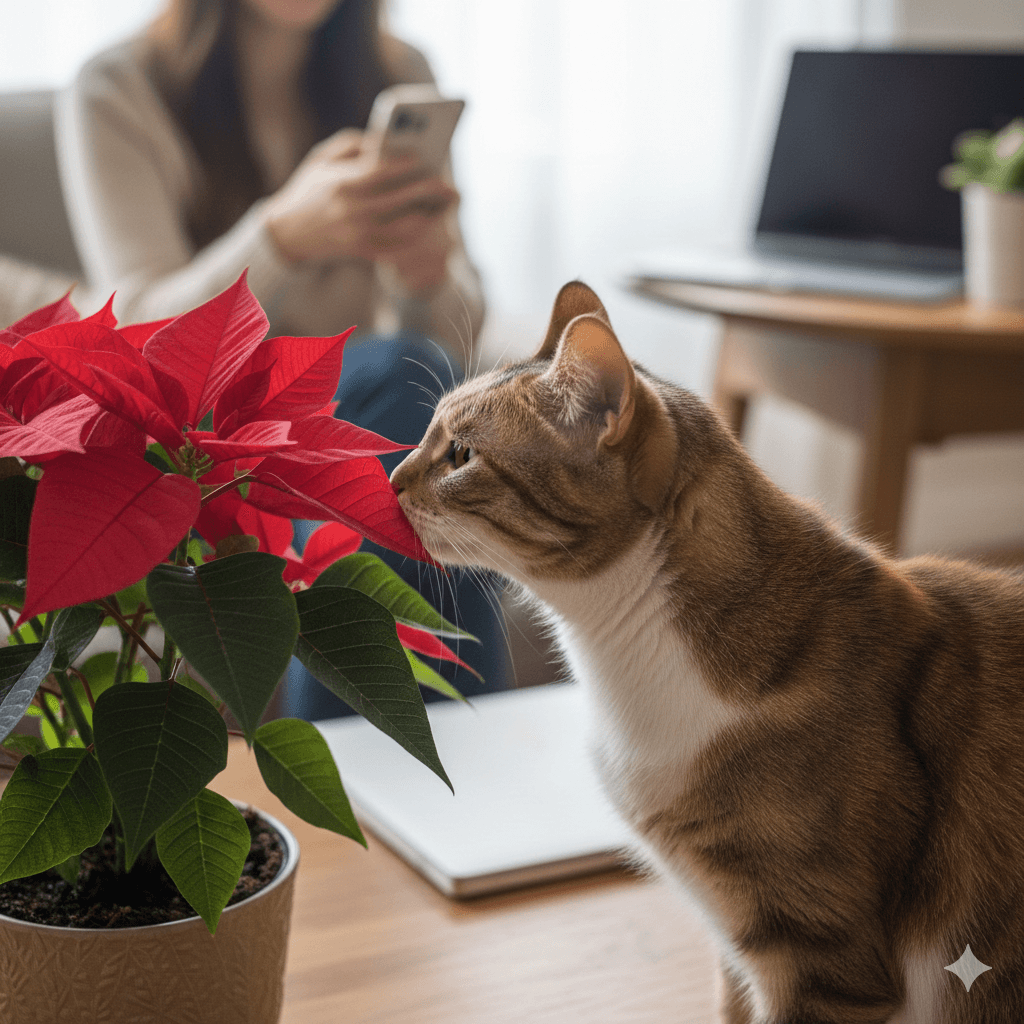

Are Poinsettias Poisonous to Cats?
Poinsettias are a popular holiday decoration, but many cat owners worry about their safety around pets. While these plants can cause mild irritation, they are not as toxic as often believed. Understanding the potential risks helps you keep your feline friend safe during the festive season.
Common Misconceptions About Poinsettia Toxicity
Many pet owners believe poinsettias are highly toxic to cats, but this misconception stems from outdated information. While poinsettias can cause mild irritation, they are not as dangerous as other household plants like lilies or sago palms. Understanding the truth about poinsettia toxicity helps you make informed decisions about holiday decorations.
- Myth: Poinsettias Are Deadly:
Contrary to popular belief, poinsettias rarely cause life-threatening reactions in cats; most cases involve mild gastrointestinal upset. - Reality: Mild Irritation is Common:
The sap of poinsettias contains diterpenoid compounds, which can irritate a cat’s mouth, throat, or stomach if ingested in small amounts. - Comparison to Other Plants:
Unlike true toxic plants such as lilies, which can cause kidney failure in cats, poinsettias pose a much lower risk of severe harm. - Historical Context of the Myth:
The myth originated in 1919 when a child reportedly died after consuming poinsettia leaves, though later studies debunked this claim. - Veterinary Perspective:
Most veterinarians classify poinsettias as mildly irritating rather than highly toxic, emphasizing that panic is often unnecessary.
By separating fact from fiction, you can decorate your home safely while keeping your cat’s well-being in mind.
Symptoms of Poinsettia Exposure in Cats
If your cat chews on or ingests part of a poinsettia plant, certain symptoms may arise due to the irritating sap. Recognizing these signs helps you determine whether your cat needs veterinary attention.
- Drooling or Excessive Salivation:
The milky sap irritates oral tissues, causing increased salivation as a natural response to discomfort. - Vomiting or Gagging:
Ingesting even small amounts of poinsettia can lead to mild vomiting as the body attempts to expel the irritant. - Lethargy or Discomfort:
Cats may appear less active or reluctant to eat due to nausea or oral irritation caused by the plant. - Diarrhea in Rare Cases:
While uncommon, some cats develop loose stools if they ingest larger quantities of the plant material. - Redness Around the Mouth:
Contact with poinsettia sap may cause localized redness or swelling around the lips and gums.
These symptoms are typically mild and resolve within a few hours, but monitoring your cat closely ensures no complications arise
Check this guide 👉Antifreeze Poisoning in Cats: Best 7 Expert Tips!
Check this guide 👉Are Pansies Poisonous to Cats? Best 7 Expert Tips!
Check this guide 👉Can Cats Get Food Poisoning? Best 7 Expert Tips!
| Safe Plants for Cats | Toxic Plants to Avoid |
|---|---|
| Christmas Cactus | Lilies (highly toxic) |
| Orchids | Sago Palm |
| Spider Plant | Amaryllis |
| Boston Fern | Mistletoe |
| African Violet | Pothos |
How Much Poinsettia Is Harmful to Cats?
The level of harm depends on the amount of poinsettia ingested and the size of your cat. Larger cats are less likely to experience significant effects compared to smaller ones. Understanding thresholds helps you assess the situation accurately.
- Small Amounts (Chewing Leaves):
A nibble or two usually causes only minor irritation, with symptoms resolving quickly without intervention. - Moderate Ingestion (Several Leaves):
Eating multiple leaves increases the likelihood of vomiting or diarrhea but remains unlikely to be life-threatening. - Large Quantities (Entire Plant Parts):
Consuming large portions could cause more pronounced symptoms, though this scenario is extremely rare. - Size Matters:
Smaller cats or kittens are more vulnerable to adverse effects due to their lower body weight and higher sensitivity. - Cumulative Risk:
Repeated exposure over time might compound irritation, so removing access to the plant entirely is recommended.
Understanding these factors allows you to evaluate the severity of ingestion and respond appropriately.
First Aid Steps If Your Cat Eats Poinsettia
If your cat nibbles on a poinsettia, immediate action minimizes discomfort and prevents worsening symptoms. Follow these steps carefully until you consult a veterinarian.
- Rinse Their Mouth:
Gently wipe away any visible sap residue using a damp cloth to reduce further irritation. - Offer Fresh Water:
Encourage your cat to drink water to help flush out residual plant material from their system. - Monitor for Symptoms:
Watch for signs like drooling, vomiting, or lethargy over the next 24 hours to gauge the need for professional care. - Avoid Home Remedies:
Do not administer medications or induce vomiting unless specifically instructed by a vet. - Contact Your Veterinarian:
Call your vet or a pet poison hotline for tailored advice based on your cat’s size and the amount ingested.
Quick, calm responses ensure your cat remains comfortable and safe during recovery.
Safe Alternatives to Poinsettias for Cat Owners
If you’re concerned about poinsettias, consider decorating with pet-safe alternatives that add festive cheer without risking your cat’s health. These options create a worry-free environment during the holidays.
- Orchids:
Non-toxic and visually striking, orchids make excellent decorative substitutes for poinsettias. - Spider Plants:
Hardy and safe for cats, spider plants add greenery without posing any poisoning risks. - Christmas Cactus:
Unlike its prickly cousin, the Christmas cactus is non-toxic and thrives indoors during winter months. - Artificial Decorations:
High-quality faux flowers mimic the look of poinsettias while eliminating toxicity concerns entirely. - DIY Crafts:
Handmade paper or fabric decorations provide a creative, pet-friendly way to celebrate the season.
Switching to safer alternatives ensures both beauty and peace of mind throughout the holidays.
Preventing Poinsettia Exposure in Cats
Proactive measures minimize the risk of your cat coming into contact with poinsettias or similar irritants. Taking precautions ensures a harmonious coexistence between your pets and holiday decor.
- Place Plants Out of Reach:
Position poinsettias on high shelves or tables where curious cats cannot easily access them. - Use Hanging Baskets:
Suspending plants from the ceiling keeps them visible yet inaccessible to playful felines. - Supervise Interactions:
Keep an eye on your cat whenever they are near decorative plants to prevent accidental ingestion. - Apply Deterrent Sprays:
Pet-safe deterrent sprays discourage chewing by making plants unappealing to cats. - Educate Family Members:
Ensure everyone in the household knows to keep poinsettias and other potentially harmful plants away from pets.
Prevention is key to avoiding unnecessary stress and ensuring a happy, healthy holiday season for your cat.
Long-Term Effects of Poinsettia Ingestion
While poinsettia ingestion rarely leads to long-term issues, understanding potential outcomes provides clarity and reassurance for concerned pet owners. Most cases resolve completely with minimal intervention.
- No Lasting Damage in Most Cases:
The majority of cats recover fully within 24–48 hours, with no lingering effects from mild exposure. - Occasional Gastrointestinal Sensitivity:
Some cats may experience temporary digestive sensitivity, requiring bland diets for a short period. - Behavioral Changes:
Cats who associate illness with poinsettias may avoid plants altogether in the future. - Rare Allergic Reactions:
In exceptionally sensitive individuals, allergic reactions to the sap might occur but are exceedingly uncommon. - Peace of Mind Through Prevention:
Taking steps to limit access reduces the likelihood of repeated exposure and associated risks.
With proper care and vigilance, poinsettia ingestion poses little threat to your cat’s long-term health.
Frequently Asked Questions About Poinsettias and Cats
Are poinsettias deadly to cats?
No, poinsettias are not deadly to cats. While they can cause mild irritation, severe reactions are extremely rare.
What should I do if my cat eats a poinsettia leaf?
Rinse their mouth with water, offer fresh water to drink, and monitor for symptoms like drooling or vomiting. Contact your vet if symptoms worsen.
Can poinsettias cause kidney failure in cats?
Unlike lilies, poinsettias do not cause kidney failure in cats. Their toxicity is limited to mild gastrointestinal upset.
How long do symptoms last after ingestion?
Symptoms typically resolve within 24–48 hours as the irritant passes through your cat’s system.
Are there safer holiday plants for cats?
Yes, consider pet-safe alternatives like Christmas cactus, orchids, or spider plants for festive decorations.
A Festive Home, A Safe Cat
While poinsettias may spark concern among cat owners, understanding their true level of toxicity brings peace of mind during the holiday season. By taking simple precautions—like placing plants out of reach or opting for pet-safe alternatives—you can create a festive atmosphere without compromising your cat’s well-being. Remember, even mild exposure rarely leads to serious harm, but vigilance ensures your furry friend stays happy and healthy. With thoughtful planning, you can celebrate the holidays knowing your home is both beautiful and safe for your beloved companion.
Pemphigus Erythematosus in Cats: Best 7 Expert Tips! – Learn to recognize symptoms, manage flare-ups, and improve your cat’s quality of life.
Pemphigus Erythematosus in Dogs: Best 7 Expert Tips! – Discover causes, symptoms, and treatment options to manage this autoimmune skin condition effectively.
Cat Tympanic Membrane: Best 7 Expert Tips! – Learn how to protect your cat’s eardrum, spot issues early, and ensure lifelong auditory health.
Dog Tympanic Membrane: Best 7 Expert Tips! – Learn how to protect your dog’s eardrum, spot issues early, and ensure lifelong ear health with expert advice.


