

Are Pitbulls Bad Dogs? Best 7 Expert Tips!

Are Pitbulls Bad Dogs? Best 7 Expert Tips!

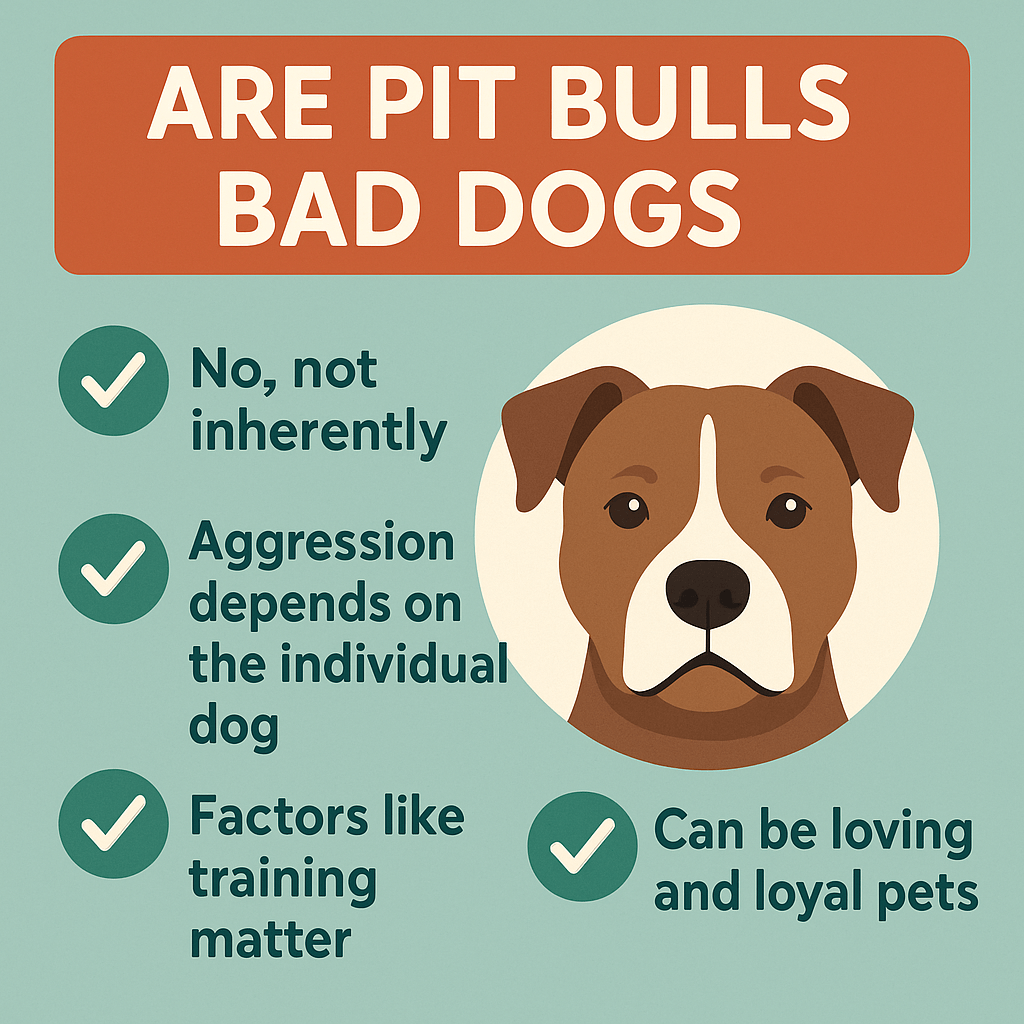
Are Pitbulls Bad Dogs? Debunking the Myths


Pit bulls often find themselves at the center of heated debates, portrayed as either dangerous aggressors or loyal companions. With their muscular build and powerful jaws, these dogs have been labeled as “bad dogs” by some, while others passionately defend their loving and playful nature. But are pit bulls truly bad dogs, or is this reputation rooted in misunderstanding and misinformation? The answer lies in understanding their history, behavior, and the role of responsible ownership. In this blog post, we’ll explore the truth about pit bulls, dispel common myths, and provide insights into why they can make wonderful pets when given the chance.

Expert Insight: Understanding Pit Bull Behavior

“While they can be strong-willed at times, they’re highly intelligent dogs and eager to please, which makes training straightforward. However, without proper training and socialization, they could become reactive in new or unfamiliar situations.”

Georgina Ushi, DVM

Understanding the Pit Bull Stereotype


The negative perception of pit bulls stems from decades of misinformation and fear-based narratives. However, understanding the origins of these stereotypes can help us separate fact from fiction.

 
  • Historical Misuse in Dog Fighting:
    Pit bulls were historically bred for bull-baiting and later dog fighting, which contributed to their reputation as aggressive animals. However, this misuse doesn’t define their true temperament.

  • Media Sensationalism:
    News outlets often sensationalize incidents involving pit bulls, creating a skewed public perception that overlooks the behavior of other breeds involved in similar situations.

  • Breed-Specific Legislation (BSL):
    Many areas have implemented BSL, banning or restricting pit bulls based on stereotypes rather than individual behavior. These laws perpetuate stigma without addressing root causes of aggression.

  • Misidentification of Breeds:
    Studies show that many dogs labeled as “pit bulls” in shelters or reports are actually mixed breeds, leading to inaccurate blame placed on the breed.

  • Lack of Education About Temperament:
    Pit bulls are often misunderstood due to a lack of awareness about their naturally affectionate and loyal nature when properly raised and socialized.


By examining these factors, it becomes clear that the stereotype of pit bulls as inherently “bad dogs” is unfounded and unfair.

Are Pitbulls Bad Dogs? Best 7 Expert Tips!

Why Pit Bulls Make Great Companions


Despite their controversial reputation, pit bulls possess many qualities that make them exceptional family pets. Their loyalty, intelligence, and affectionate nature shine through when they are raised in nurturing environments.

 
  • Incredibly Loyal:
    Pit bulls form strong bonds with their families and are known for their unwavering loyalty and protective instincts.

  • Highly Trainable:
    These dogs are eager to please and respond well to positive reinforcement training, making them versatile companions for various activities.

  • Affectionate with Families:
    Contrary to popular belief, pit bulls are often referred to as “nanny dogs” due to their gentle and patient demeanor around children.

  • Energetic Playmates:
    Their high energy levels make them perfect partners for outdoor adventures, playtime, or active lifestyles.

  • Social Butterflies:
    When properly socialized, pit bulls thrive in the company of people and other animals, showcasing their friendly and outgoing personalities.


With proper care and training, pit bulls prove time and again that they are far from “bad dogs”—they are loving, devoted, and joyful companions.

Common Myths About Pit Bulls
The Reality Behind the Myth
Pit bulls are naturally aggressive
Aggression is a result of environment, not genetics
They cannot get along with other pets
Proper socialization fosters harmony with other animals
Pit bulls have locking jaws
No scientific evidence supports this claim
They are more dangerous than other breeds
Incidents depend on upbringing, not breed alone
All pit bulls are bad with children
Many pit bulls are gentle and loving with kids

Factors That Influence Pit Bull Behavior


A pit bull’s behavior is shaped by several key factors, emphasizing the importance of responsible ownership in determining whether they become good or problematic pets.

 
  • Early Socialization:
    Exposing pit bulls to diverse experiences, people, and animals during puppyhood helps them develop confidence and adaptability.

  • Training and Discipline:
    Consistent, positive reinforcement training builds trust and ensures your pit bull understands boundaries and commands.

  • Owner Responsibility:
    A well-behaved pit bull reflects the effort and care invested by their owner, highlighting the critical role humans play in shaping behavior.

  • Living Environment:
    Providing adequate space, exercise, and mental stimulation prevents boredom and destructive behaviors in pit bulls.

  • Health and Nutrition:
    A healthy diet and regular veterinary care contribute to a balanced temperament and overall well-being.


When these factors align, pit bulls demonstrate the same potential for good behavior as any other breed.

How to Advocate for Pit Bulls in Your Community


As advocates for pit bulls, we can help change public perceptions and promote fairness for these misunderstood dogs. Here are practical steps you can take to make a difference.

 
  • Educate Others:
    Share accurate information about pit bulls’ temperament and history to counteract stereotypes and misinformation.

  • Support Local Shelters:
    Volunteer or donate to shelters that rescue and rehabilitate pit bulls, helping them find loving homes.

  • Challenge Breed-Specific Legislation:
    Advocate for policies that focus on responsible ownership rather than targeting specific breeds unfairly.

  • Promote Positive Stories:
    Highlight heartwarming stories of pit bulls as therapy dogs, service animals, or beloved family pets to showcase their potential.

  • Encourage Responsible Ownership:
    Mentor new pit bull owners on training, socialization, and meeting the unique needs of the breed.


By taking action, we can shift the narrative surrounding pit bulls and create a more inclusive and compassionate community.

The Role of Genetics vs. Environment

Understanding the balance between genetics and environment is crucial when evaluating pit bull behavior. Both factors play a significant role in shaping who they are as individuals.

 
  • Genetic Predispositions:
    Pit bulls inherit traits like strength and determination, but these don’t equate to aggression if nurtured positively.

  • Environmental Impact:
    Neglect, abuse, or lack of socialization can lead to behavioral issues, regardless of breed.

  • Owner Influence:
    A caring owner sets the tone for a pit bull’s development, guiding their natural instincts toward constructive outlets.

  • Consistency Matters:
    Regular routines and clear expectations help pit bulls feel secure and behave predictably.

  • Breaking the Cycle:
    Rehabilitating mistreated pit bulls demonstrates the transformative power of love and patience.


Recognizing the interplay of genetics and environment helps us better understand and appreciate pit bulls as unique individuals.

Debunking Dangerous Dog Narratives

The narrative of pit bulls as “dangerous” often oversimplifies complex issues related to dog behavior and human responsibility. Challenging this narrative requires addressing broader systemic problems.

 
  • Focus on Individual Behavior:
    Judging a dog solely by its breed ignores the nuances of personality and upbringing.

  • Addressing Irresponsible Ownership:
    Poorly managed dogs of any breed pose risks; the solution lies in education and accountability.

  • Role of Fear-Based Policies:
    Breed bans fail to reduce incidents and instead punish innocent dogs and responsible owners.

  • Importance of Context:
    Many reported attacks involve circumstances like neglect or provocation, which aren’t representative of the breed as a whole.

  • Promoting Evidence-Based Approaches:
    Focusing on spaying/neutering, training, and community resources creates safer environments for everyone.


By shifting our focus, we can move beyond harmful stereotypes and work toward real solutions.

How to Introduce a Pit Bull to Your Family

Bringing a pit bull into your home requires careful preparation to ensure a smooth transition and foster a lifelong bond. Follow these tips for success.

 
  • Prepare Your Home:
    Create a safe, comfortable space with toys, bedding, and designated areas for eating and sleeping.

  • Set Clear Boundaries:
    Establish house rules early to avoid confusion and reinforce consistent behavior.

  • Gradual Introductions:
    Introduce your pit bull slowly to family members and other pets to build trust and prevent overwhelm.

  • Provide Mental Stimulation:
    Puzzle toys, obedience classes, and interactive games keep your pit bull engaged and mentally sharp.

  • Monitor Progress:
    Track your pit bull’s adjustment and seek professional guidance if challenges arise.


With thoughtful planning and commitment, welcoming a pit bull into your family can be a rewarding experience for everyone involved.

Frequently Asked Questions About Pit Bulls

 
Are pit bulls inherently dangerous?

No, pit bulls are not inherently dangerous. Their behavior depends on upbringing, training, and environment.

Like all dogs, pit bulls typically give signs of discomfort before reacting aggressively. Proper training can prevent such situations.

Yes, with proper socialization and supervision, pit bulls can coexist harmoniously with other animals.

Many pit bulls are gentle and patient with kids, but supervision is always recommended to ensure safety for both parties.

Consider your lifestyle, ability to provide training and exercise, and willingness to advocate for the breed despite societal biases.

Changing the Narrative Around Pit Bulls


The question of whether pit bulls are “bad dogs” ultimately comes down to how they are treated and perceived by society. While irresponsible ownership and negative portrayals have fueled misconceptions, countless examples prove that pit bulls are loving, loyal, and capable companions when given the chance. By educating ourselves and others, advocating for fair treatment, and committing to responsible pet ownership, we can rewrite the story of these remarkable dogs. Let’s celebrate their resilience and charm, ensuring they receive the love and respect they deserve.

 
Spleen Cancer in Cats: Best 7 Expert Tips!

Spleen Cancer in Cats: Best 7 Expert Tips! – Expert insights on symptoms, care, treatment & quality of life for feline spleen cancer.

Dog Mastitis Treatment: Best 7 Expert Tips!

Dog Mastitis Treatment: Best 7 Expert Tips! – Safe, vet-approved care for nursing moms & prevention strategies.

The Shikoku Ken Dog: Best 7 Expert Tips!

The Shikoku Ken Dog: Best 7 Expert Tips! – Discover expert care, training & health advice for this rare, loyal Japanese mountain breed.

The Cairn Terrier Dog Breed: Best 7 Expert Tips!

The Cairn Terrier Dog Breed: Best 7 Expert Tips! – Discover care, training & health advice for this spirited, loyal Scottish terrier.

Leave a Reply

Your email address will not be published. Required fields are marked *

Recent Post

Post Category


