
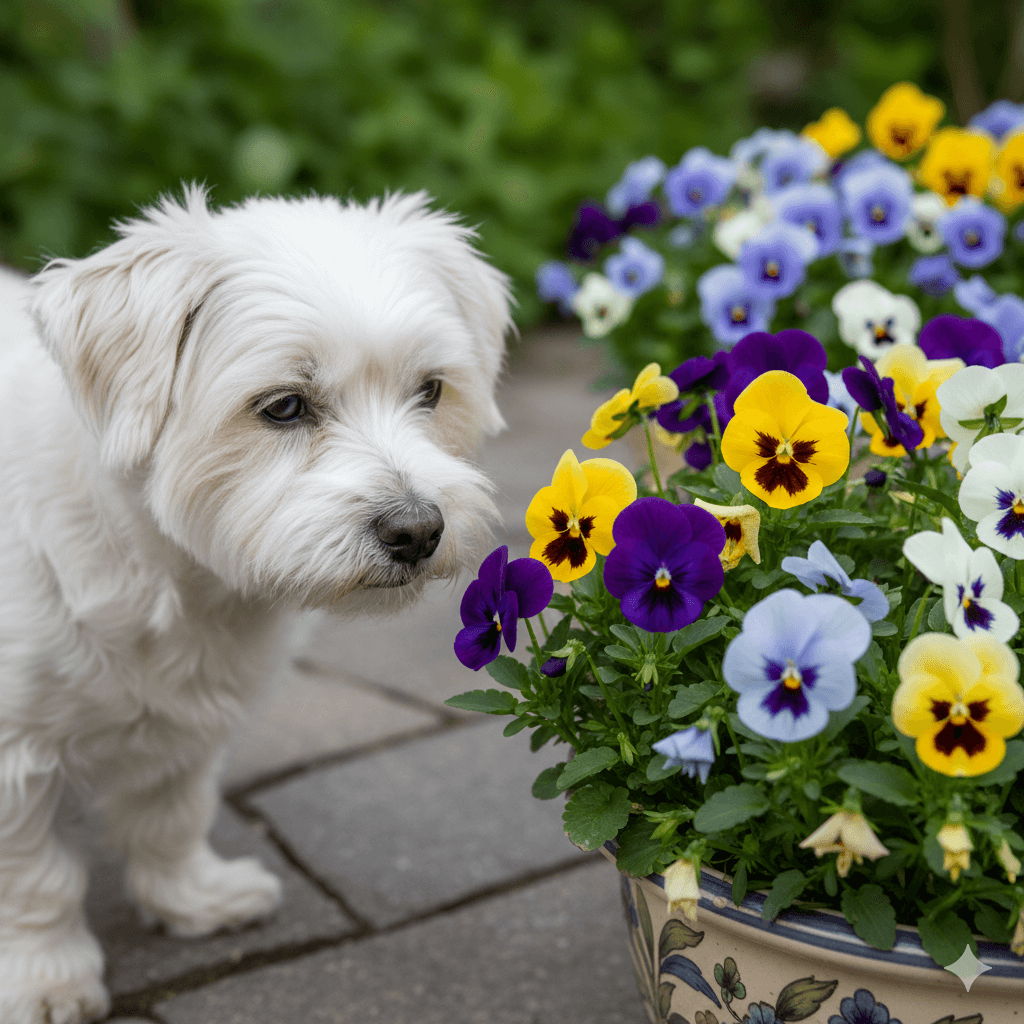

Are Pansies Poisonous to Dogs
Pansies are a favorite among gardeners for their cheerful, face-like blooms and cool-season resilience—but if you share your home with a curious canine, you might wonder: are these colorful flowers safe? Fortunately, pansies are generally considered non-toxic to dogs, making them a pet-friendly choice for beds, borders, and containers. However, “non-toxic” doesn’t always mean “risk-free.” Ingesting any plant material can lead to mild digestive upset in sensitive dogs. Knowing the facts helps you enjoy your garden while keeping your pup safe and comfortable.
Understanding the Safety Profile of Pansies
While pansies (Viola × wittrockiana) aren’t listed as poisonous by major veterinary toxicology resources like the ASPCA, it’s still wise to understand how they might affect your dog if nibbled or swallowed. Most dogs experience no serious issues, but individual sensitivities vary—especially in puppies or dogs with delicate stomachs.
- Non-Toxic Classification:
The ASPCA and other pet safety organizations classify pansies as non-toxic to dogs, meaning no known life-threatening compounds are present. - Mild Gastrointestinal Irritation Possible:
Eating large amounts may cause temporary nausea, drooling, or soft stool due to the plant’s fibrous texture—not toxicity. - Low Risk of Allergic Reaction:
Though rare, some dogs may show mild skin or oral irritation after contact with pollen or sap, especially if they have existing plant sensitivities. - No Known Cardiac or Neurological Effects:
Unlike truly toxic plants (like lilies or sago palms), pansies do not affect the heart, liver, kidneys, or nervous system. - Generally Unappealing to Most Dogs:
Their slightly bitter taste and fuzzy leaves often deter dogs from consuming more than a curious bite or two.
Because pansies lack dangerous alkaloids or glycosides, they’re among the safer ornamental flowers for dog-friendly landscaping—though moderation is still key.
Common Garden Plants That Are Actually Dangerous to Dogs
While pansies get a green light, many popular garden flowers and shrubs pose real threats to canine health. Knowing which plants to avoid—or fence off—can prevent emergency vet visits and keep your yard truly pet-safe.
- Lilies (Certain Varieties):
While “true lilies” (Lilium spp.) are highly toxic to cats, daylilies and peace lilies can still cause vomiting or mouth irritation in dogs. - Sago Palm:
Every part is poisonous, especially the seeds; ingestion can lead to liver failure and is potentially fatal even in small amounts. - Azaleas and Rhododendrons:
Contain grayanotoxins that can cause drooling, vomiting, weakness, and even cardiac issues in severe cases. - Tulips and Daffodils:
The bulbs are most toxic, but all parts can cause severe gastrointestinal upset, tremors, or heart rhythm changes. - Oleander:
Extremely toxic—even a few leaves can lead to serious heart arrhythmias, seizures, or death in dogs.
Always double-check plant toxicity before adding new greenery to your yard, especially if your dog likes to graze or dig.
Check this guide 👉Are Garter Snakes Poisonous to Dogs? Best 7 Expert Tips!
Check this guide 👉Food Poisoning Symptoms in Dogs: Best 7 Expert Tips!
Check this guide 👉Can a Dog Recover from Poisoning? Best 7 Expert Tips!
Pet-Safe Flowers | Plants to Avoid with Dogs |
|---|---|
Pansies | Sago Palm |
Marigolds (non-toxic varieties) | Azaleas |
Snapdragons | Tulip and daffodil bulbs |
Zinnias | Oleander |
Sunflowers | Lilies (certain types) |
Signs Your Dog May Have Eaten a Toxic Plant
Even if you’ve chosen dog-safe blooms like pansies, accidental ingestion of a harmful plant is always possible—especially in shared or public gardens. Recognizing early warning signs allows for faster intervention and better outcomes.
- Excessive Drooling or Pawing at Mouth:
Often the first sign of oral irritation or nausea after chewing on a toxic plant. - Repeated Vomiting or Diarrhea:
More than one episode, especially with blood or unusual color, suggests significant irritation or poisoning. - Lethargy or Weakness:
A sudden drop in energy could indicate systemic toxicity affecting organs like the liver or heart. - Loss of Coordination or Tremors:
Neurological symptoms like stumbling, shaking, or seizures require immediate emergency care. - Changes in Breathing or Heart Rate:
Rapid breathing, pale gums, or irregular pulse are red flags for severe toxicity.
If you suspect your dog ate a dangerous plant—even if symptoms seem mild—contact your vet or a pet poison helpline right away.
Safe Gardening Practices for Dog Owners
Creating a beautiful, bloom-filled yard doesn’t mean sacrificing your dog’s safety. With thoughtful planning and a few preventative habits, you can enjoy gardening while keeping your canine companion out of harm’s way.
- Choose Verified Non-Toxic Plants:
Stick to flowers like pansies, snapdragons, and sunflowers that are confirmed safe by veterinary sources. - Use Physical Barriers:
Install low fencing or raised beds around delicate or borderline plants to discourage sniffing or digging. - Train a “Leave-It” Command:
Consistent obedience training helps prevent impulsive plant-chewing during walks or backyard play. - Supervise Outdoor Time:
Especially in new gardens or unfamiliar areas, keep an eye on what your dog investigates or mouths. - Wash Paws After Gardening:
Fertilizers, pesticides, or plant residues can cling to fur and paws—rinse them off to prevent ingestion during grooming.
A dog-friendly garden is not only safer—it’s more relaxing for you and more enriching for your pup.
What to Do If Your Dog Eats Pansies
Though pansies aren’t poisonous, it’s natural to feel concerned if you catch your dog munching on them. Most cases require no treatment, but staying calm and observant ensures your dog stays comfortable.
- Stay Calm and Assess the Situation:
Note how much was eaten and whether the plant was treated with chemicals like pesticides or fertilizers. - Rinse Your Dog’s Mouth Gently:
Use clean water to remove any plant debris and soothe potential mild irritation. - Offer Fresh Water:
Hydration helps flush any plant fibers and prevents mild stomach upset from worsening. - Monitor for 24 Hours:
Watch for vomiting, diarrhea, or lethargy—though unlikely, individual reactions can vary. - Call Your Vet If Concerned:
Especially if your dog is very young, elderly, or has a history of digestive sensitivity.
In virtually all cases, eating pansies leads to nothing more than a curious snack with no lasting effects—peace of mind included.
Special Considerations for Puppies and Sensitive Breeds
Puppies, small breeds, and dogs with sensitive stomachs may react more strongly to even harmless plants. Their smaller size and developing systems mean extra caution is wise when introducing them to garden spaces.
- Puppies Explore With Their Mouths:
Teething pups are more likely to chew flowers—supervise closely and redirect to appropriate toys. - Toy Breeds Have Lower Tolerance:
A small stomach can be easily upset by fibrous plant material, even if non-toxic. - Brachycephalic Dogs May Gag Easily:
Breeds like Pugs or French Bulldogs can choke or cough if they swallow large flower pieces. - Dogs with IBD or Food Allergies:
May experience flare-ups from any foreign plant matter, regardless of toxicity. - Senior Dogs Need Extra Monitoring:
Reduced kidney or liver function can make even mild irritants harder to process.
For these groups, prevention through training and garden design is the best protection.
Additional Considerations for Dog-Safe Gardening with Pansies
Even though pansies are non-toxic, creating a truly safe outdoor environment for your dog involves more than just plant selection. Thoughtful planning around soil, layout, and seasonal care can further reduce any risk of stomach upset or accidental exposure to harmful substances.
- Avoid Chemical Fertilizers and Pesticides:
Many commercial garden products are toxic if licked or ingested; opt for organic, pet-safe alternatives whenever possible. - Use Raised Beds or Container Gardens:
Elevating pansies out of easy reach minimizes temptation for curious dogs while still adding beauty to your space. - Monitor for Mold or Fungal Growth:
Damp pansy beds can develop mildew, which may irritate your dog’s mouth or stomach if eaten—keep foliage dry and well-spaced. - Don’t Plant Pansies Near Toxic Varieties:
Even if your pansies are safe, nearby foxgloves, hydrangeas, or oleanders could be accidentally ingested during a sniffing spree. - Rotate Seasonal Blooms Thoughtfully:
When replacing pansies in summer, choose other dog-safe annuals like marigolds or zinnias to maintain a consistent safe garden year-round.
By going beyond toxicity lists and considering your dog’s natural behavior, you create a garden that’s both stunning and genuinely secure for your four-legged friend.
Frequently Asked Questions About Pansies and Dogs
Are pansies safe for dogs to smell or touch?
Yes—pansies pose no risk through skin contact or inhalation. Their scent and texture are harmless.
Can pansies treated with fertilizer or pesticides still harm my dog?
Yes. While the plant itself is safe, chemical treatments can be toxic. Always use pet-safe products or rinse plants after application.
Will my dog get sick if they eat a whole pansy plant?
Unlikely. Even large amounts typically cause only mild, temporary stomach upset—if any symptoms at all.
Are violas the same as pansies? Are they safe too?
Yes, violas are closely related and equally non-toxic. Both are safe choices for dog-friendly gardens.
How can I stop my dog from eating garden flowers?
Use consistent “leave-it” training, provide chew toys as alternatives, and consider raised beds or pet-free planting zones.
Enjoying a Beautiful, Worry-Free Garden With Your Dog
Pansies offer a burst of color without the worry—making them a smart, safe choice for dog-loving gardeners. While no plant is 100% risk-free if consumed in huge quantities, these cheerful blooms stand out as a low-concern option that aligns with responsible pet ownership. By combining pet-safe plant selections with thoughtful supervision and training, you create an outdoor space where beauty and safety coexist. After all, the joy of gardening multiplies when you can share it with your loyal companion—side by side, sniffing flowers, and soaking up the sun, worry-free.
Cat Wheat Allergies: Best 7 Expert Tips! – Discover symptoms, dietary solutions, and prevention strategies to manage your cat’s wheat allergy effectively.
Wheat Allergies in Dogs: Best 7 Expert Tips! – Learn to spot symptoms, manage diets, and improve your dog’s health with expert advice on wheat allergies.

How Much Does a Mastiff Dog Weigh? Best 7 Expert Tips! – Discover the ideal weight range, growth patterns, and health tips to keep your Mastiff happy and strong.
Amino Acids for Cats: Best 7 Expert Tips! – Discover the essential amino acids your cat needs, their benefits, and how to ensure a balanced diet for optimal health.