
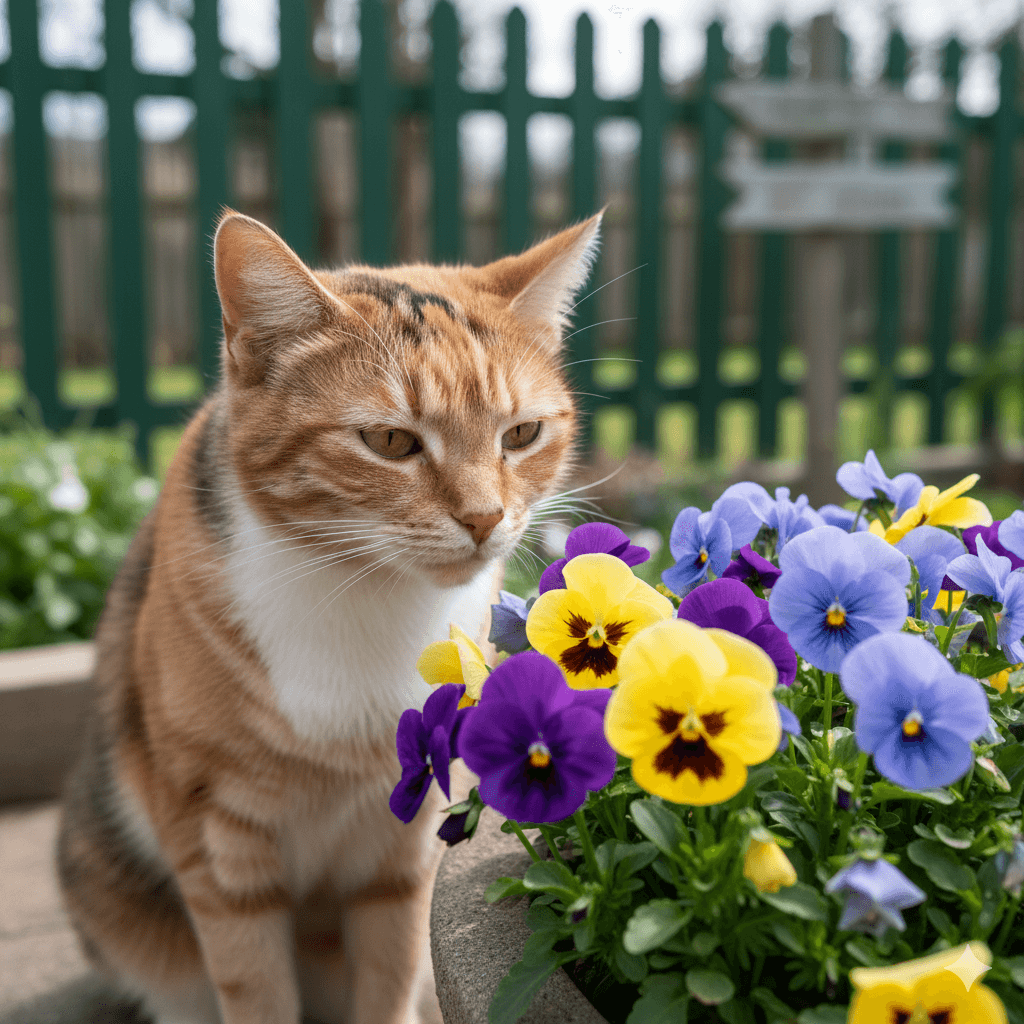

Are Pansies Poisonous to Cats?
Pansies are beloved for their cheerful, face-like blooms and cool-season hardiness—but if you share your home or garden with a curious cat, safety comes first. Many pet owners wonder whether these colorful flowers pose a threat to their feline friends. Fortunately, pansies are generally considered non-toxic to cats, according to major veterinary and toxicology sources. Still, ingestion can sometimes cause mild digestive upset, especially in sensitive individuals. Understanding the facts helps you garden confidently while keeping your cat safe and healthy.
Understanding Pansy Toxicity (or Lack Thereof)
While “non-toxic” sounds reassuring, it doesn’t always mean “harmless.” With pansies, the distinction matters—especially for cats who love to nibble on greenery. Here’s what current veterinary guidance tells us about their safety:
- Classified as Non-Toxic:
The ASPCA and other pet safety organizations list pansies (Viola × wittrockiana) as non-toxic to cats, meaning no known life-threatening compounds are present. - Mild Gastrointestinal Irritation Possible:
Eating large amounts may still cause temporary vomiting, drooling, or soft stool due to plant fiber or natural saponins—even in non-toxic plants. - No Known Neurological or Organ Effects:
Unlike truly toxic plants (like lilies), pansies don’t affect the kidneys, liver, or nervous system in cats, even if ingested. - Safe for Indoor and Outdoor Use:
Whether grown in window boxes, garden beds, or indoor pots, pansies pose minimal risk around cats when used responsibly. - Pesticide Risk Is Greater Than Plant Risk:
The real danger often lies in chemical treatments—fertilizers, insecticides, or fungicides used on ornamental pansies can be harmful if licked or ingested.
So while your cat won’t face poisoning from a few nibbled petals, it’s still wise to discourage habitual plant-eating for overall digestive comfort.
Signs Your Cat May Have Eaten Too Much Greenery
Even non-toxic plants can trigger reactions in sensitive cats. If your feline friend has been grazing on pansies or other garden plants, watch for these common—but usually mild—symptoms:
- Brief Vomiting Episode:
A single bout of vomiting shortly after eating plant material is often the body’s way of expelling indigestible fiber. - Increased Drooling:
Some cats salivate more when tasting unfamiliar or bitter-tasting plant matter, even if it’s harmless. - Mild Diarrhea or Soft Stool:
Temporary changes in bowel movements may occur but should resolve within 12–24 hours. - Lethargy or Disinterest in Food:
A short period of quiet behavior is normal after minor stomach upset, but prolonged lethargy warrants concern. - Pawing at Mouth or Lip Smacking:
These gestures may indicate mild oral irritation or an unpleasant taste—not true toxicity.
Most cats bounce back quickly without treatment, but monitor closely for any worsening or persistent signs.
Check this guide 👉Cat Ingested Rat Poison Symptoms: Best 7 Expert Tips!
Check this guide 👉Symptoms of Flea Treatment Poisoning in Cats: Best 7 Tips!
Check this guide 👉Signs of Plant Poisoning in Cats: Best 7 Expert Tips!
Safe Plant Behaviors | Warning Signs to Watch For |
|---|---|
Occasional sniffing or light nibbling | Repeated vomiting or diarrhea |
Brief interest then walking away | Refusal to eat or drink for >12 hours |
Normal energy and grooming afterward | Tremors, difficulty breathing, or collapse |
Clear eyes and moist gums | Excessive drooling or pawing at face |
Using pansies as a nap spot (not food!) | Blood in vomit or stool |
Why Cats Eat Flowers (Even Safe Ones)
Cats aren’t natural vegetarians, yet many nibble on grass, leaves, or blooms like pansies. This behavior often stems from instinct, boredom, or subtle nutritional cues:
- Instinctual Grass-Eating Behavior:
Wild ancestors consumed plant matter from prey stomachs; domestic cats may seek greens for similar gut-cleansing effects. - Boredom or Environmental Enrichment:
Indoor cats with limited stimulation may chew plants simply because they’re novel, textured, or accessible. - Fiber or Nutrient Seeking:
Some experts believe cats self-supplement with greens for trace nutrients or to aid hairball passage. - Attraction to Moisture or Scent:
Fresh pansies may draw cats due to dew, cool leaves, or mild floral fragrance—not taste or hunger. - Kitten Curiosity:
Young cats explore the world with their mouths, making them more likely to sample unfamiliar plants—even safe ones.
Understanding the “why” helps you redirect the behavior safely, rather than just reacting after the fact.
How to Keep Your Cat Safe Around Garden Plants
Even with non-toxic flowers like pansies, proactive measures reduce unnecessary risks and support your cat’s well-being:
- Place Pansies Out of Easy Reach:
Use hanging baskets, elevated planters, or enclosed garden beds to discourage grazing. - Avoid Chemical Treatments:
Choose organic pest control and natural fertilizers to eliminate hidden toxin exposure. - Provide Cat-Safe Greens:
Grow cat grass (wheatgrass or oat grass) indoors as a healthy alternative to outdoor plants. - Supervise Outdoor Time:
If your cat explores the yard, accompany them or use a catio to limit unsupervised plant access. - Train “Leave-It” Cues Early:
Use positive reinforcement to teach your cat to avoid plants—reward attention on toys instead.
These steps create a safer, more enriching environment that respects both your garden and your cat’s instincts.
Other Common Garden Flowers and Their Risks to Cats
Not all pretty plants are pet-friendly. While pansies are low-risk, many popular blooms can be dangerous—sometimes fatally so:
- Lilies (True Lilies & Daylilies):
Extremely toxic to cats; even pollen ingestion can cause kidney failure. - Tulips and Daffodils:
Contain toxic alkaloids in bulbs; ingestion may cause drooling, vomiting, or cardiac issues. - Chrysanthemums:
Contain pyrethrins that can trigger vomiting, diarrhea, and skin irritation in cats. - Amaryllis:
Contains lycorine, which may lead to abdominal pain, tremors, and low blood pressure. - Cyclamen:
Roots contain saponins that can cause severe gastrointestinal upset and heart rhythm abnormalities.
Always research a plant’s safety before adding it to cat-accessible spaces—when in doubt, choose cat-friendly alternatives.
When to Call Your Veterinarian
Although pansy ingestion rarely requires emergency care, certain situations call for professional advice:
- Large Quantities Consumed:
If your cat ate an entire pot or flower bed, monitor closely—even non-toxic plants can cause blockages in excess. - Preexisting Health Conditions:
Cats with sensitive stomachs, IBD, or kidney issues may react more strongly to plant material. - Symptoms Lasting Over 24 Hours:
Persistent vomiting, diarrhea, or refusal to eat warrants a vet check to rule out other causes. - Uncertainty About Plant Identity:
If you’re unsure whether it was truly a pansy (or if other toxic plants were nearby), err on the side of caution. - Concurrent Exposure to Chemicals:
Suspected ingestion of pesticide-treated plants should always be reported to your vet immediately.
Your vet can guide you on whether home monitoring is sufficient or if an in-person evaluation is needed.
Common Myths About Pansies and Cat Safety
Misinformation about plant toxicity can cause unnecessary worry—or dangerous complacency. When it comes to pansies and cats, several myths persist that may cloud good judgment. Separating fact from fiction helps you make informed, calm choices for your feline companion:
- “All Flowers Are Dangerous to Cats”:
While many ornamental plants are toxic (like lilies), pansies are a well-documented exception and considered safe by veterinary toxicology databases. - “If It’s Non-Toxic, My Cat Can Eat as Much as They Want”:
Even harmless plants can cause stomach upset in excess—moderation and supervision still matter for digestive comfort. - “Pansies Are Just as Risky as Poinsettias”:
Poinsettias cause mild irritation, but pansies are even less reactive; neither is severely toxic, but pansies pose fewer risks overall. - “Outdoor Cats Don’t Need Garden Monitoring”:
Free-roaming cats may still encounter pesticide-treated pansies or confuse them with toxic look-alikes—supervision reduces hidden hazards. - “If My Cat Ate Pansies and Vomited, It’s an Emergency”:
A single vomiting episode after plant nibbling is usually self-limiting; true emergencies involve blood, tremors, or persistent distress.
Understanding these truths empowers you to garden peacefully without panic—while still honoring your cat’s health and instincts.
Frequently Asked Questions About Pansies and Cats
Are pansies safe for cats to smell or touch?
Yes—simply smelling or brushing against pansies poses no risk to cats. Toxicity concerns only apply to ingestion, and even then, pansies are non-toxic.
Can kittens eat pansies?
While not poisonous, kittens have delicate digestive systems. It’s best to discourage any plant-eating in young cats to avoid upset.
Do pansies attract insects that could harm cats?
Pansies may attract aphids or slugs, but these aren’t directly dangerous. However, chemical treatments used to kill them might be—so opt for pet-safe pest control.
Will my cat get sick from licking pollen off its paws after walking through pansies?
Unlikely. Pansy pollen isn’t toxic, and casual contact won’t cause illness in cats.
Are there cat-friendly alternatives to pansies with similar colors?
Yes—try snapdragons, marigolds (non-pyrethrum types), or catnip for colorful, safe garden options that won’t harm your feline friend.
Creating a Joyful, Safe Space for Cats and Gardens Alike
Gardening and cat ownership can beautifully coexist—especially when you choose plants like pansies that bring color without compromise. By understanding which flowers are safe and which to avoid, you protect your curious companion while still enjoying nature’s beauty. Remember, even non-toxic plants are best offered alongside enrichment like cat grass, safe toys, and supervised outdoor time. With a little planning and awareness, you can cultivate a space where both your garden and your cat thrive in harmony.
Understanding Cryptosporidium in Cats: Best 7 Expert Tips! – Spot symptoms, treat safely, and stop parasite spread in your home.
Understanding Cryptosporidium in Dogs: Best 7 Expert Tips! – Learn symptoms, treatment & prevention for this stubborn gut parasite.
Understanding Syringomyelia in Cats: Best 7 Expert Tips! – Recognize signs, manage pain, and support your cat’s neurological health with vet-backed guidance.
Understanding Syringomyelia in Dogs: Best 7 Expert Tips! – Expert insights on symptoms, MRI diagnosis, pain management & quality of life.


