

Are Giant Schnauzers Hypoallergenic? Best 7 Health Tips!

Are Giant Schnauzers Hypoallergenic? Best 7 Health Tips!

Are Giant Schnauzers Hypoallergenic? Unpacking the Truth About This Majestic Breed


If you’re considering adding a Giant Schnauzer to your family, one of the first questions you might ask is whether they are hypoallergenic. Known for their striking appearance, intelligence, and loyalty, Giant Schnauzers are a popular choice for dog lovers. However, for those with allergies, understanding their shedding habits and grooming needs is crucial. While no dog is completely hypoallergenic, some breeds are better suited for allergy sufferers due to their coat type and shedding patterns. In this blog post, we’ll explore whether Giant Schnauzers fall into this category and provide tips for managing allergies while living with this remarkable breed.

What Makes a Dog Hypoallergenic? Key Factors to Consider


Before diving into whether Giant Schnauzers are hypoallergenic, it’s important to understand what makes a dog hypoallergenic in the first place. Allergies to dogs are often triggered by proteins found in their dander (dead skin flakes), saliva, and urine—not just their fur. Here’s a breakdown of the factors that determine hypoallergenic qualities in dogs.

 
  • Low Dander Production:
    Hypoallergenic dogs typically produce less dander, which reduces the amount of allergens in your home.

  • Minimal Shedding:
    Dogs that shed less tend to release fewer allergens into the environment.

  • Coat Type:
    Curly or wiry coats are often associated with hypoallergenic breeds because they trap dander and loose hair.

  • Frequent Grooming Needs:
    Regular grooming can help minimize allergens by removing loose hair and dander.

  • Saliva Allergens:
    Some people are allergic to proteins in a dog’s saliva, which can be transferred through licking.


While no dog is entirely free of allergens, these factors can significantly reduce the impact on allergy sufferers. Understanding them will help you assess whether a Giant Schnauzer is a good fit for your household.


Are Giant Schnauzers Hypoallergenic? A Closer Look at Their Coat and Shedding


Giant Schnauzers are often considered a good option for allergy sufferers, but how do they measure up when it comes to hypoallergenic qualities? Let’s examine their coat type, shedding tendencies, and overall compatibility with allergy-prone individuals.

 
  • Wiry Double Coat:
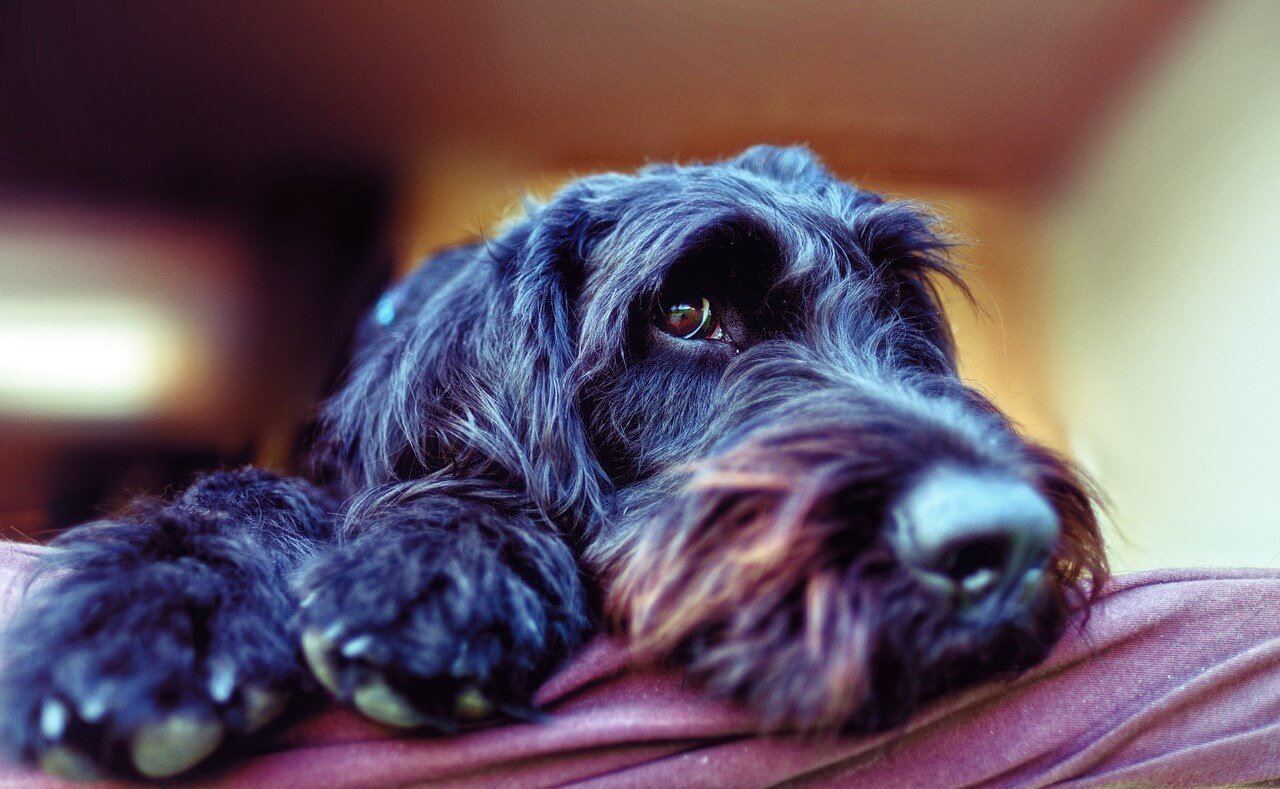
    Giant Schnauzers have a dense, wiry outer coat and a soft undercoat, which helps trap dander and loose hair.

  • Moderate Shedding:
    Unlike heavy shedders like Golden Retrievers, Giant Schnauzers shed minimally, reducing the spread of allergens.

  • Regular Grooming Required:
    Their coat needs frequent brushing and professional grooming to prevent matting and control shedding.

  • Dander Control:
    With proper care, their wiry coat can help limit the amount of dander released into your home.

  • Not Fully Hypoallergenic:
    While they are better for allergy sufferers than many other breeds, they are not completely hypoallergenic due to their double coat.


These characteristics make Giant Schnauzers a manageable choice for those with mild allergies, but they may still pose challenges for severe allergy sufferers. Proper grooming and cleaning routines are essential for minimizing allergens.

Are Giant Schnauzers Hypoallergenic? Best 7 Health Tips!
Hypoallergenic Qualities
Challenges for Allergy Sufferers
Minimal shedding
Moderate dander production
Wiry coat traps allergens
Requires frequent grooming
Low-maintenance drooling
Double coat can hold allergens
Suitable for mild allergies
Not ideal for severe allergies
Compatible with regular cleaning
Saliva may trigger allergies

Tips for Managing Allergies with a Giant Schnauzer in Your Home


If you decide to bring a Giant Schnauzer into your life despite allergies, there are several strategies you can implement to minimize allergens and create a comfortable living environment. Here are some practical tips to help you manage allergies effectively.

 
  • Frequent Bathing:
    Bathe your Giant Schnauzer regularly to remove loose hair, dander, and allergens from their coat.

  • HEPA Air Purifiers:
    Use air purifiers with HEPA filters to capture airborne allergens in your home.

  • Limit Access to Bedrooms:
    Keep your dog out of bedrooms and other areas where you spend a lot of time to reduce exposure.

  • Regular Vacuuming:
    Invest in a vacuum cleaner designed for pet hair to clean floors, carpets, and upholstery frequently.

  • Grooming Outside:
    Brush your dog outdoors to prevent loose hair and dander from spreading indoors.


By incorporating these practices into your routine, you can enjoy the companionship of a Giant Schnauzer while keeping allergies under control. Consistency is key to maintaining a harmonious household.

Alternative Breeds for Severe Allergy Sufferers


If you find that a Giant Schnauzer isn’t the best fit for your allergies, don’t worry—there are plenty of other breeds known for being more hypoallergenic. Here are some alternatives that might suit your needs better.

 
  • Poodle:
    Poodles are highly hypoallergenic due to their curly, non-shedding coats.

  • Bichon Frise:
    This small breed has a fluffy, hypoallergenic coat and produces minimal dander.

  • Portuguese Water Dog:
    Known for their low-shedding, curly coats, these dogs are a great option for allergy sufferers.

  • Basenji:
    Basenjis groom themselves like cats, resulting in less dander and shedding.

  • Schnauzer (Miniature):
    Miniature Schnauzers share similar coat traits with Giants but are smaller and easier to manage for allergies.


These breeds offer excellent options for those with severe allergies, ensuring you can still experience the joy of dog ownership without compromising your health.

Benefits of Owning a Giant Schnauzer

Beyond their hypoallergenic qualities, Giant Schnauzers offer numerous benefits that make them a beloved breed for many families. Here are some reasons why they stand out.

 
  • Intelligence:
    Known for their sharp minds, Giant Schnauzers excel in training and problem-solving tasks.

  • Loyalty:
    They form strong bonds with their families and are fiercely protective.

  • Versatility:
    Giant Schnauzers thrive in various roles, from family pets to working dogs in police or therapy settings.

  • Energy Levels:
    Their high energy makes them perfect companions for active individuals or families.

  • Distinctive Appearance:
    Their striking beard and confident stance make them stand out in any crowd.


These qualities make Giant Schnauzers a rewarding choice for the right owner, even if allergies require extra care.

Common Misconceptions About Giant Schnauzers and Allergies

There are several myths surrounding Giant Schnauzers and their hypoallergenic status. Let’s debunk some common misconceptions to help you make an informed decision.

 
  • Myth: They Don’t Shed at All:
    While shedding is minimal, it still occurs and requires regular grooming to manage.

  • Myth: Hypoallergenic Means Allergy-Free:
    Hypoallergenic breeds still produce allergens; they simply produce fewer than others.

  • Myth: Only Coat Type Matters:
    Saliva and dander also contribute to allergies, so coat type isn’t the only factor.

  • Myth: Giant Schnauzers Are High-Maintenance:
    While grooming is necessary, their care routine is manageable with consistency.

  • Myth: They’re Not Suitable for Families:
    With proper training and socialization, Giant Schnauzers make excellent family pets.


Understanding these truths ensures you approach ownership with realistic expectations.


Fun Facts About Giant Schnauzers

To wrap things up, here are some fun facts about Giant Schnauzers that highlight their unique charm and history.

 
  • Origins as Working Dogs:
    Originally bred in Germany to herd cattle and guard farms, they were prized for their versatility.

  • War Heroes:
    During World War I and II, Giant Schnauzers served as messenger dogs and guard dogs.

  • Three Sizes, One Breed:
    The Schnauzer family includes Miniature, Standard, and Giant varieties, all sharing similar traits.

  • Beards Have a Purpose:
    Their iconic beards protected them from bites during farm work and added to their rugged charm.

  • Loving Companions:
    Despite their tough exterior, Giant Schnauzers are affectionate and thrive on human interaction.


These fun facts showcase the rich history and endearing qualities of Giant Schnauzers, making them even more special as companions.

Frequently Asked Questions About Giant Schnauzers and Allergies

 
Are Giant Schnauzers completely hypoallergenic?

No, they are not fully hypoallergenic but are better for allergy sufferers than many other breeds.

Regular brushing every few days and professional grooming every 6-8 weeks is recommended.

It depends on the severity of your condition; consult an allergist before committing.

They drool minimally compared to breeds like Bulldogs, making them easier for allergy sufferers.

Use a HEPA vacuum and wash bedding frequently to minimize allergens.

The Verdict: Is a Giant Schnauzer Right for You?


In conclusion, while Giant Schnauzers are not fully hypoallergenic, they are a relatively good choice for individuals with mild allergies. Their wiry coat and minimal shedding make them easier to manage compared to many other breeds. However, proper grooming, cleaning, and allergy management are essential to ensure a harmonious living environment. If you’re willing to put in the effort, a Giant Schnauzer can be a loyal and loving companion who brings immense joy to your life. Always consult with an allergist and spend time with the breed before making a final decision.

Is Rawhide Bad for Cats? Best 7 Expert Tips!

Is Rawhide Bad for Cats? Best 7 Expert Tips! – Discover the risks, safe alternatives, and expert advice to keep your feline friend healthy and happy.

Is Rawhide Bad for Dogs? Best 7 Expert Tips!

Is Rawhide Bad for Dogs? Best 7 Expert Tips! – Discover the risks, benefits, and safer alternatives to rawhides for your dog’s chewing needs.

Understanding Anorexia in Cats: Best 7 Expert Tips!

Understanding Anorexia in Cats: Best 7 Expert Tips! – Learn why cats stop eating, spot warning signs, and discover how to help your feline regain appetite safely.

Understanding Anorexia in Dogs: Best 7 Expert Tips!

Understanding Anorexia in Dogs: Best 7 Expert Tips! – Learn causes, symptoms, and solutions to help your dog regain appetite and stay healthy.

Leave a Reply

Your email address will not be published. Required fields are marked *