
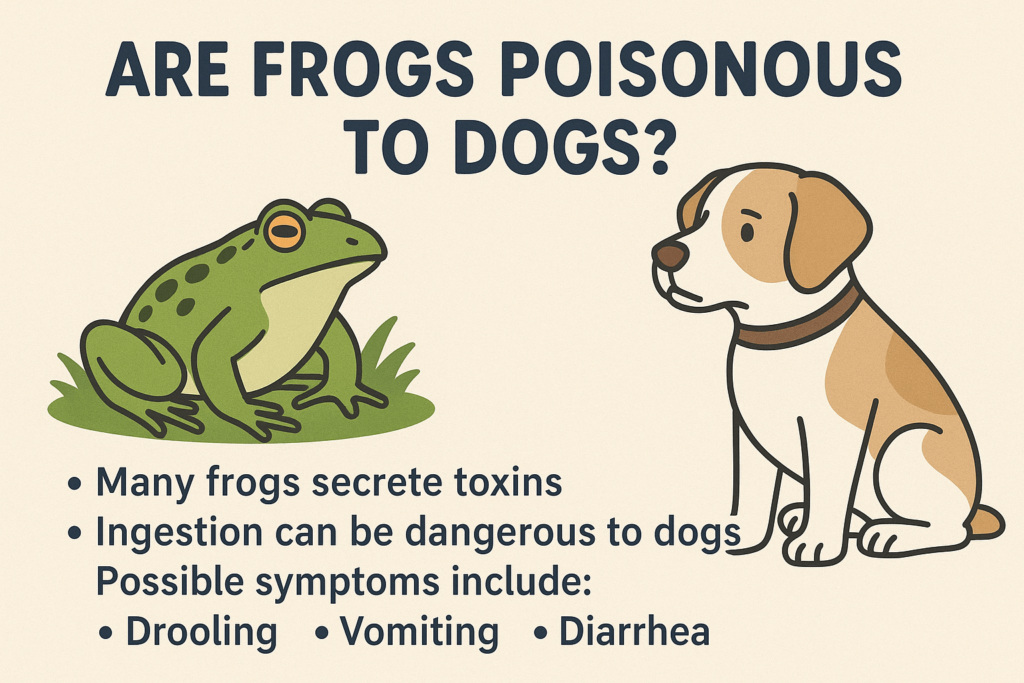

Are Frogs Poisonous to Dogs? What Every Pet Owner Should Know
Dogs are naturally curious creatures, and their playful nature often leads them to investigate small animals like frogs. While most frogs are harmless, some species can pose a serious threat to your furry friend due to toxins they secrete or carry. As a responsible pet owner, it’s important to understand which frogs are dangerous, how they can harm your dog, and what steps you can take to keep your pup safe. In this blog post, we’ll explore everything you need to know about the risks frogs may pose to dogs and how to handle potential encounters effectively.
Expert Insight: What to Do If Your Dog Encounters a Frog
“If your dog has had a run-in with a frog, don’t panic. Though all frogs produce skin secretions as a defense mechanism against predators, most will not pose significant risks to your dog. However, a few species are very dangerous, so identifying the species and contacting your veterinarian, if necessary, should be at the top of your list in this situation.”
Understanding the Risks: Which Frogs Are Dangerous?
Not all frogs are created equal when it comes to toxicity. Some species produce harmful substances that can cause mild irritation or even life-threatening reactions in dogs. Here’s an overview of the most concerning types of frogs and their effects.
Cane Toads (Rhinella marina):
Found in Florida, Hawaii, and Australia, cane toads secrete a potent toxin through glands on their backs. This toxin can lead to severe symptoms if ingested by dogs.Colorado River Toads (Incilius alvarius):
These large toads, native to the southwestern United States and Mexico, release a milky poison that affects the nervous system and heart.Green and Black Dart Frogs:
Native to Central and South America, these brightly colored frogs contain neurotoxins that can be deadly if ingested.Pickerel Frogs:
Common in North America, pickerel frogs secrete skin irritants that may cause drooling, vomiting, or diarrhea in dogs.Fire-Bellied Toads:
Though less common as wild encounters, fire-bellied toads kept as pets can still pose risks due to their toxic secretions.
Knowing which frogs are dangerous helps you stay vigilant during outdoor adventures and ensures you can act quickly if your dog comes into contact with one.
Symptoms of Frog Poisoning in Dogs
If your dog interacts with a poisonous frog, recognizing the signs early can make all the difference in treatment and recovery. Keep an eye out for these symptoms after any suspected encounter.
Excessive Drooling:
One of the first signs of poisoning is excessive salivation, often accompanied by foaming at the mouth.Vomiting and Diarrhea:
Gastrointestinal distress is common following exposure to frog toxins and should not be ignored.Seizures or Tremors:
Neurological symptoms such as seizures, muscle tremors, or uncoordinated movements indicate severe poisoning.Redness or Irritation Around the Mouth:
Contact with frog toxins can cause localized irritation, swelling, or redness where the dog licked or bit the frog.Lethargy or Collapse:
Extreme weakness, difficulty breathing, or collapse requires immediate veterinary attention.
Prompt recognition of these symptoms allows you to seek help quickly and minimize the risk of complications for your dog.
Check this guide 👉Can a Dog Recover from Poisoning? Best 7 Expert Tips!
Check this guide 👉Are Gardenias Poisonous to Dogs? Best 7 Expert Tips!
Check this guide 👉Dog Rat Poison Symptoms: Best 7 Expert Tips!
Preventive Measures | What to Do If Your Dog Encounters a Frog |
|---|---|
Supervise outdoor playtime closely | Rinse your dog’s mouth with water immediately |
Train your dog to avoid chasing wildlife | Call your veterinarian for advice |
Remove standing water from your yard | Monitor for symptoms of poisoning |
Install fencing around ponds or wetlands | Keep your dog calm and restrict activity |
Learn about local toxic frog species | Seek emergency care if symptoms worsen |
How to Prevent Frog Encounters with Your Dog
Prevention is the best way to ensure your dog stays safe from potentially harmful frogs. By taking a few simple precautions, you can reduce the likelihood of dangerous encounters.
Keep Your Yard Clean and Dry:
Eliminate standing water sources, such as puddles or old buckets, where frogs might gather.Use Natural Deterrents:
Plant citronella or lemongrass around your property, as these scents repel frogs without harming them.Secure Outdoor Spaces:
Install barriers around ponds or other water features to prevent frogs from entering your yard.Train Recall Commands:
Teach your dog reliable recall commands so they’ll return to you before approaching unknown animals.Avoid Walking Near Wetlands at Night:
Frogs are more active during nighttime hours, so steer clear of marshy areas after dark.
By implementing these strategies, you can create a safer environment for your dog while respecting local wildlife.
Treatment Options for Frog Poisoning in Dogs
If your dog shows signs of frog poisoning, acting swiftly is crucial. Understanding the available treatment options ensures you’re prepared in case of an emergency.
Immediate First Aid:
Rinse your dog’s mouth thoroughly with clean water to remove any residual toxins. Avoid inducing vomiting unless instructed by a vet.Contact Your Veterinarian:
Describe the situation in detail and follow their guidance, especially if symptoms worsen or persist.Administer Activated Charcoal (if advised):
Vets may recommend activated charcoal to absorb toxins in the stomach, but only under professional supervision.Provide IV Fluids (Veterinary Care):
Severe cases may require intravenous fluids to stabilize your dog and flush out toxins.Monitor Recovery Closely:
Even after initial treatment, watch for lingering symptoms or secondary infections over the following days.
Quick action combined with professional care gives your dog the best chance of recovering fully from frog poisoning.
Types of Non-Toxic Frogs Safe Around Dogs
While some frogs are toxic, many species are perfectly safe around dogs. Familiarizing yourself with these harmless frogs can ease concerns about outdoor exploration.
American Bullfrogs:
Large and common in North America, bullfrogs pose no threat unless mishandled excessively.Spring Peepers:
Tiny tree frogs known for their chirping calls, spring peepers are non-toxic and unlikely to interest dogs.Gray Tree Frogs:
These camouflaged frogs are widespread in wooded areas and do not secrete harmful substances.Wood Frogs:
Recognizable by their “robber mask” markings, wood frogs are harmless to pets and humans alike.Leopard Frogs:
Often found near ponds, leopard frogs are non-toxic and generally shy away from larger animals.
Knowing which frogs are safe allows you to focus on preventing encounters with truly dangerous species.
How Frogs Defend Themselves Against Predators
Frogs have evolved various defense mechanisms to protect themselves from predators, including dogs. Understanding these strategies explains why some frogs are hazardous.
Toxic Secretions:
Many frogs excrete toxins through glands on their skin, deterring predators from eating them.Bright Coloration:
Vibrant colors signal toxicity, warning potential threats to stay away.Camouflage Techniques:
Some frogs blend seamlessly into their surroundings to avoid detection altogether.Unpleasant Taste:
Certain species produce bitter-tasting compounds that discourage predators from swallowing them.Puffing Up Their Bodies:
Frogs like toads inflate their bodies to appear larger and less appealing to attackers.
These defenses highlight the fascinating ways frogs adapt to survive in the wild.
Tips for Educating Children About Frogs and Pets
Children often share a home with pets and may encounter frogs during outdoor play. Teaching them about frog safety fosters respect for both animals and prevents accidents.
Explain Why Frogs Shouldn’t Be Touched:
Emphasize that some frogs can be dangerous and should be admired from a distance.Teach Recognition Skills:
Show children pictures of local frog species and discuss which ones are safe versus risky.Encourage Gentle Curiosity:
Reinforce the importance of observing wildlife respectfully without disturbing it.Role-Play Emergency Scenarios:
Practice what to do if a pet or child comes into contact with a suspicious frog.Promote Environmental Awareness:
Help kids understand how protecting frog habitats benefits ecosystems and reduces risks.
Educating young minds ensures a harmonious coexistence between pets, people, and amphibians.
Frequently Asked Questions About Frogs and Dogs
Can all frogs harm my dog?
No, most frogs are harmless, but certain species like cane toads and Colorado River toads produce toxins that can be dangerous.
What should I do if my dog eats a frog?
Rinse your dog’s mouth immediately and contact your veterinarian for further instructions.
Are there frogs that aren’t poisonous?
Yes, many frog species are non-toxic and pose no threat to dogs unless ingested in large quantities.
How long does it take for symptoms to appear?
Symptoms typically occur within minutes to hours after exposure, depending on the frog species involved.
Is frog poisoning treatable?
With prompt veterinary care, most cases of frog poisoning are treatable, though severe cases may require intensive intervention.
Staying Vigilant for Your Dog’s Safety
While frogs may seem harmless, certain species can pose significant risks to dogs, making awareness and prevention essential. By understanding which frogs are dangerous, recognizing the signs of poisoning, and taking proactive measures, you can safeguard your pet during outdoor adventures. Remember, quick thinking and access to veterinary care are key to ensuring your dog’s well-being in the event of an encounter. With knowledge and preparation, you can enjoy peace of mind knowing your furry companion is protected from the hidden dangers of the natural world.
Understanding Cryptosporidium in Cats: Best 7 Expert Tips! – Spot symptoms, treat safely, and stop parasite spread in your home.
Understanding Cryptosporidium in Dogs: Best 7 Expert Tips! – Learn symptoms, treatment & prevention for this stubborn gut parasite.
Understanding Syringomyelia in Cats: Best 7 Expert Tips! – Recognize signs, manage pain, and support your cat’s neurological health with vet-backed guidance.
Understanding Syringomyelia in Dogs: Best 7 Expert Tips! – Expert insights on symptoms, MRI diagnosis, pain management & quality of life.


