
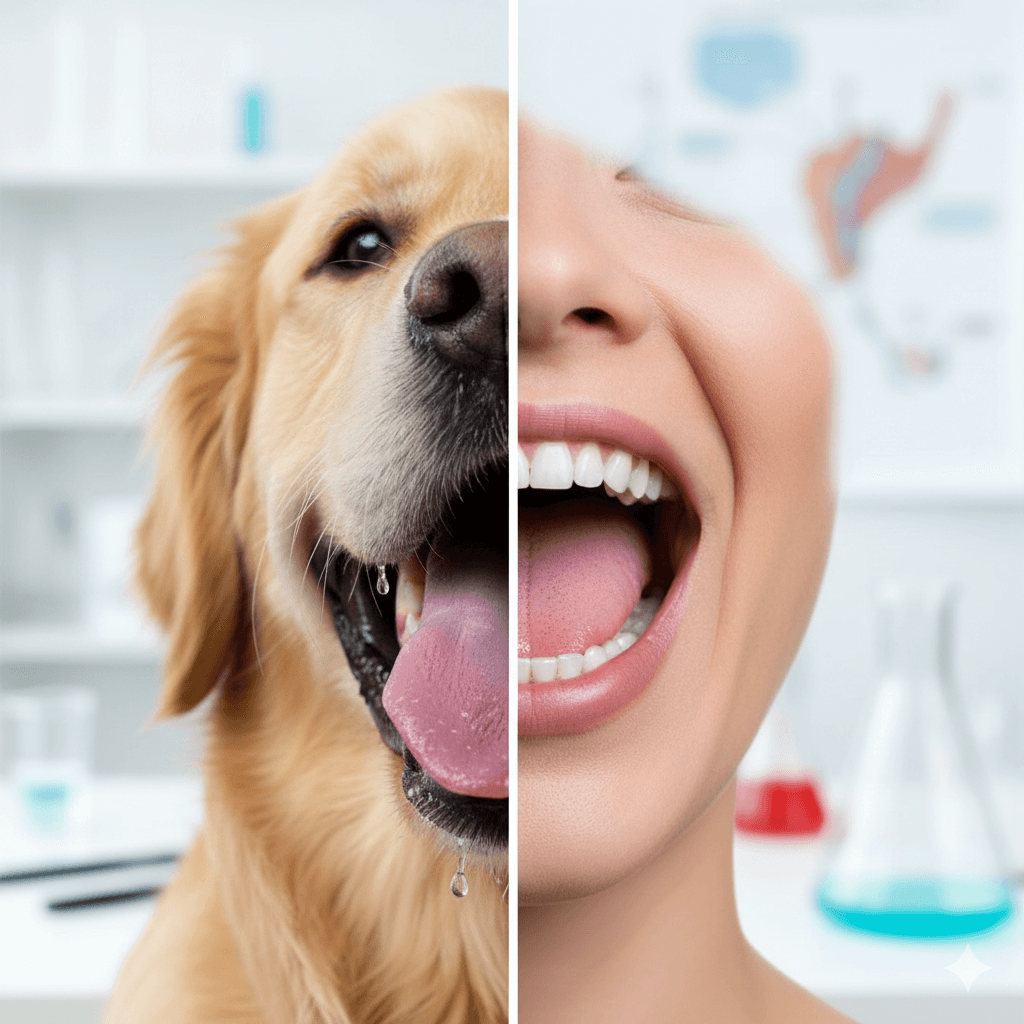

Are Dogs Mouths Cleaner Than Humans? Best 7 Expert Tips!

Are Dogs Mouths Cleaner Than Humans? Best 7 Expert Tips!

Are Dogs Mouths Cleaner Than Humans?

You’ve probably heard the old saying: “A dog’s mouth is cleaner than a human’s.” It’s a comforting idea—especially after your pup gives you a sloppy kiss or licks a minor scrape. But is it true? The reality is more nuanced than myth suggests. While dogs’ saliva does contain some antibacterial properties, their mouths also harbor a wide range of bacteria, many unique to their species. Understanding the facts helps you enjoy your dog’s affection while staying mindful of hygiene and health risks—especially for vulnerable individuals. Let’s separate science from speculation.

Common Myths About Canine Oral Cleanliness

The belief that dogs’ mouths are “cleaner” likely stems from their instinct to lick wounds, which can appear to promote healing. However, modern veterinary science reveals a more complex picture. While some components in dog saliva may support tissue repair, the overall bacterial load and types differ significantly from humans—and aren’t inherently “cleaner.”

 
  • The “Healing Lick” Misconception:
    Dogs lick wounds to remove debris and stimulate circulation, but this doesn’t mean their saliva is sterile—licking can introduce harmful bacteria and delay healing.
     
  • Different Bacteria, Not Fewer:
    Dogs host over 600 types of oral bacteria—many harmless to them but potentially problematic for humans, especially through open wounds or compromised immunity.
     
  • No Scientific “Cleaner” Rating:
    There’s no objective metric to claim one species’ mouth is “cleaner”; bacterial composition simply varies by diet, hygiene, and biology.
     
  • Raw Diets Increase Oral Pathogens:
    Dogs fed raw meat or bones often carry more pathogenic bacteria like Salmonella or E. coli in their mouths, increasing transmission risk.
     
  • Human Oral Hygiene Is Far Superior:
    Most people brush daily, use mouthwash, and visit dentists—practices that drastically reduce harmful microbes, unlike most dogs’ routines.
 

So while a dog’s lick might feel affectionate, it’s not a substitute for antiseptic—and certainly not proof of superior cleanliness.

Are Dogs Mouths Cleaner Than Humans? Best 7 Expert Tips!

What Science Says About Bacteria in Dog vs. Human Mouths

Researchers have compared oral microbiomes across species, and the consensus is clear: dogs and humans share very few overlapping oral bacteria. This means dog germs usually don’t cause illness in humans—but under certain conditions, they can.

 
  • Minimal Bacterial Overlap:
    Less than 15% of oral bacteria are shared between dogs and humans, reducing cross-species infection risk but not eliminating it.
     
  • Capnocytophaga Canimorsus Risk:
    This rare but serious bacterium lives in dog mouths and can cause sepsis in immunocompromised people—usually after bites, but occasionally from licks.
     
  • Oral Health Reflects Overall Health:
    A dog with tartar, gum disease, or bad breath has a higher bacterial load—just like a human with poor dental care.
     
  • Saliva Contains Lysozyme and Peroxidase:
    These enzymes in dog saliva do have mild antimicrobial effects, but they’re not strong enough to neutralize all pathogens.
     
  • Zoonotic Potential Exists:
    Though uncommon, parasites (like Giardia) or bacteria can transfer via saliva if hygiene is poor or barriers (like cuts) are present.
 

Science doesn’t support the “cleaner” myth—but it does confirm that healthy dogs pose low risk to healthy humans with basic precautions.

Dog Oral Facts
Human Oral Realities
Over 600 bacterial species
Around 700+ bacterial species
Rarely brushed or cleaned professionally
Daily brushing and dental visits common
Bacteria adapted to raw meat and scavenging
Bacteria shaped by cooked food and sugar
Natural wound-licking behavior
Reliance on medical antiseptics
Higher risk of periodontal disease by age 3
Gum disease preventable with hygiene

When Dog Licks Can Be Harmful

For most people, a dog’s kiss is harmless—but certain situations increase the risk of infection or irritation. Vulnerable individuals should exercise caution around dog saliva, especially on or near mucous membranes.

 
  • Infants and Young Children:
    Their developing immune systems are more susceptible to zoonotic bacteria; avoid letting dogs lick faces or hands that go in mouths.
     
  • Immunocompromised Individuals:
    People undergoing chemotherapy, with HIV, or on immunosuppressants should minimize direct saliva contact.
     
  • Open Wounds or Cuts:
    Never let a dog lick broken skin—this can introduce bacteria deep into tissue and trigger infection.
     
  • Facial Licking Near Eyes or Nose:
    Mucous membranes absorb pathogens more easily; redirect affection to the back or chest instead.
     
  • Dogs with Poor Oral Health:
    Bad breath, bleeding gums, or visible tartar signal high bacterial load—limit licking until dental issues are addressed.
 

Awareness and simple boundaries can keep affection safe for everyone in the household.

How to Maintain Your Dog’s Oral Hygiene

Since your dog can’t brush their own teeth, your role in their oral care is critical. Good dental health reduces harmful bacteria, freshens breath, and supports overall longevity.

 
  • Daily Teeth Brushing:
    Use a dog-safe toothpaste and soft brush—focus on the gumline where plaque builds fastest.
     
  • Dental Chews and Toys:
    Look for VOHC-approved products that mechanically reduce tartar through chewing action.
     
  • Annual Veterinary Dental Checks:
    Many dogs need professional cleanings under anesthesia by age 4–5, especially small breeds.
     
  • Water Additives or Oral Sprays:
    These can help reduce bacteria between brushings but shouldn’t replace mechanical cleaning.
     
  • Monitor Diet and Treats:
    Avoid sugary or sticky treats that feed plaque-forming bacteria; choose dental-friendly kibble when possible.
 

A clean mouth means fewer germs in every lick—and a healthier, happier dog overall.

Safe Ways to Enjoy Affection Without Overexposure

You don’t need to stop cuddling or bonding—just redirect affection in ways that minimize health risks while honoring your dog’s loving nature.

 
  • Teach “Kiss” as a Controlled Behavior:
    Train your dog to give licks only on command and only on your hand or arm—not your face.
     
  • Wash Hands After Play or Licks:
    Especially before eating or touching your face, to remove any transferred bacteria.
     
  • Avoid Sharing Food or Utensils:
    This reduces cross-contamination and reinforces boundaries around mouth-to-mouth contact.
     
  • Keep Your Dog’s Face Clean:
    Wipe their muzzle after meals or outdoor play to remove food debris and environmental germs.
     
  • Respect Personal Space During Illness:
    If you’re sick or your dog has diarrhea/vomiting, pause face-to-face affection until recovery.
 

Love doesn’t require saliva—gentle pets, eye contact, and calm presence build just as strong a bond.


Special Considerations for Multi-Pet or Multi-Person Households

In homes with children, seniors, or multiple animals, managing saliva exposure becomes even more important for everyone’s well-being.

 
  • Supervise Dog-Child Interactions:
    Teach kids not to “kiss” dogs and to wash hands after petting, especially before snacks or naps.
     
  • Separate Feeding Areas:
    Prevent dogs from licking each other’s bowls or human plates to reduce bacterial sharing.
     
  • Senior Pet Owners:
    Older adults may have weaker immunity—encourage handwashing and face-lick avoidance as a gentle habit.
     
  • Households with Cats or Other Pets:
    Dogs may lick other animals’ faces, potentially spreading oral or skin pathogens—monitor for excessive grooming.
     
  • Create a “Hygiene Routine”:
    Integrate dental care, face-wiping, and handwashing into daily rituals so they feel natural, not punitive.
 

A little mindfulness ensures everyone—from toddlers to grandparents—can safely enjoy the dog’s companionship.

Expert Tips to Keep Your Dog’s Mouth as Healthy as Possible

Maintaining your dog’s oral hygiene isn’t just about fresh breath—it’s a vital part of their overall health and a smart step toward minimizing bacterial risks for your whole household. With consistent care and informed habits, you can significantly improve your dog’s mouth health and make every affectionate lick a little safer.

 
  • Brush Teeth Daily with Enzymatic Toothpaste:
    Use a soft-bristled brush and dog-specific toothpaste—human formulas can be toxic. Focus on the gumline where plaque accumulates fastest.
     
  • Schedule Annual Dental Vet Exams:
    Professional cleanings under anesthesia allow thorough scaling below the gumline, where 70% of dental disease begins.
     
  • Choose VOHC-Approved Dental Chews:
    Products with the Veterinary Oral Health Council seal are scientifically proven to reduce plaque and tartar through mechanical action.
     
  • Inspect Gums Weekly for Early Warning Signs:
    Healthy gums are pink and firm; redness, bleeding, swelling, or bad odor signal gingivitis or infection needing attention.
     
  • Avoid Sugary Treats and Human Food Scraps:
    Carbohydrates and sugars feed harmful oral bacteria—opt for dental-friendly, protein-based treats instead.
 

A clean mouth doesn’t just protect your dog—it supports a safer, more joyful bond between you both.

“Comparing a dog’s mouth to a human’s mouth is like comparing apples and oranges,” Colin Harvey

Frequently Asked Questions About Dog Mouth Cleanliness

Are dogs’ mouths really cleaner than humans’?

No—this is a myth. Dogs and humans have different oral bacteria, but neither is “cleaner.” Both carry microbes shaped by diet and hygiene.

It’s rare but possible, especially if you’re immunocompromised or have open cuts. Most healthy people won’t get sick, but caution is wise.

It’s an instinctive behavior to clean and soothe, but their saliva isn’t sterile and can introduce infection—always use proper first aid instead.

No. Infants have underdeveloped immune systems, and even harmless dog bacteria can cause serious illness in newborns.

Daily is ideal, but even 3–4 times per week significantly reduces plaque, bad breath, and harmful oral bacteria.

Embracing Affection with Awareness

Your dog’s licks are a language of love—not a germ-free seal of approval. While the myth of the “clean” dog mouth is comforting, the truth invites us to care more deeply: for our pets’ dental health, for our own hygiene, and for the vulnerable members of our families. By combining affection with awareness, you honor your bond without compromising safety. After all, the purest form of companionship isn’t about where your dog licks—it’s about the trust, respect, and joy you share every single day.

Is Rawhide Bad for Cats? Best 7 Expert Tips!

Is Rawhide Bad for Cats? Best 7 Expert Tips! – Discover the risks, safe alternatives, and expert advice to keep your feline friend healthy and happy.

Is Rawhide Bad for Dogs? Best 7 Expert Tips!

Is Rawhide Bad for Dogs? Best 7 Expert Tips! – Discover the risks, benefits, and safer alternatives to rawhides for your dog’s chewing needs.

Understanding Anorexia in Cats: Best 7 Expert Tips!

Understanding Anorexia in Cats: Best 7 Expert Tips! – Learn why cats stop eating, spot warning signs, and discover how to help your feline regain appetite safely.

Understanding Anorexia in Dogs: Best 7 Expert Tips!

Understanding Anorexia in Dogs: Best 7 Expert Tips! – Learn causes, symptoms, and solutions to help your dog regain appetite and stay healthy.

Leave a Reply

Your email address will not be published. Required fields are marked *