

Are Dog DNA Tests Accurate? What Every Pet Owner Should Know
If you’ve ever looked at your pup and wondered, “What are you, really?” you’re not alone. Millions of dog owners turn to DNA tests to uncover their pet’s ancestry, health risks, and hidden traits. But with so many kits on the market, a critical question remains: are dog DNA tests accurate? The answer isn’t a simple yes or no—it depends on science, breed databases, and how you interpret the results. Let’s dig into what modern canine genetics can (and can’t) tell you.
How Dog DNA Tests Work
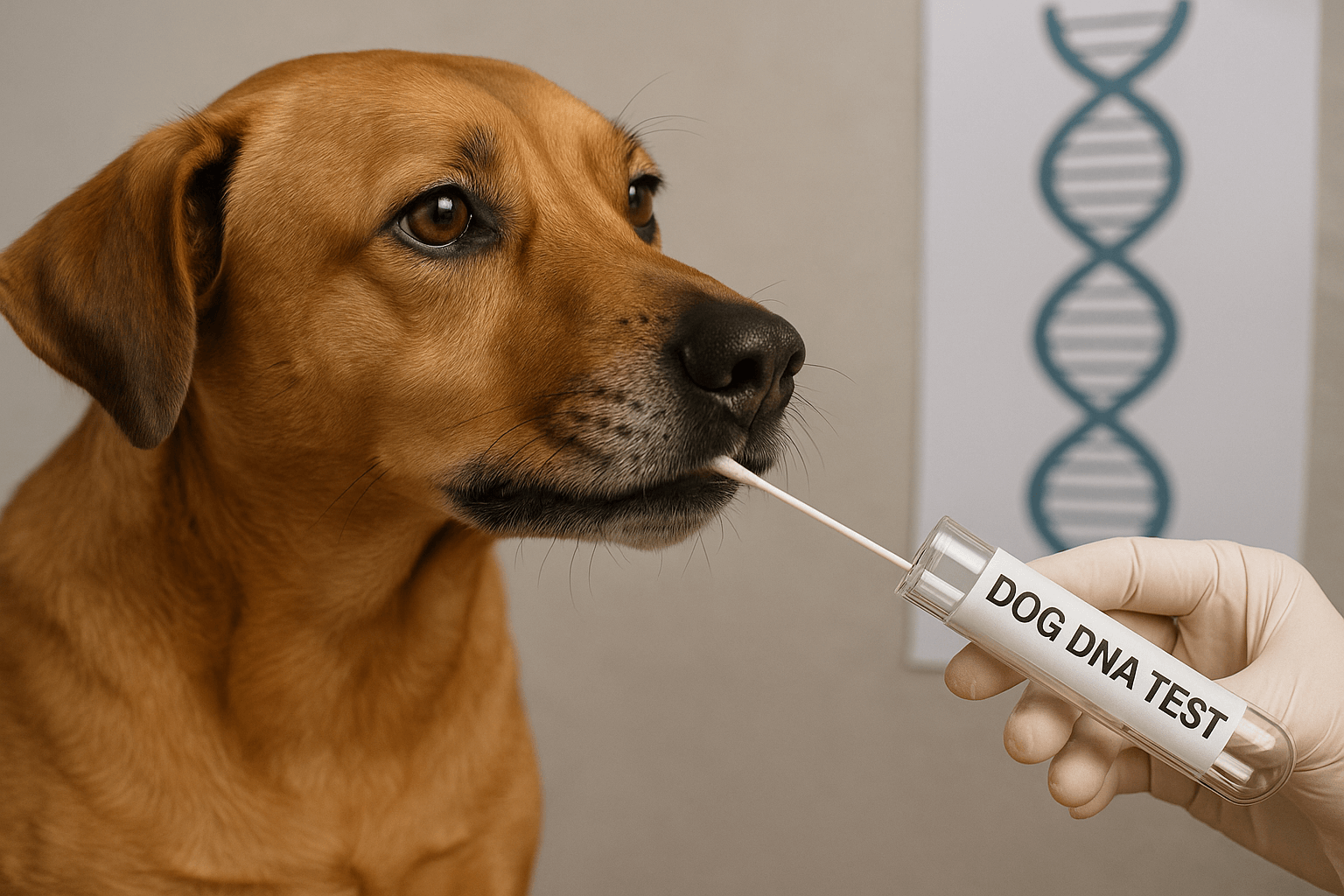
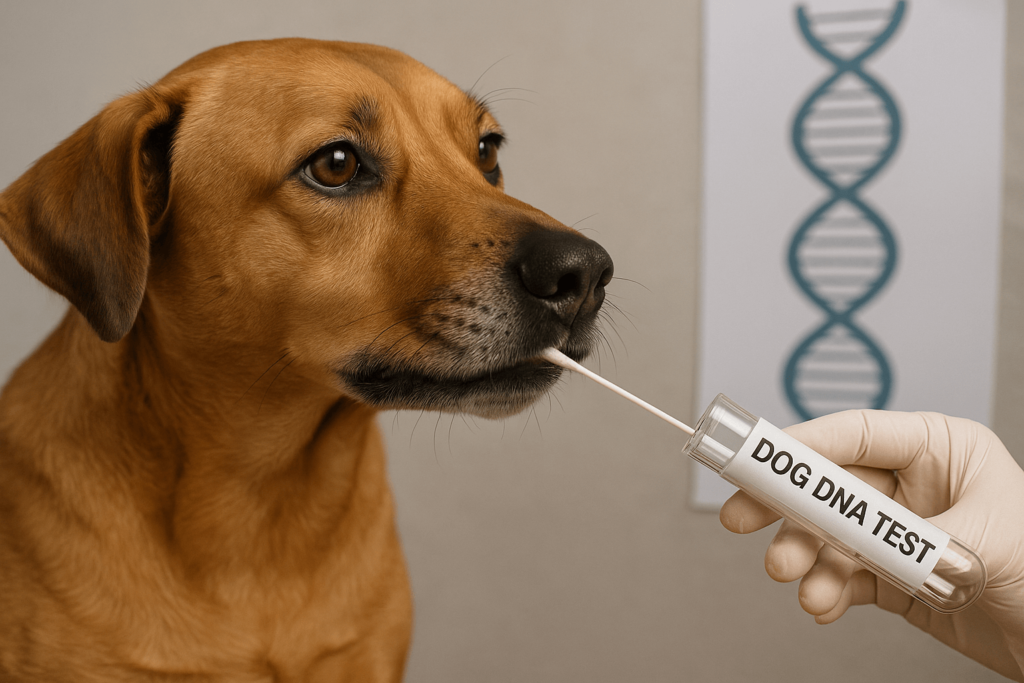
Dog DNA tests analyze your pet’s genetic material—usually collected via a cheek swab—to compare it against a reference database of known breeds and genetic markers. This process sounds straightforward, but the science behind it involves complex bioinformatics and statistical modeling.
Sample Collection Is Simple:
Most kits use a painless cheek swab that you perform at home, then mail to a lab.Lab Analysis Uses SNP Technology:
Companies scan thousands of Single Nucleotide Polymorphisms (SNPs)—tiny genetic variations linked to specific breeds or health conditions.Breed Matching Relies on Reference Panels:
Accuracy depends heavily on how large and diverse the company’s breed database is; rare or mixed breeds may be harder to identify.Results Are Probabilistic, Not Definitive:
Unlike human paternity tests, dog DNA results show likelihoods, not certainties—especially with multi-generational mixes.Turnaround Time Varies:
Most companies deliver results in 2–6 weeks after the lab receives your sample.
While the technology is impressive, it’s important to remember that dog DNA tests estimate, not diagnose. They offer fascinating insights—but not absolute truth.
Factors That Influence Test Accuracy
Not all dog DNA kits are created equal. Several key factors determine how reliable your results will be.
Size and Quality of the Breed Database:
Companies like Embark and Wisdom Panel test against thousands of verified dogs; smaller databases yield less precise ancestry breakdowns.Number of Genetic Markers Analyzed:
High-end tests examine 200,000+ SNPs, while budget kits may use fewer than 10,000—greatly affecting resolution.Your Dog’s Genetic Mix Complexity:
A first-generation Lab-Poodle (Labradoodle) is easier to identify than a dog with five breeds in its lineage over three generations.Presence of Rare or Uncommon Breeds:
If your dog has ancestry from a village dog, indigenous breed, or newly recognized AKC group, it may be labeled “unknown” or misidentified.Lab Certification and Scientific Rigor:
Reputable companies partner with veterinary geneticists and publish peer-reviewed research—unlike some generic pet wellness brands.
In short: more data + better science = more accurate results. Always check what’s behind the brand before swabbing your pup’s cheek.
Check this guide 👉Can a Dog DNA Test Tell Age? Best 7 Expert Tips!
Check this guide 👉Dog Poop DNA Testing Cost: Best 7 Expert Tips!
Check this guide 👉Understanding Hydrocephalus in Dogs: Best 7 Expert Tips!
| High-Accuracy Indicators | Red Flags for Low Accuracy |
|---|---|
| 200,000+ genetic markers tested | Fewer than 10,000 markers analyzed |
| Database includes 350+ verified breeds | Vague breed categories like “herding mix” |
| Veterinary genetics partnership | No scientific team listed on website |
| Published accuracy studies | Results based on “proprietary algorithms” with no transparency |
| Health screening for 200+ conditions | Health reports limited to coat color or ear shape |
What Dog DNA Tests Can Reveal
Beyond guessing your dog’s breed mix, modern tests offer valuable health and trait insights that can inform long-term care.
Breed Composition Breakdown:
See percentages of ancestry from recognized breeds—sometimes down to 5% or less.Genetic Health Risks:
Identify predispositions to conditions like hip dysplasia, degenerative myelopathy, or MDR1 drug sensitivity.Physical and Behavioral Traits:
Predict coat length, color, shedding level, and even tendencies like “pointing” or “herding drive.”Relative Finder Features:
Some services connect you with other dogs in their database who share DNA—great for curious owners.Breed-Specific Wellness Tips:
Get tailored advice on exercise, diet, and monitoring based on your dog’s genetic profile.
These insights can empower proactive veterinary care—but should never replace professional diagnosis or treatment.
Limitations and Common Misinterpretations
Despite their popularity, dog DNA tests have real limitations that owners often overlook.
“Unknown” Doesn’t Mean Unimportant:
Up to 20% of a dog’s ancestry may be labeled “village dog” or “unidentified”—this reflects database gaps, not genetic worth.Breed ≠ Behavior:
Just because your dog is 30% Border Collie doesn’t mean they’ll herd sheep; environment and training shape behavior more than DNA.False Positives in Health Reports:
A genetic risk marker doesn’t guarantee disease—it only indicates higher susceptibility.Overestimation of Rare Breeds:
Algorithms sometimes “fill in” missing data with exotic breeds to make results seem more exciting.No Regulation in the Pet DNA Industry:
Unlike human medical tests, dog DNA kits aren’t FDA-approved or standardized—quality varies widely.
Understanding these caveats helps you interpret results wisely and avoid unnecessary worry or assumptions.
Top Dog DNA Test Brands Compared
Not all kits deliver the same value. Here’s how leading brands stack up in real-world use.
Embark:
Widely regarded as the most accurate, with the largest breed database and Cornell University backing—ideal for health-focused owners.Wisdom Panel:
Affordable and reliable for breed identification; offers solid health screening but fewer markers than Embark.DNA My Dog:
Budget-friendly but limited—uses only 100+ markers and offers minimal health insights.BarkBox’s HomeDNA:
Fun and fast, but prioritizes entertainment over clinical accuracy—best for casual curiosity.Vet-Recommended Panels (e.g., Paw Print Genetics):
Used by veterinarians for specific condition testing; not full ancestry kits, but highly precise for targeted screening.
For serious insights—especially health-related—invest in a vet-grade or research-backed test.
How to Maximize Your Test’s Accuracy
You can improve reliability even before opening the kit. Smart preparation makes a difference.
Choose the Right Test for Your Goal:
Need health data? Pick Embark. Just curious about breed mix? Wisdom Panel may suffice.Follow Swab Instructions Exactly:
Contamination from food, toys, or human DNA can corrupt samples—wait 30 minutes after eating before swabbing.Avoid Testing Puppies Under 8 Weeks:
Their DNA is stable, but maternal cells in their mouth can interfere with sample purity.Use Fresh Swabs (Don’t Reuse):
Never use a swab that’s been dropped or touched—contamination leads to failed or inaccurate runs.Register the Kit Before Mailing:
Link your dog’s profile online so results are correctly matched to your pet.
Small steps like these significantly boost the chance of clear, trustworthy results.
Frequently Asked Questions About Dog DNA Tests
Are dog DNA tests accurate?
Most reputable tests (like Embark or Wisdom Panel) are 90–95% accurate for breed identification when common breeds are involved—but accuracy drops with rare or complex mixes.
Can a DNA test tell my dog’s exact age?
No. While some companies estimate biological age based on telomere length, this is highly experimental and not scientifically validated for dogs.
Do vets recommend dog DNA tests?
Many do—for health screening, not just breed curiosity. A genetic risk report can guide preventive care and early intervention.
How much do dog DNA tests cost?
Prices range from $60 (basic breed-only kits) to $200 (comprehensive health + ancestry panels like Embark).
Can DNA tests detect wolf or coyote ancestry?
Yes, high-end tests like Embark can detect recent wild canid ancestry—but distant traces are often indistinguishable from domestic dog DNA.
Final Thoughts: Curiosity Meets Care
Dog DNA tests blend science, storytelling, and stewardship. While they won’t hand you a definitive “identity card” for your pup, they offer meaningful clues about heritage, health, and hidden traits. The key is managing expectations: these tests inform, not dictate. Use them as one tool among many—alongside veterinary care, behavioral observation, and unconditional love—to give your dog the best life possible. After all, whether your companion is 100% Beagle or a mystery mutt with village dog roots, their wagging tail and trusting eyes are what truly matter.
Dog Tapeworm Life Cycle: Best 7 Expert Tips! – Learn how tapeworms infect dogs, spot symptoms, and break the cycle with expert prevention strategies.

Anxious Cat Body Language: Best 7 Expert Tips! – Learn to spot signs of stress, understand triggers, and help your cat feel safe and relaxed.

Anxious Dog Body Language: Best 7 Expert Tips! – Learn to spot signs of anxiety, respond effectively, and help your dog feel safe and secure.
Is Breeding Dogs Bad? Best 7 Expert Tips! – Explore the ethics, benefits, and risks of dog breeding to make informed decisions for a better future.